THINGS TO DO INPORTUGAL
Things to Do in Portugal | REVV Travel
Portugal is one of Europe’s most diverse and captivating destinations, where golden beaches meet rolling vineyards and historic cities. For bikers, it’s a paradise of winding coastal roads, scenic river valleys, and mountain passes. The country stretches from the green landscapes of the north to the sunny Algarve in the south, with the volcanic island of Madeira offering some of the world’s most thrilling rides.
Whether you’re exploring Lisbon’s lively streets, riding through the vineyard terraces of the Douro Valley, or cruising along the cliffs of the Algarve, Portugal blends culture, gastronomy, and scenery in a way that makes every journey unforgettable on two wheels.
TOPATTRACTIONS
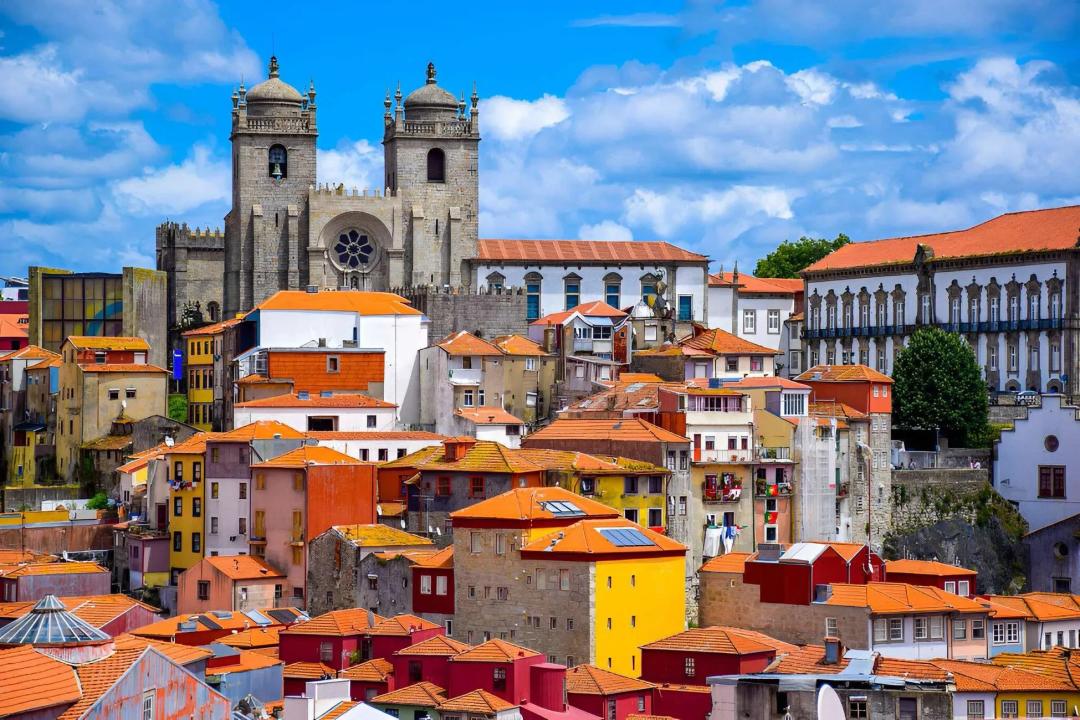
Ribeira District
Colorful riverside quarter
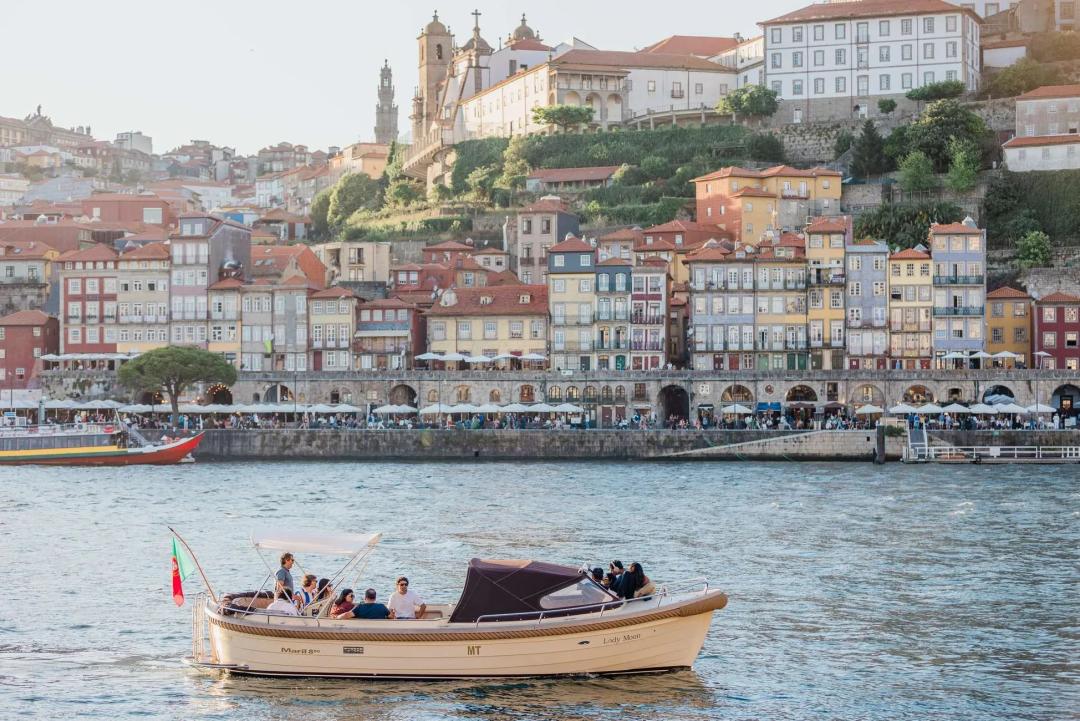
The Ribeira District is Porto’s historic riverside neighborhood, filled with narrow alleys, colorful façades, and lively cafés along the Douro River. It’s a UNESCO World Heritage Site and the heart of the city.
Highlights
✔️ Stroll along the scenic riverfront promenade
✔️ Lively restaurants and wine bars
✔️ Historic charm with tiled houses and balconies
✔️ UNESCO World Heritage Site
✔️ Perfect spot for sunset views of the Douro
Dom Luís I Bridge
Porto’s iconic double-deck bridge
This iron bridge, designed by a disciple of Gustave Eiffel, spans the Douro River with two decks for pedestrians, cars, and trams. It’s one of Porto’s most photographed landmarks.
Highlights
✔️ Walk across the upper or lower deck
✔️ Panoramic views of Porto and Vila Nova de Gaia
✔️ Icon of the city’s skyline
✔️ Popular spot for photos at sunset
✔️ Links Porto with wine cellars in Gaia
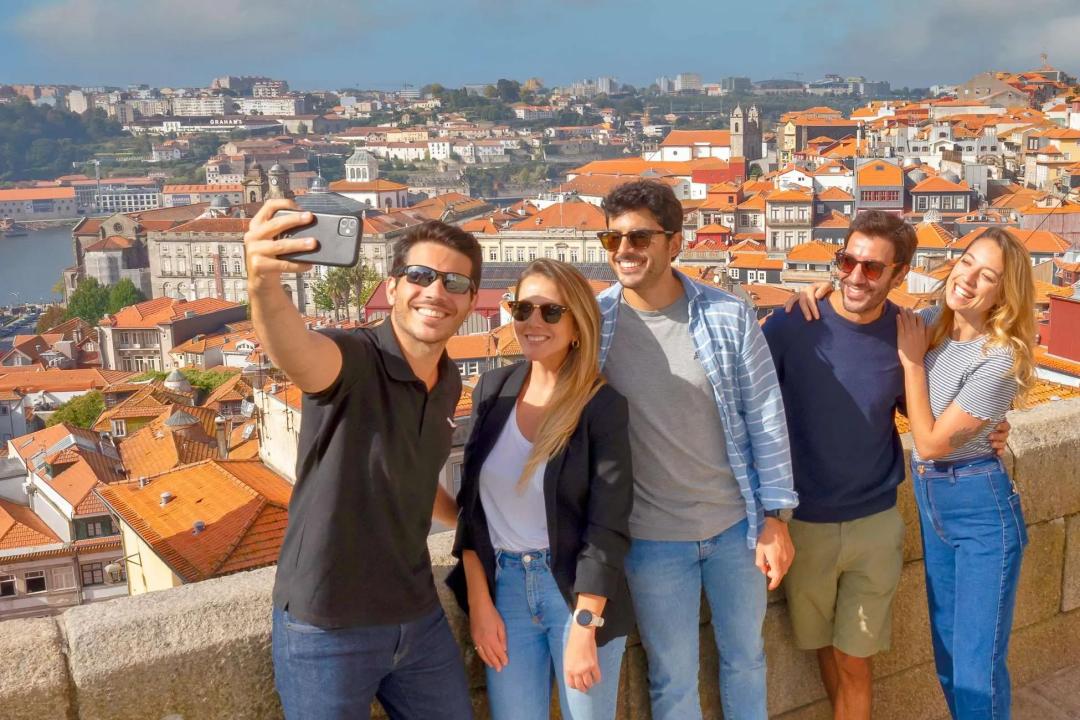
Port Wine Cellars
Taste Porto’s world-famous wines
Across the river from Porto, Vila Nova de Gaia is home to centuries-old port wine lodges. Guided tours and tastings explain the history and flavors of this unique fortified wine.
Highlights
✔️ Tour historic wine cellars like Sandeman and Graham’s
✔️ Taste different styles of port wine
✔️ Learn about wine production and aging
✔️ Views across the river to Porto’s skyline
✔️ Essential cultural experience of the city
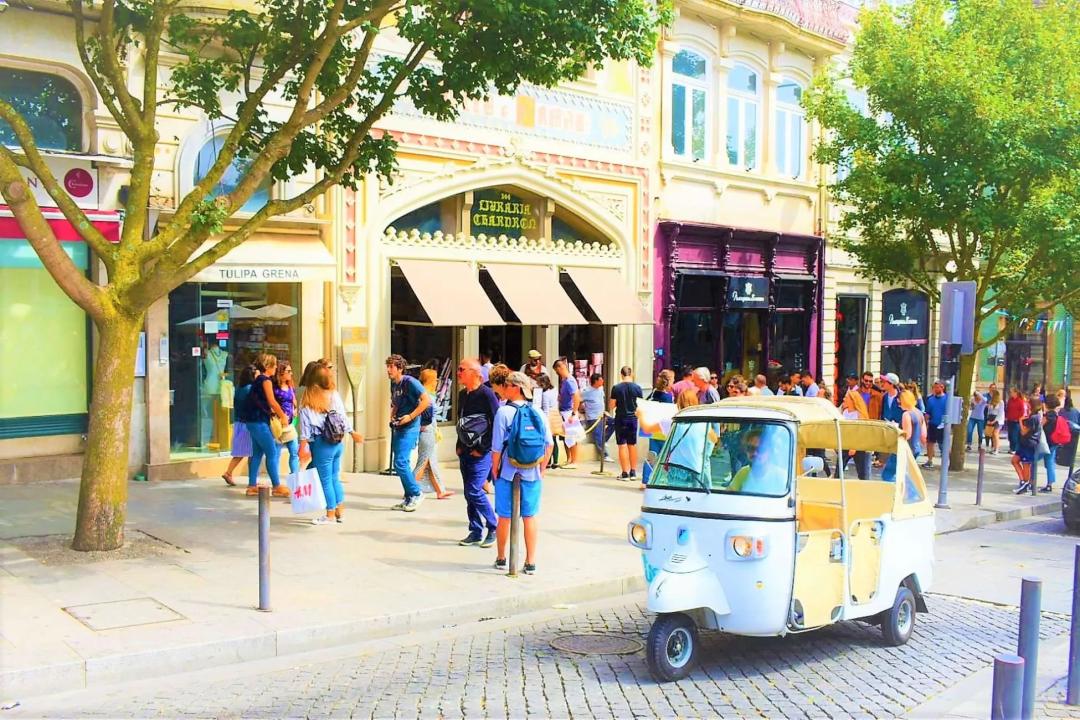
Clérigos Tower
Baroque bell tower with city views
The Clérigos Tower rises above Porto’s skyline, part of the Clérigos Church complex. Climb its 225 steps for one of the best panoramic views over the city and river.
Highlights
✔️ Iconic 18th-century baroque tower
✔️ Panoramic views of Porto from the top
✔️ Visit the ornate Clérigos Church
✔️ Central location near Livraria Lello
✔️ One of Porto’s most photographed landmarks
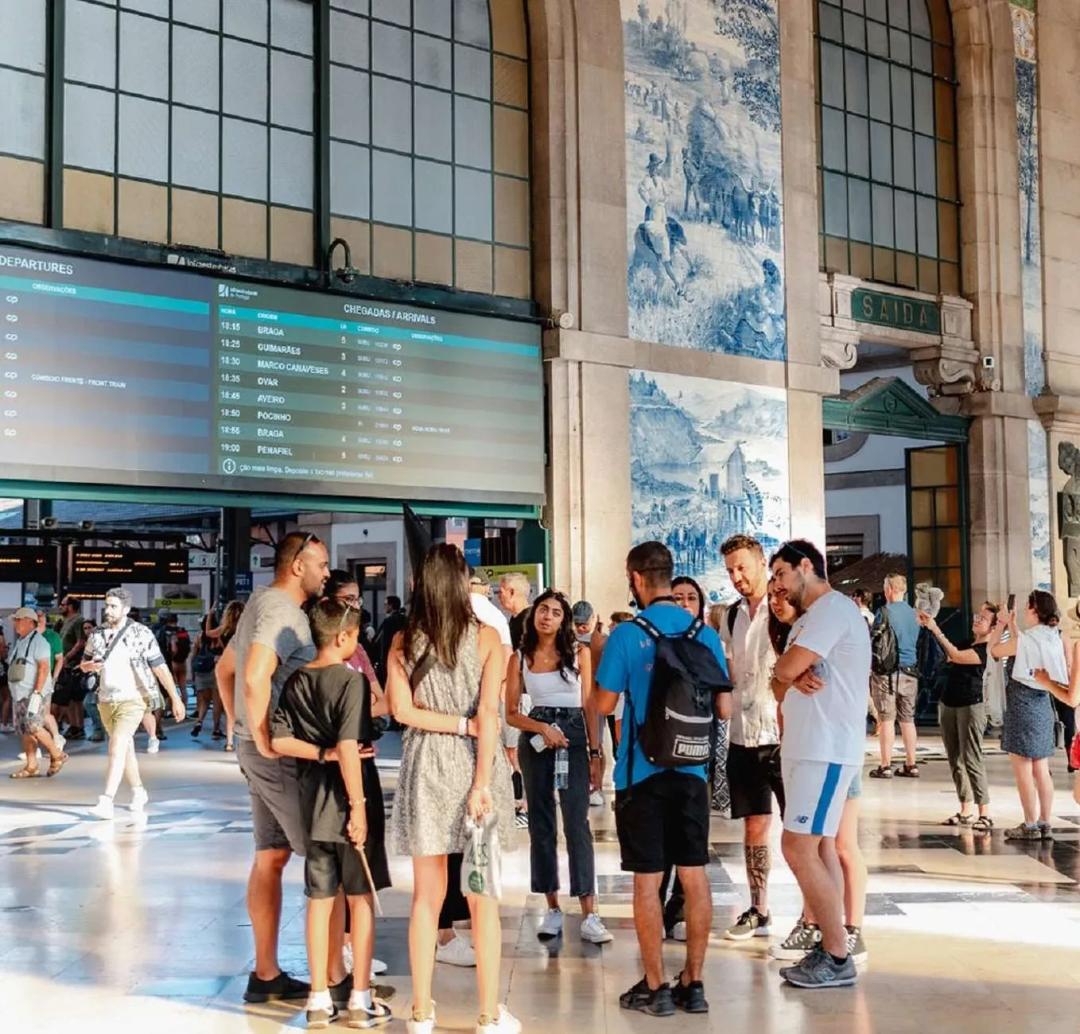
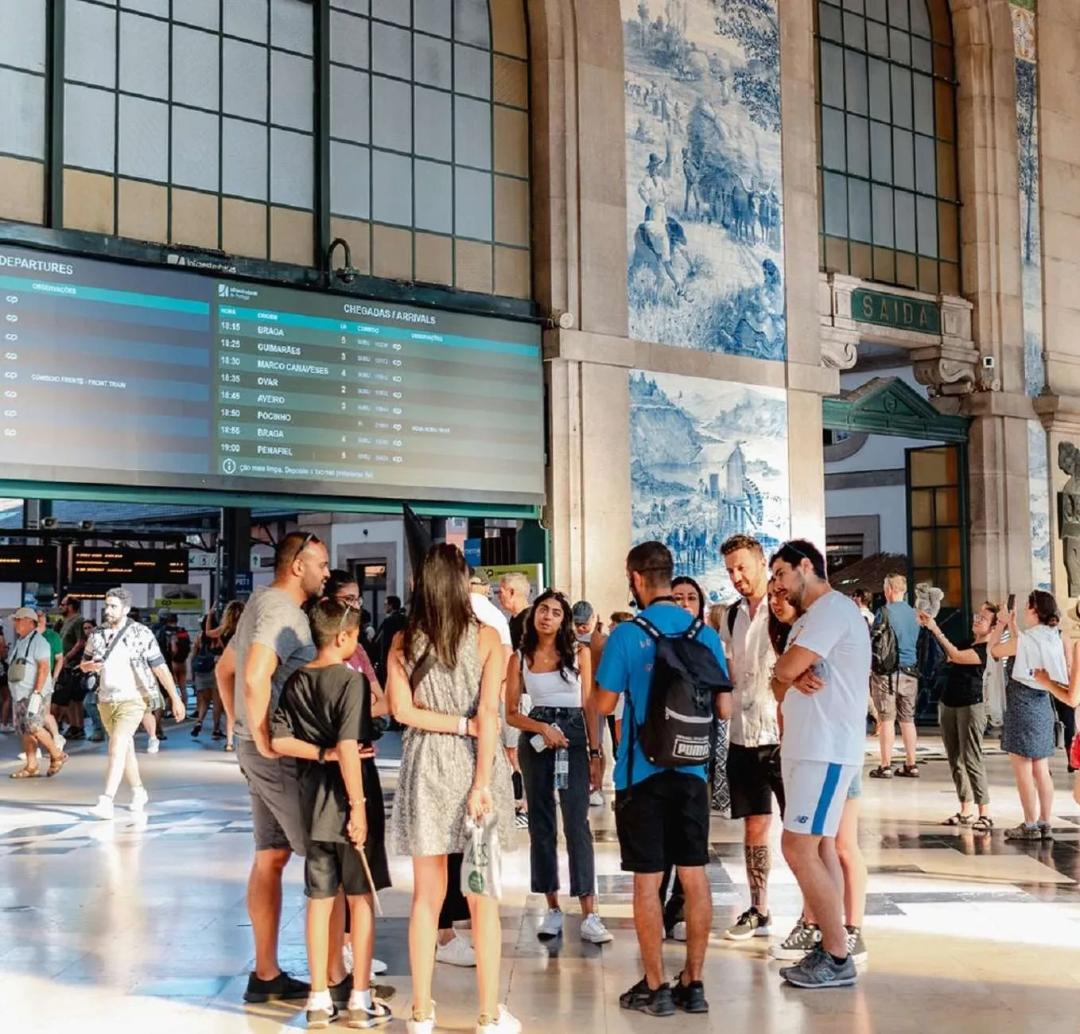
São Bento Station
Art in tiles at a working train station
São Bento Station is a functioning railway hub famous for its interior walls covered in over 20,000 blue-and-white azulejo tiles depicting Portuguese history.
Highlights
✔️ Admire massive tile panels inside the station
✔️ Blend of transport hub and cultural site
✔️ Learn about Portugal’s history through art
✔️ Central stop on most train journeys in northern Portugal
✔️ Free entry and open daily
Mercado do Bolhão
Traditional food market of Porto
Bolhão Market is a lively covered market where vendors sell fresh fish, produce, meats, and flowers. It’s an authentic slice of Porto life.
Highlights
✔️ Traditional market stalls and atmosphere
✔️ Taste local cheeses, sausages, and pastries
✔️ Recently restored historic building
✔️ Great place to interact with locals
✔️ Authentic foodie stop in Porto
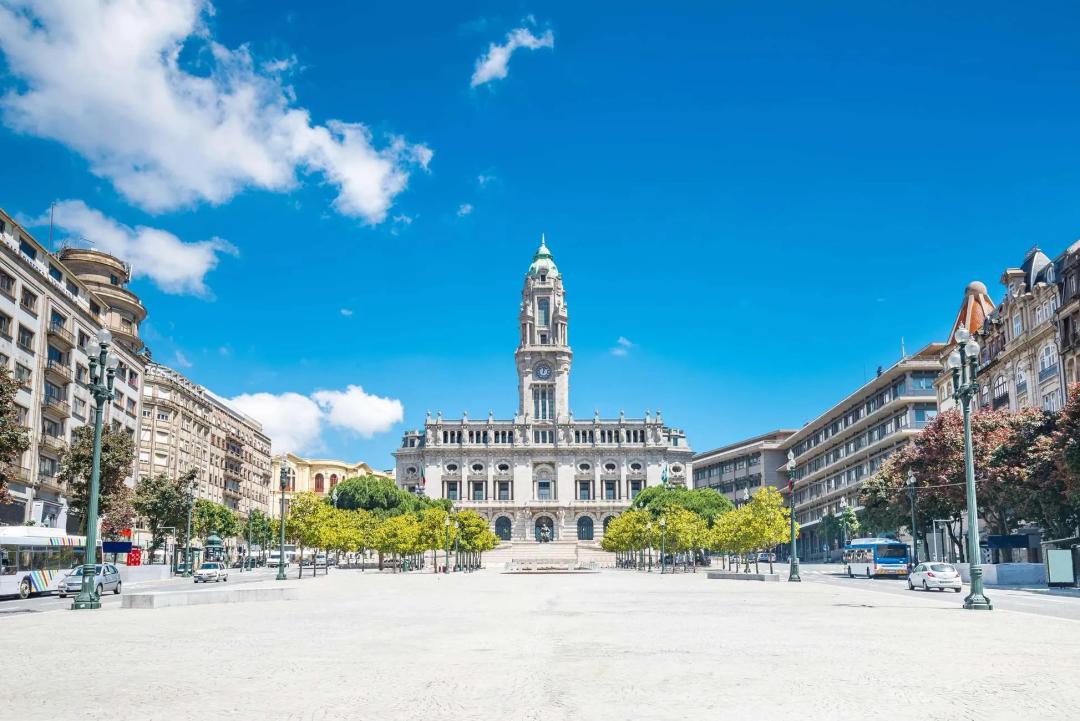
Casa da Música
Modern concert hall and architectural icon
Casa da Música is Porto’s striking modern concert hall, designed by Rem Koolhaas. It’s a hub for classical, jazz, and world music performances.
Highlights
✔️ Admire futuristic architecture
✔️ Attend concerts and cultural events
✔️ Guided tours of the building’s design
✔️ Contrast to Porto’s historic core
✔️ Major cultural landmark in Portugal
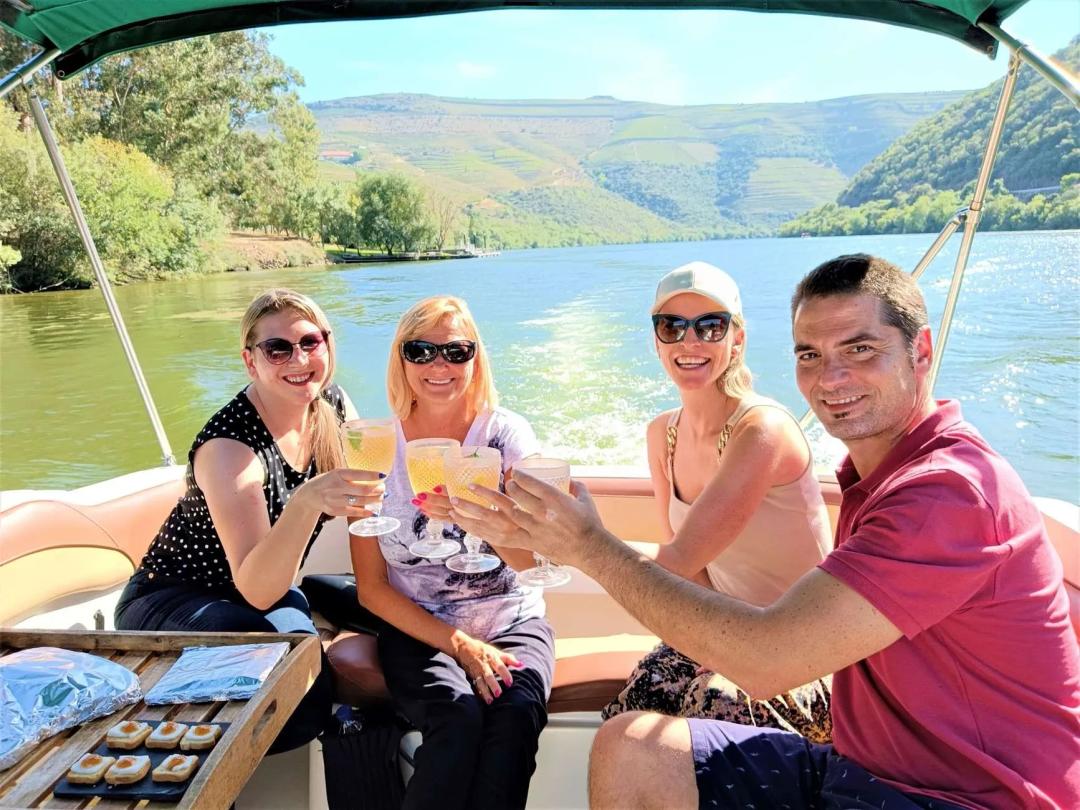
Douro Valley Ride
UNESCO wine region with epic roads
The Douro Valley is a UNESCO World Heritage landscape of terraced vineyards and winding river roads. For bikers, it’s one of Portugal’s most unforgettable rides.
Highlights
✔️ Ride curvy roads along the Douro River
✔️ Visit vineyard estates (quintas) for tastings
✔️ Panoramic viewpoints like São Leonardo da Galafura
✔️ UNESCO-protected landscape
✔️ Legendary ride starting just outside Porto
Livraria Lello
One of the world’s most beautiful bookstores
Livraria Lello is a neo-Gothic bookstore with a stunning wooden staircase and stained-glass ceiling. It’s often said to have inspired J.K. Rowling’s Harry Potter series when she lived in Porto.
Highlights
✔️ Admire the iconic red staircase and ornate interiors
✔️ Browse an elegant bookstore atmosphere
✔️ Historic and literary landmark of Porto
✔️ Popular with Harry Potter fans
✔️ Ranked among the most beautiful bookstores in the world
Foz do Douro
Where the Douro River meets the Atlantic
At the mouth of the Douro, Foz is a scenic district where the river flows into the Atlantic. It’s a favorite spot for walks, sunsets, and seaside cafés.
Highlights
✔️ Scenic coastal walks and bike paths
✔️ Lighthouses and rocky beaches
✔️ Seaside cafés and restaurants
✔️ Sunset views over the Atlantic
✔️ Perfect stop on a coastal ride
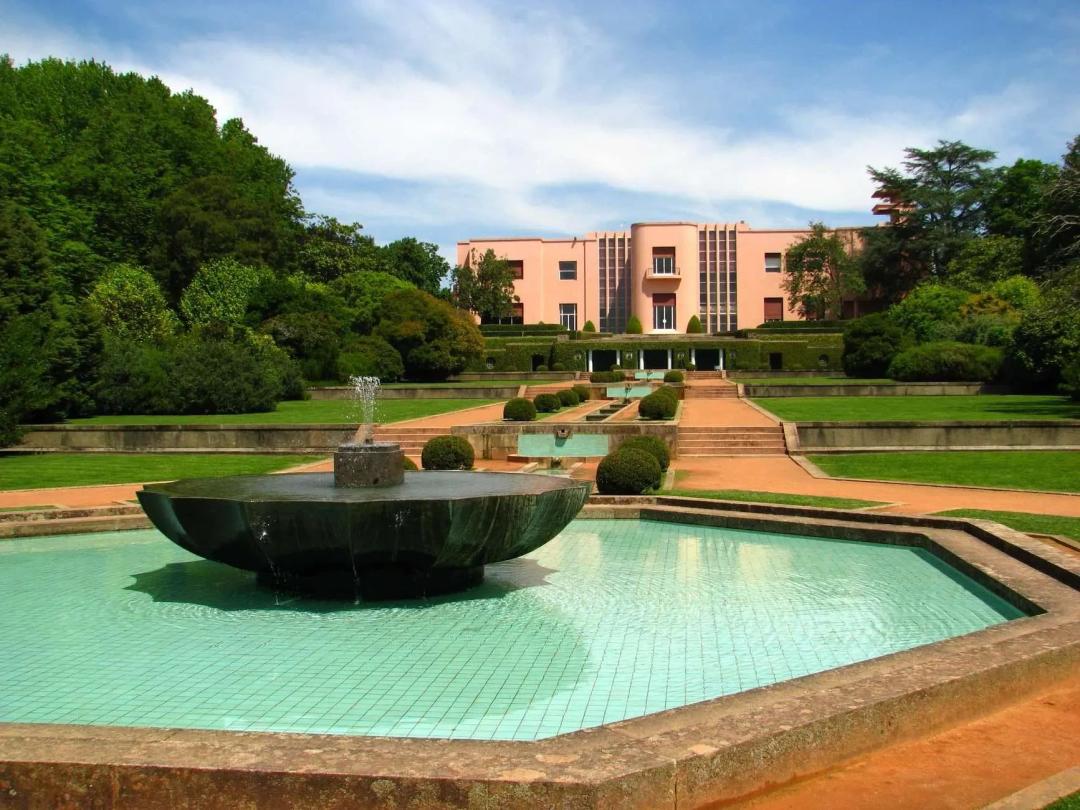
Faro Cathedral
Gothic-Baroque cathedral with city views
Located in the old town, Faro Cathedral is a mix of Gothic, Renaissance, and Baroque styles. Climb its tower for panoramic views over the city and Ria Formosa.
Highlights
✔️ Climb the bell tower for city and lagoon views
✔️ Admire Gothic chapels and Baroque altars
✔️ Visit the cathedral museum with religious art
✔️ Located in the heart of Cidade Velha
✔️ Iconic Faro landmark
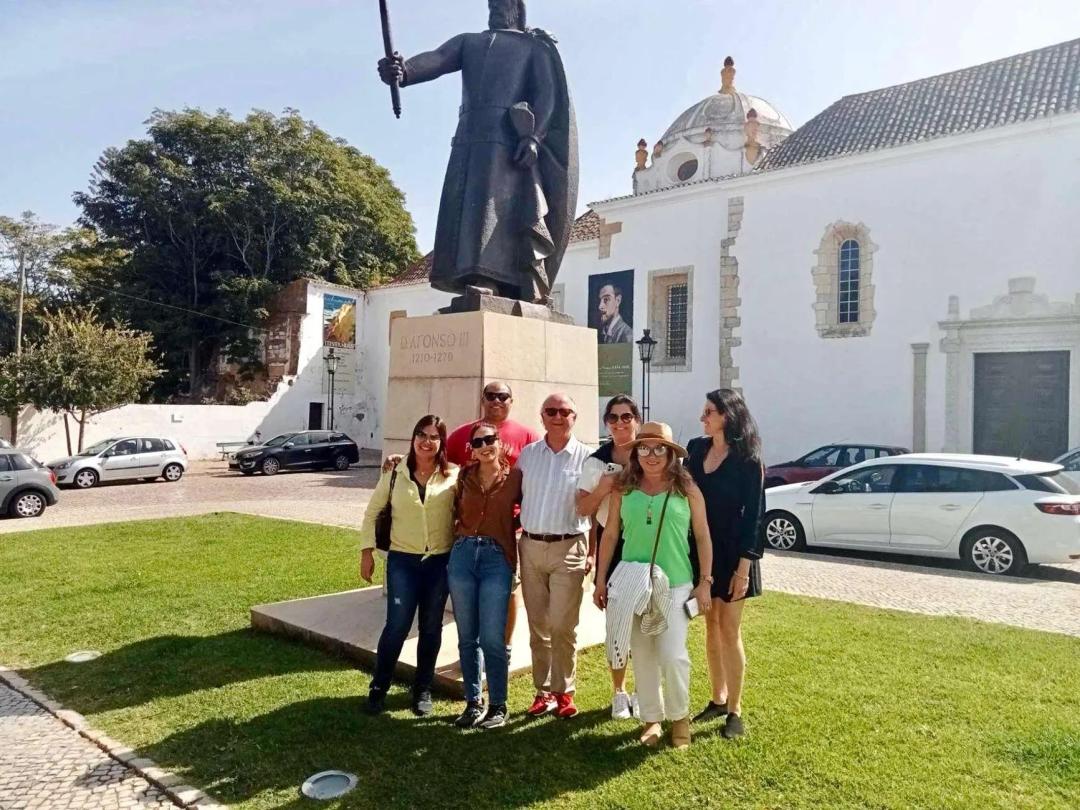
Church of Carmo
Faro’s famous Bone Chapel
The Igreja do Carmo is best known for its Capela dos Ossos (Chapel of Bones), a haunting yet fascinating chapel decorated with the bones of over 1,000 monks.
Highlights
✔️ Visit the Bone Chapel with skull-lined walls
✔️ Baroque church with ornate gilded interiors
✔️ Fascinating insight into religious traditions
✔️ Located in central Faro
✔️ Unique and memorable cultural site
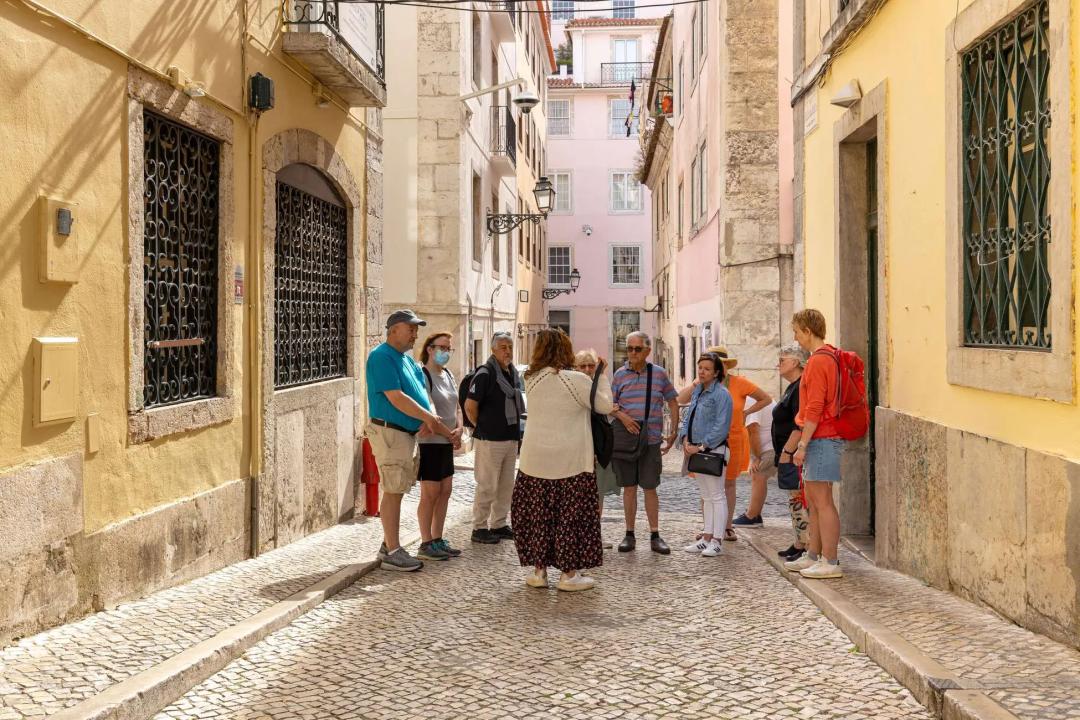
Arco da Vila
Neoclassical gateway into the old town
Arco da Vila is Faro’s most famous gateway, blending Moorish and neoclassical architecture. It serves as the grand entrance into the Cidade Velha.
Highlights
✔️ Historic gateway built on Moorish walls
✔️ Iconic photo spot in Faro
✔️ Central access to the old town
✔️ Elegant neoclassical façade
✔️ Popular landmark for visitors
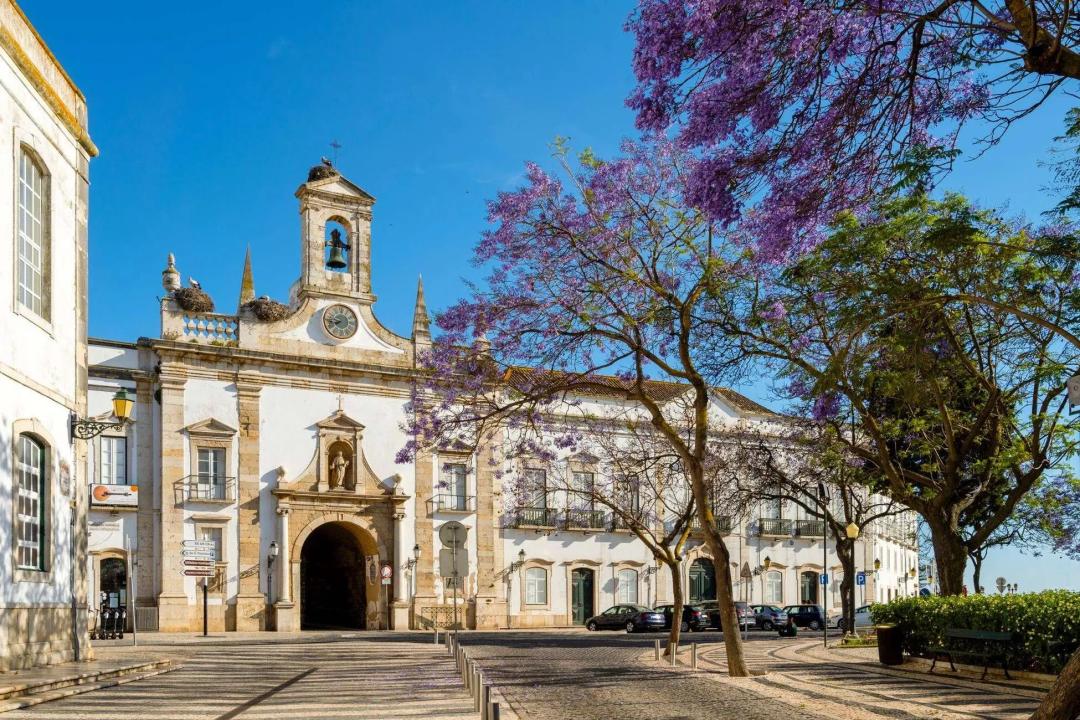
Museu Municipal de Faro
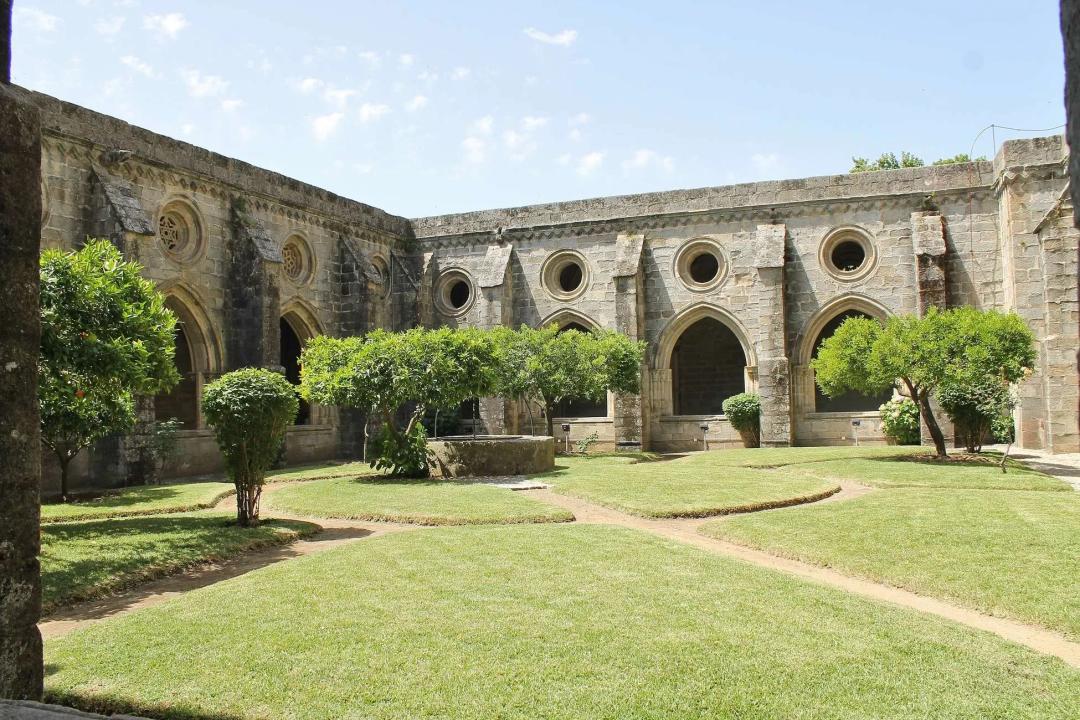
Archaeology and art inside a convent
Housed in a former convent, Faro’s Municipal Museum features Roman mosaics, medieval artifacts, and religious art. It’s one of the Algarve’s top museums.
Highlights
✔️ Impressive Roman mosaic of the Ocean god Neptune
✔️ Collections from Roman to medieval times
✔️ Peaceful convent cloisters
✔️ Permanent and rotating exhibitions
✔️ Cultural stop in the old town
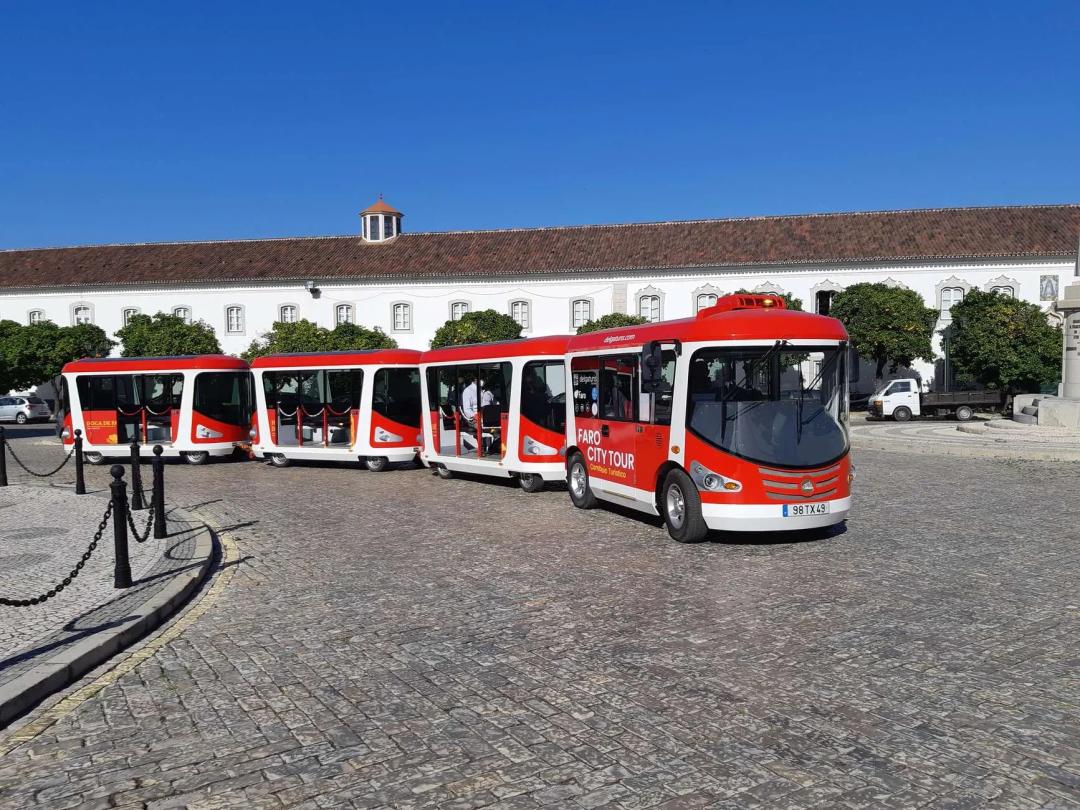
Ria Formosa
Lagoons, islands, and birdlife near Faro
Ria Formosa is a protected lagoon system stretching along the Algarve coast. From Faro, you can explore its islands, wetlands, and wildlife-rich landscapes.
Highlights
✔️ Boat trips to sandy islands like Ilha Deserta
✔️ Birdwatching (flamingos, storks, and more)
✔️ Scenic biking and walking trails
✔️ UNESCO-classified protected ecosystem
✔️ Gateway to Algarve’s wild coastal beauty
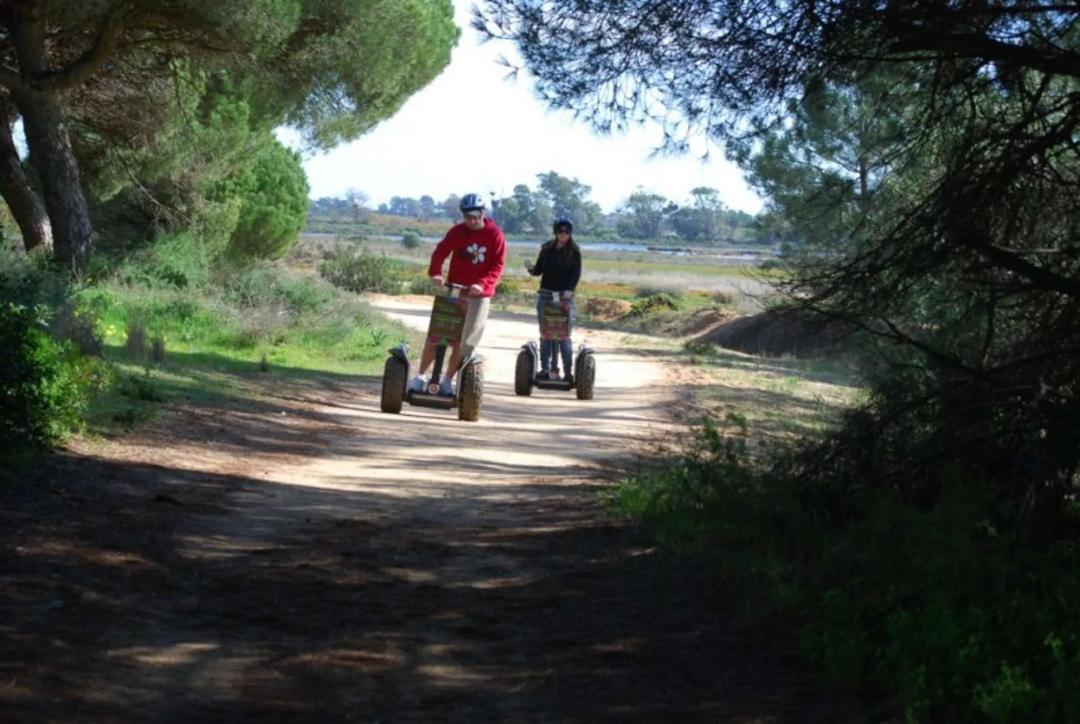
Jewish Heritage Centre
Historic cemetery and museum
This small but important site preserves Faro’s Jewish history. The cemetery dates back to the 19th century, with gravestones inscribed in Hebrew, and a small museum tells the story of the community.
Highlights
✔️ Visit one of Portugal’s oldest Jewish cemeteries
✔️ Learn about Faro’s Jewish heritage
✔️ Peaceful and historic site
✔️ Cultural insight into Algarve’s past
✔️ Hidden gem near the city center
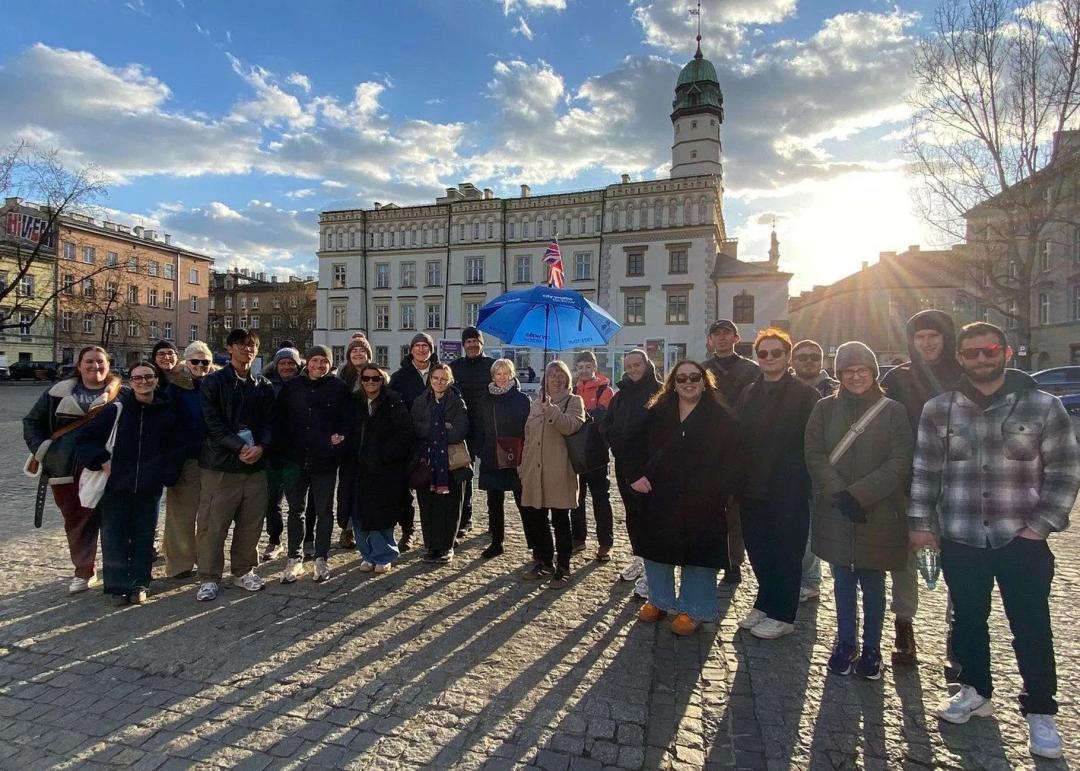
Praia de Faro
Golden sands just outside the city
Praia de Faro is the city’s main beach, stretching for kilometers along the barrier island that separates Ria Formosa from the Atlantic. It’s easily accessible by road.
Highlights
✔️ Long sandy beach with Atlantic waves
✔️ Cafés, bars, and restaurants by the shore
✔️ Relaxed atmosphere compared to tourist resorts
✔️ Accessible by bike or car from the city
✔️ Perfect spot for a beach break
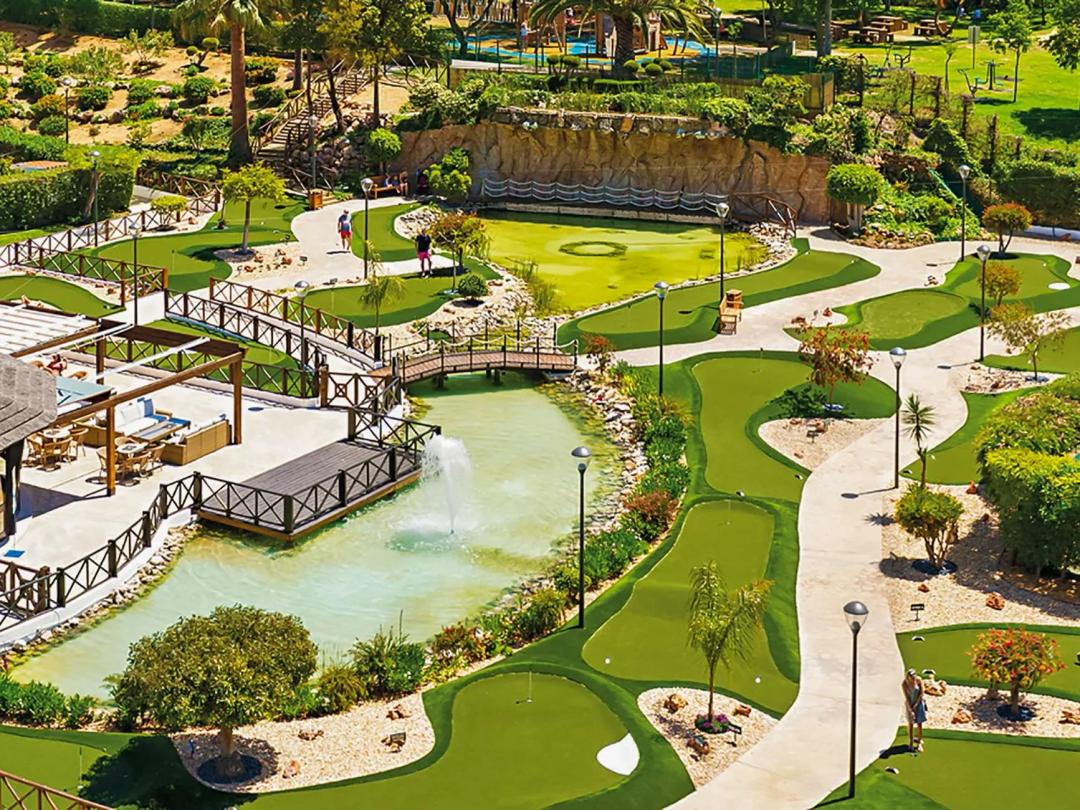
Algarve Coastal Ride
Clifftops, coves, and ocean views
From Faro, riders can follow the Algarve coastline west towards Lagos, passing dramatic cliffs, fishing villages, and hidden coves. It’s one of Portugal’s most scenic motorcycle routes.
Highlights
✔️ Ride clifftop roads with ocean views
✔️ Stop in Tavira, Albufeira, and Lagos
✔️ Visit iconic beaches like Praia da Marinha
✔️ Taste fresh seafood along the route
✔️ Legendary ride across southern Portugal
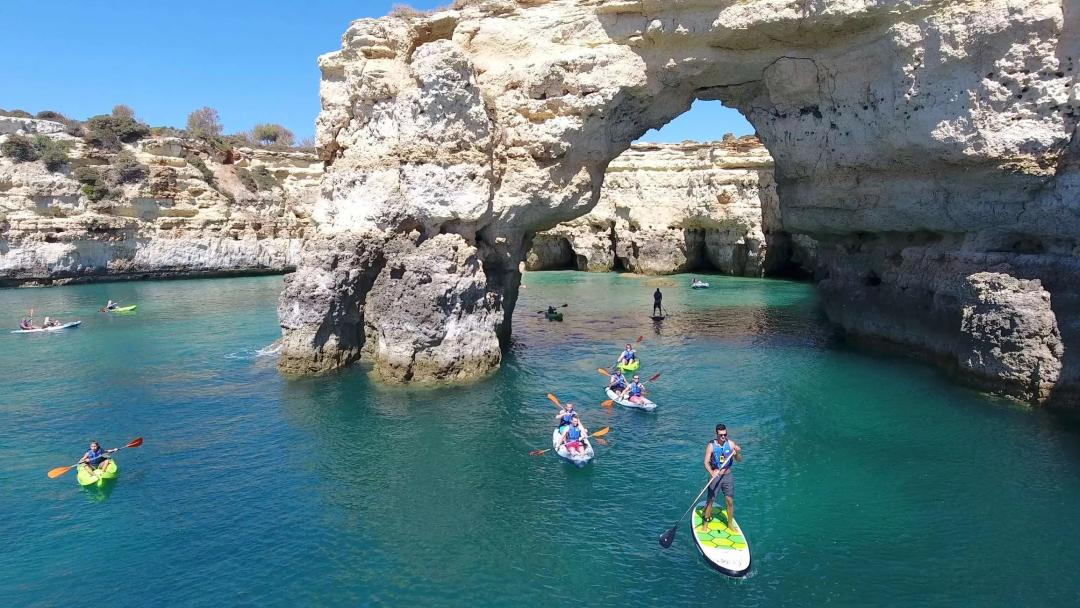
Faro Old Town
Walled city with cobblestone charm
Faro’s Cidade Velha is a beautifully preserved old town enclosed by medieval walls. With cobbled streets, whitewashed houses, and quiet squares, it’s the city’s historic heart.
Highlights
✔️ Walk through the Arco da Vila gateway
✔️ Explore cobbled alleys and hidden courtyards
✔️ Visit charming cafés and galleries
✔️ Peaceful atmosphere compared to the modern city
✔️ Perfect for wandering at sunset
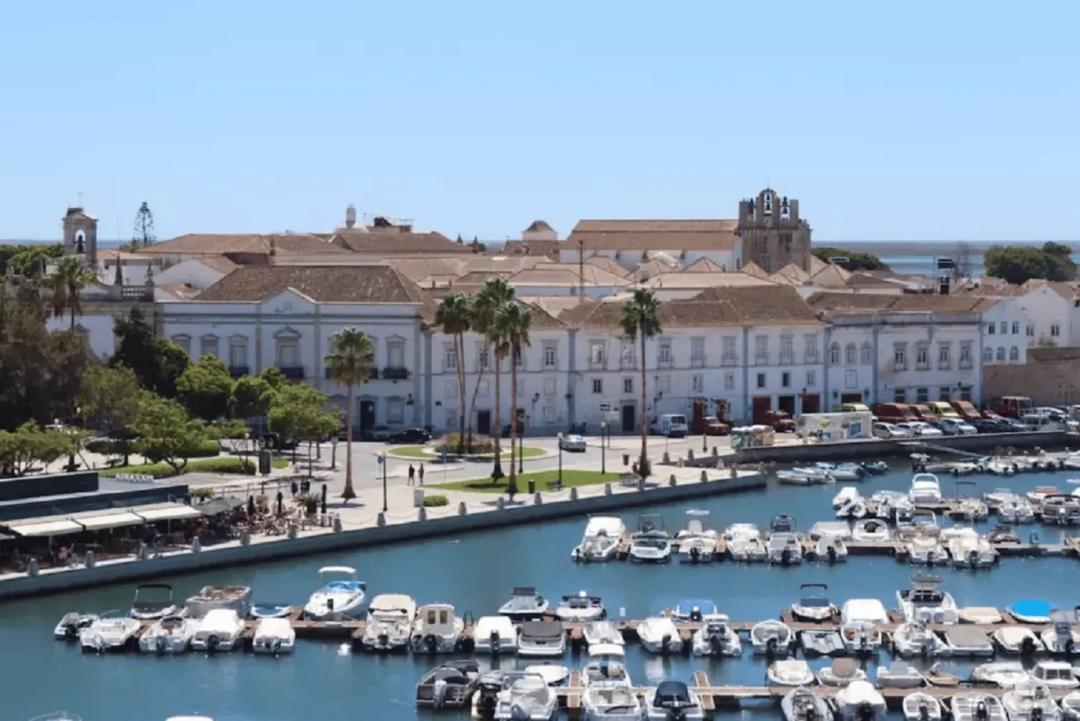
Faro Marina
Waterfront promenade and cafés
The marina is a lively waterfront area lined with cafés and palm trees. It’s the perfect place to relax before or after exploring the city or heading out for a coastal ride.
Highlights
✔️ Palm-lined promenade by the water
✔️ Outdoor cafés and restaurants
✔️ Central meeting point in Faro
✔️ Beautiful at sunset with boats docked
✔️ Gateway to Ria Formosa boat tours
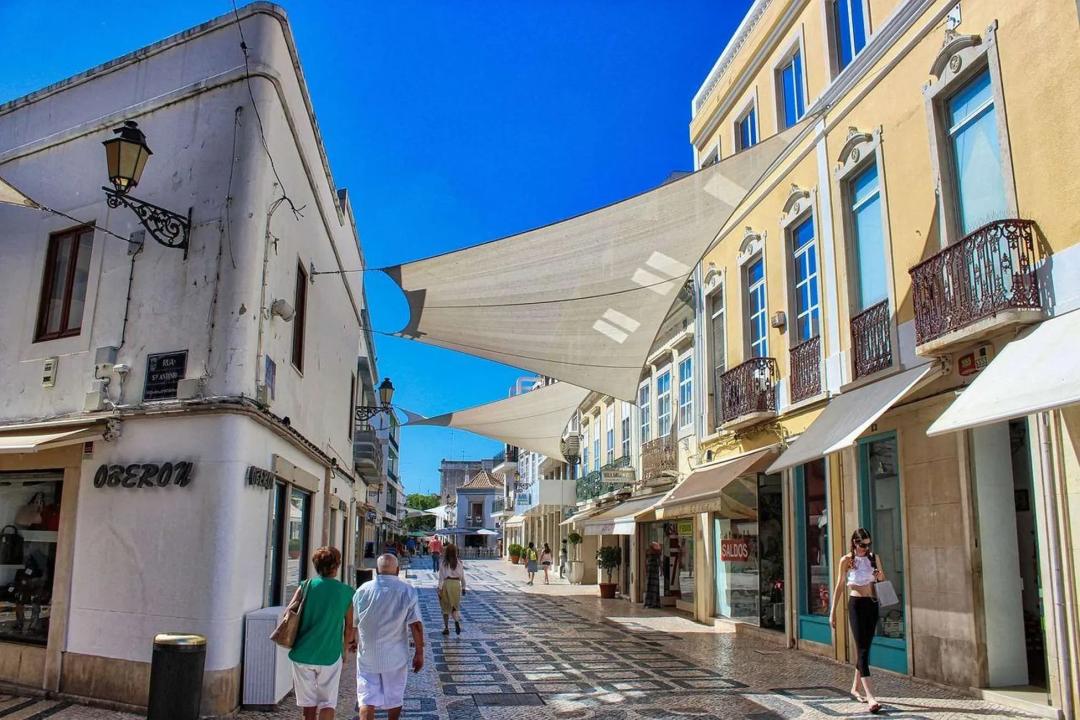
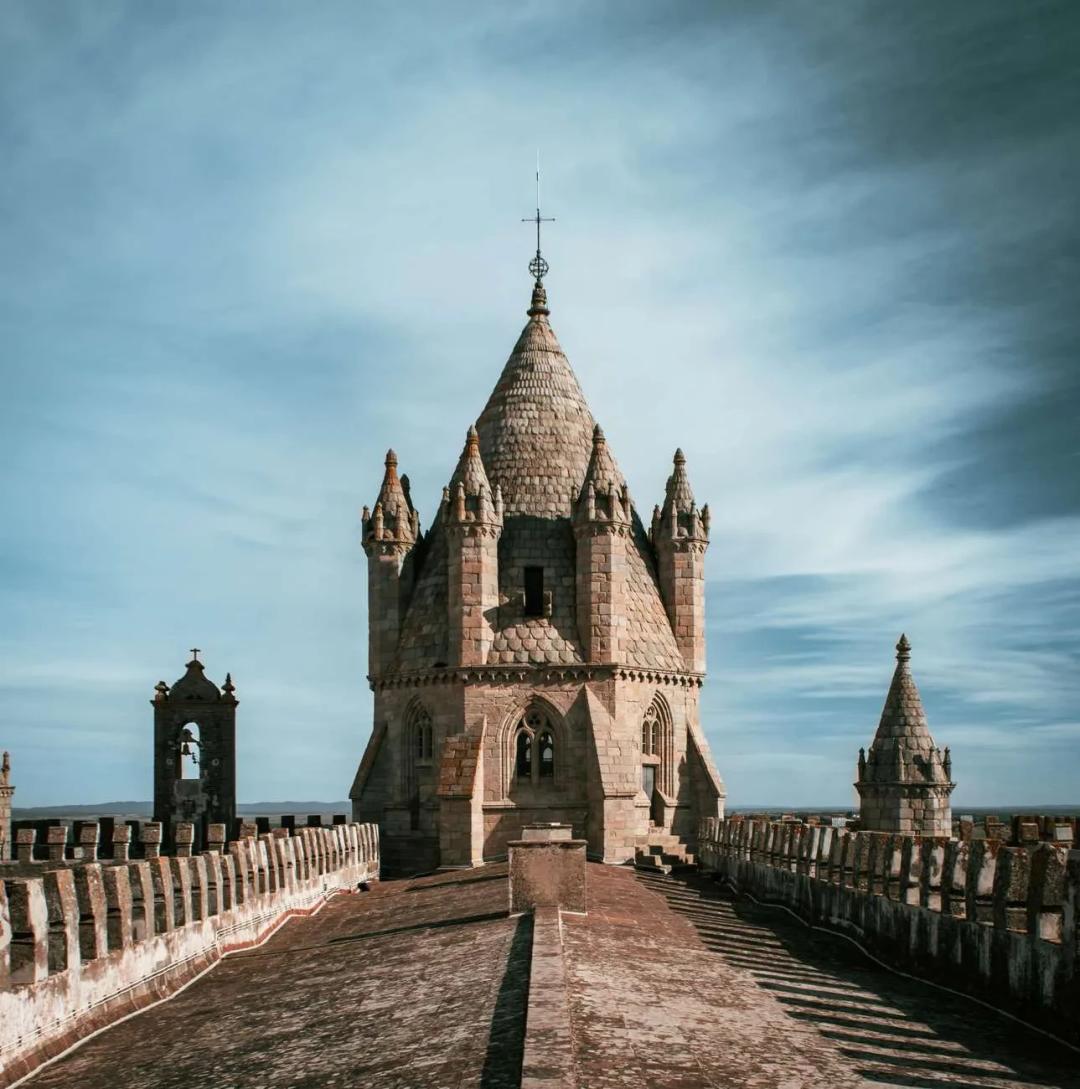
Évora Cathedral
Portugal’s largest medieval cathedral
Built between the 12th and 13th centuries, Évora Cathedral is an impressive Gothic structure. Visitors can climb to the rooftop for panoramic views of the city and Alentejo countryside.
Highlights
✔️ Massive Gothic architecture with Romanesque origins
✔️ Rooftop terrace with stunning views
✔️ Ornate chapels and treasury museum
✔️ Blend of medieval and later styles
✔️ Key landmark of Évora’s skyline
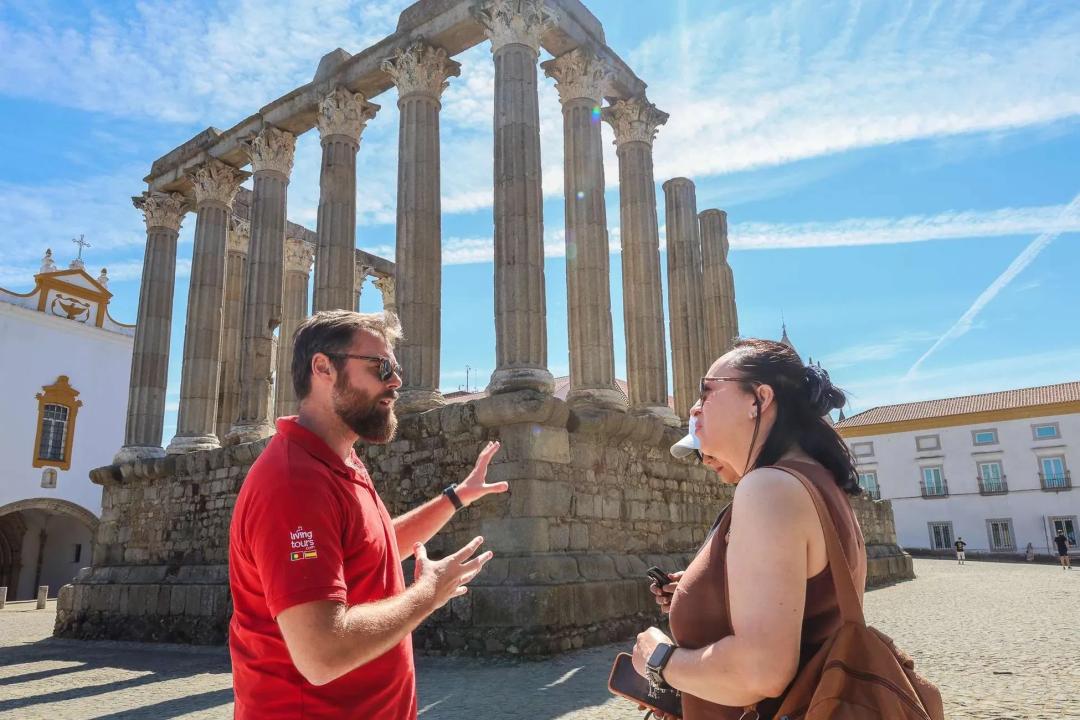
University of Évora
One of Portugal’s oldest universities
Founded in 1559, the University of Évora is one of the country’s oldest, with beautiful cloisters and classrooms decorated with traditional azulejo tiles.
Highlights
✔️ Visit historic cloisters and lecture halls
✔️ Admire tile panels depicting classical subjects
✔️ Blend of Renaissance and Baroque architecture
✔️ Active university with a vibrant atmosphere
✔️ Important educational and cultural landmark
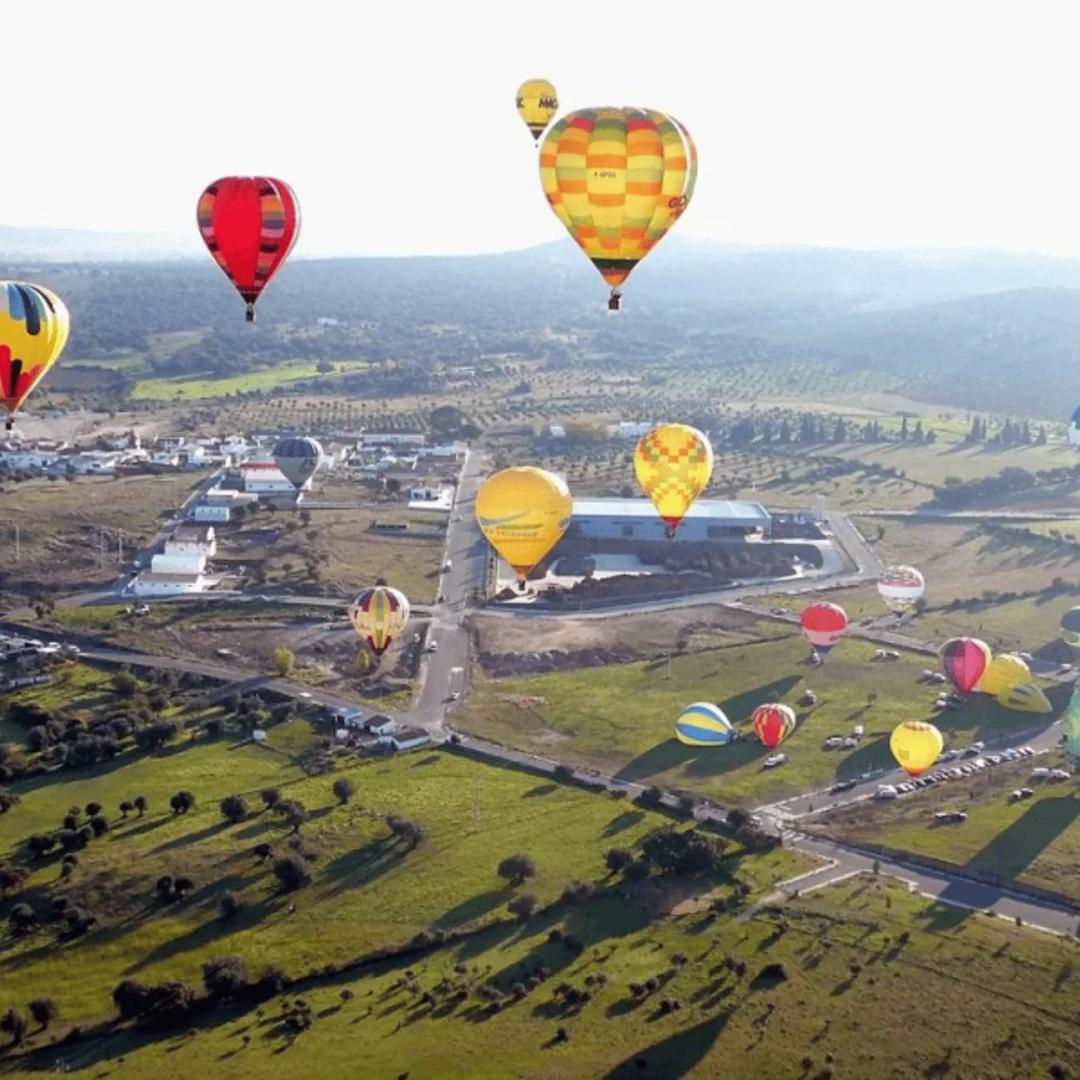
Água de Prata Aqueduct
16th-century aqueduct stretching into town
The Água de Prata Aqueduct, built in the 16th century, brought fresh water into Évora. Parts of it still stand, integrated into the city streets with houses built between its arches.
Highlights
✔️ Walk or ride along aqueduct arches
✔️ Blend of architecture and daily life
✔️ Scenic views outside the city walls
✔️ Example of Renaissance engineering
✔️ UNESCO-protected heritage structure
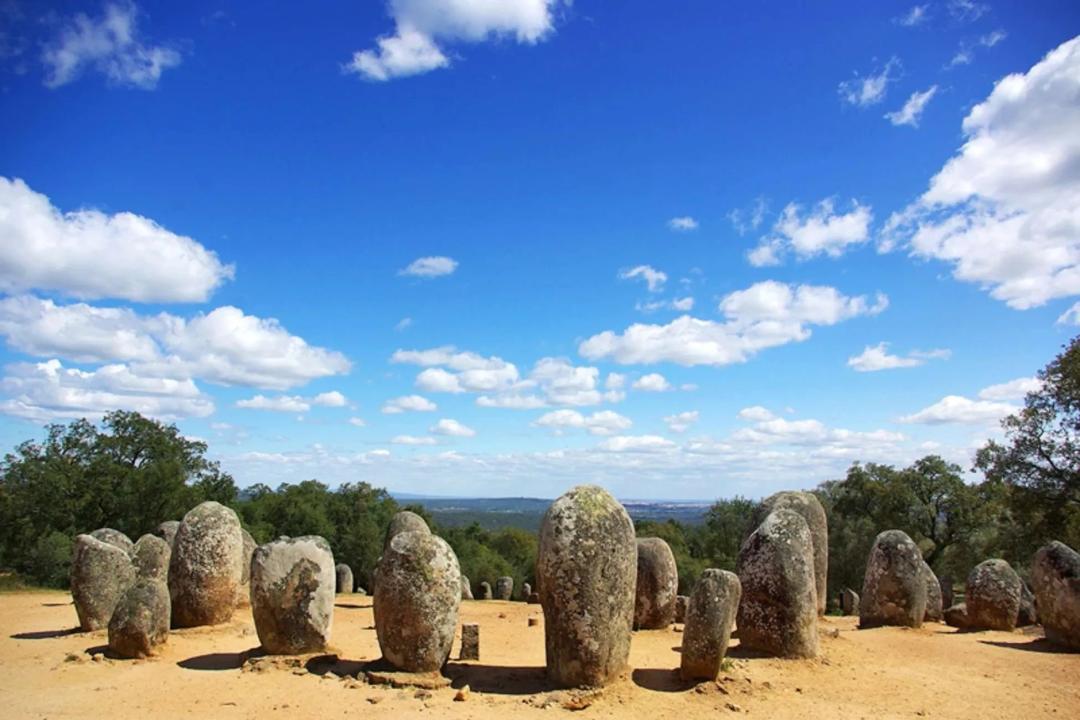
Palácio de Dom Manuel
Renaissance palace in Évora’s gardens
Once part of a royal palace, the Palácio de Dom Manuel is a surviving wing that showcases Renaissance architecture. It sits inside Évora’s Public Garden.
Highlights
✔️ Elegant Renaissance architecture
✔️ Located in the city’s lush public gardens
✔️ Historic site tied to Portugal’s royal past
✔️ Peaceful place for a stroll
✔️ Blend of history and nature
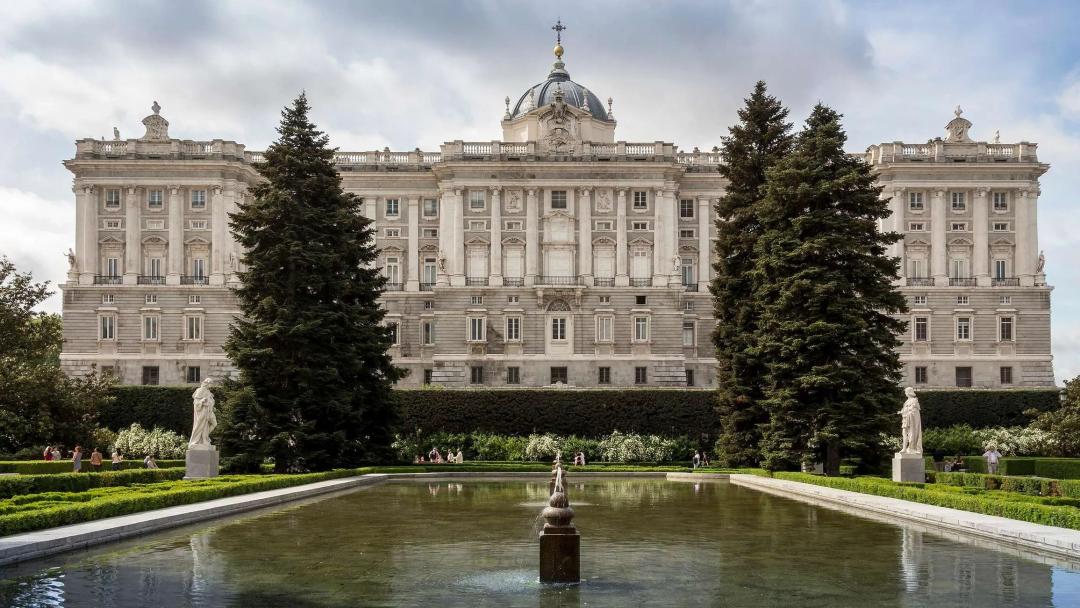
Évora Museum
Art and archaeology of the Alentejo
Housed in a former archbishop’s palace, the Évora Museum displays Roman artifacts, medieval art, and works by Portuguese masters.
Highlights
✔️ Collections spanning Roman to Baroque art
✔️ Archaeological finds from the region
✔️ Located near the Roman Temple
✔️ Cultural insight into Évora’s history
✔️ Great complement to the city’s monuments
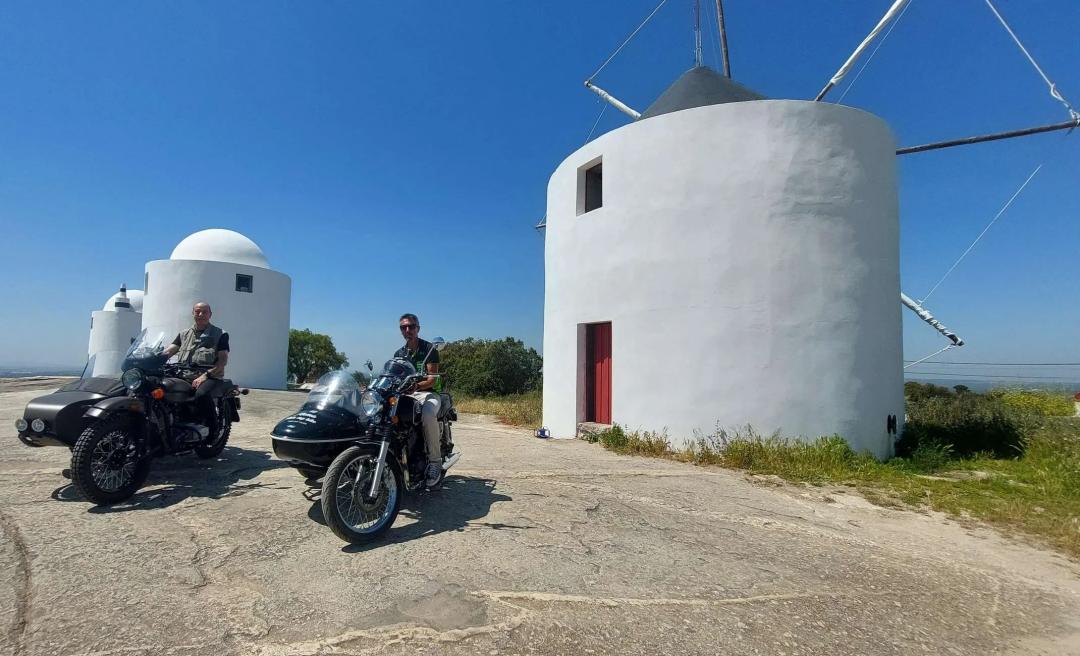
Alentejo Ride from Évora
Cork forests, vineyards, and rolling hills
Évora is the perfect starting point for rides through the Alentejo, a region of wide horizons, cork oak forests, vineyards, and quiet villages. The roads here are open, scenic, and made for riders.
Highlights
✔️ Ride through endless rolling landscapes
✔️ Stop in villages like Monsaraz and Estremoz
✔️ Taste Alentejo wines and local cuisine
✔️ Peaceful, traffic-free roads
✔️ Authentic rural Portugal at its best
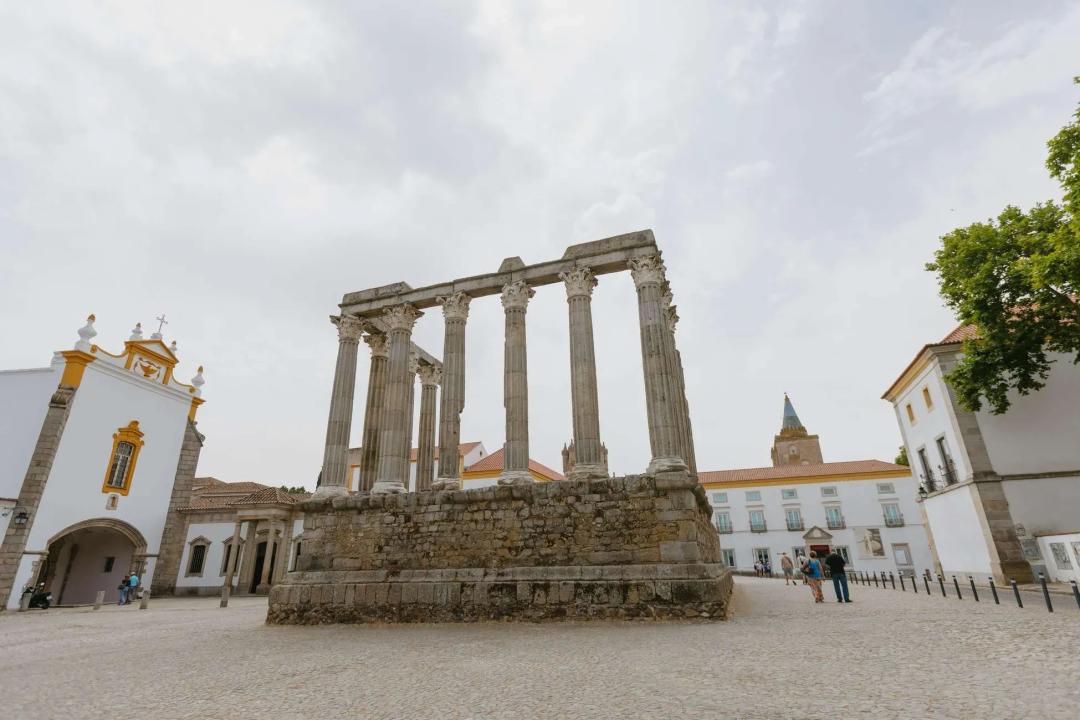
Roman Temple of Évora
Portugal’s best-preserved Roman monument
The Roman Temple of Évora, often called the Temple of Diana, is a striking 1st-century monument located in the city’s historic center. Its Corinthian columns make it one of Portugal’s most iconic landmarks.
Highlights
✔️ Admire well-preserved Roman columns
✔️ Central location in Largo Conde de Vila Flor
✔️ Surrounded by museums and gardens
✔️ UNESCO World Heritage Site
✔️ Icon of Évora’s ancient history
Capela dos Ossos
Haunting chapel decorated with human bones
The Chapel of Bones is Évora’s most famous site, built in the 16th century by Franciscan monks. Its walls and pillars are lined with the bones of thousands, accompanied by the inscription: “We bones that here are, for yours await.”
Highlights
✔️ Unique chapel decorated with human skulls and bones
✔️ Reflective motto reminding of mortality
✔️ Part of the Church of São Francisco
✔️ Both haunting and fascinating cultural site
✔️ One of Portugal’s most unusual attractions

Praça do Giraldo
Lively main square of Évora
Praça do Giraldo is the beating heart of Évora, a lively square surrounded by arcaded buildings, cafés, and shops. It’s the city’s main meeting point.
Highlights
✔️ Central square with fountains and arcades
✔️ Outdoor cafés perfect for people-watching
✔️ Surrounded by historic buildings
✔️ Venue for festivals and events
✔️ Great place to start exploring the city
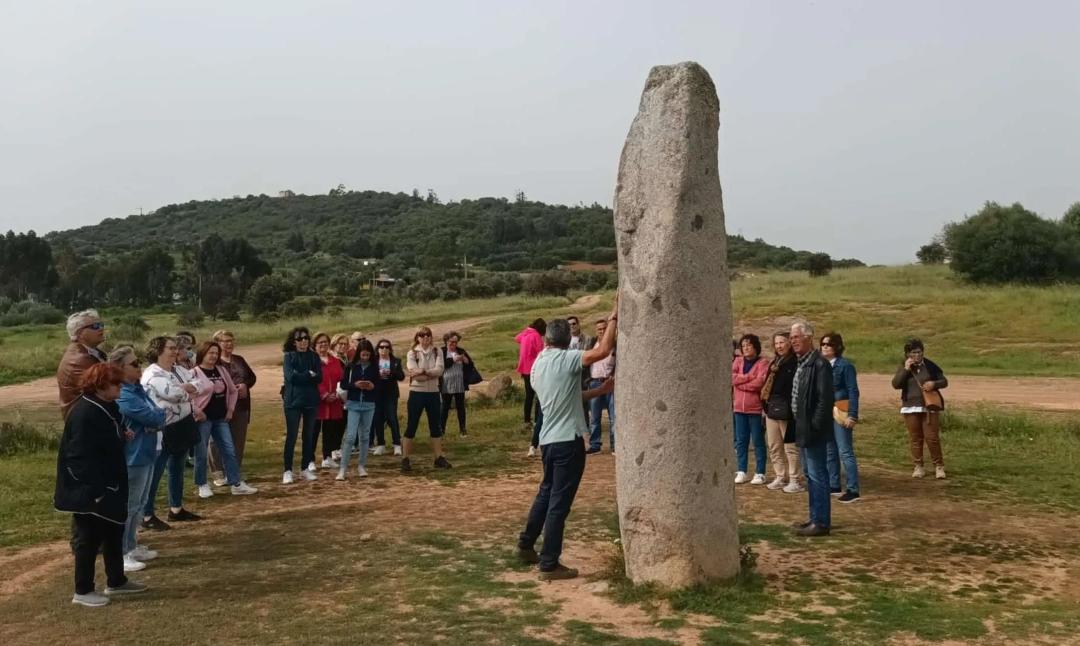
Cromlech of Almendres
Portugal’s Stonehenge
Just outside Évora, the Cromlech of Almendres is a megalithic site with nearly 100 standing stones arranged in circles, dating back over 7,000 years.
Highlights
✔️ One of Europe’s largest megalithic complexes
✔️ Mystical stone circles predating Stonehenge
✔️ Peaceful countryside setting
✔️ Ride through cork oak forests to get there
✔️ Archaeological wonder of the Alentejo
University of Coimbra
One of the oldest universities in Europe
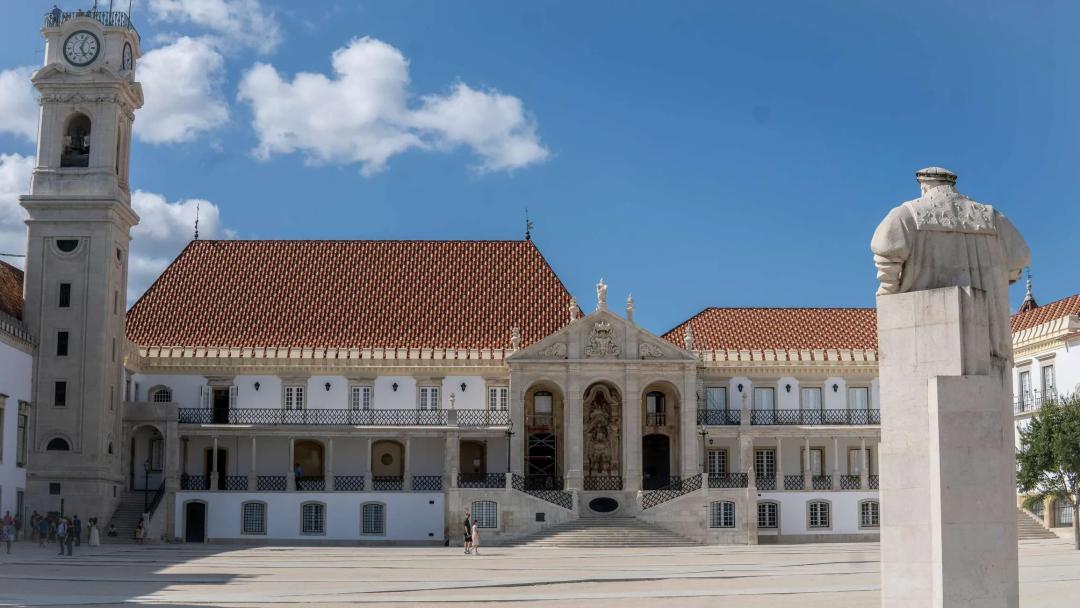
Founded in 1290, the University of Coimbra is one of the oldest in Europe and a UNESCO World Heritage Site. Its hilltop campus dominates the city with historic buildings and student traditions.
Highlights
✔️ Visit the stunning Joanina Library
✔️ Explore the Royal Palace of Alcáçova
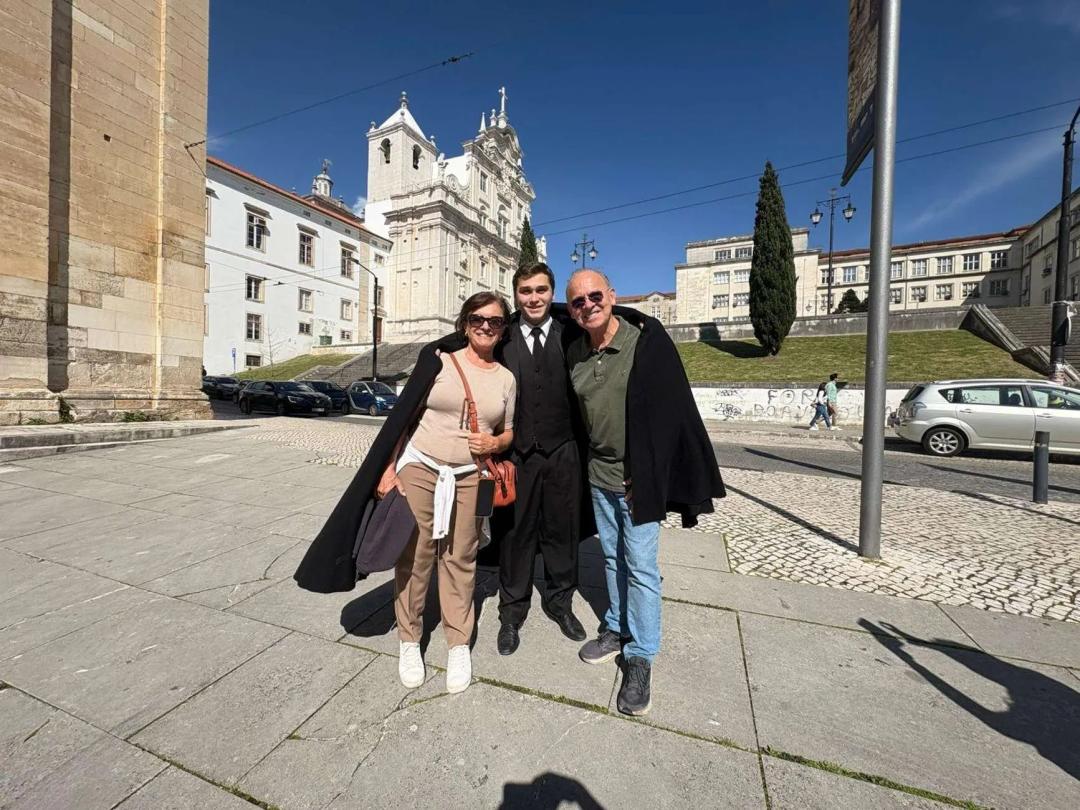
✔️ See academic traditions like student capes
✔️ Panoramic views of Coimbra from the campus
✔️ UNESCO World Heritage Site
Biblioteca Joanina
Baroque library masterpiece
Part of the university, the Joanina Library is a Baroque treasure built in the 18th century. Its gilded wood, painted ceilings, and thousands of ancient books make it one of the world’s most beautiful libraries.
Highlights
✔️ Admire lavish Baroque interiors
✔️ Over 200,000 rare volumes from the 16th–18th centuries
✔️ Wooden bookshelves with gold detailing
✔️ Bats used to protect books from insects!
✔️ One of Portugal’s most visited cultural sites
Sé Velha
Romanesque cathedral of Coimbra
The Sé Velha, or Old Cathedral, is a fortress-like Romanesque church dating to the 12th century. It’s one of Portugal’s best-preserved Romanesque buildings.
Highlights
✔️ Imposing Romanesque façade
✔️ Peaceful cloisters with Gothic arches
✔️ Important role in medieval Coimbra
✔️ Contrast with the later “New Cathedral” nearby
✔️ Historic landmark of the old town
Monastery of Santa Cruz
Royal pantheon of Portugal’s first kings
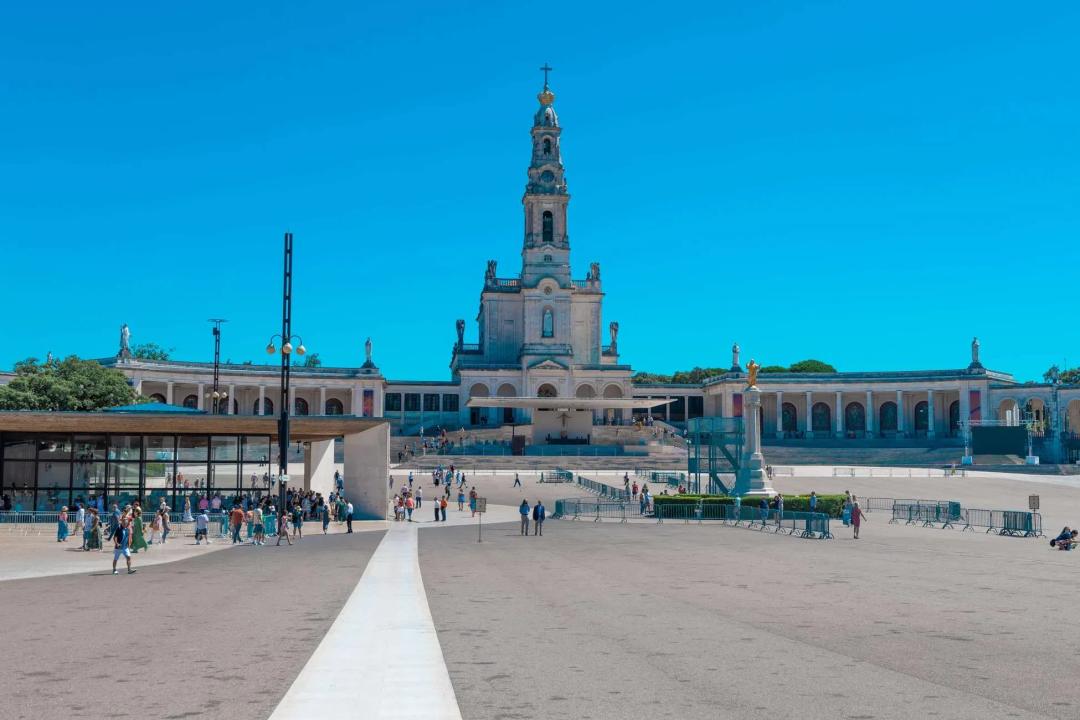
This 12th-century monastery is where Portugal’s first two kings, Afonso Henriques and Sancho I, are buried. Its Manueline architecture and azulejo tiles make it a highlight of Coimbra.
Highlights
✔️ Tombs of Portugal’s first monarchs
✔️ Manueline-style cloisters and chapels
✔️ Azulejo tile panels throughout
✔️ Located in Praça 8 de Maio
✔️ Key part of Portugal’s early history
Santa Clara-a-Velha
Ruins of a Gothic riverside monastery
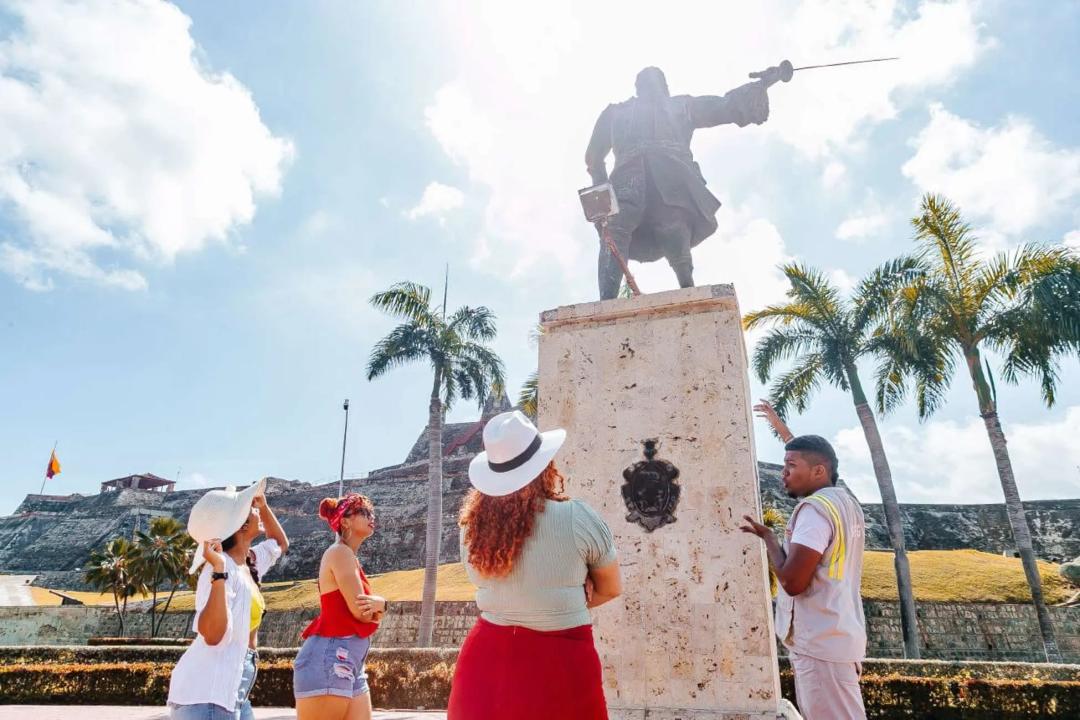
This 14th-century monastery was repeatedly flooded by the Mondego River, leading to its abandonment. The restored ruins now tell the story of medieval Coimbra.
Highlights
✔️ Explore atmospheric Gothic ruins
✔️ Modern interpretation center nearby
✔️ Learn about floods and medieval life
✔️ Scenic riverside location
✔️ Blend of history and mystery
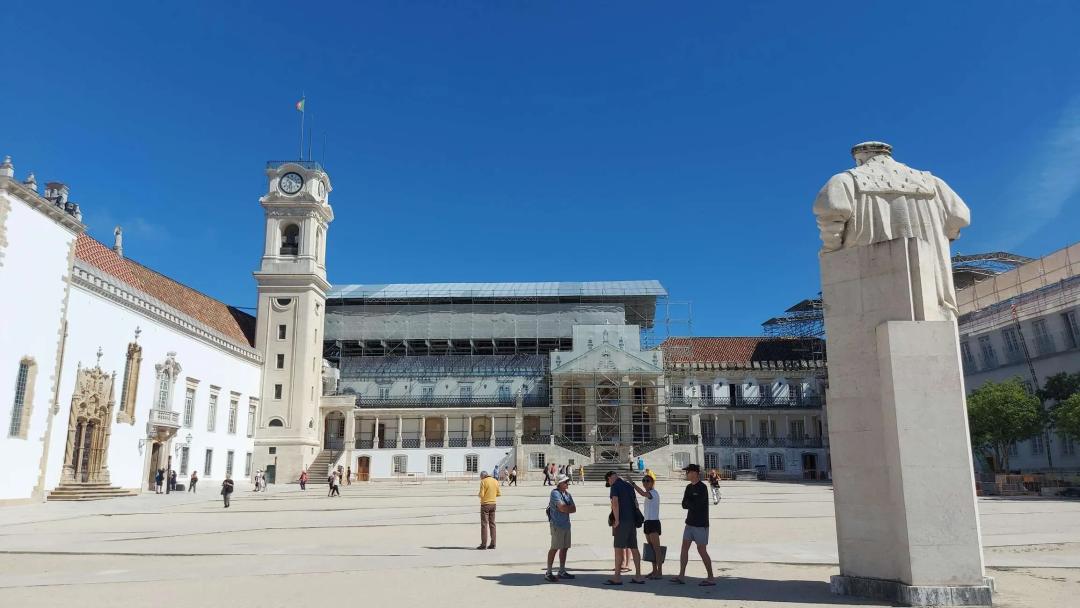
Museu Nacional de Machado de Castro
Art and archaeology in a former palace
This museum, housed in the former bishop’s palace, displays religious art, sculptures, and the Roman cryptoporticus beneath the building.
Highlights
✔️ Roman underground galleries (cryptoporticus)
✔️ Gothic and Renaissance sculptures
✔️ Paintings and decorative arts
✔️ Overlooks Coimbra’s old town
✔️ One of Portugal’s top national museums
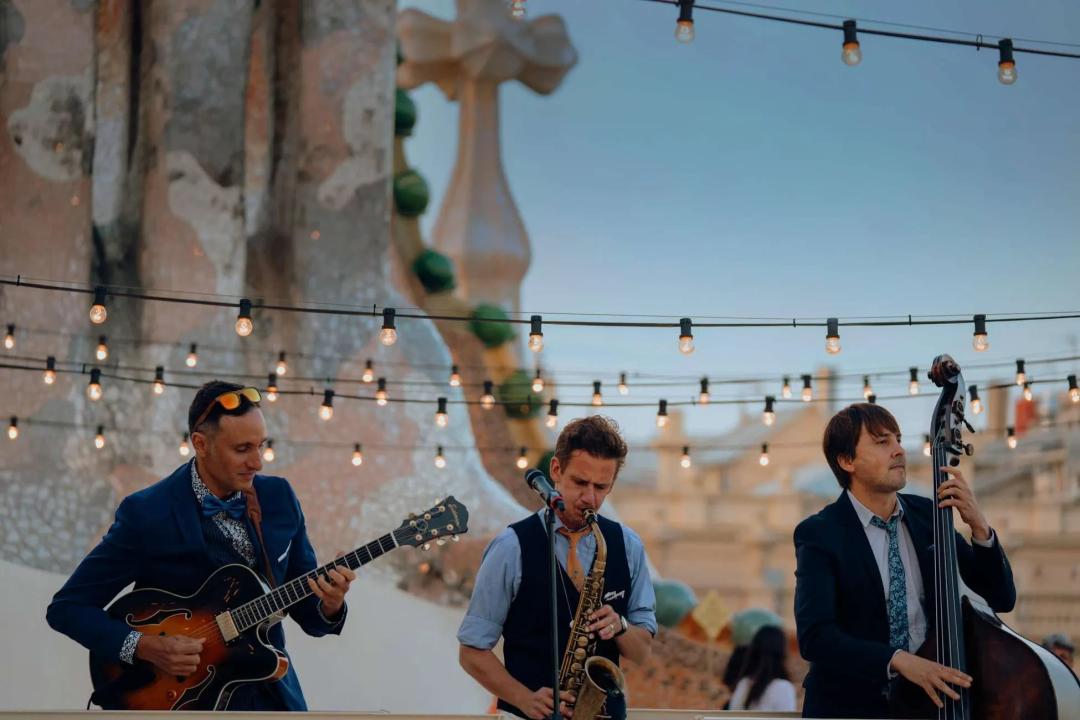
Fado de Coimbra
Unique student-style fado music
Unlike Lisbon’s fado, Coimbra’s version is sung exclusively by male students, traditionally dressed in black academic capes. Performances are intimate and deeply moving.
Highlights
✔️ Hear Coimbra’s unique fado style
✔️ Sung by students or alumni of the university
✔️ Performances in small venues or patios
✔️ Deeply tied to Coimbra’s academic traditions
✔️ Cultural highlight of the city
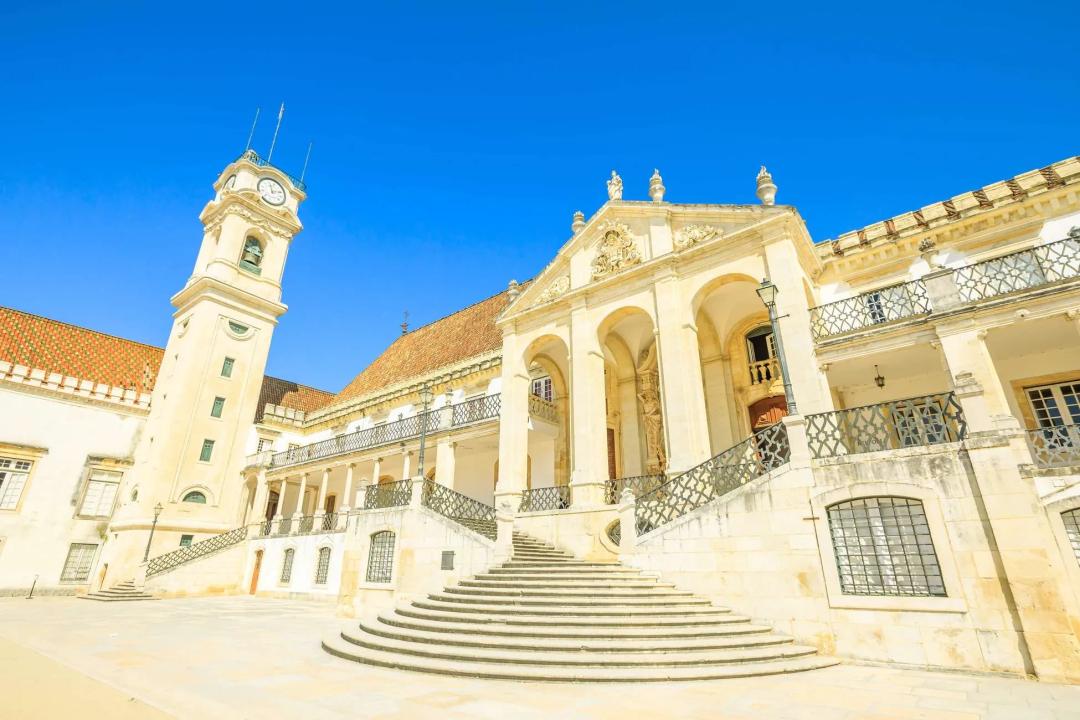
Serra da Lousã Ride
Mountain roads and schist villages
From Coimbra, riders can escape into the Serra da Lousã, a mountain range full of twisty roads, forests, and traditional “schist villages” built from stone.
Highlights
✔️ Ride curvy mountain roads through scenic valleys
✔️ Visit schist villages like Talasnal and Cerdeira
✔️ Spot deer and wild boar in the forests
✔️ Panoramic viewpoints over central Portugal
✔️ Perfect biker day trip from Coimbra
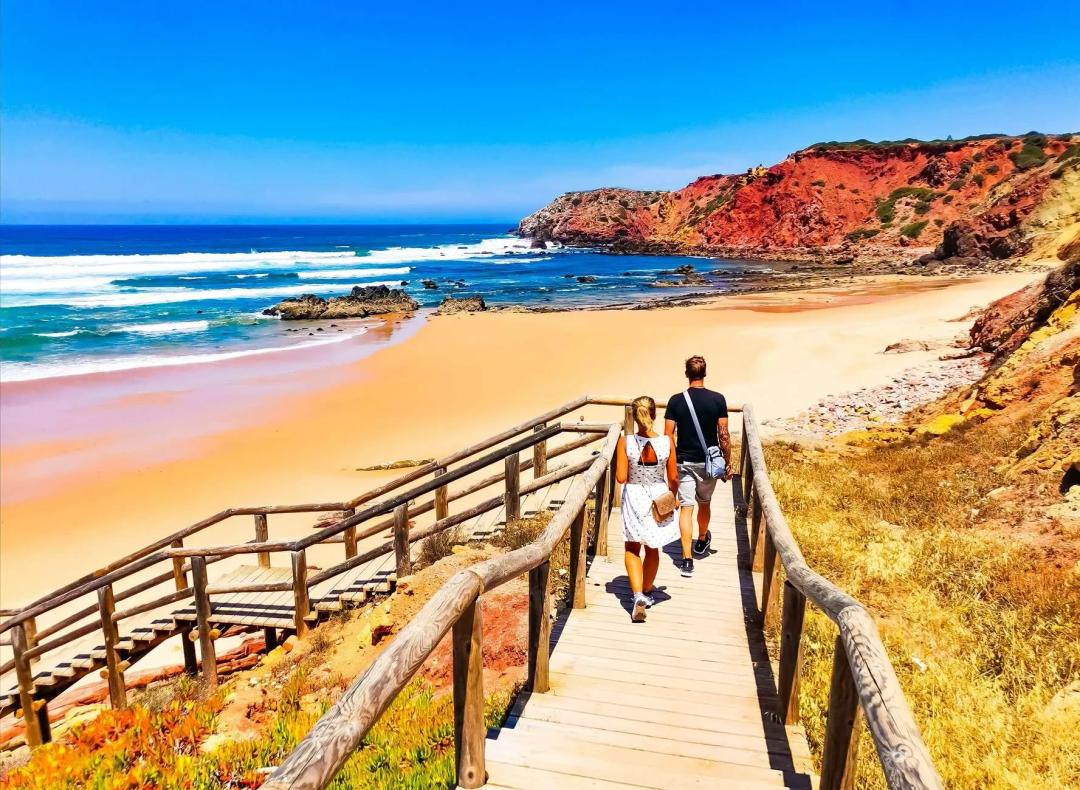
Sé Nova
Jesuit-built 16th-century cathedral
The Sé Nova, or New Cathedral, was built by Jesuits in the 16th century and later became Coimbra’s main cathedral. It combines Renaissance, Mannerist, and Baroque styles.
Highlights
✔️ Ornate Baroque altarpieces
✔️ Blend of architectural styles
✔️ Located near the university
✔️ Richly decorated interiors
✔️ Important religious site of Coimbra
Portugal dos Pequenitos
Miniature Portugal theme park
Portugal dos Pequenitos is a theme park with miniature versions of Portuguese monuments, villages, and colonial architecture. Built in the 20th century, it’s fun and educational.
Highlights
✔️ Miniature monuments of Portugal
✔️ Focus on Portuguese discoveries and colonies
✔️ Popular with families and children
✔️ Unique cultural attraction
✔️ Located near the river
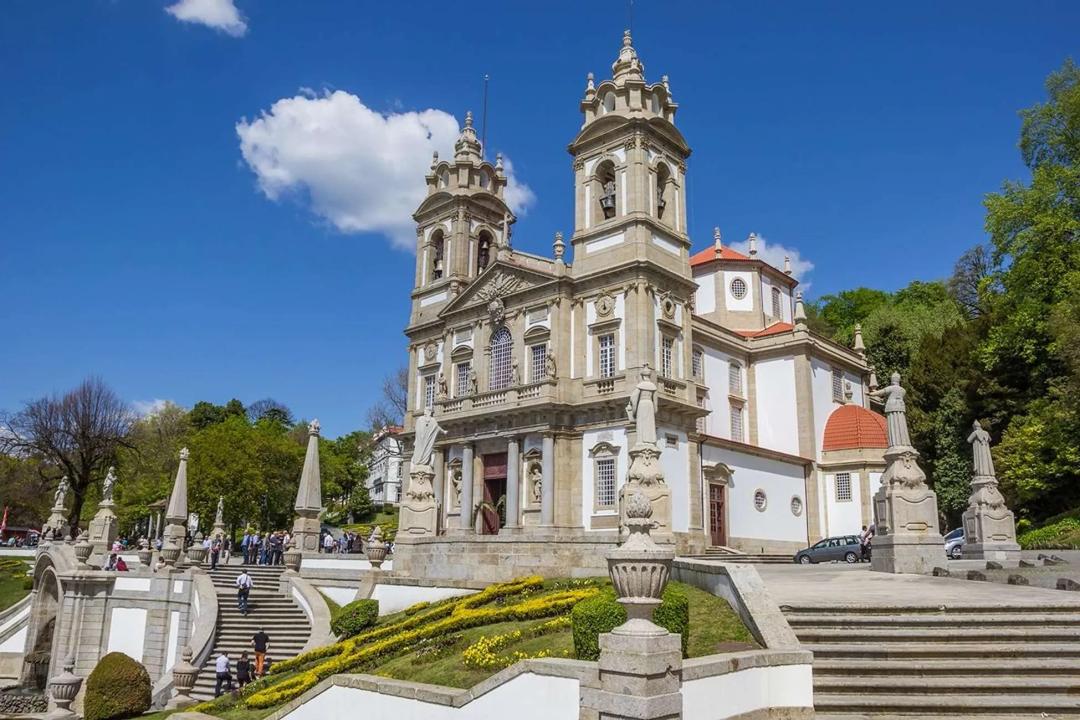
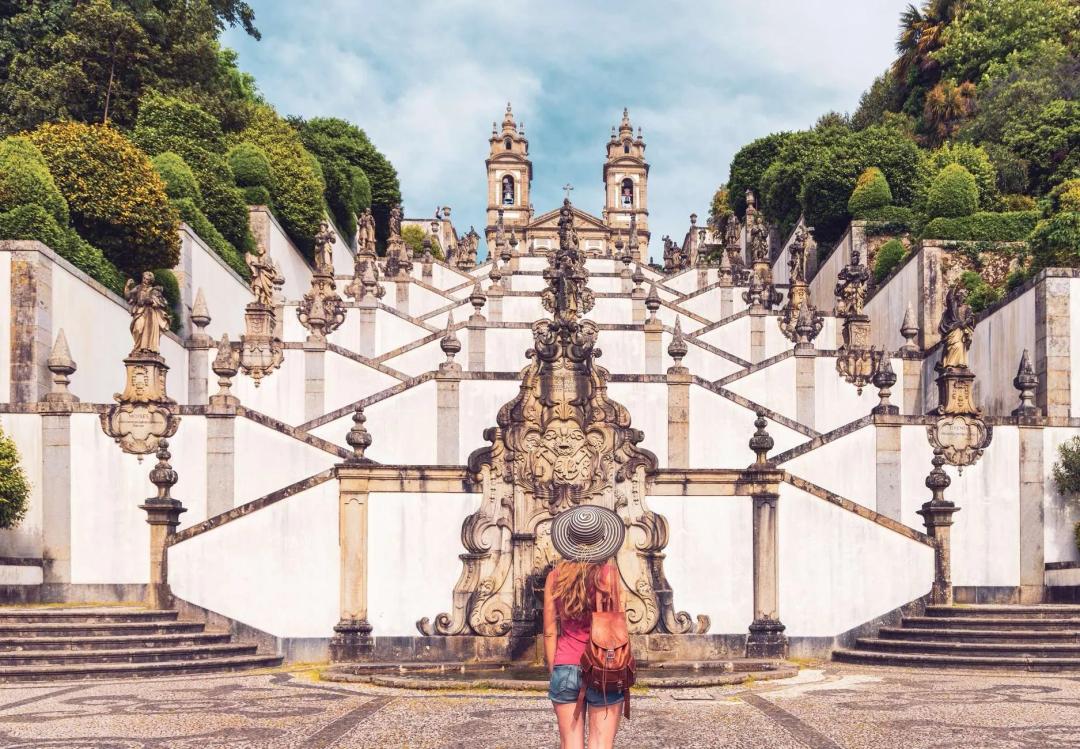
Bom Jesus do Monte
Baroque sanctuary with monumental staircase
Bom Jesus do Monte is Braga’s most iconic landmark, a sanctuary reached by a monumental baroque staircase that climbs through chapels and fountains to the church at the top.
Highlights
✔️ Climb or ride up the zigzagging staircase
✔️ Panoramic views over Braga from the summit
✔️ Baroque fountains and symbolic chapels along the way
✔️ UNESCO World Heritage Site
✔️ Scenic road leading up to the sanctuary
Sé de Braga
Portugal’s oldest cathedral
Founded in the 11th century, Braga Cathedral is the oldest in Portugal. Its mix of Romanesque, Gothic, and Baroque styles reflects centuries of history.
Highlights
✔️ Visit the ornate chapels and cloisters
✔️ See tombs of archbishops and royalty
✔️ Blend of architectural styles across centuries
✔️ Symbol of Braga’s spiritual importance
✔️ Central landmark in the old town
Braga Old Town
Historic center full of charm
Braga’s old town is a lively mix of narrow streets, elegant squares, and historic churches. Its pedestrian areas are perfect for exploring on foot.
Highlights
✔️ Praça da República, the city’s main square
✔️ 18th-century arcades and fountains
✔️ Bustling cafés, shops, and restaurants
✔️ Blend of historic charm and student energy
✔️ Perfect place to experience Braga’s atmosphere
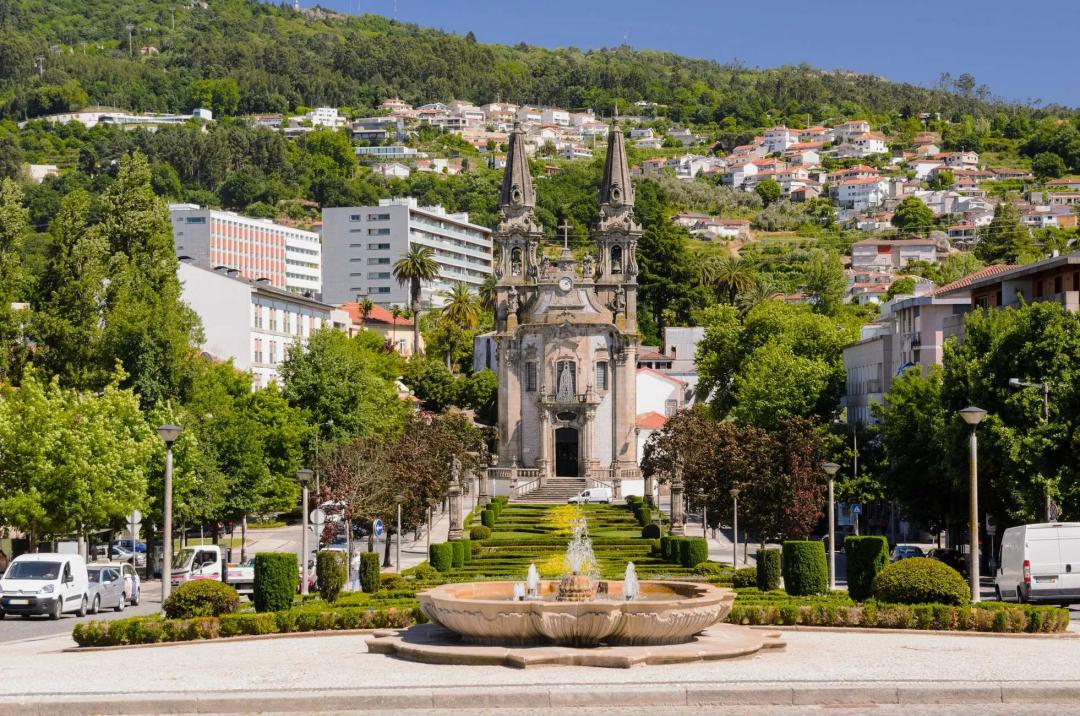
Palácio do Raio
Blue-tiled baroque palace
This striking 18th-century palace is famous for its ornate blue azulejo tiles and baroque architecture. Today it houses a museum about Braga’s history.
Highlights
✔️ Ornate blue-and-white tiled façade
✔️ Exhibits on Braga’s cultural and religious heritage
✔️ Example of Portuguese baroque architecture
✔️ Located in central Braga
✔️ Beautifully restored interiors
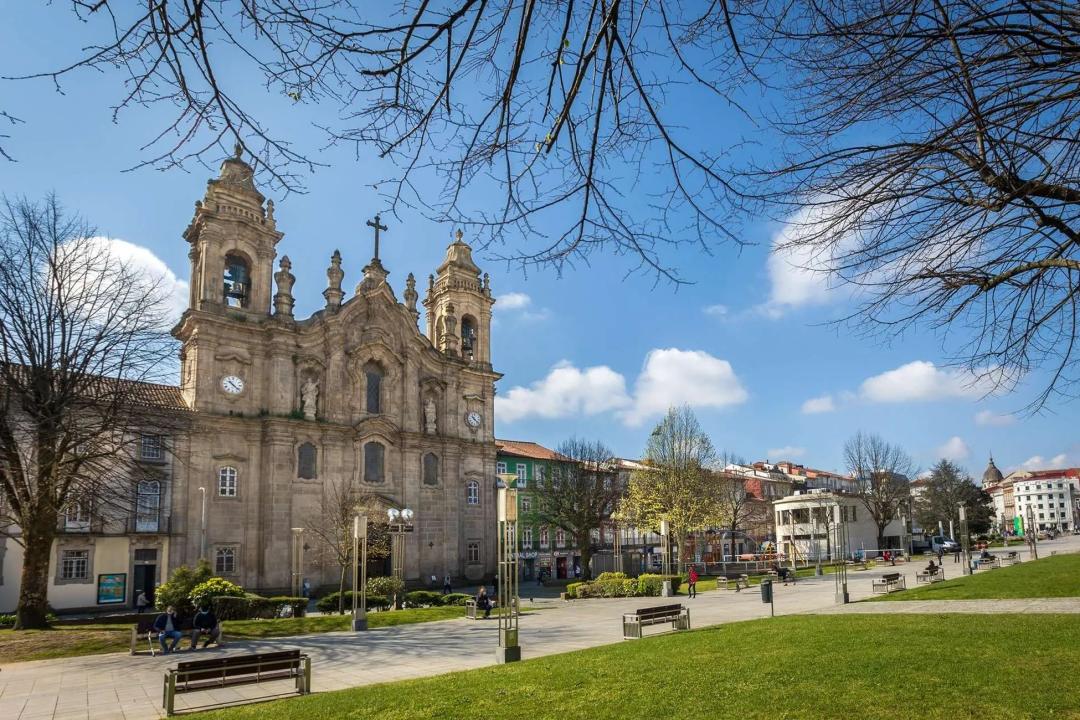
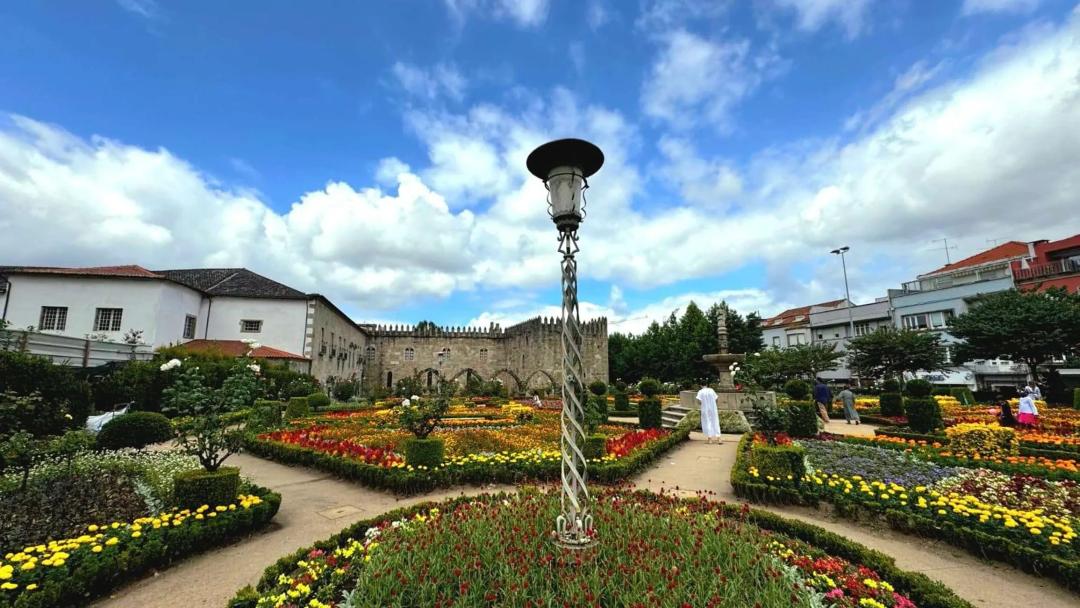
Jardim de Santa Bárbara
Picturesque garden in the old town
Next to the medieval Archbishop’s Palace, this garden is one of Braga’s most photogenic spots, full of flowers and geometric layouts.
Highlights
✔️ Colorful flowerbeds and manicured gardens
✔️ Backdrop of medieval ruins
✔️ Central location near Braga Cathedral
✔️ Peaceful escape in the city
✔️ Great photo spot in spring and summer
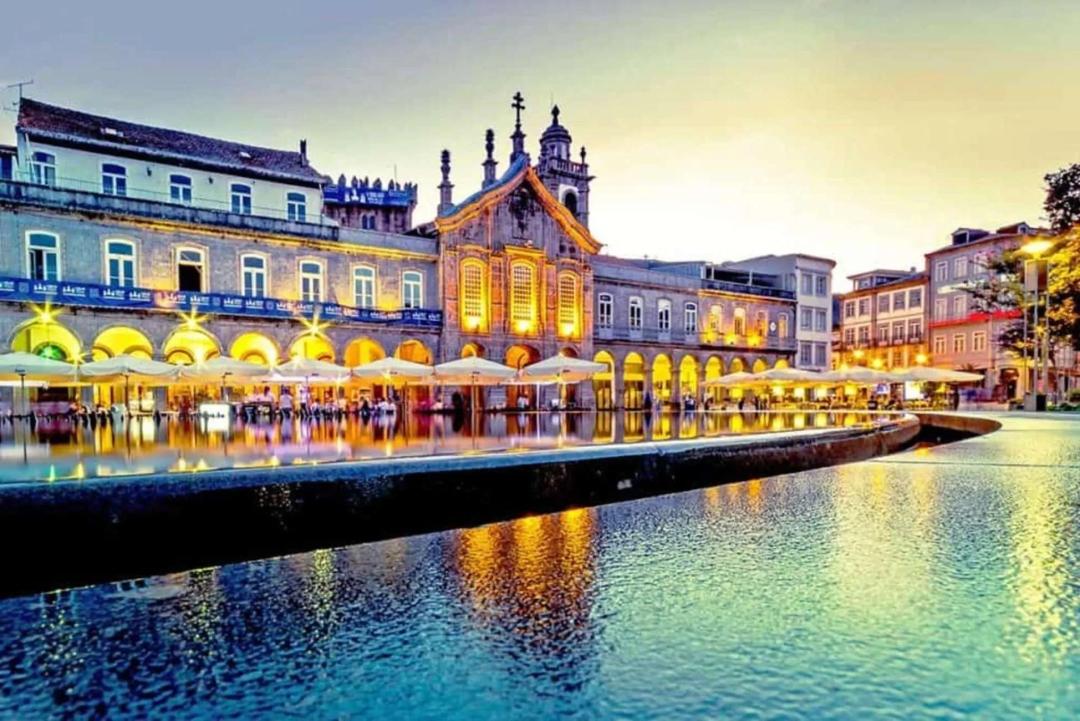
Arco da Porta Nova
Triumphal arch of Braga
Built in the 18th century, this triumphal arch is the most famous gateway into Braga’s historic center. It has become a symbol of the city.
Highlights
✔️ Iconic stone archway marking the old city entrance
✔️ Blend of baroque and neoclassical styles
✔️ Central location leading into pedestrian streets
✔️ Popular photo spot for visitors
✔️ Historic symbol of Braga
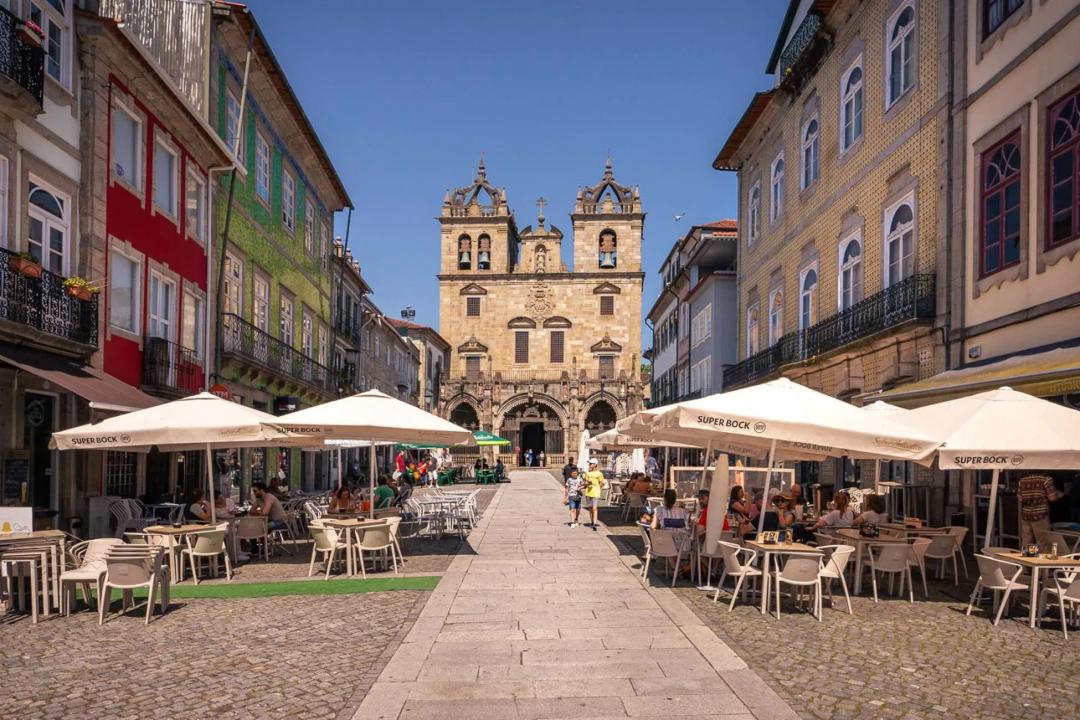
Estádio Municipal de Braga
Unique stadium carved into a quarry
Designed by architect Eduardo Souto de Moura, this modern stadium is carved into the side of an old quarry, making it one of the most unique football stadiums in the world.
Highlights
✔️ Striking architecture integrated into nature
✔️ Built for UEFA Euro 2004
✔️ Home of SC Braga football club
✔️ Award-winning modern design
✔️ Icon of contemporary Braga
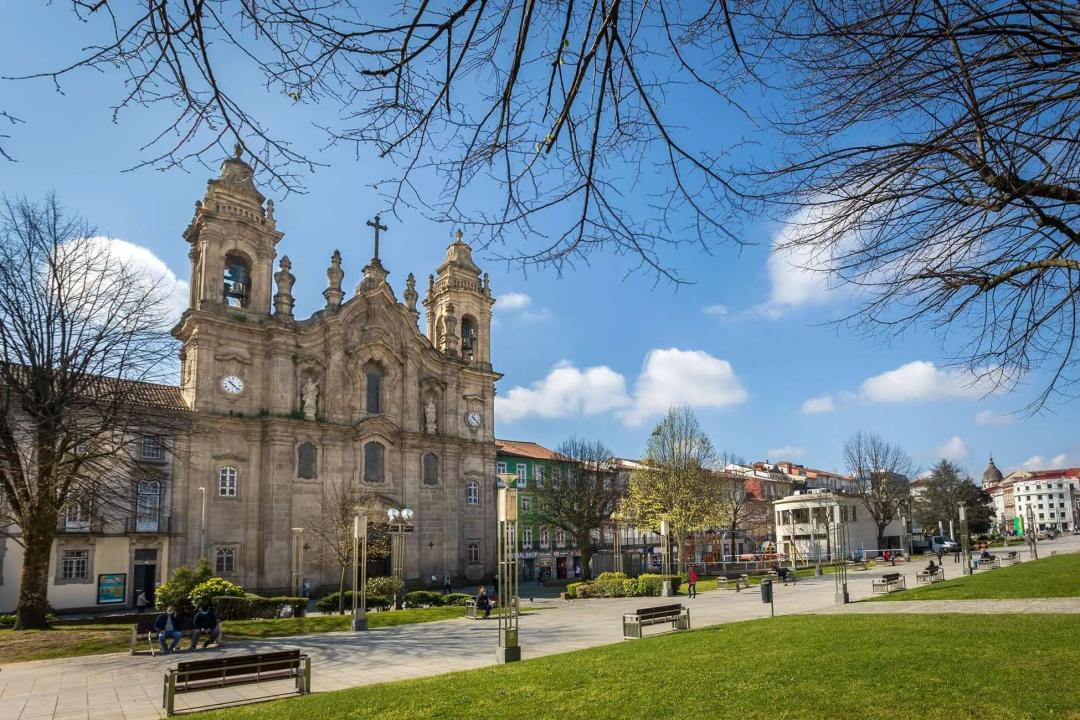
Minho Valley Ride
Vineyards, rivers, and scenic villages
From Braga, riders can explore the Minho Valley, famous for its green landscapes, vinho verde vineyards, and charming towns like Guimarães and Ponte de Lima.
Highlights
✔️ Ride through rolling vineyard landscapes
✔️ Stop in Guimarães, birthplace of Portugal
✔️ Visit Ponte de Lima, Portugal’s oldest town
✔️ Taste vinho verde wine along the route
✔️ Relaxing and scenic northern Portugal ride
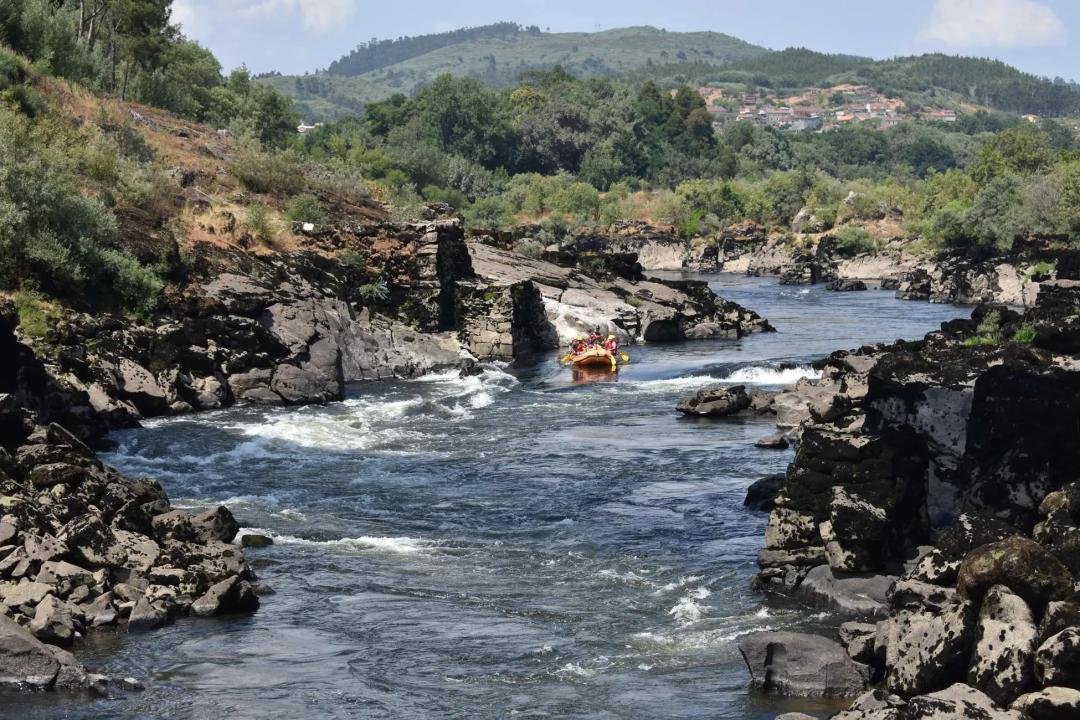
Sameiro Sanctuary
Hilltop Marian sanctuary
Located just outside Braga, the Sanctuary of Our Lady of Sameiro is a major Marian pilgrimage site with panoramic views. It’s one of the most important sanctuaries in Portugal.
Highlights
✔️ Imposing basilica on a hilltop
✔️ Panoramic views of Minho valleys
✔️ Peaceful gardens and esplanade
✔️ Important Marian pilgrimage site
✔️ Scenic ride to the sanctuary
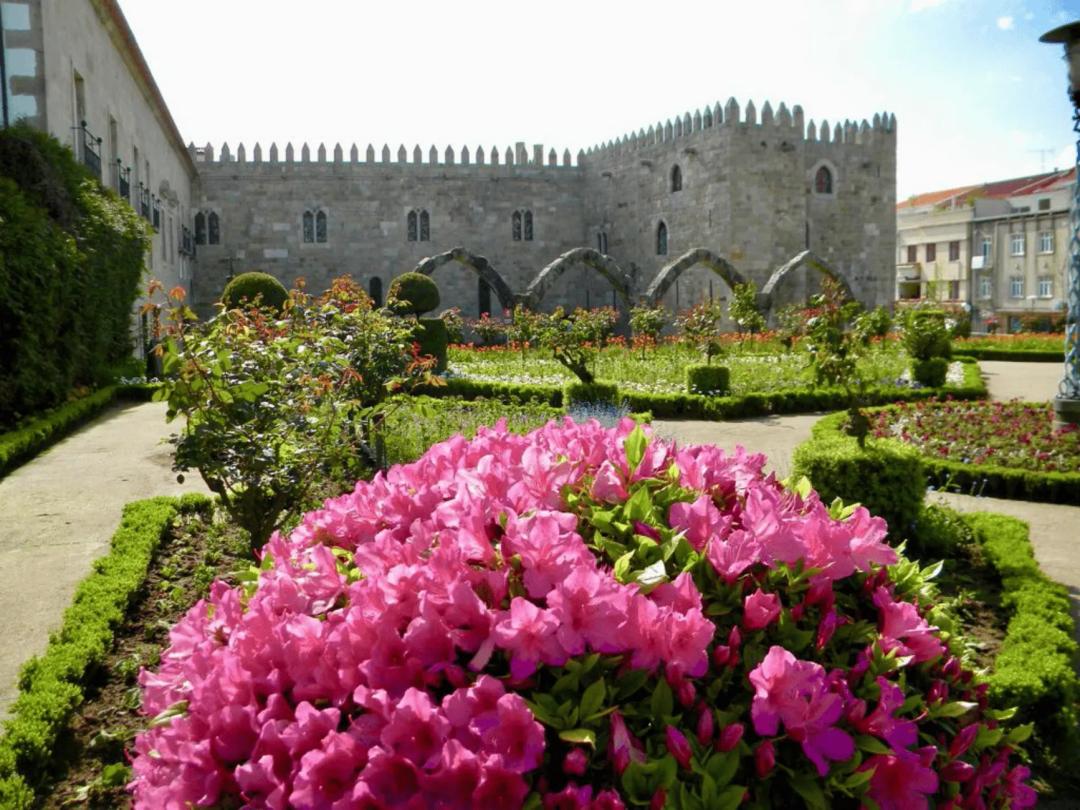
Museu dos Biscainhos
Palace museum of aristocratic life
Housed in an 18th-century palace, the Biscainhos Museum showcases the lifestyle of Braga’s aristocracy, with period furniture, gardens, and decorative arts.
Highlights
✔️ Elegant palace interiors with period décor
✔️ Collections of ceramics, furniture, and paintings
✔️ Beautiful baroque gardens
✔️ Insight into Braga’s noble history
✔️ Cultural stop near the old town
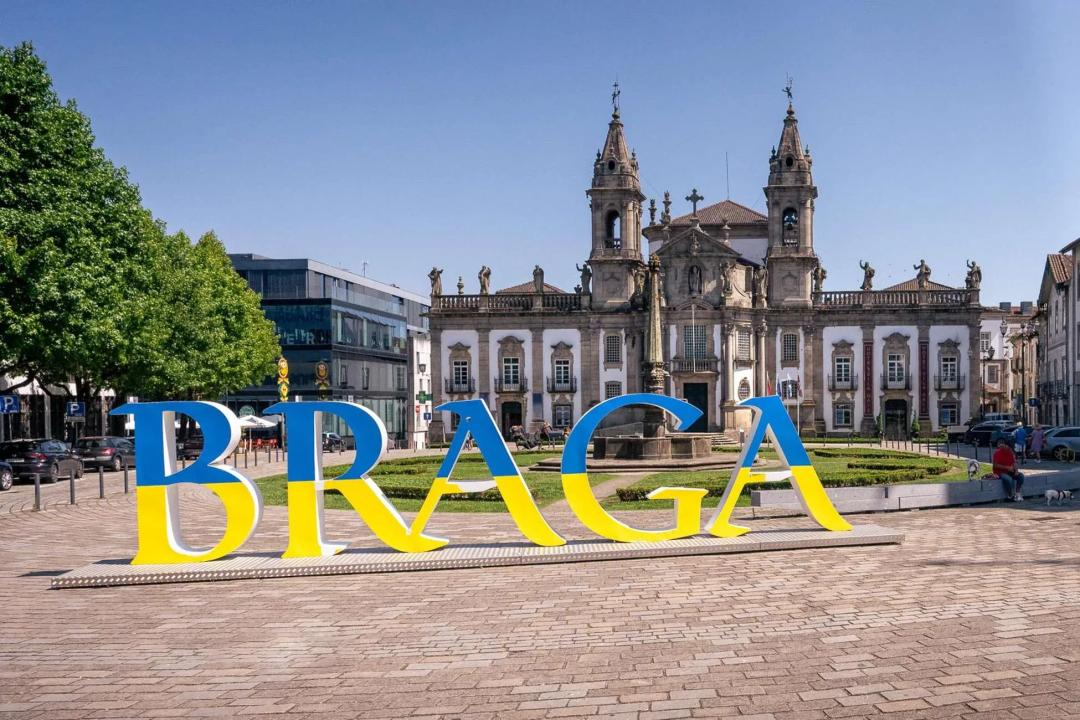
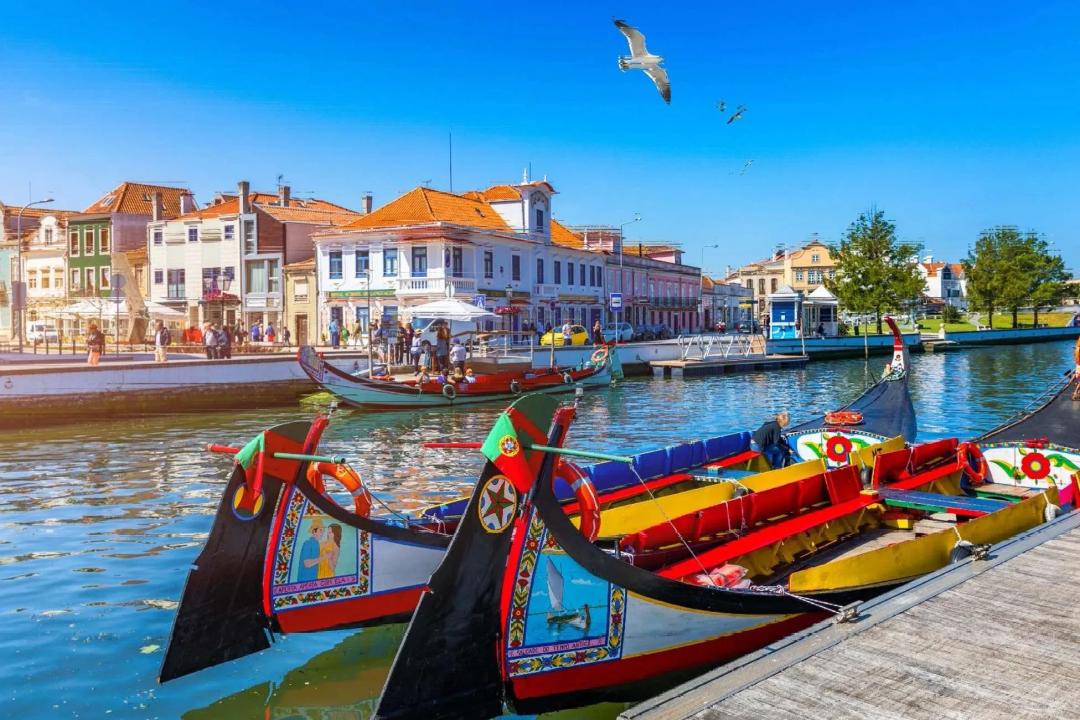
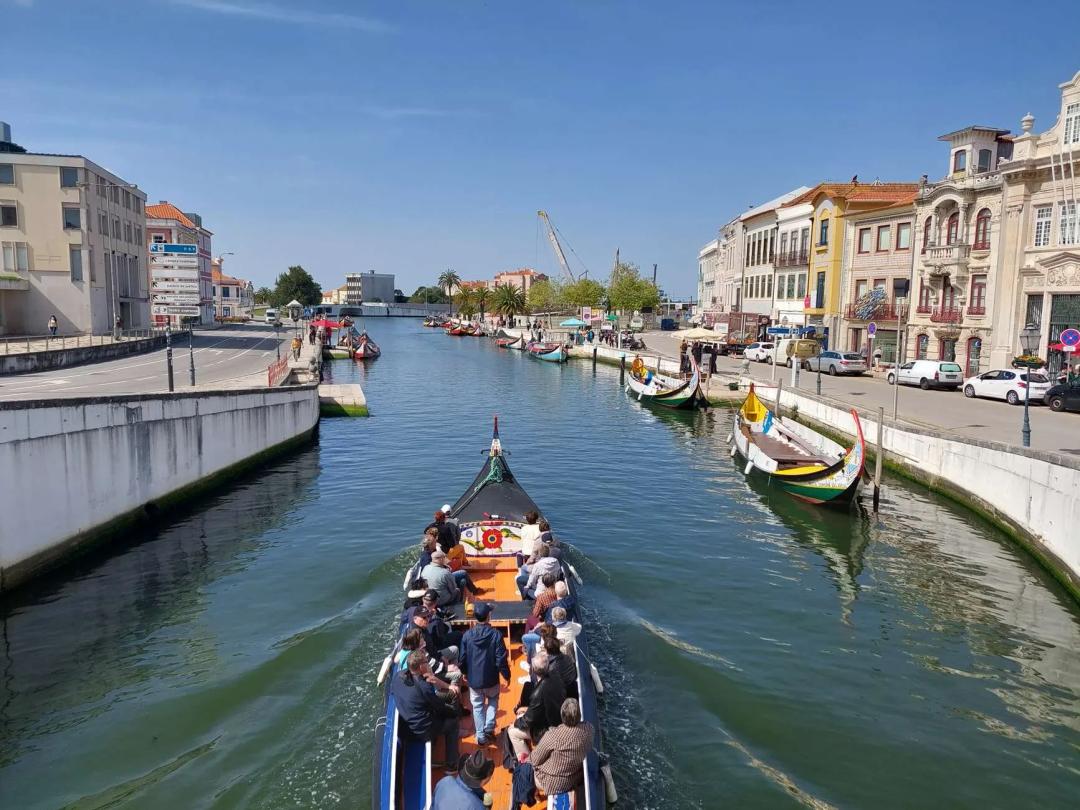
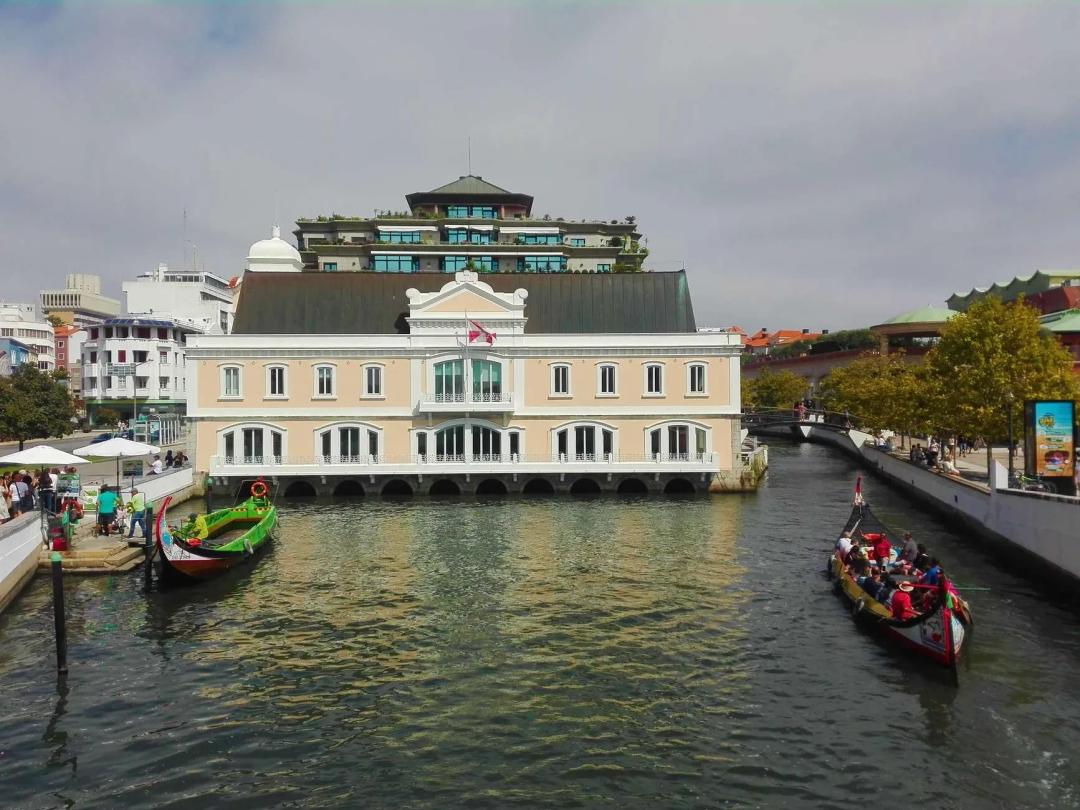
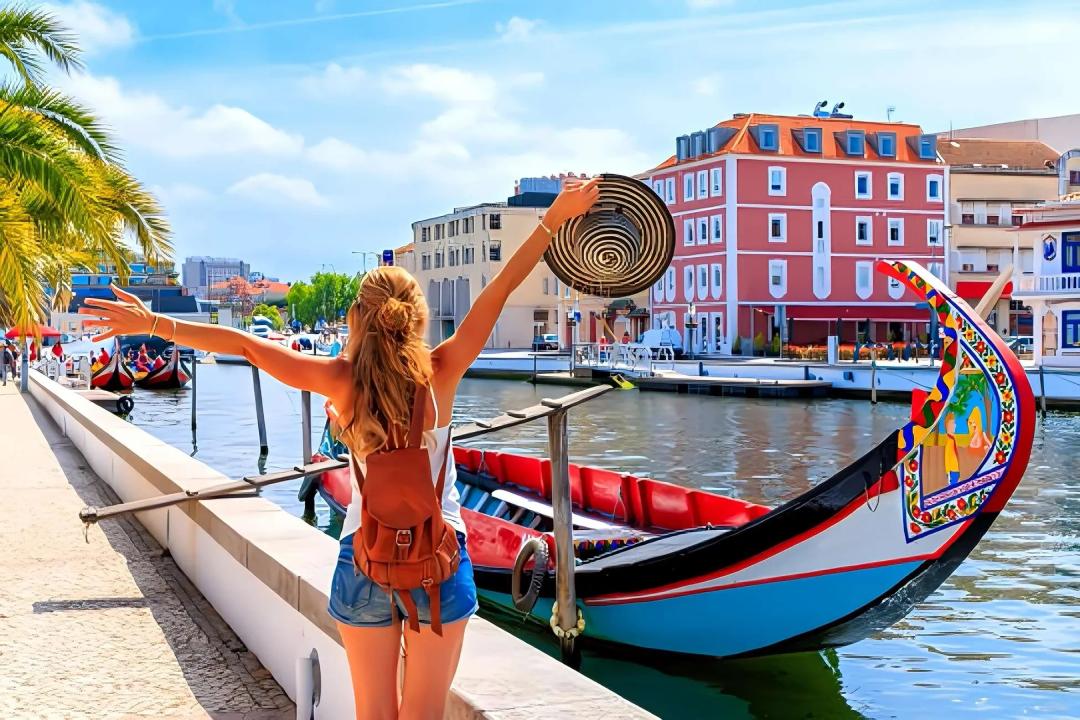
Aveiro Canals
Venice of Portugal
Aveiro’s canals are its defining feature, crossed by colorful moliceiro boats once used for seaweed harvesting. Today, boat rides showcase the city’s art nouveau façades and vibrant atmosphere.
Highlights
✔️ Cruise canals on traditional moliceiro boats
✔️ Learn about Aveiro’s maritime history
✔️ See colorful street art and tiled houses
✔️ Iconic experience in the city center
✔️ Great for photography and first-time visitors
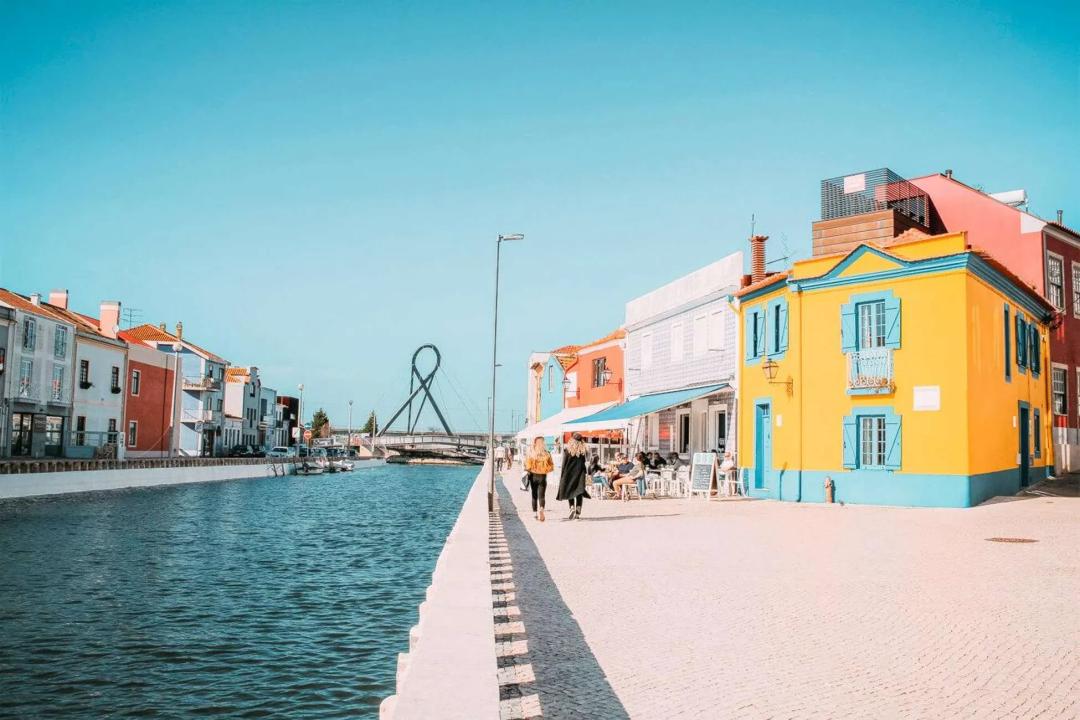
Aveiro Art Nouveau
Elegant early 20th-century façades
Aveiro has one of Portugal’s richest collections of art nouveau architecture. The Casa Major Pessoa and the Art Nouveau Museum highlight this elegant style.
Highlights
✔️ Stroll along Rua João Mendonça to spot façades
✔️ Visit the Art Nouveau Museum
✔️ See stained glass, tiles, and ornate balconies
✔️ Photogenic architectural details
✔️ Cultural treasure of the city
Praça do Peixe
Market square turned nightlife hub
Praça do Peixe is Aveiro’s lively fish market by day and one of its main nightlife areas by night. Surrounded by bars and restaurants, it’s a local favorite.
Highlights
✔️ Traditional fish market in the morning
✔️ Buzzing nightlife scene after dark
✔️ Lively terraces and tapas bars
✔️ Central meeting point in Aveiro
✔️ Great place to try local seafood
Ovos Moles
Aveiro’s sweet specialty
Ovos Moles, meaning “soft eggs,” is Aveiro’s signature pastry. Made of egg yolk and sugar in a thin wafer shell, it’s a sweet symbol of the city.
Highlights
✔️ Taste Aveiro’s most famous dessert
✔️ Often shaped like seashells or barrels
✔️ Buy from traditional patisseries
✔️ Local delicacy with convent origins
✔️ Sweet souvenir to take home
Praia da Barra
Beach with Portugal’s tallest lighthouse
Praia da Barra is a long Atlantic beach, home to Portugal’s tallest lighthouse, the Farol da Barra. It’s a popular spot for surfers and beachgoers.
Highlights
✔️ Wide sandy beach with Atlantic waves
✔️ Climb the Farol da Barra lighthouse
✔️ Surfing and water sports available
✔️ Beach cafés and relaxed vibe
✔️ Scenic coastal ride from Aveiro
Salt Pans of Aveiro
Traditional sea salt production
The Troncalhada salt pans are an open-air museum showcasing Aveiro’s traditional sea salt production. Salt has been part of the city’s economy for centuries.
Highlights
✔️ Learn about traditional salt harvesting
✔️ Walk wooden paths between salt pans
✔️ See salt pyramids drying in the sun
✔️ Free outdoor cultural site
✔️ Unique part of Aveiro’s heritage
Silver Coast Ride
Scenic coastal route north and south of Aveiro
Aveiro is a perfect base for rides along the Silver Coast, a stretch of Atlantic shoreline known for its dunes, beaches, and fishing villages.
Highlights
✔️ Ride coastal roads with ocean views
✔️ Stop at towns like Figueira da Foz and Nazaré
✔️ Wide beaches and dramatic cliffs
✔️ Traditional seafood restaurants en route
✔️ Epic motorcycle ride in central Portugal
Aveiro Museum
Art and history in a convent setting
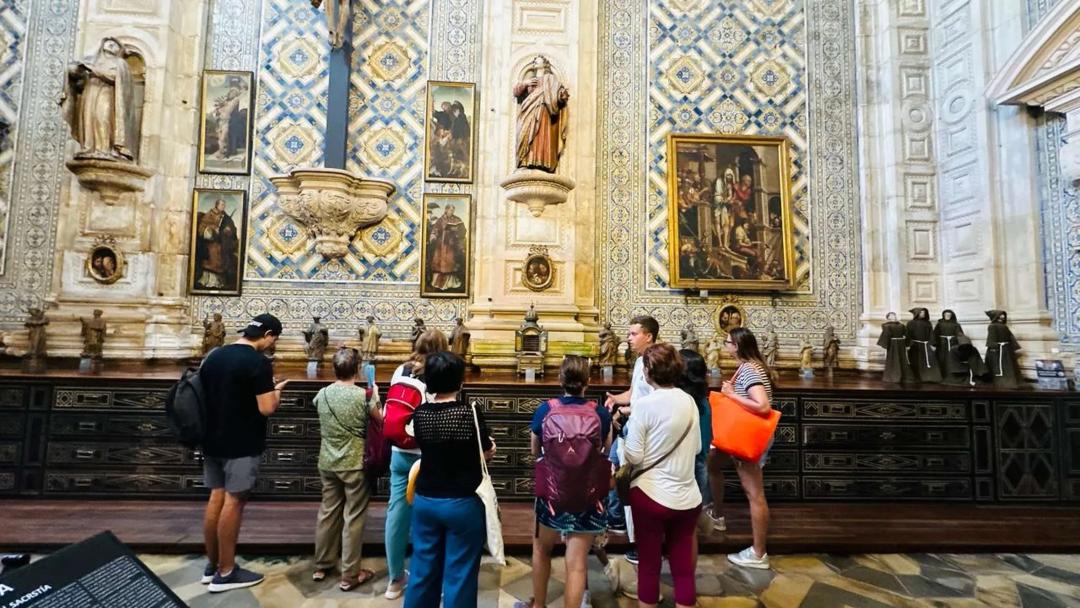
The Aveiro Museum is housed in the Convent of Jesus, where Princess Saint Joana lived. It features religious art, gilded chapels, and historic artifacts.
Highlights
✔️ Explore ornate baroque chapels
✔️ Learn about Saint Joana’s life
✔️ Collections of painting, sculpture, and tiles
✔️ Peaceful convent setting
✔️ Key cultural landmark of Aveiro
Costa Nova
Striped houses by the sea
Costa Nova is a seaside village famous for its brightly painted striped houses (palheiros). It’s a favorite for photography, seafood dining, and beach walks.
Highlights
✔️ Iconic striped fishermen’s houses
✔️ Wide sandy beach nearby
✔️ Seafood restaurants along the waterfront
✔️ Photogenic and colorful destination
✔️ Short ride from Aveiro city center
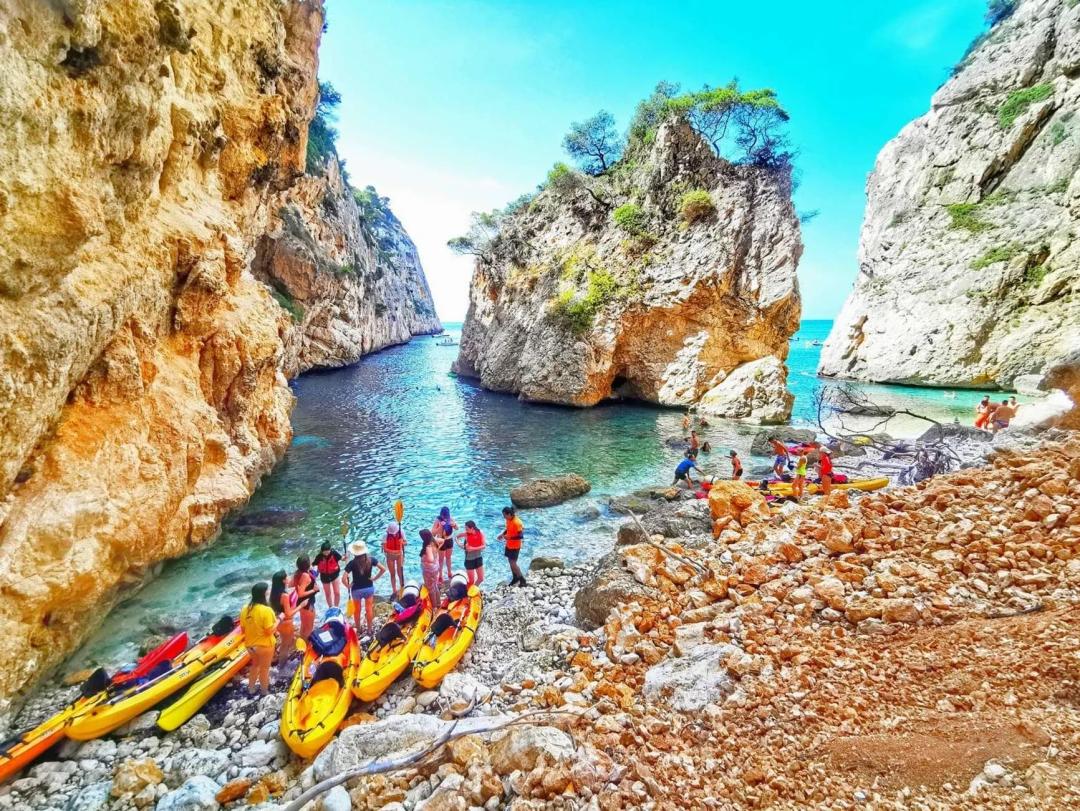
São Jacinto Dunes
Wild nature by the Atlantic
This natural reserve protects wild dunes, pine forests, and lagoons by the Atlantic. It’s a peaceful escape and part of the Ria de Aveiro lagoon system.
Highlights
✔️ Hike or ride to dune landscapes
✔️ Birdwatching and nature trails
✔️ Untouched sandy beaches
✔️ Protected environment for wildlife
✔️ Great day trip for nature lovers
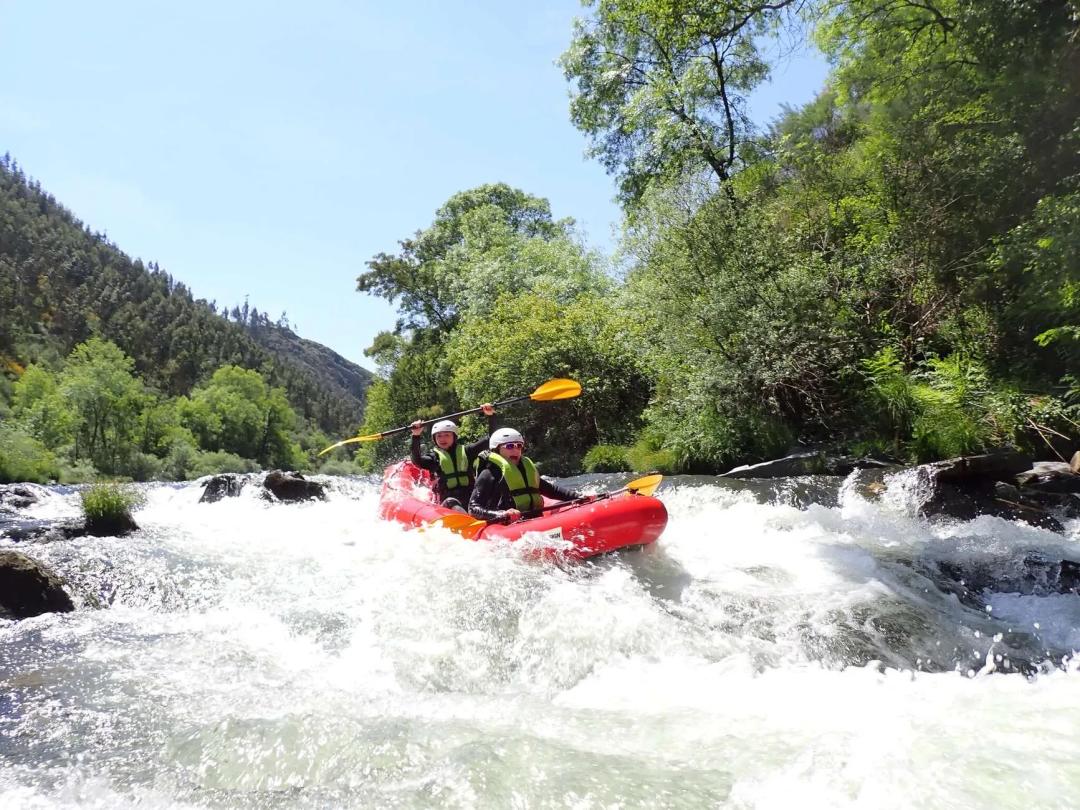
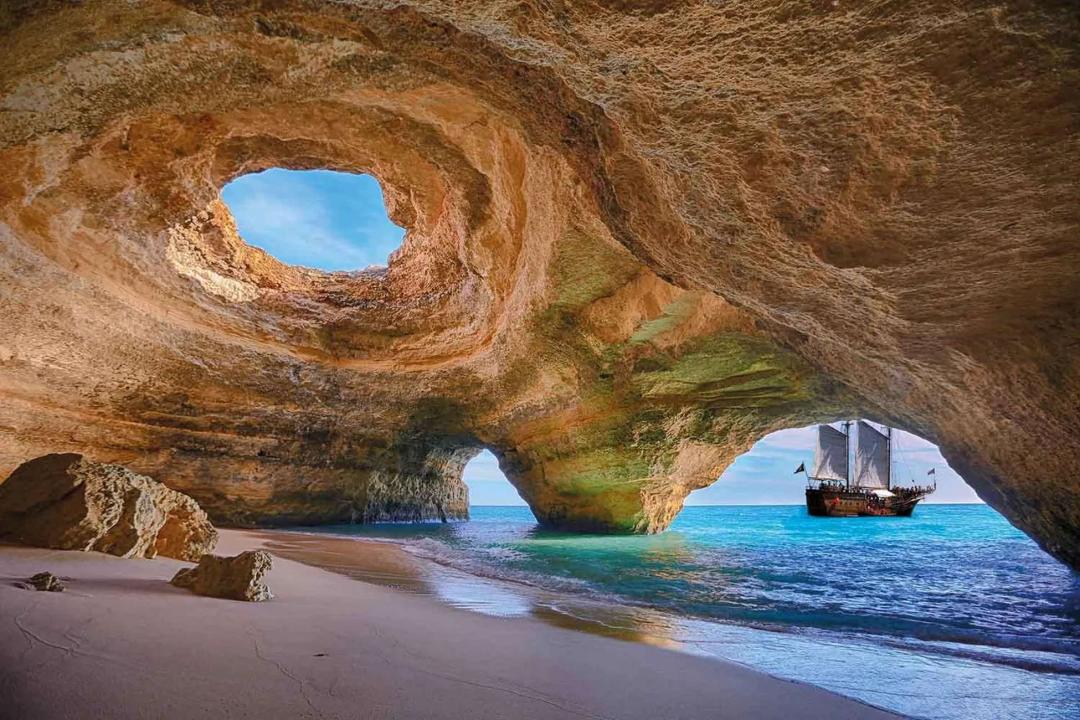
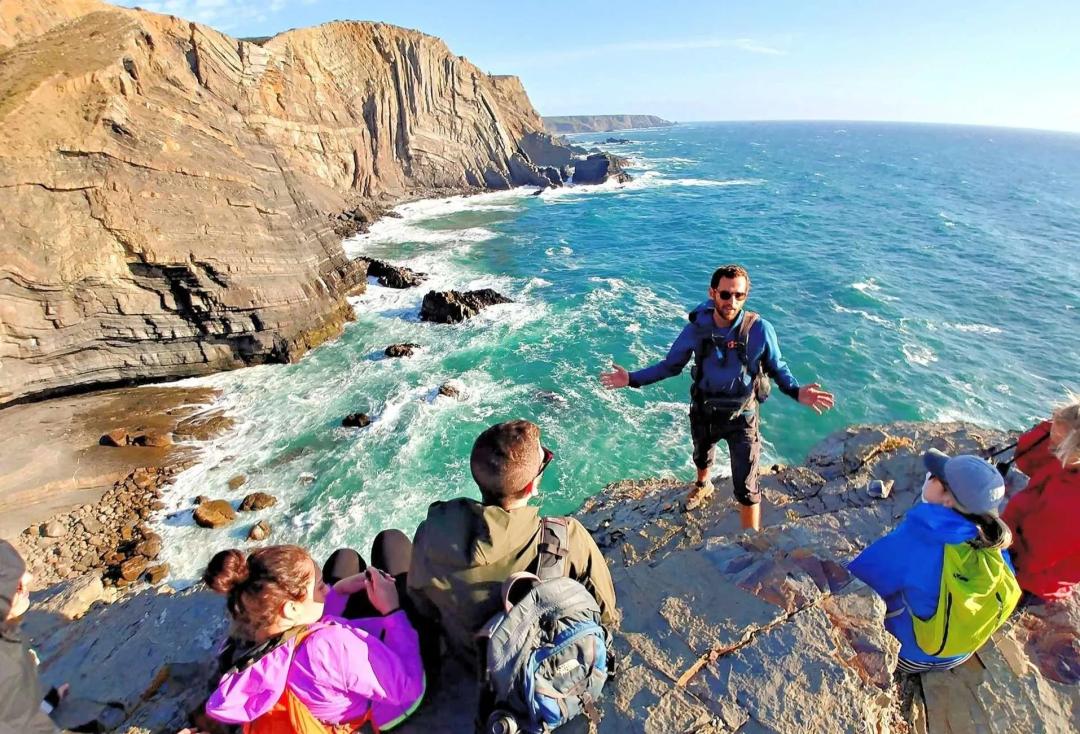
Ponta da Piedade
Clifftop views and rock formations
Ponta da Piedade is Lagos’ most iconic landmark, with dramatic cliffs, sea arches, and turquoise waters. The clifftop roads and viewpoints here are legendary among bikers.
Highlights
✔️ Ride or walk to clifftop viewpoints
✔️ Stunning rock formations and caves
✔️ Boat tours available beneath the cliffs
✔️ Breathtaking sunrise and sunset spot
✔️ One of the Algarve’s top natural wonders
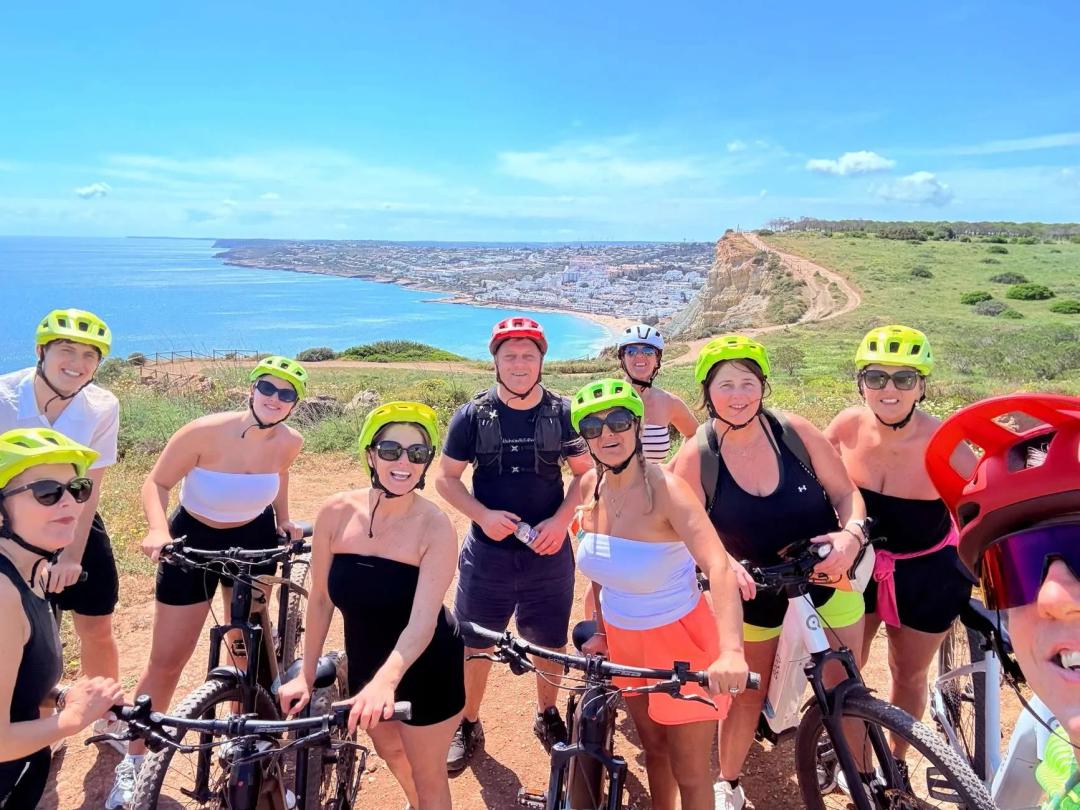
Lagos Old Town
Cobbled streets and historic charm
Lagos’ old town is a maze of cobbled streets, whitewashed houses, and lively squares. Its walls and fortifications reflect its role in Portugal’s Age of Discoveries.
Highlights
✔️ Wander cobbled alleys and plazas
✔️ Visit 16th-century city walls and gates
✔️ Street cafés, shops, and lively nightlife
✔️ Mix of Moorish and Portuguese architecture
✔️ Lively cultural heart of Lagos
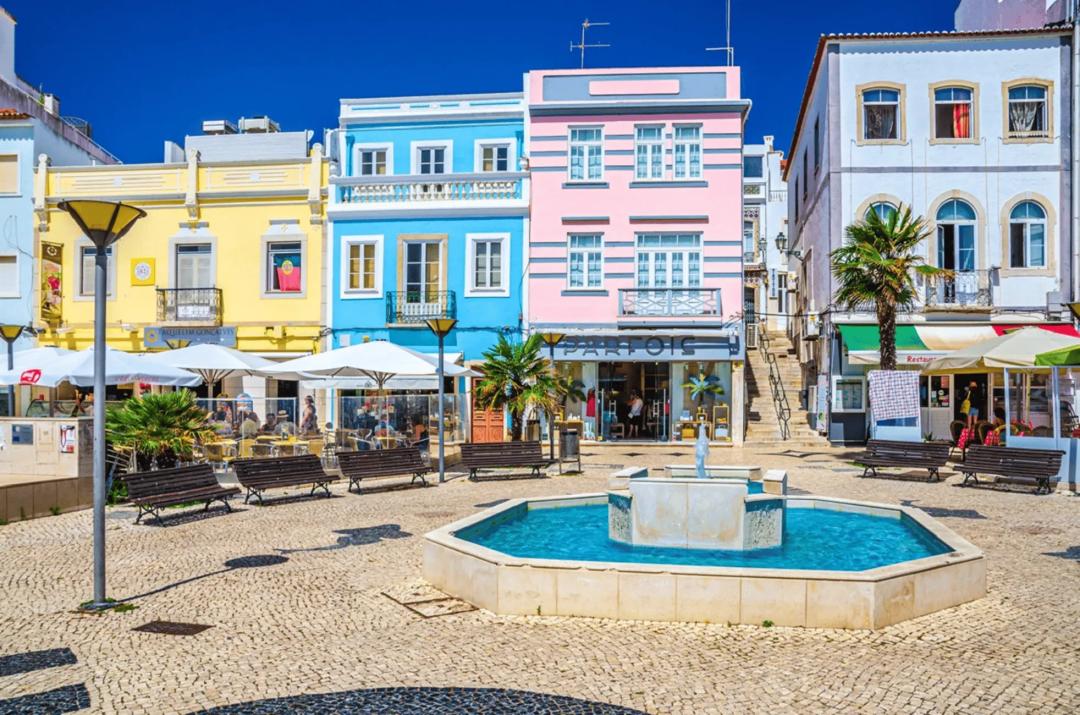
Forte da Ponta da Bandeira
Seaside fortress guarding Lagos
Built in the 17th century to defend Lagos’ harbor, this fortress now houses a small maritime museum. It’s a reminder of Lagos’ naval history.
Highlights
✔️ Historic fort by the sea
✔️ Maritime exhibits inside
✔️ Great views of the coast and harbor
✔️ Part of Lagos’ old defenses
✔️ Quick cultural stop by the water
Church of Santo António
Baroque interiors of gold leaf
From the outside, Santo António looks modest, but inside it’s one of Portugal’s most ornate Baroque churches, with gilded carvings covering nearly every surface.
Highlights
✔️ Lavish Baroque interiors with gold leaf
✔️ Wooden sculptures and azulejo tiles
✔️ Part of Lagos’ Municipal Museum
✔️ Contrast between simple exterior and rich interior
✔️ Important religious landmark in Lagos
Mercado de Escravos
Europe’s first slave market
The Mercado de Escravos is a small but significant museum, housed in the building that once hosted Europe’s first slave market in the 15th century.
Highlights
✔️ Learn about Portugal’s role in the slave trade
✔️ Exhibits on history and human rights
✔️ Historic 15th-century building
✔️ Important cultural reflection site
✔️ Located in Lagos’ old town
Praia Dona Ana
Clifftop-framed beach near town
Praia Dona Ana is one of Lagos’ most famous beaches, framed by colorful cliffs and calm waters. It’s easily accessible from town and perfect for a quick swim.
Highlights
✔️ Golden sands surrounded by cliffs
✔️ Calm, sheltered waters
✔️ Easily accessible from Lagos center
✔️ Popular for photography and swimming
✔️ One of Algarve’s most famous beaches
Meia Praia
Lagos’ longest beach
Meia Praia stretches for over 4 km along the coast, offering wide sands and ocean waves. It’s less crowded than Lagos’ smaller coves and ideal for long walks.
Highlights
✔️ Wide, open beach with plenty of space
✔️ Good for surfing and water sports
✔️ Beach bars and casual restaurants
✔️ Easy access by bike or car from town
✔️ Relaxed alternative to smaller coves
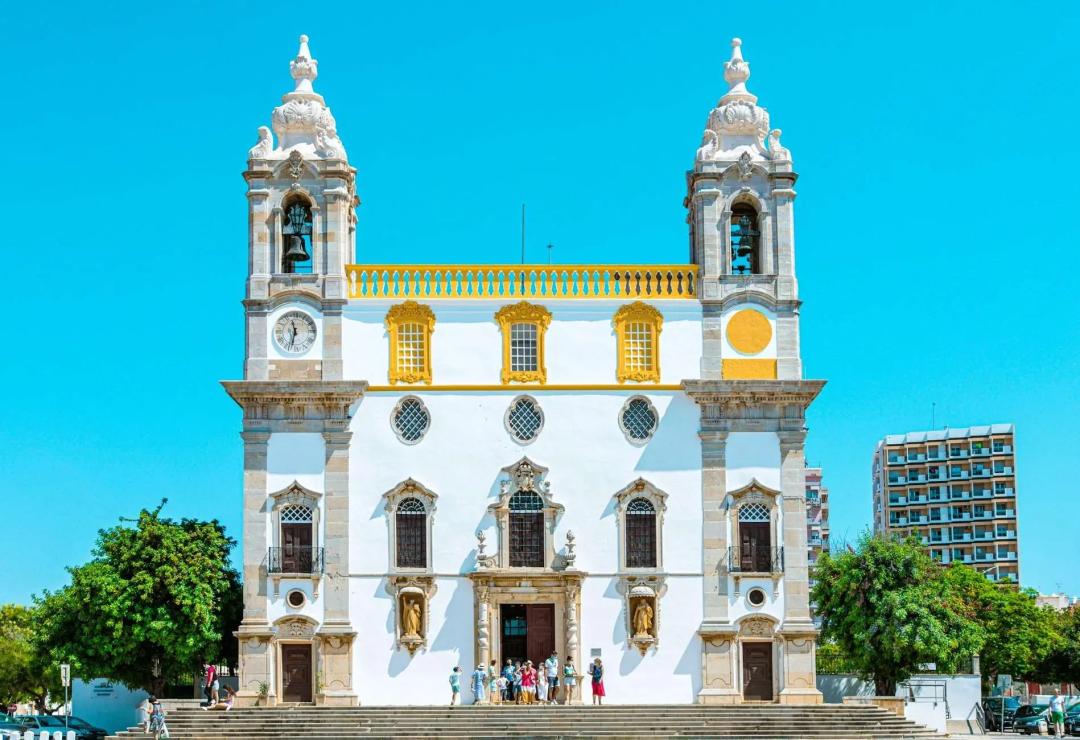
Sagres & Cabo de São Vicente Ride
The “end of the world” cliffs
From Lagos, riders can follow one of Portugal’s most legendary routes to Sagres and Cabo de São Vicente, the southwesternmost point of Europe. Dramatic cliffs and ocean views await.
Highlights
✔️ Ride coastal roads to Europe’s edge
✔️ Visit Sagres Fortress overlooking the sea
✔️ Panoramic cliffs at Cabo de São Vicente
✔️ Epic ocean sunsets from the lighthouse
✔️ Legendary ride for bikers in Portugal
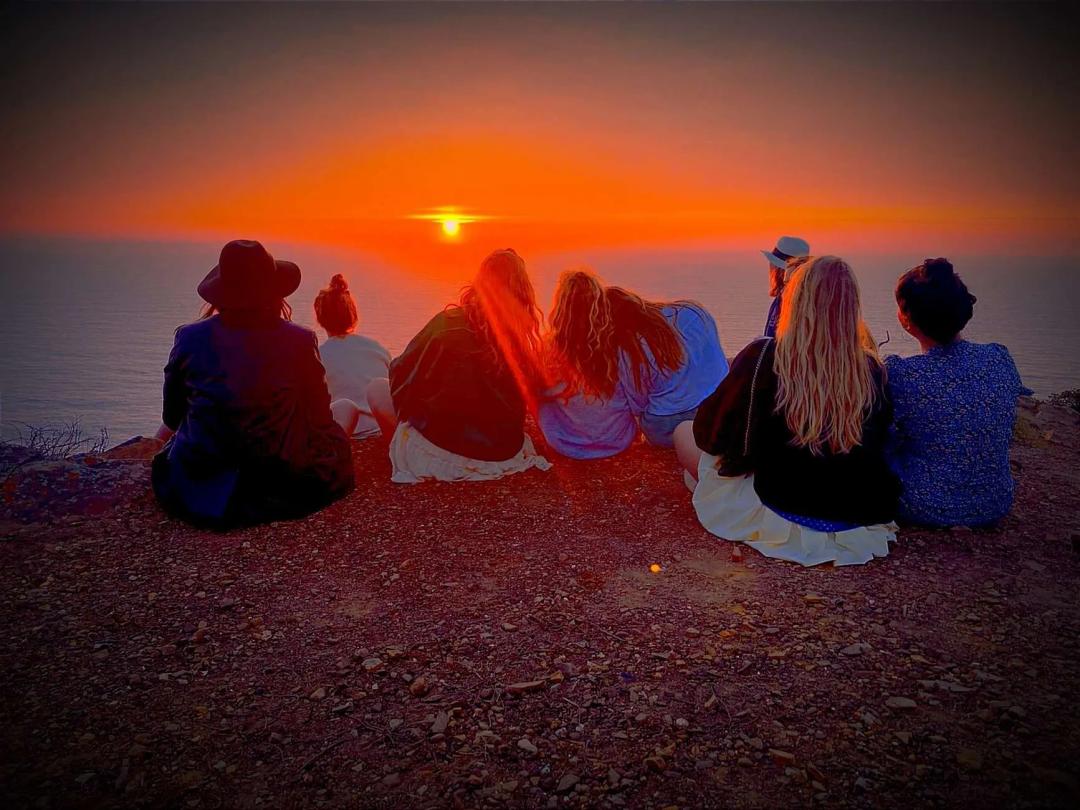
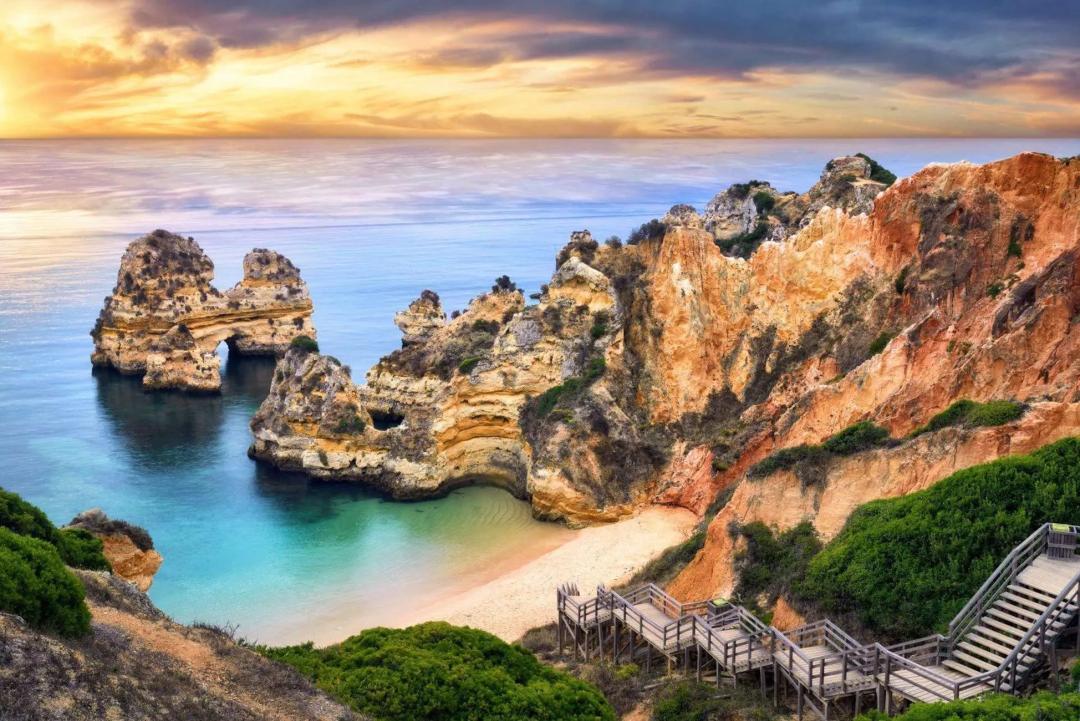
Praia do Camilo
Golden beach reached by wooden stairs
Praia do Camilo is a postcard-perfect beach, accessed via a long wooden staircase descending between cliffs. Its clear waters and sheltered cove make it a must-visit.
Highlights
✔️ Scenic beach surrounded by cliffs
✔️ Long wooden staircase to the sand
✔️ Calm waters ideal for swimming
✔️ Great photo spot from above
✔️ One of Lagos’ most famous beaches
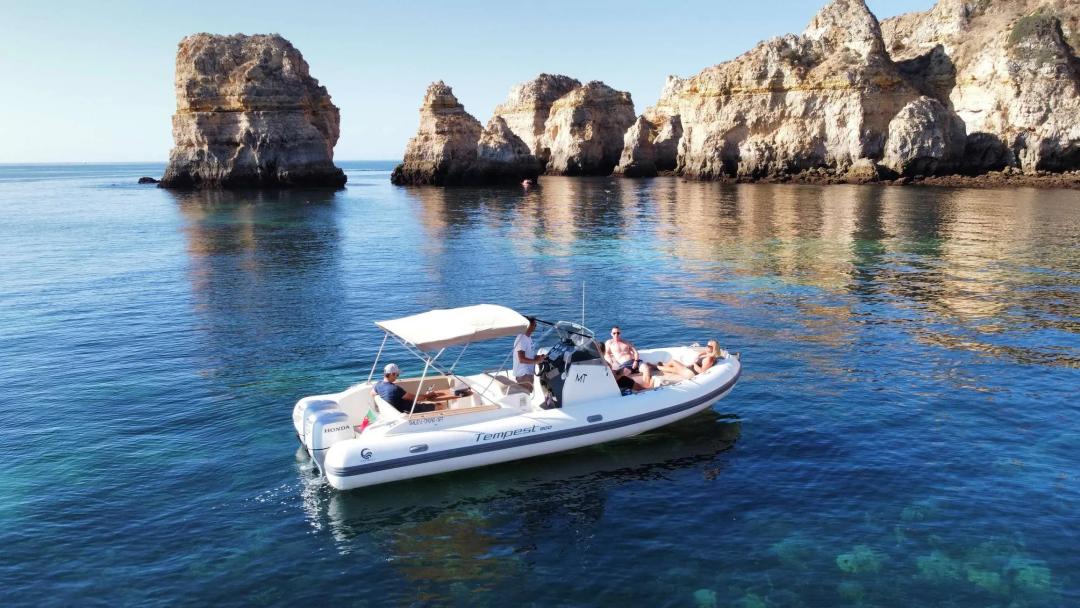
Lagos Marina
Modern waterfront with restaurants and bars
Lagos Marina is a lively waterfront lined with restaurants, bars, and shops. It’s a popular spot to relax and a departure point for boat tours.
Highlights
✔️ Modern marina with vibrant atmosphere
✔️ Outdoor dining by the water
✔️ Boat tours to caves and dolphin-watching
✔️ Central meeting point for visitors
✔️ Great place to relax after a ride
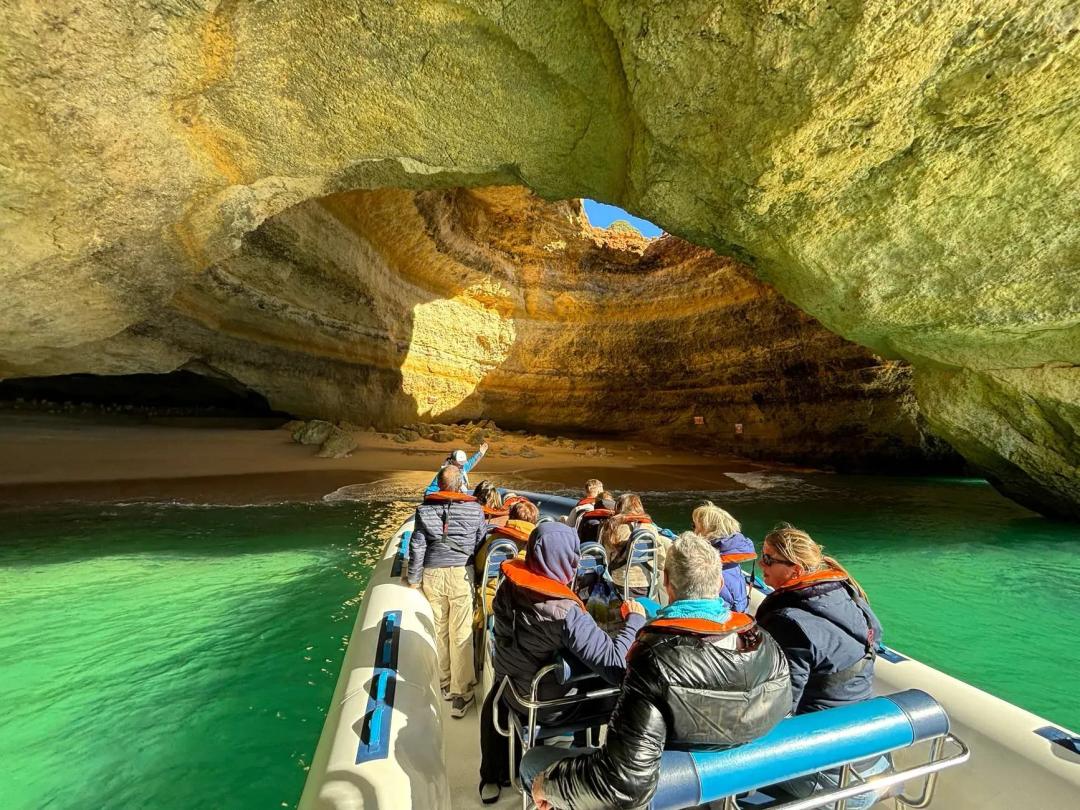
Guimarães Castle
The birthplace of Portugal’s first king
This medieval castle is where Portugal’s first king, Afonso Henriques, was born. Its towers and walls dominate the historic core, symbolizing the city’s role in Portuguese nationhood.
Highlights
✔️ Explore medieval towers and battlements
✔️ Learn about Portugal’s early history
✔️ Panoramic views over the city
✔️ Iconic symbol of Guimarães
✔️ UNESCO World Heritage Site
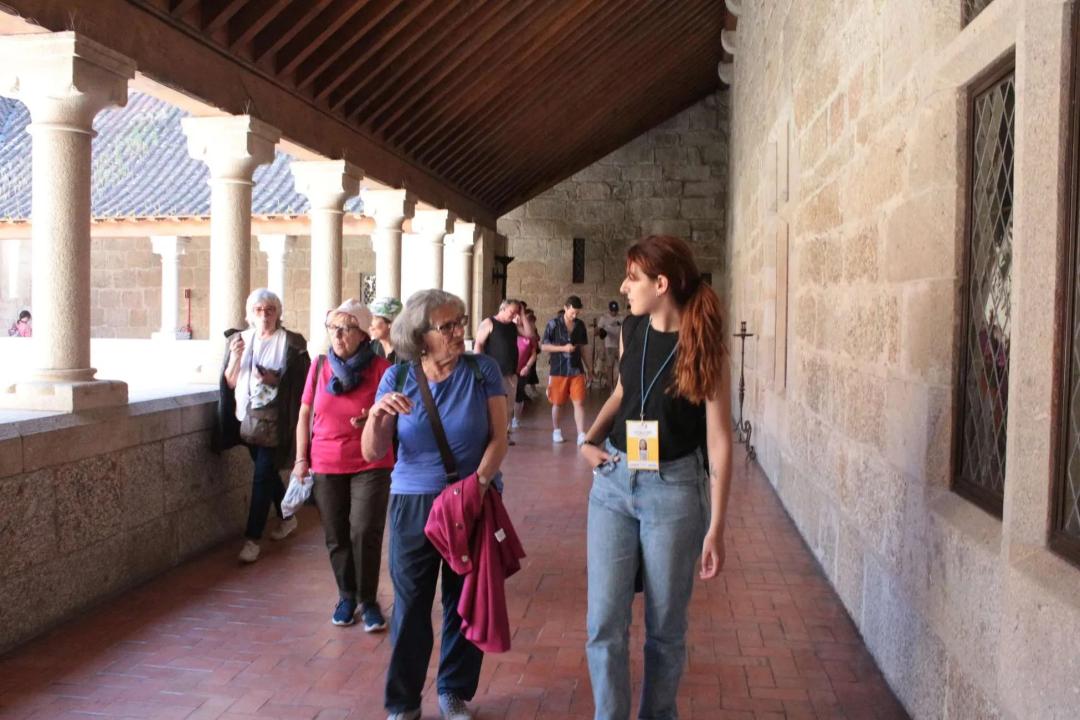
Largo da Oliveira
Medieval square in the heart of the old town
Largo da Oliveira is one of Guimarães’ most charming squares, surrounded by arcaded houses, churches, and cafés. It’s the historic and social hub of the city.
Highlights
✔️ See the Padrão do Salado monument
✔️ Visit the Igreja de Nossa Senhora da Oliveira
✔️ Lively terraces and restaurants
✔️ Photogenic medieval atmosphere
✔️ UNESCO-listed old town setting
Igreja de Nossa Senhora da Oliveira
Gothic church with rich history
Located in Largo da Oliveira, this Gothic church was originally founded in the 10th century and rebuilt in the 14th century by King João I.
Highlights
✔️ Admire Gothic architecture and cloisters
✔️ Historic role in Portugal’s independence
✔️ Central landmark of the old town
✔️ UNESCO World Heritage Site
✔️ Tied to Guimarães’ medieval identity
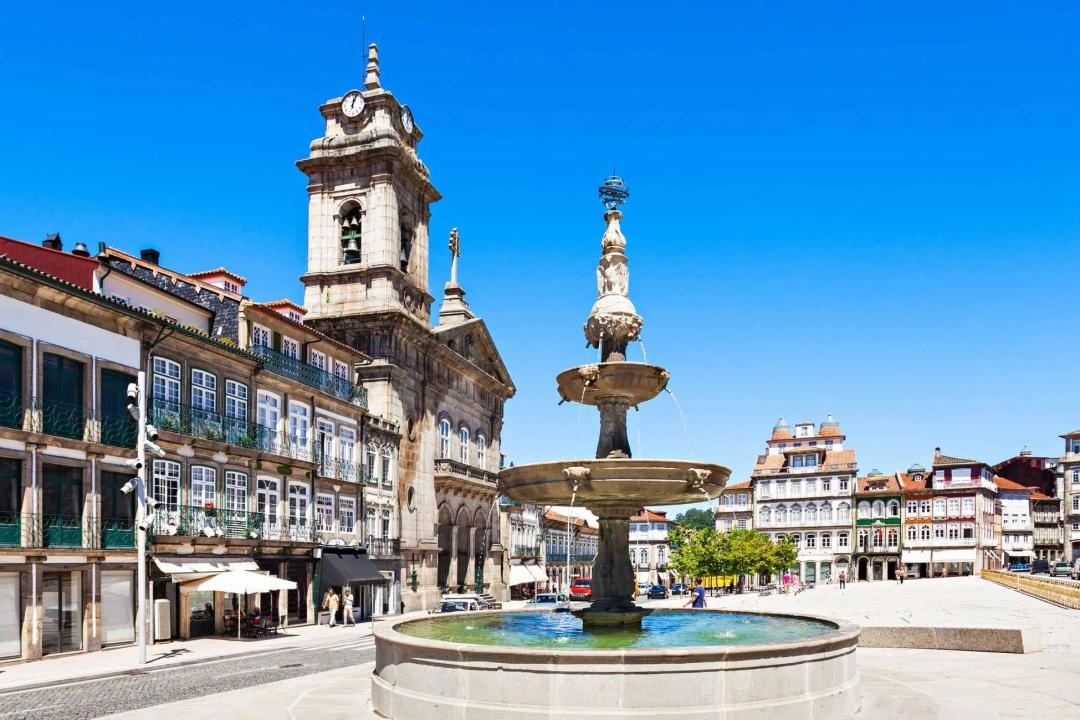
Largo do Toural
Elegant 19th-century square
Once used as a cattle market, Largo do Toural is today one of Guimarães’ main squares, lined with elegant buildings and the famous inscription “Aqui nasceu Portugal” (“Portugal was born here”).
Highlights
✔️ Central square with stylish façades
✔️ See the “Portugal was born here” inscription
✔️ Mix of cafés, shops, and historic charm
✔️ Popular meeting point for locals
✔️ Great place to start exploring the city
São Miguel do Castelo
Romanesque chapel of Portugal’s first king
This small Romanesque church near the castle is where Portugal’s first king, Afonso Henriques, was baptized. Its simplicity contrasts with Guimarães’ larger monuments.
Highlights
✔️ Modest Romanesque architecture
✔️ Site of King Afonso Henriques’ baptism
✔️ Located near Guimarães Castle
✔️ Important symbol of Portugal’s origins
✔️ Peaceful historic chapel
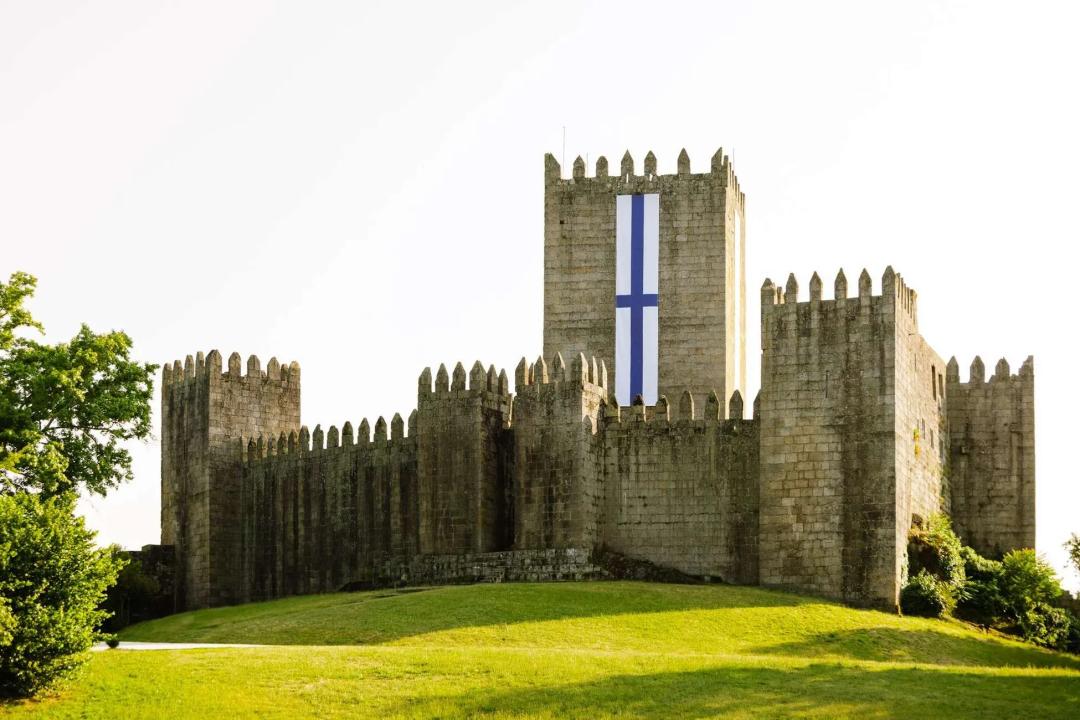
Sanctuary of Penha
Hilltop sanctuary with panoramic views
Located on a granite hill above Guimarães, the Penha Sanctuary is a modernist church with sweeping views over the Minho region. Riders will love the curvy road up to the top.
Highlights
✔️ Ride a scenic mountain road to the sanctuary
✔️ Panoramic views over Guimarães and beyond
✔️ Modernist architecture and peaceful forest setting
✔️ Cable car option from the city center
✔️ Popular pilgrimage site and biker stop
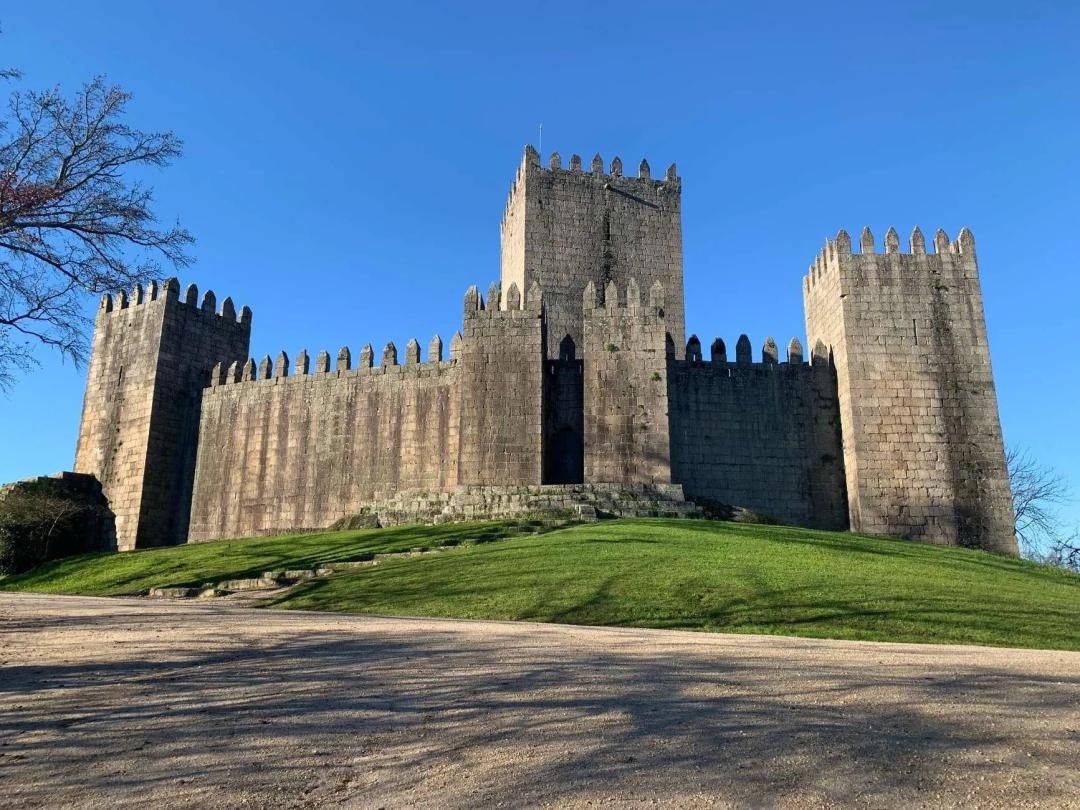
Citânia de Briteiros
Pre-Roman archaeological site
Just outside Guimarães, Citânia de Briteiros is an Iron Age hillfort with stone houses and defensive walls. It offers a fascinating look at pre-Roman life in northern Portugal.
Highlights
✔️ Explore ancient circular stone houses
✔️ Learn about Iron Age culture of the region
✔️ Scenic hilltop location with valley views
✔️ Archaeological site with museum nearby
✔️ Unique cultural stop on a ride from Guimarães
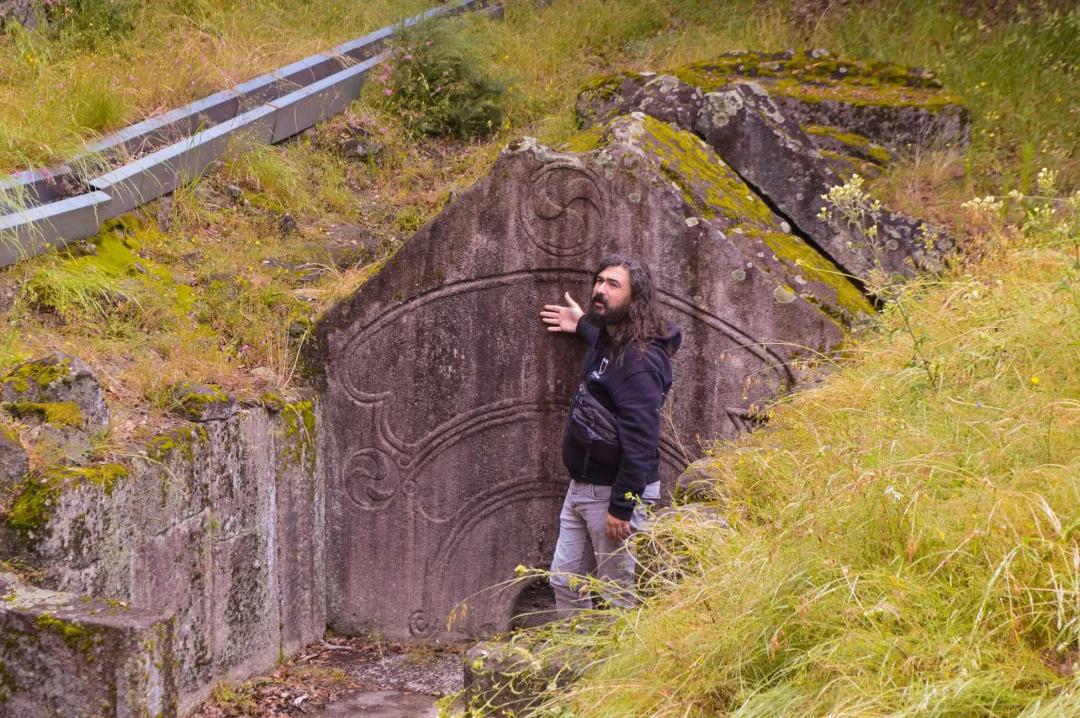
Minho Village Ride
Scenic loop through northern Portugal
From Guimarães, riders can explore the Minho region’s green landscapes, dotted with traditional villages, vineyards, and rivers. It’s one of Portugal’s most authentic rural rides.
Highlights
✔️ Ride scenic backroads through vineyards and forests
✔️ Stop in Ponte de Lima, Portugal’s oldest town
✔️ Taste local vinho verde wine along the way
✔️ Discover charming stone villages
✔️ Peaceful, authentic northern Portugal experience
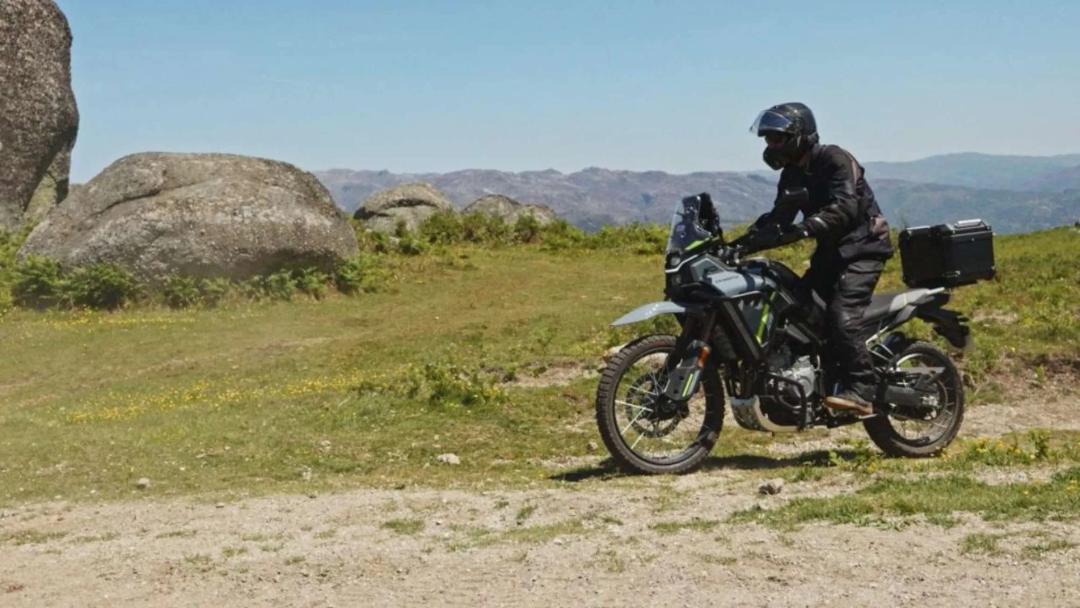
Paço dos Duques de Bragança
15th-century palace museum
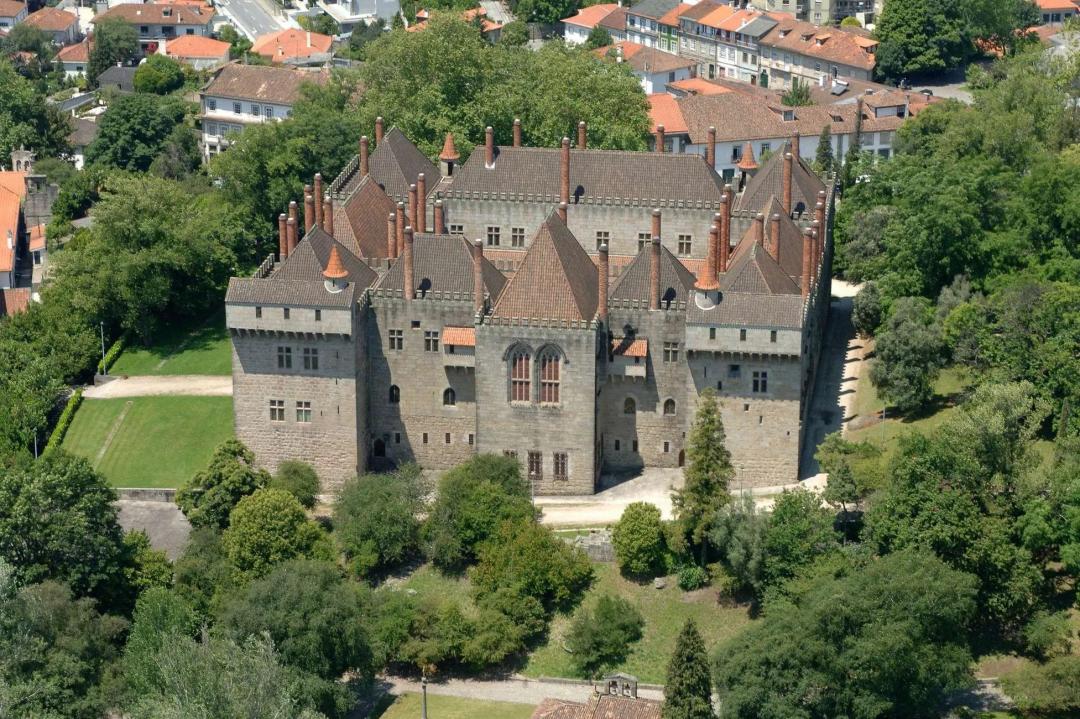
Built in the 15th century by the Dukes of Braganza, this palace features Gothic architecture and houses a museum with medieval furniture, tapestries, and weapons.
Highlights
✔️ Visit restored halls and banquet rooms
✔️ Displays of medieval art and furnishings
✔️ Imposing Gothic architecture
✔️ Located beside Guimarães Castle
✔️ Important royal landmark of Portugal
Museu de Alberto Sampaio
Medieval art museum in a former convent
This museum houses medieval art and artifacts, including treasures from Guimarães’ monasteries and churches. It’s a hidden gem for culture lovers.
Highlights
✔️ Medieval sculptures, paintings, and textiles
✔️ Famous silver altarpiece of Nossa Senhora da Oliveira
✔️ Housed in a former convent with cloisters
✔️ Central location in the old town
✔️ Rich collection tied to Guimarães’ history
Funchal Old Town
Historic streets and painted doors
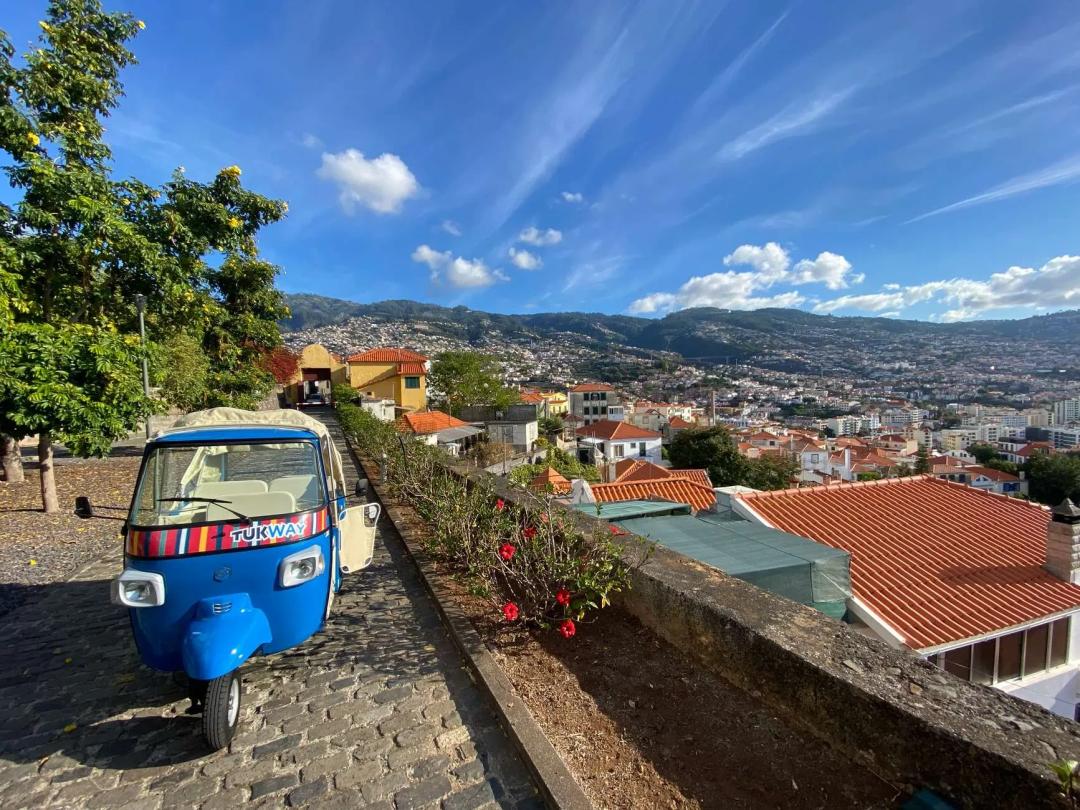
The Zona Velha of Funchal is a maze of cobbled streets lined with colorful houses, art galleries, and restaurants. Its painted doors project has turned it into an open-air gallery.
Highlights
✔️ Wander narrow alleys with painted doors
✔️ Enjoy seafood restaurants and bars
✔️ Visit art galleries and small museums
✔️ Historic and lively atmosphere
✔️ Funchal Old Town
Monte & Tropical Garden
Hilltop gardens and church above Funchal
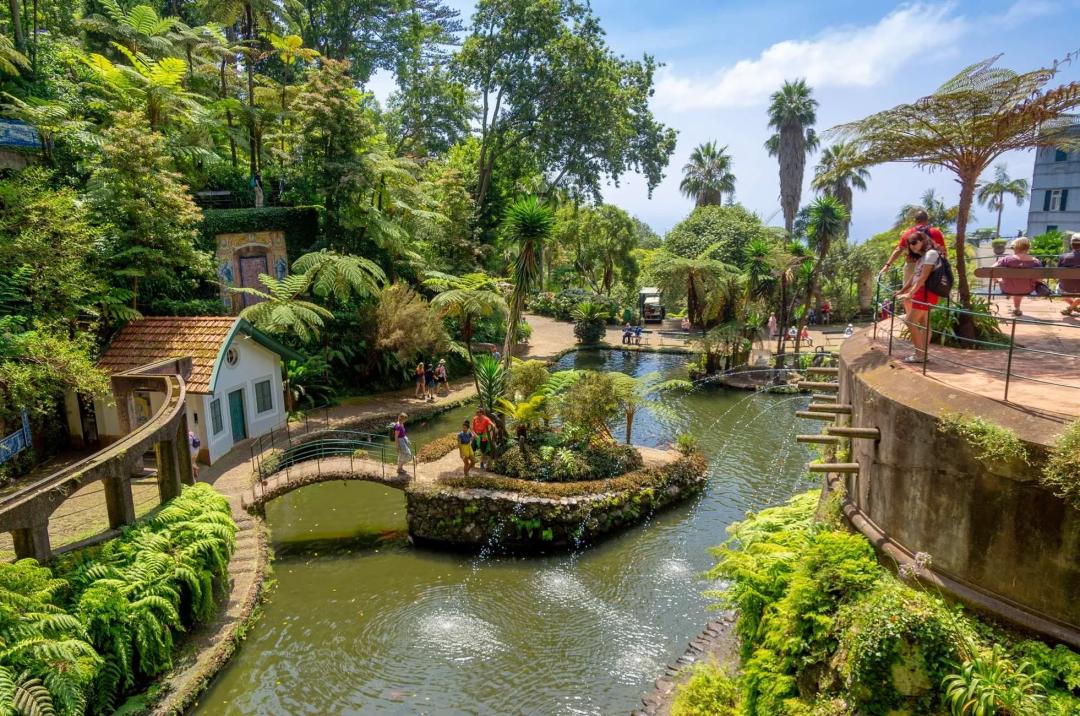
Monte is a hilltop district above Funchal, home to the church of Nossa Senhora do Monte and the Tropical Garden with Asian-inspired landscaping.
Highlights
✔️ Visit the Church of Our Lady of Monte
✔️ Explore Monte Palace Tropical Garden
✔️ Panoramic views over Funchal
✔️ Famous wicker toboggan rides down to town
✔️ Peaceful hilltop retreat
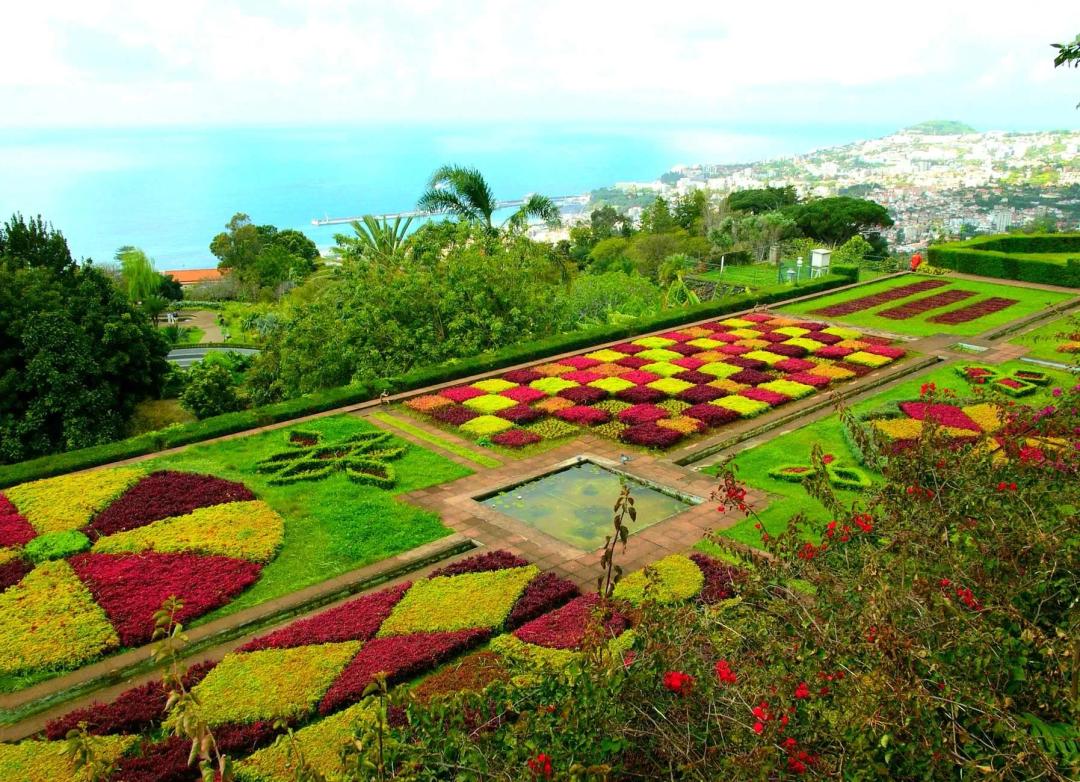
Madeira Botanical Garden
Colorful hillside gardens with views
Overlooking Funchal, the botanical garden showcases Madeira’s diverse plant life, with terraces of flowers, exotic trees, and panoramic ocean views.
Highlights
✔️ Terraced gardens with colorful patterns
✔️ Exotic plants from around the world
✔️ Panoramic views of Funchal and the sea
✔️ Accessible by cable car from the city
✔️ One of Madeira’s most popular attractions
Cabo Girão
One of Europe’s highest sea cliffs
Cabo Girão is a 580-meter-high sea cliff west of Funchal, with a glass-floored skywalk for dizzying ocean views. The ride to get there is just as breathtaking.
Highlights
✔️ Glass skywalk over one of Europe’s tallest cliffs
✔️ Panoramic views of the Atlantic and terraced fields
✔️ Thrilling road ride up to the viewpoint
✔️ Popular photography and sunset spot
✔️ One of Madeira’s top attractions
Pico do Arieiro
Epic mountain peak ride
At 1,818 meters, Pico do Arieiro is Madeira’s third-highest peak, accessible by a winding mountain road. Riders are rewarded with breathtaking views and trails connecting to other peaks.
Highlights
✔️ Ride twisty roads up to 1,818 meters
✔️ Panoramic views above the clouds
✔️ Start of the famous trail to Pico Ruivo
✔️ Mountain café and viewpoints at the summit
✔️ Legendary ride for bikers in Madeira
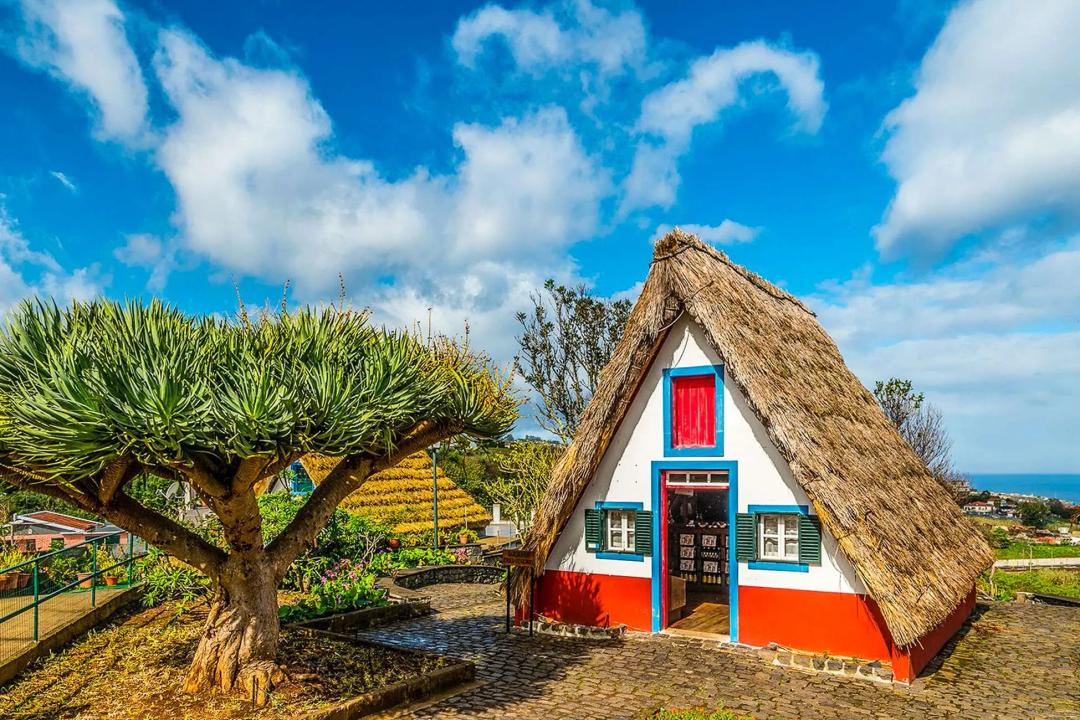
Santana Houses
Colorful triangular cottages
The town of Santana is known for its traditional A-frame houses with thatched roofs and bright colors, a symbol of Madeira’s rural heritage.
Highlights
✔️ Visit brightly painted triangular cottages
✔️ Learn about traditional Madeira life
✔️ Beautiful mountain setting on the north side
✔️ Local crafts and food stalls
✔️ Iconic photo spot of Madeira
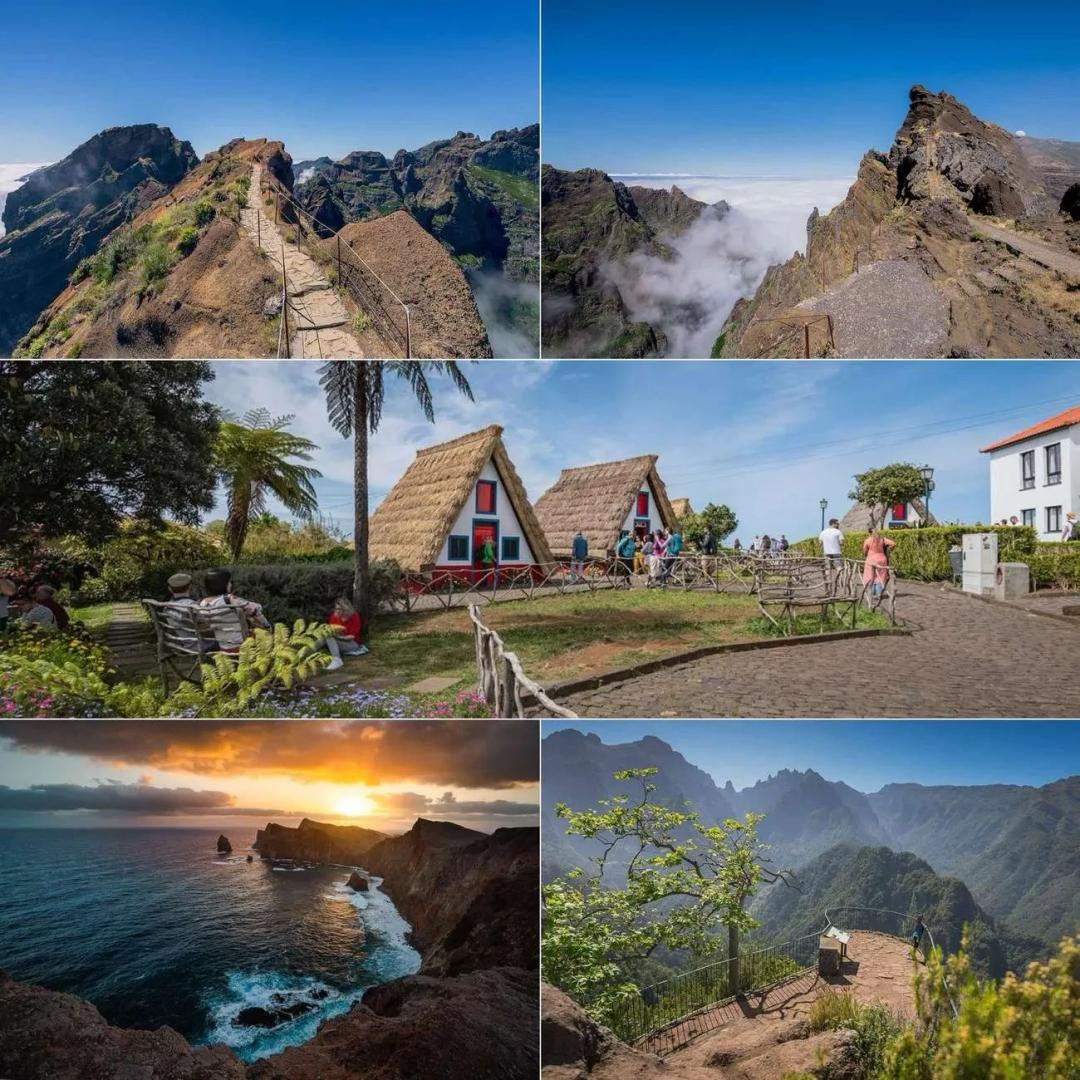
North Coast Ride
Cliffs, tunnels, and wild ocean views
Madeira’s north coast offers one of Europe’s most thrilling rides, with cliffside roads, tunnels, and constant views of the Atlantic crashing against the island.
Highlights
✔️ Ride along dramatic ocean cliffs
✔️ Pass through old tunnels carved into rock
✔️ Stop in villages like São Vicente and Seixal
✔️ Constant sea-and-mountain panoramas
✔️ Legendary motorcycle route in Madeira
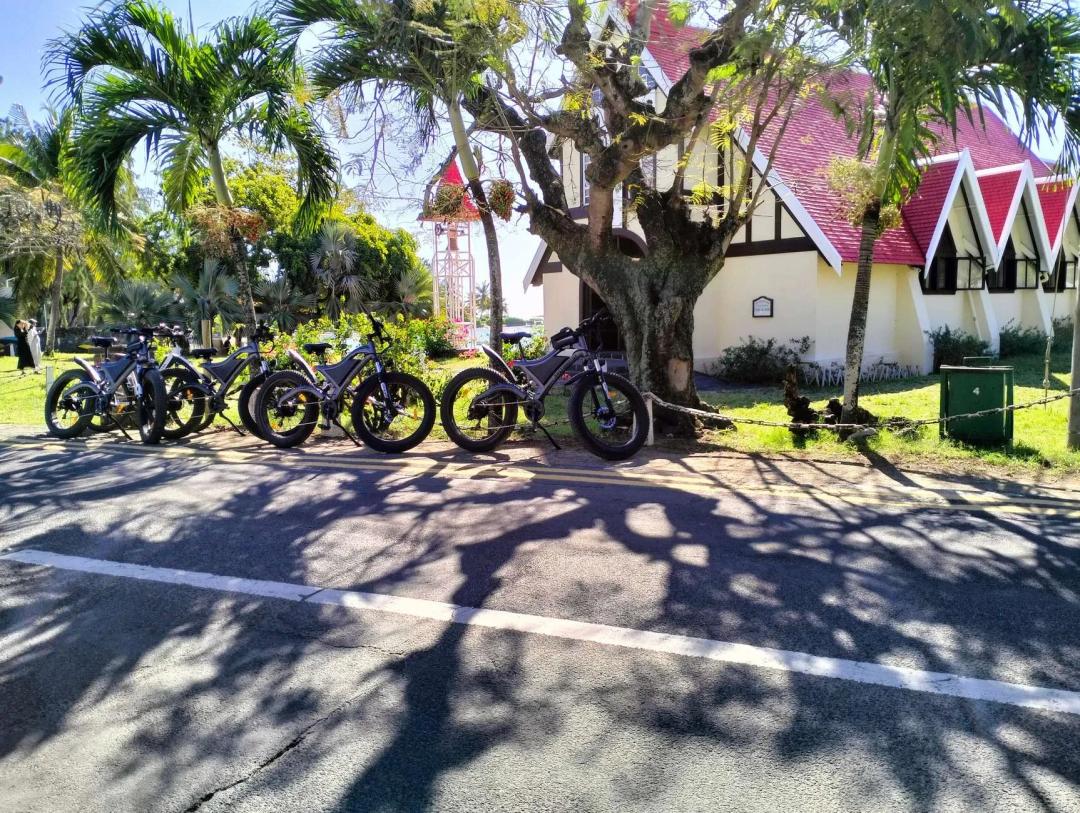
Mercado dos Lavradores
Funchal’s bustling market
This vibrant market is the best place to experience Madeira’s flavors, from exotic fruits to fresh fish. Vendors in traditional dress add to the atmosphere.
Highlights
✔️ Taste tropical fruits like passionfruit and custard apple
✔️ Watch tuna being prepared at the fish market
✔️ Browse local crafts and flowers
✔️ Central landmark of Funchal
✔️ Perfect foodie experience
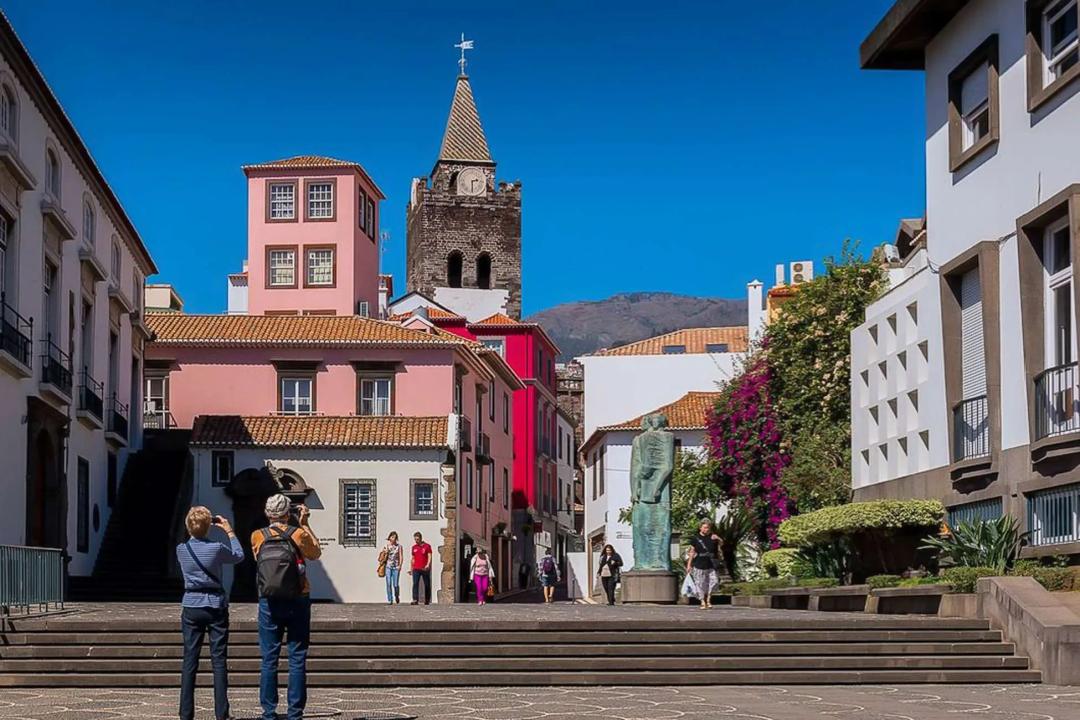
Levada Walks
Unique hiking trails along irrigation channels
Madeira’s levadas are irrigation channels that double as scenic walking paths through forests, mountains, and waterfalls. They’re a unique way to explore the island’s lush interior.
Highlights
✔️ Walk along historic irrigation channels
✔️ Discover waterfalls, forests, and tunnels
✔️ Popular routes like Levada do Caldeirão Verde
✔️ UNESCO-classified Laurisilva Forest
✔️ Great for nature lovers after a ride
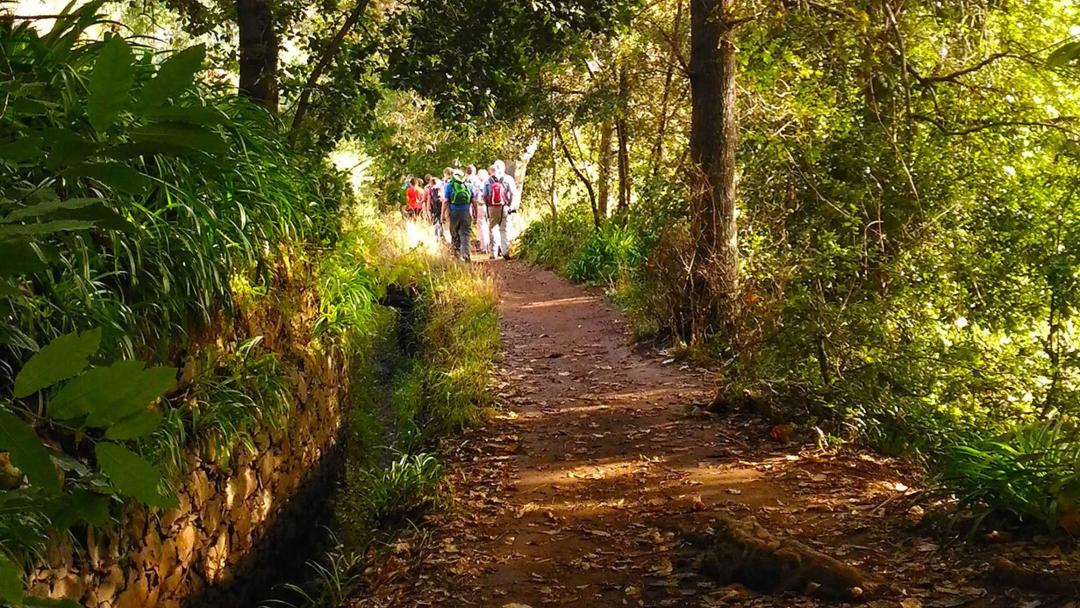
Porto Moniz Pools
Volcanic rock pools by the ocean
On Madeira’s north coast, Porto Moniz is famous for its natural lava rock pools filled with crystal-clear seawater. They’re perfect for a refreshing dip after a long ride.
Highlights
✔️ Swim in volcanic rock pools
✔️ Dramatic coastal scenery of north Madeira
✔️ Small town with seafood restaurants
✔️ Scenic coastal ride to get there
✔️ One of the island’s most unique attractions
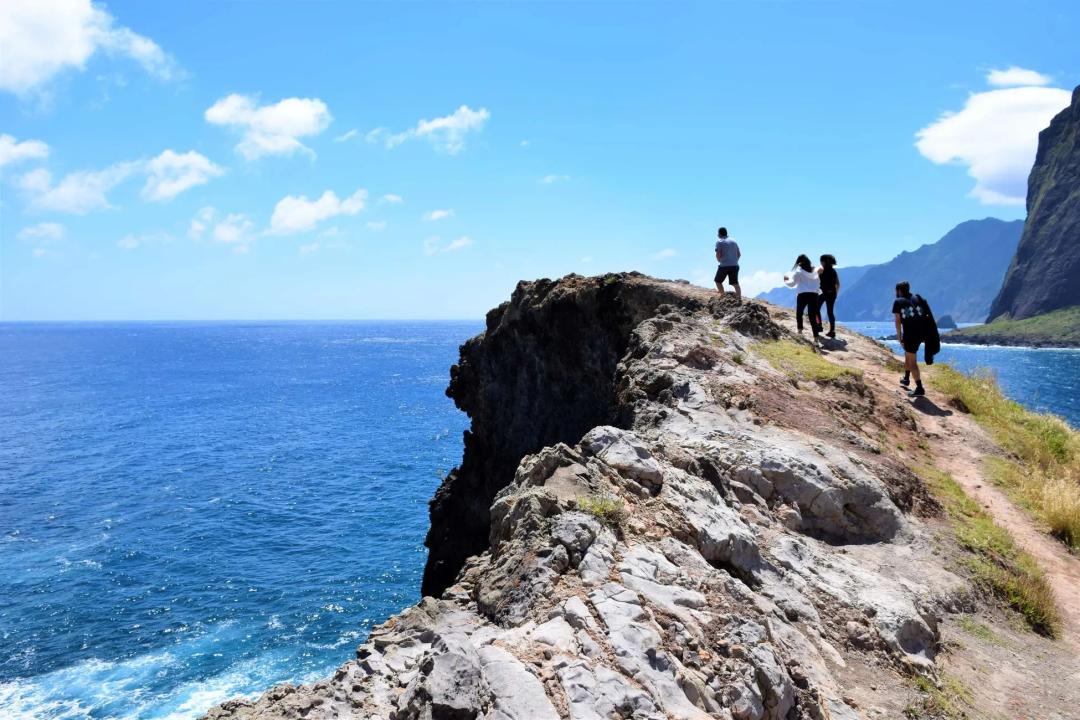
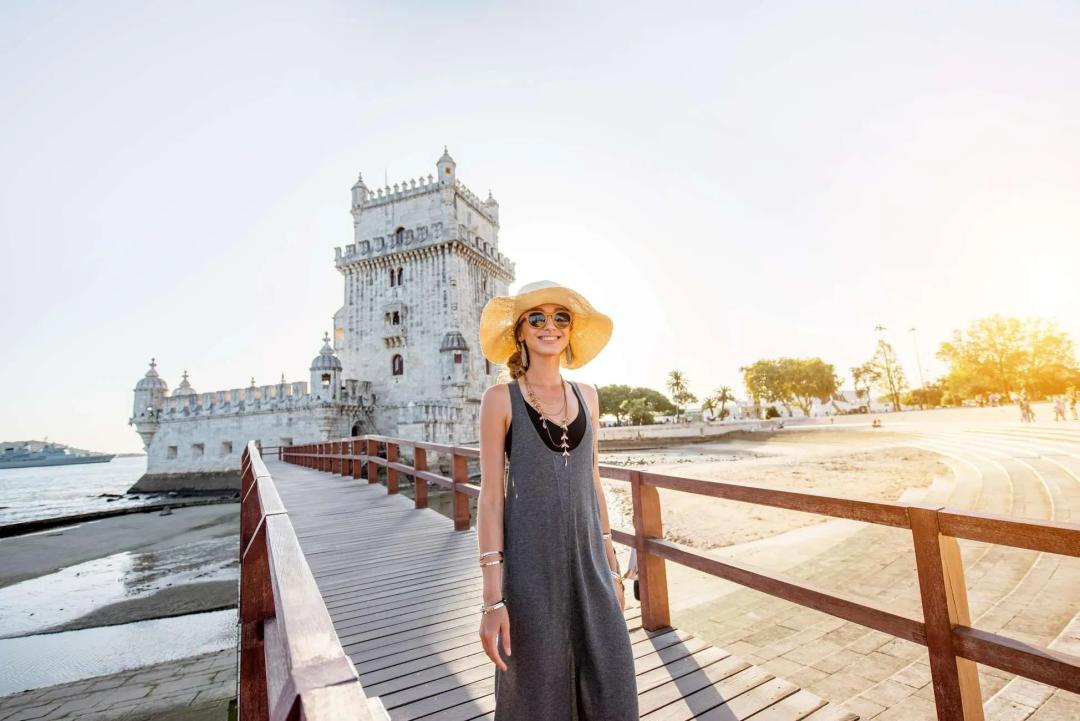
Belém Tower
Lisbon’s riverside fortress
The Belém Tower is one of Lisbon’s most iconic monuments, a UNESCO World Heritage Site built in the 16th century to guard the Tagus River. Its Manueline architecture and riverside setting make it a must-visit landmark.
Highlights
✔️ Explore a fortress that once protected Lisbon’s harbor
✔️ Stunning Manueline and Moorish details
✔️ Panoramic river views from the tower
✔️ UNESCO World Heritage Site
✔️ Close to Jerónimos Monastery and Discoveries Monument
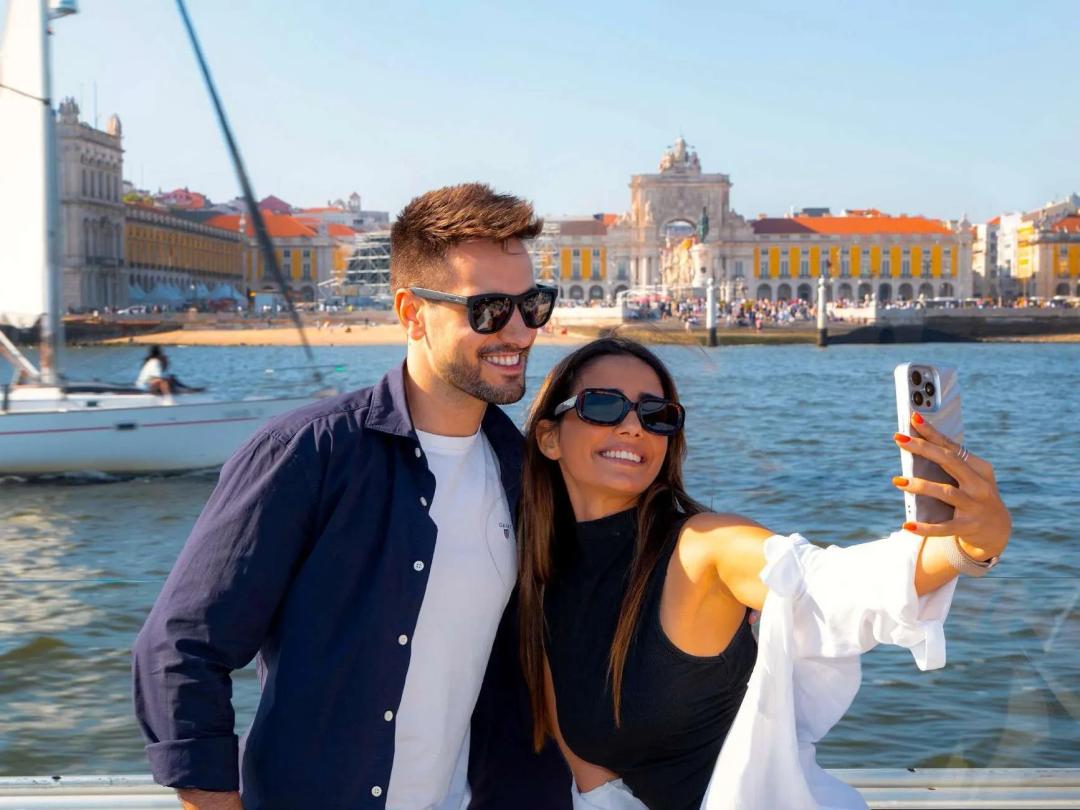
Jerónimos Monastery
Portugal’s Manueline masterpiece
The Jerónimos Monastery in Belém is Lisbon’s most impressive religious monument, built to celebrate Portugal’s Age of Discoveries. Its ornate cloisters are among the most beautiful in Europe.
Highlights
✔️ Admire intricate Manueline stonework
✔️ Visit Vasco da Gama’s tomb
✔️ Explore grand cloisters and chapels
✔️ UNESCO World Heritage Site
✔️ Located near Belém’s top attractions
Alfama District
Lisbon’s oldest neighborhood
Alfama is a maze of narrow streets, whitewashed houses, and tiled façades, climbing up toward the Castelo de São Jorge. It’s the birthplace of fado music and a window into old Lisbon.
Highlights
✔️ Wander winding alleys and hidden courtyards
✔️ Enjoy views from Miradouro de Santa Luzia
✔️ Listen to fado music in traditional taverns
✔️ Visit Lisbon Cathedral (Sé de Lisboa)
✔️ Perfect for exploring on foot or by tram
Praça do Comércio
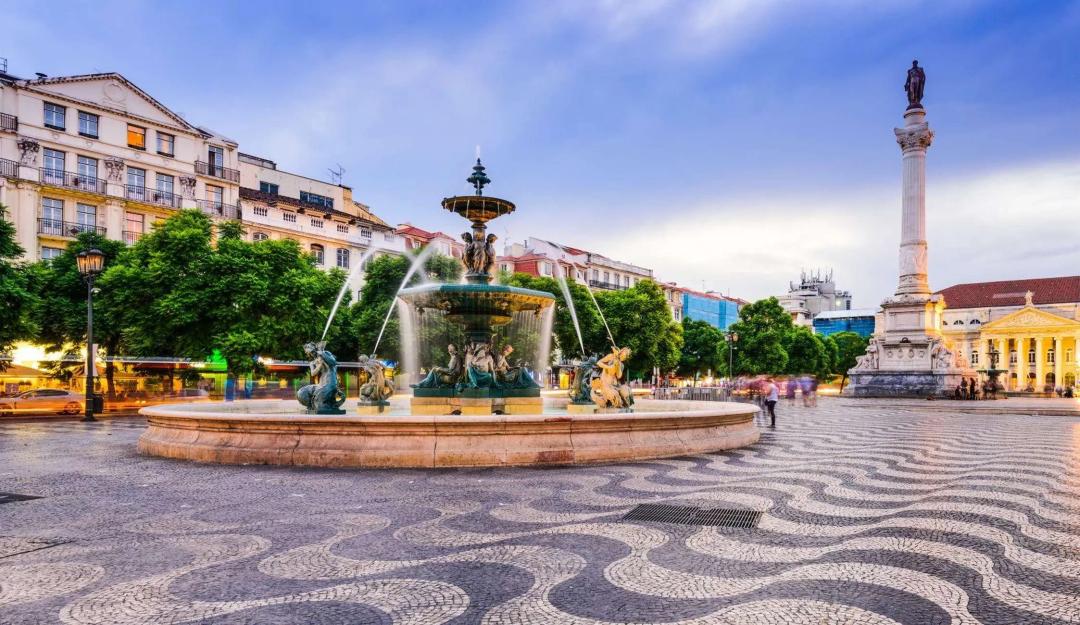
Lisbon’s grand riverfront square
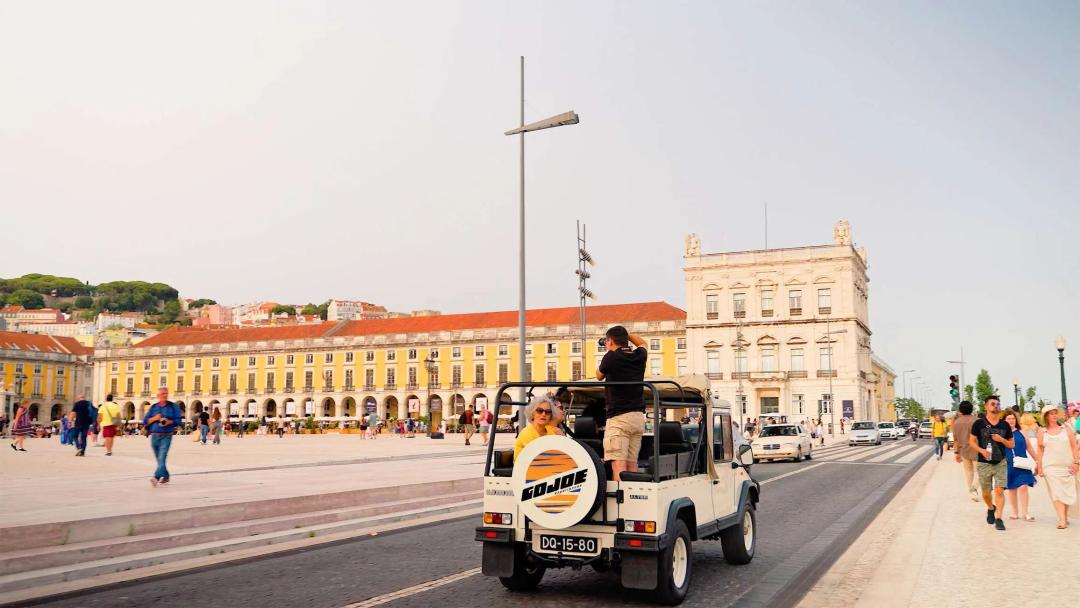
Praça do Comércio is Lisbon’s main square, opening directly onto the Tagus River. Surrounded by yellow arcaded buildings and crowned with the Arco da Rua Augusta, it’s the city’s most impressive plaza.
Highlights
✔️ Stroll along the vast open square by the river
✔️ Iconic Rua Augusta Arch and statue of King José I
✔️ Cafés and restaurants with river views
✔️ Central hub connecting the Baixa district
✔️ Perfect photo spot for Lisbon’s grandeur
Bairro Alto
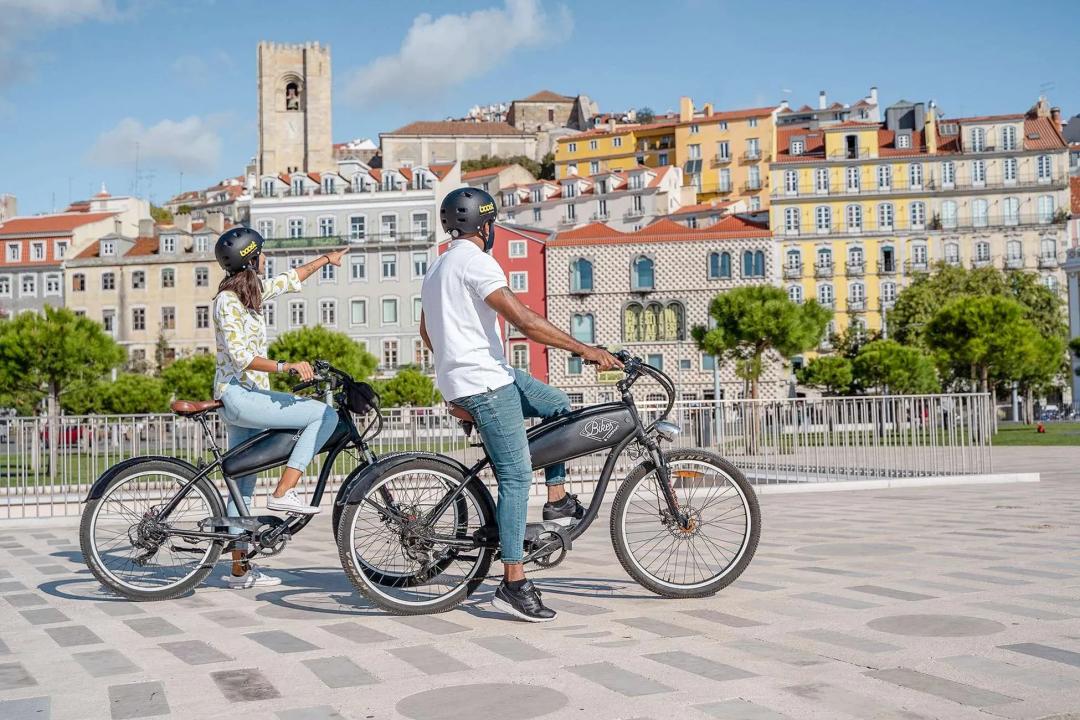
Lisbon’s nightlife and bohemian quarter
Bairro Alto is Lisbon’s bohemian heart, packed with bars, restaurants, and music venues. By day it’s a quiet historic neighborhood; by night, it comes alive with nightlife.
Highlights
✔️ Lively tapas and bar-hopping scene
✔️ Rooftop bars with city views
✔️ Street art and colorful houses
✔️ Fado houses and live music venues
✔️ Buzzing atmosphere after dark

Tram 28
Lisbon’s most famous tram ride
The yellow Tram 28 is an icon of Lisbon, clattering through the city’s narrow streets and hills. It’s both a practical ride and a sightseeing experience.
Highlights
✔️ Ride through Alfama, Baixa, and Graça districts
✔️ Classic Lisbon yellow tram
✔️ Great for first-time visitors
✔️ Perfect photo opportunity
✔️ Combines transport and sightseeing

LX Factory
Creative hub under the 25 de Abril Bridge
LX Factory is a former industrial complex turned into a cultural hotspot. It’s full of street art, independent shops, creative studios, and trendy cafés.
Highlights
✔️ Explore a mix of shops, bars, and restaurants
✔️ Street art and murals across the complex
✔️ Lively weekend markets
✔️ Creative hub for Lisbon’s alternative culture
✔️ Unique setting under Lisbon’s red suspension bridge
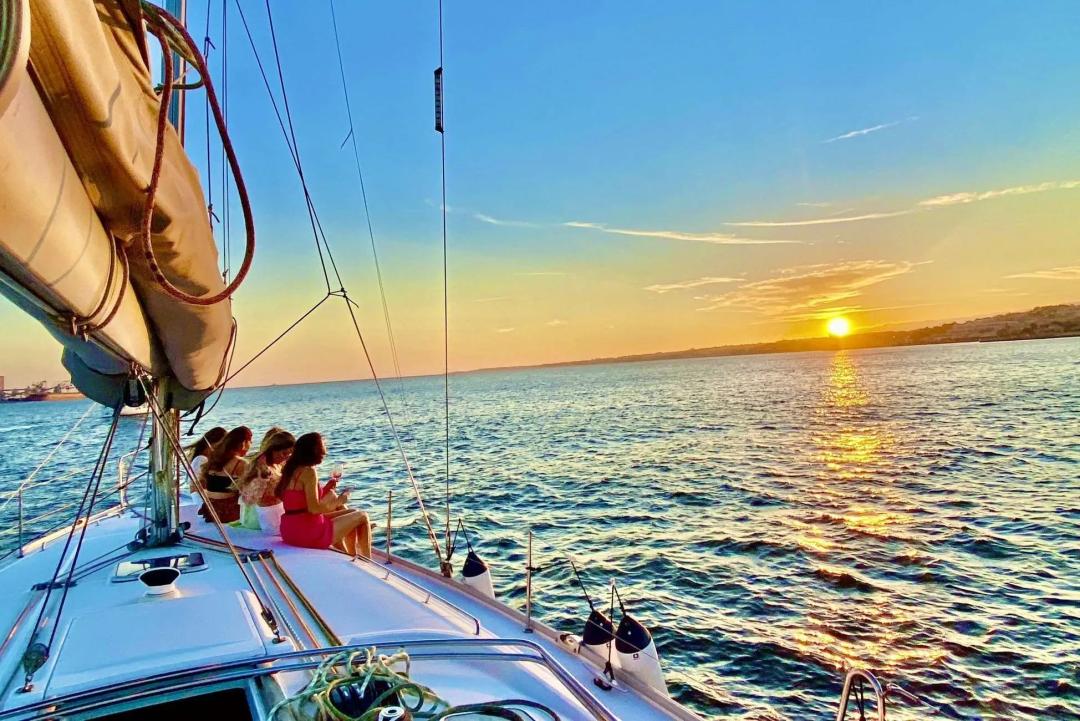
Sintra & Cabo da Roca Ride
Fairytale palaces and Europe’s westernmost point
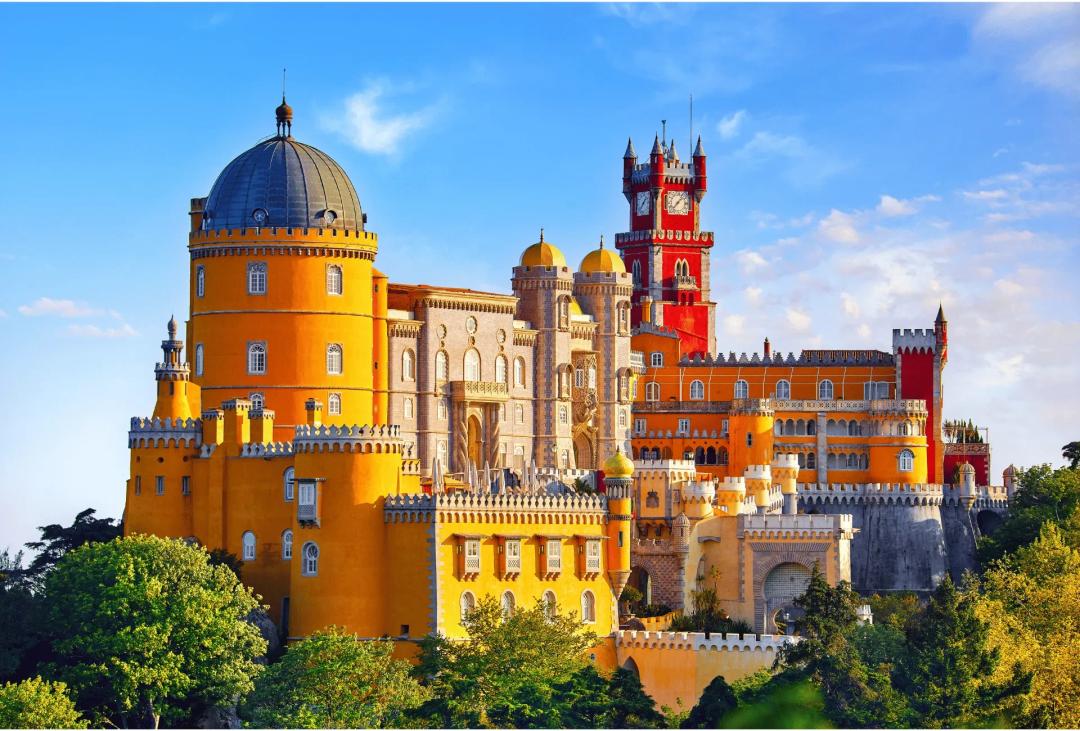
Just outside Lisbon, the roads to Sintra and Cabo da Roca are some of Portugal’s best day rides. Sintra is filled with palaces and castles, while Cabo da Roca is the dramatic western tip of continental Europe.
Highlights
✔️ Ride winding roads into the Sintra hills
✔️ Visit Pena Palace and Quinta da Regaleira
✔️ Panoramic views at Cabo da Roca cliffs
✔️ UNESCO-listed Sintra town
✔️ Perfect half-day or full-day ride from Lisbon
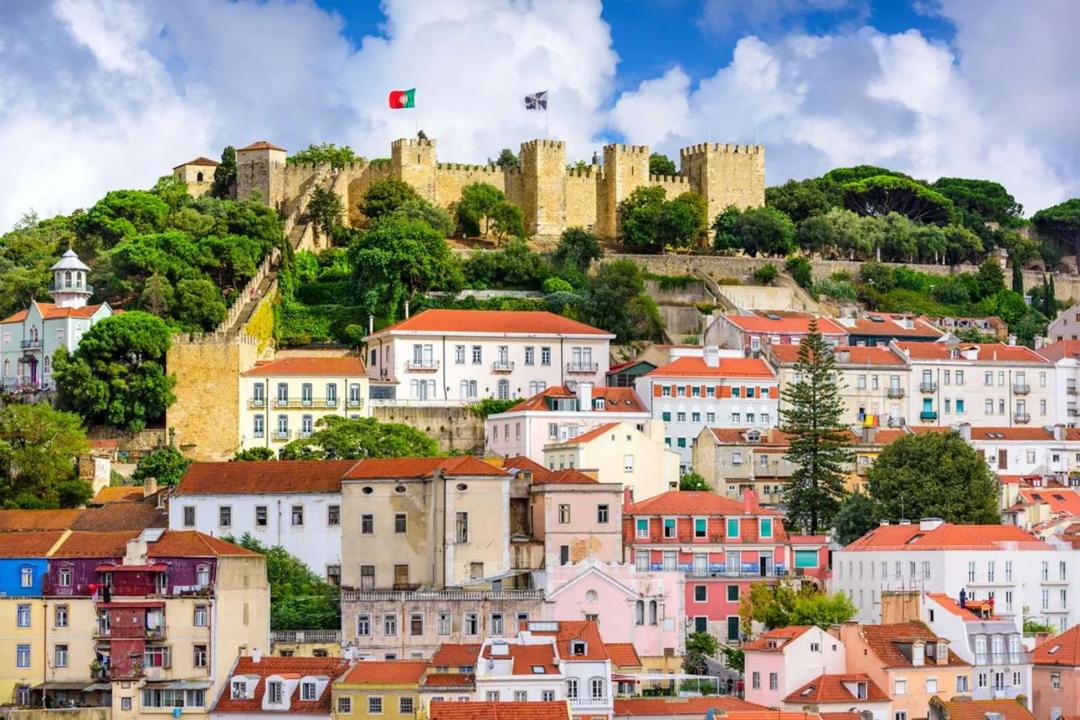
Castelo de São Jorge
Hilltop fortress with city views
This medieval castle dominates Lisbon’s skyline, offering panoramic views over the Tagus River and the city’s seven hills. Its walls and towers reveal centuries of Portuguese history.
Highlights
✔️ Walk along ancient fortress walls
✔️ Panoramic views over Lisbon and the river
✔️ Explore towers, gardens, and a small museum
✔️ Learn about Lisbon’s Moorish past
✔️ Iconic landmark above Alfama
Oceanário de Lisboa
One of Europe’s top aquariums
Located in Parque das Nações, the Oceanário is one of Europe’s largest and most impressive aquariums. Its massive central tank recreates the open ocean.
Highlights
✔️ Huge tank with sharks, rays, and sunfish
✔️ Explore ecosystems from around the world
✔️ Family-friendly and educational
✔️ Iconic building on Lisbon’s waterfront
✔️ Top-rated attraction in Portugal