THINGS TO DO INSPAIN
Things to Do in Spain | REVV Travel
Spain is one of Europe’s most exciting destinations for travelers on two wheels. Beyond its legendary riding routes through the Pyrenees, Andalusia, and the rugged coasts of Galicia, Spain offers a world of cultural treasures, vibrant cities, and unforgettable experiences. Ride into medieval towns, explore UNESCO World Heritage sites, and discover the country’s diverse landscapes—ranging from sun-soaked beaches and rolling vineyards to snow-capped peaks and desert plateaus. With its perfect mix of roads, culture, and gastronomy, Spain is more than a destination—it’s a journey.
Whether your adventure takes you through the twisty mountain passes of the Sierra Nevada, the coastal roads of Catalonia, or the open plains of Castilla, Spain offers much more than just the ride. Taste world-class cuisine in San Sebastián, enjoy flamenco nights in Seville, or admire Gaudí’s masterpieces in Barcelona. Wherever you stop, you’ll find history, character, and authentic Spanish hospitality waiting for you.
TOPATTRACTIONS
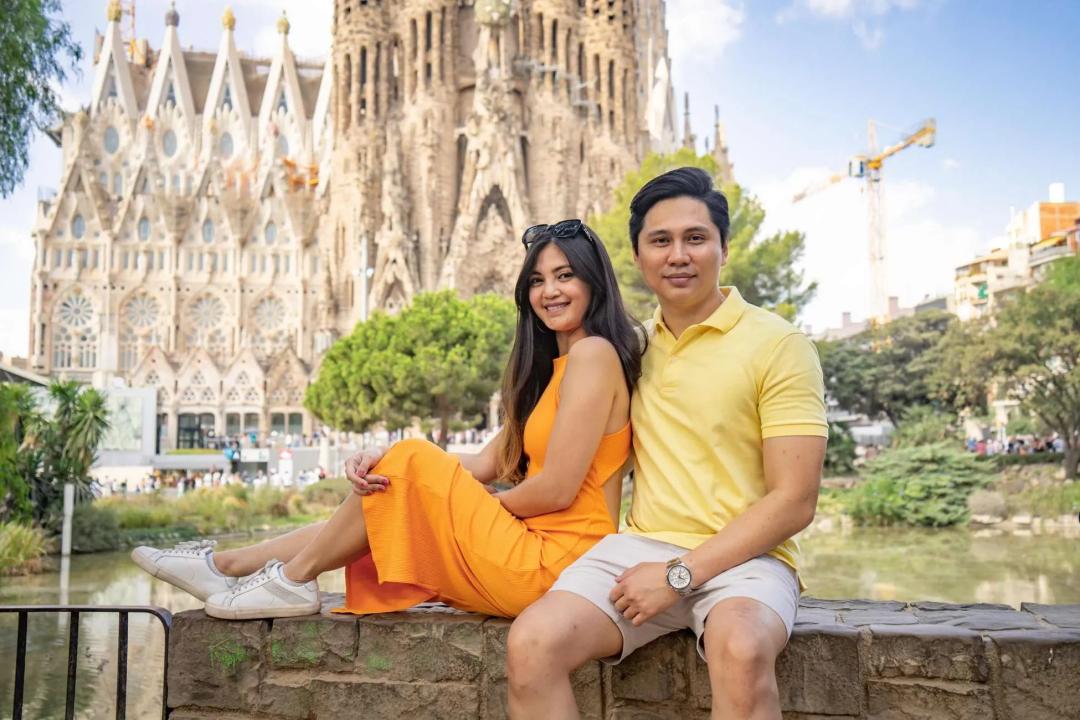
Sagrada Família
Gaudí’s unfinished masterpiece and Barcelona’s most iconic landmark
No trip to Barcelona is complete without visiting the Sagrada Família, Antoni Gaudí’s breathtaking basilica and the city’s most famous monument. A UNESCO World Heritage Site, this architectural wonder combines Gothic traditions with Gaudí’s unique modernist vision. Easily accessible from the city center, it’s a must-see stop whether you’re exploring Barcelona on foot or arriving after a scenic ride along the Mediterranean coast.
Highlights
✔️ Marvel at Gaudí’s world-famous architecture and intricate facades
✔️ Step inside to see the spectacular stained-glass windows and towering columns
✔️ Learn about the history of the basilica, under construction since 1882
✔️ Climb the towers for panoramic views across Barcelona
✔️ One of Spain’s top cultural attractions and a UNESCO World Heritage Site
Camp Nou
The legendary home of FC Barcelona
For football fans, visiting Camp Nou is a pilgrimage. Home to FC Barcelona, one of the most successful football clubs in the world, the stadium offers immersive tours of its grounds, trophy room, and museum. Even non-football fans will appreciate its cultural significance.
Highlights
✔️ Walk through Europe’s largest football stadium
✔️ Explore the Barça Museum and trophy collection
✔️ Step into the players’ tunnel and onto the pitch
✔️ Learn the history of one of the world’s greatest clubs
✔️ A must for sports and culture lovers alike

La Boqueria Market
Barcelona’s most famous food market
Located on Las Ramblas, La Boqueria is a vibrant food market filled with colors, aromas, and flavors. Ideal for a mid-day stop, it’s the perfect place for bikers to sample fresh tapas, seafood, and authentic Catalan specialties before continuing their journey.
Highlights
✔️ Taste Iberian ham, seafood, cheeses, and Catalan tapas
✔️ Stroll through colorful stalls packed with local produce
✔️ Experience Barcelona’s lively food culture
✔️ Enjoy quick bites or sit-down meals inside the market
✔️ A favorite stop for food lovers and travelers alike
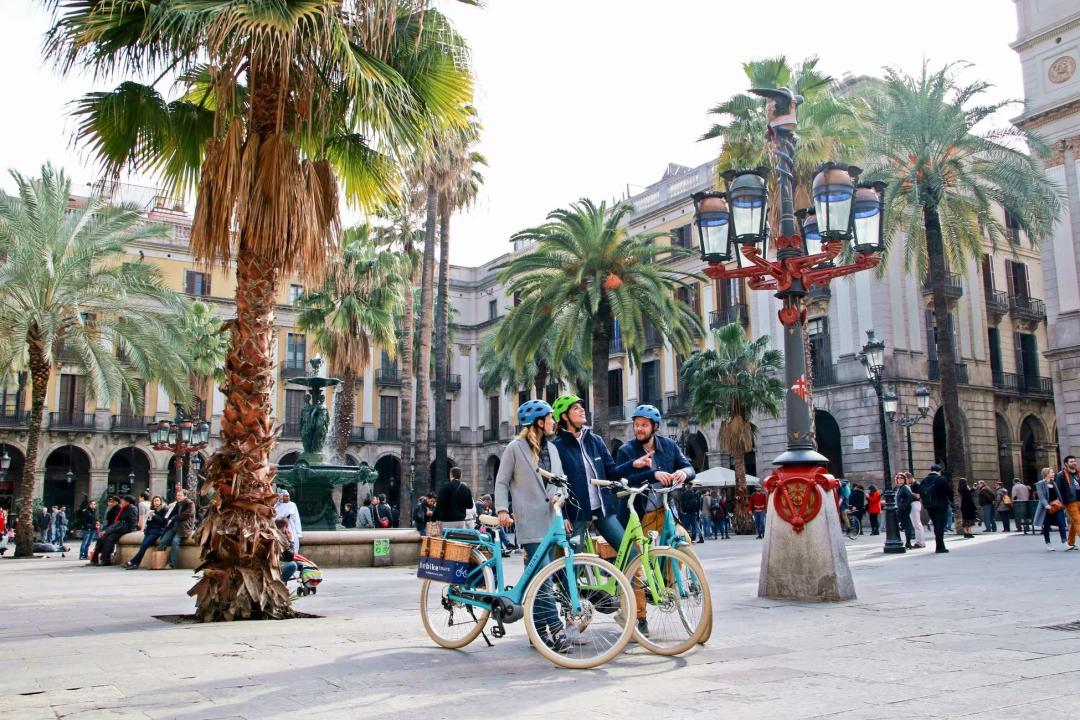
Passeig de Gràcia
Barcelona’s grand boulevard of art, shopping, and architecture
Passeig de Gràcia is Barcelona’s most elegant avenue, lined with luxury shops, stylish cafés, and architectural gems. Here you’ll find Gaudí’s Casa Batlló and La Pedrera, making it both a cultural and shopping destination in one.
Highlights
✔️ Admire Gaudí’s Casa Batlló and Casa Milà (La Pedrera)
✔️ Explore other modernist landmarks along the boulevard
✔️ Shop world-famous luxury brands and local boutiques
✔️ Enjoy a coffee or meal at stylish cafés and terraces
✔️ Central location with easy access from all parts of the city
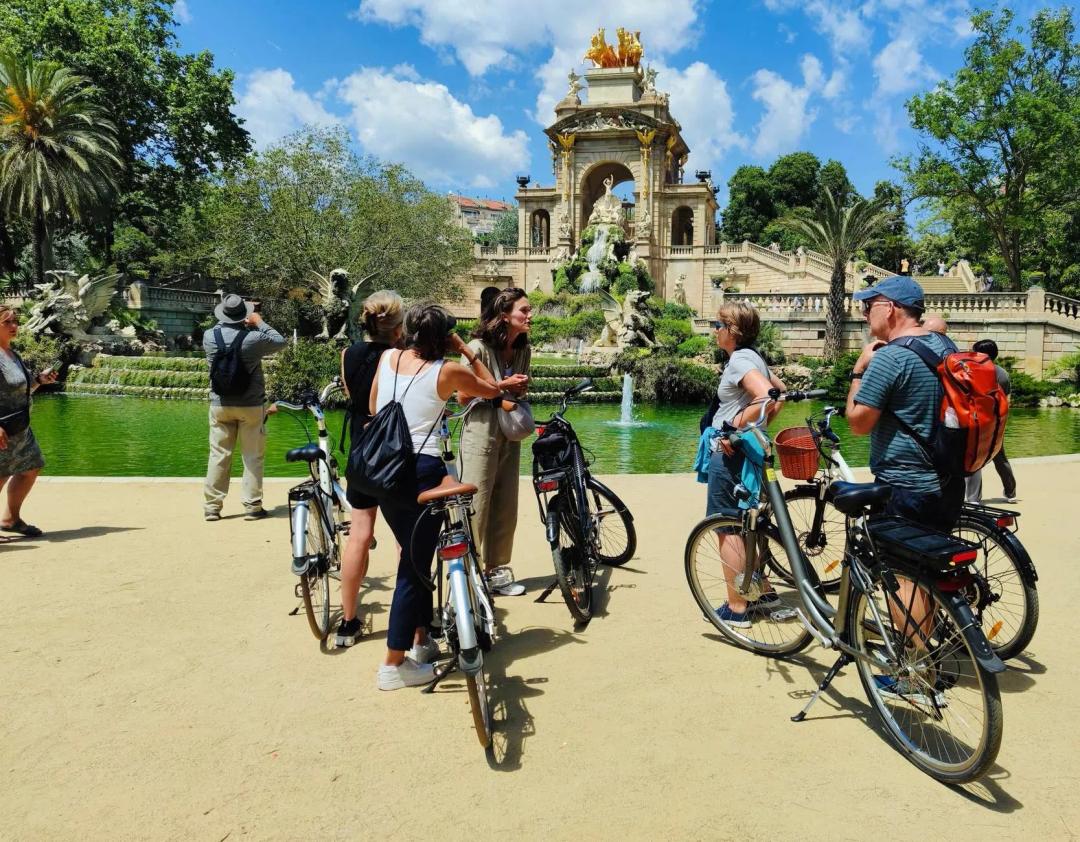
Barceloneta Beach
Sea, sand, and seafood by Barcelona’s waterfront
Barceloneta is Barcelona’s most famous beach district, where you can relax by the sea or ride along the beachfront promenade. It’s the perfect place to end a day of riding with fresh seafood, tapas, or a sunset drink by the Mediterranean.
Highlights
✔️ Relax on Barcelona’s lively urban beach
✔️ Ride or walk along the scenic seaside promenade
✔️ Taste authentic paella and seafood at beachfront restaurants
✔️ Experience the vibrant nightlife of the port area
✔️ Great spot for a break between rides and city exploring
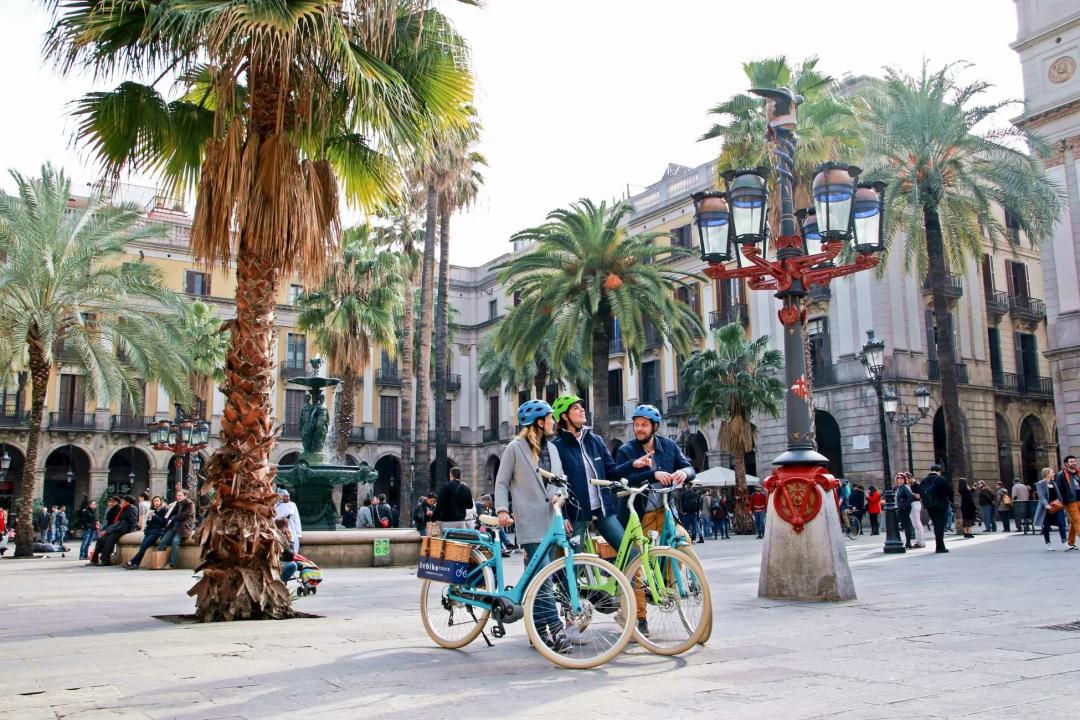
Tibidabo Hill
Panoramic rides and views high above Barcelona
Tibidabo is Barcelona’s highest hill, reached via winding roads that bikers love. At the summit, you’ll find the Temple of the Sacred Heart, a vintage amusement park, and stunning panoramic views over the entire city and coastline.
Highlights
✔️ Scenic ride through winding mountain roads
✔️ Visit the Temple of the Sacred Heart at the summit
✔️ Enjoy panoramic views over Barcelona and the sea
✔️ Explore Tibidabo’s historic amusement park
✔️ Perfect mix of nature, culture, and adventure
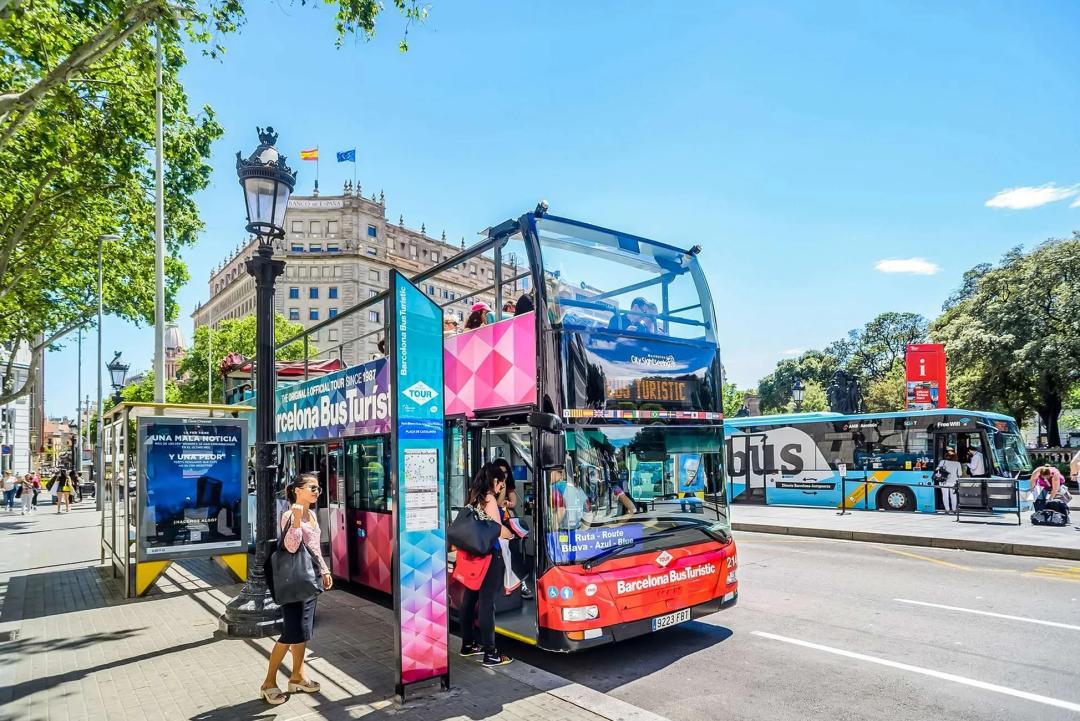
Montserrat Monastery
A spectacular mountain and spiritual retreat near Barcelona
Just an hour from Barcelona, Montserrat is one of Catalonia’s most dramatic landscapes. Its jagged peaks and Benedictine monastery make it a popular day trip for riders and travelers alike. The ride up is a highlight in itself, with winding roads and breathtaking views.
Highlights
✔️ Ride scenic mountain roads leading to Montserrat
✔️ Visit the Benedictine monastery and Black Madonna
✔️ Take the funicular or hike to higher viewpoints
✔️ Discover unique rock formations and hiking trails
✔️ One of Catalonia’s most iconic cultural and natural landmarks
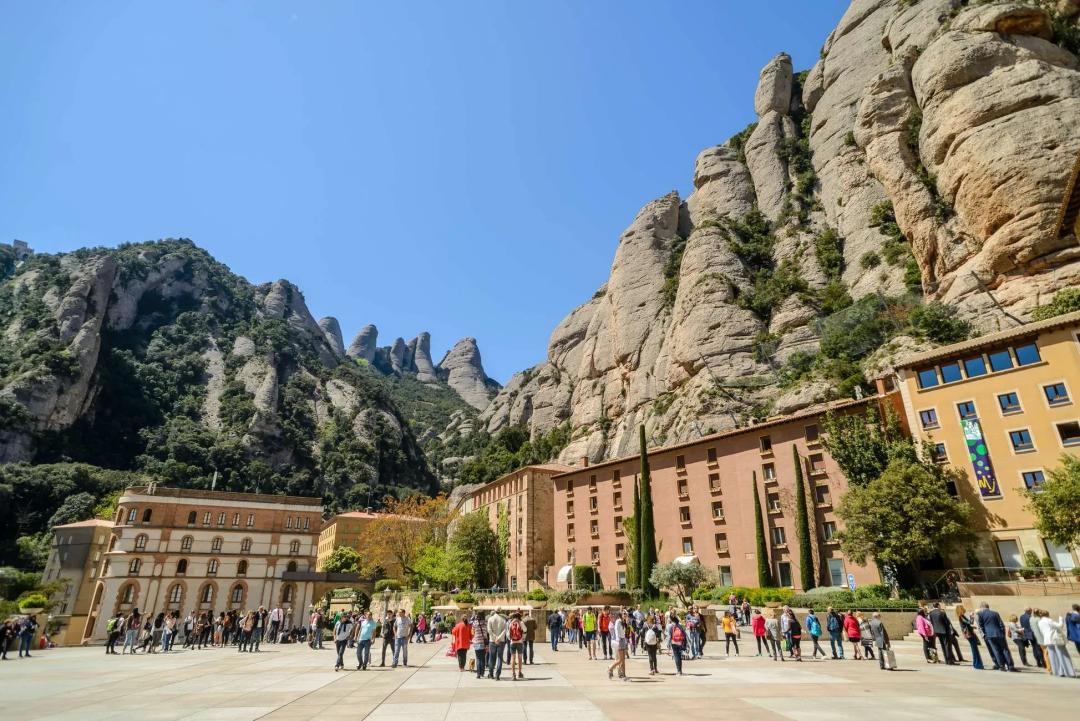
Gothic Quarter
Medieval streets and hidden plazas in Barcelona’s old town
The Gothic Quarter is the heart of old Barcelona, a maze of medieval streets, Roman ruins, and atmospheric squares. Just steps from Las Ramblas, it’s the perfect area to explore after parking your bike nearby and diving into the city’s rich history.
Highlights
✔️ Wander narrow cobblestone streets filled with character
✔️ Visit Barcelona Cathedral and its impressive cloister
✔️ Discover hidden plazas like Plaça Reial and Plaça Sant Felip Neri
✔️ Explore Roman walls and remnants of ancient Barcino
✔️ Enjoy tapas and local wine in authentic bars and cafés
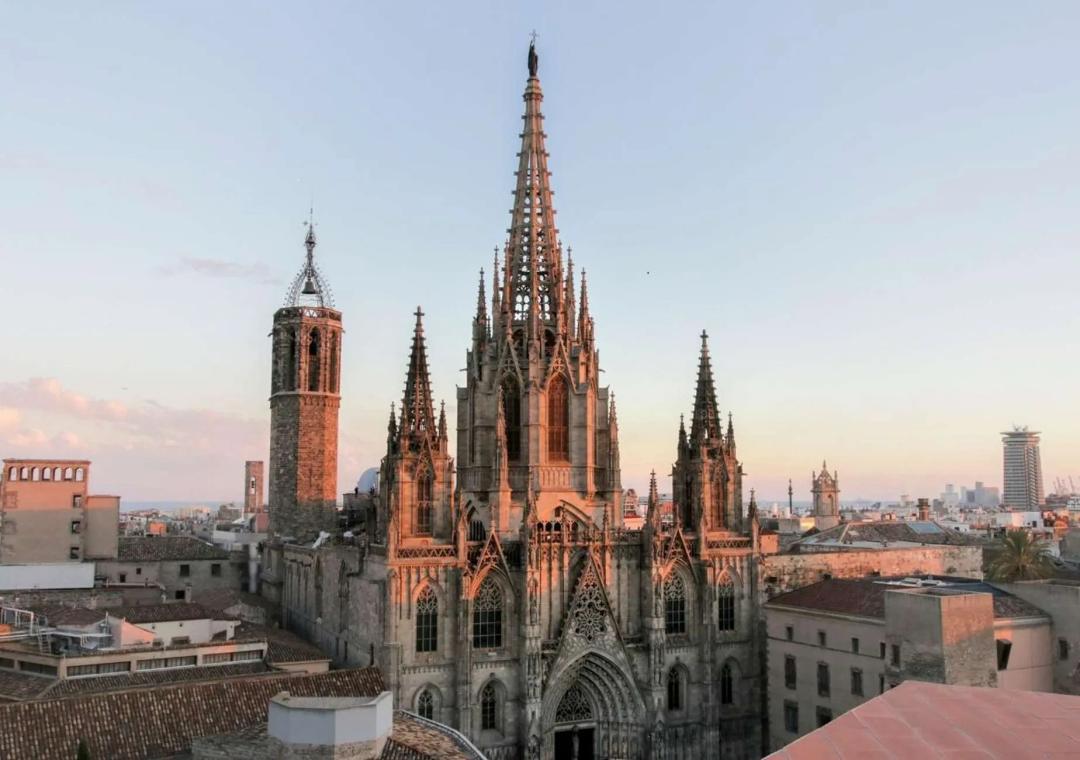
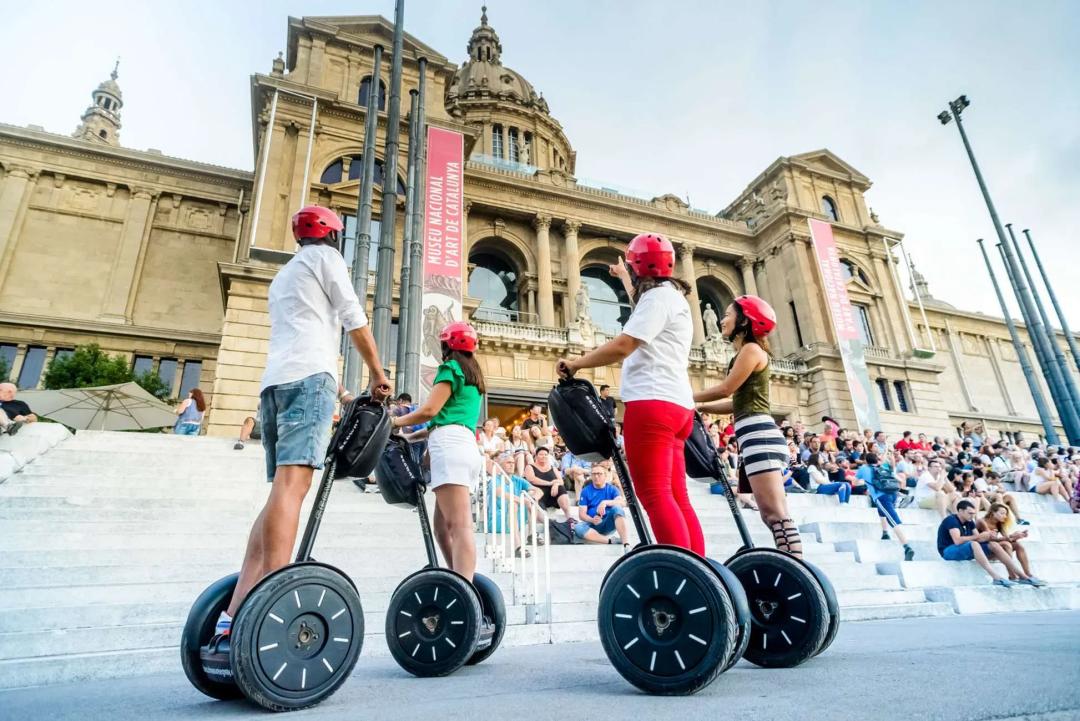
Montjuïc Hill
Scenic rides, culture, and views over Barcelona
Rising above Barcelona’s harbor, Montjuïc Hill combines history, culture, and spectacular views. Ride or drive up winding roads to discover Montjuïc Castle, the Olympic Stadium, and art museums, while enjoying panoramic views of both the city and the sea.
Highlights
✔️ Scenic ride or cable car to the top of Montjuïc
✔️ Visit Montjuïc Castle, an 18th-century fortress
✔️ See the Olympic Stadium and Olympic facilities from 1992
✔️ Explore the Magic Fountain and its evening light shows
✔️ Relax in lush gardens overlooking Barcelona
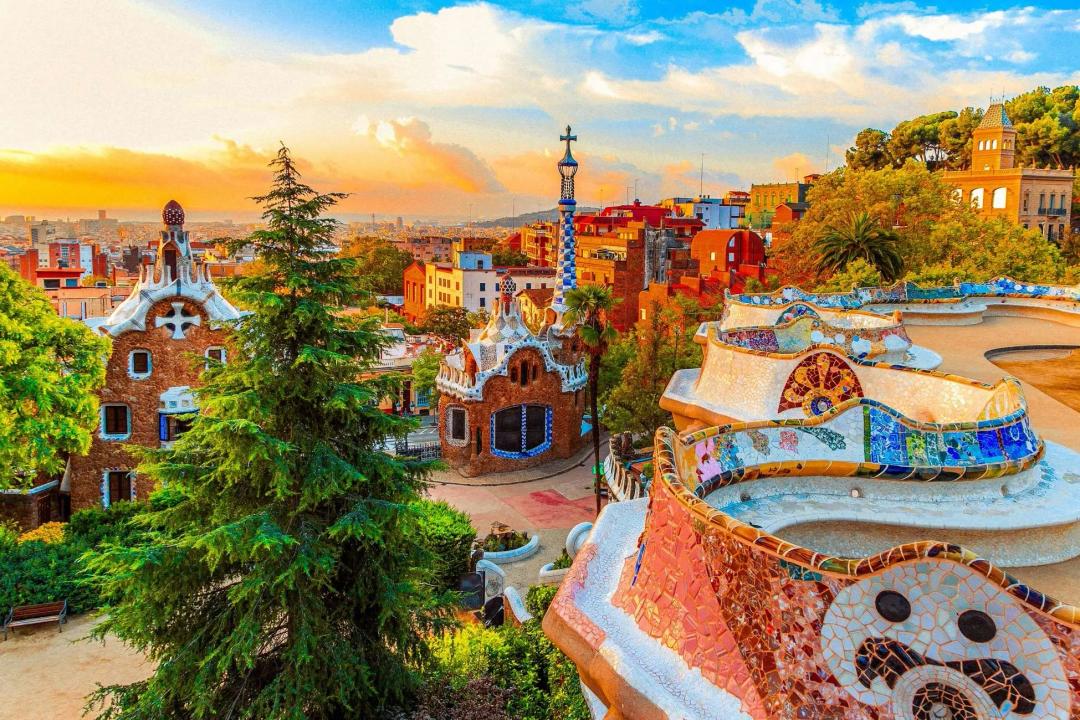
Park Güell
Gaudí’s colorful park with city views
Perched on Carmel Hill, Park Güell is one of Barcelona’s most vibrant attractions. Designed by Antoni Gaudí, this open-air masterpiece features whimsical mosaics, winding paths, and sweeping views of the city. A great stop after a ride through Barcelona’s northern hills, it’s a must for lovers of art, nature, and photography.
Highlights
✔️ See Gaudí’s famous mosaic lizard and colorful ceramic benches
✔️ Wander through unique architectural structures blending with nature
✔️ Enjoy panoramic views over Barcelona and the Mediterranean
✔️ UNESCO World Heritage Site full of creativity and history
✔️ Relax in one of the city’s most iconic green spaces
Málaga Cathedral
The “One-Armed Lady” of Andalusia
Known as “La Manquita” (the one-armed lady) because one of its towers was never completed, Málaga Cathedral is a Renaissance-Baroque masterpiece. Its ornate interiors and rooftop views make it one of the city’s cultural highlights.
Highlights
✔️ Visit Málaga’s most important religious building
✔️ See the unique unfinished south tower
✔️ Admire Renaissance and Baroque architecture
✔️ Explore the impressive interior and chapels
✔️ Rooftop tours with views over the old town
Picasso Museum Málaga
Discover the works of Málaga’s most famous son
Pablo Picasso was born in Málaga, and the Picasso Museum showcases over 200 works of the legendary artist. Housed in a 16th-century palace, it’s a cultural must-see in the city center.
Highlights
✔️ Explore more than 200 works by Picasso
✔️ Visit the Buenavista Palace, a beautiful historic building
✔️ Learn about Picasso’s early life in Málaga
✔️ Discover temporary exhibitions of modern art
✔️ Located in the heart of the old town
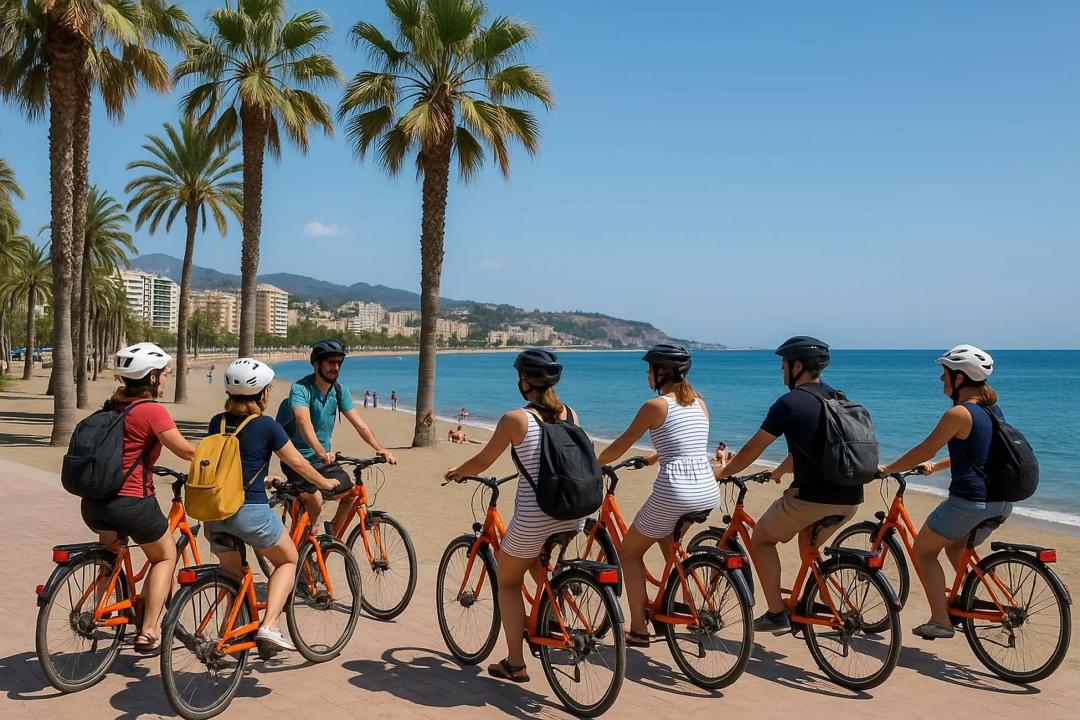
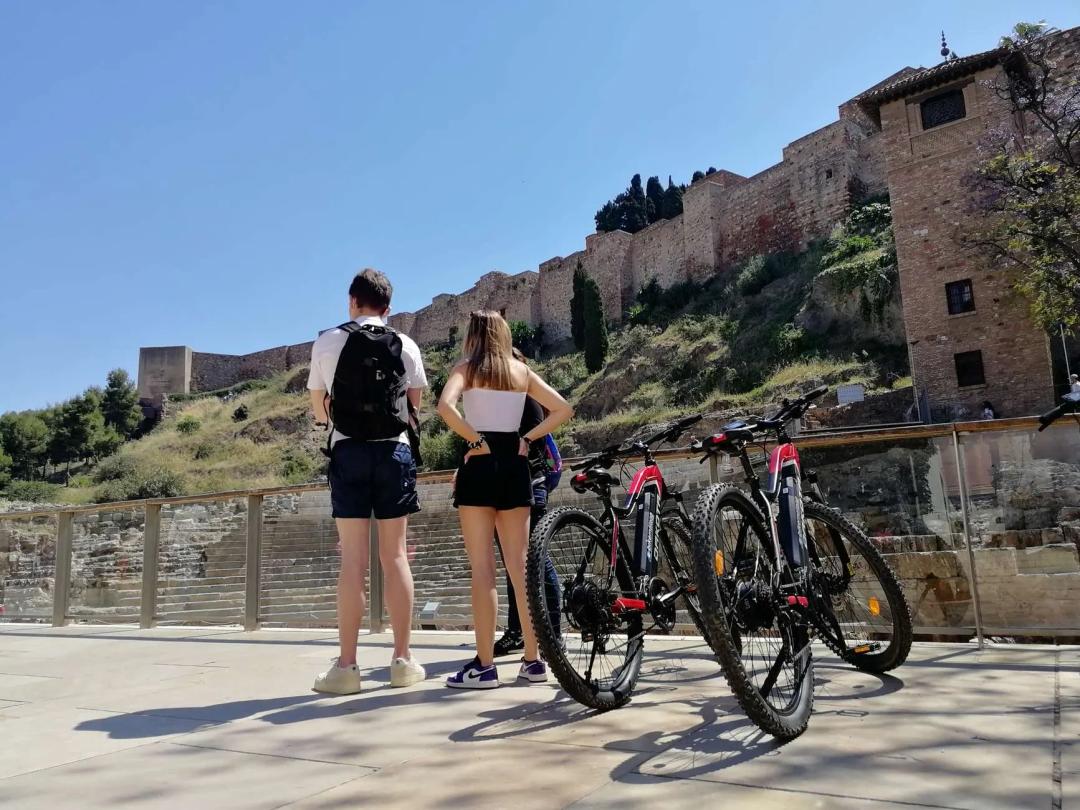
Gibralfaro Castle
Ride up for panoramic views over Málaga
Perched high above the city, Gibralfaro Castle offers the best views of Málaga, its port, and the surrounding mountains. The winding road up is a biker’s delight, making it a perfect scenic stop.
Highlights
✔️ Ride or walk up to Málaga’s best viewpoint
✔️ Explore the castle walls and towers
✔️ Panoramic views over the city, port, and sea
✔️ Learn about its history as a defensive fortress
✔️ Combine with a visit to the Alcazaba below
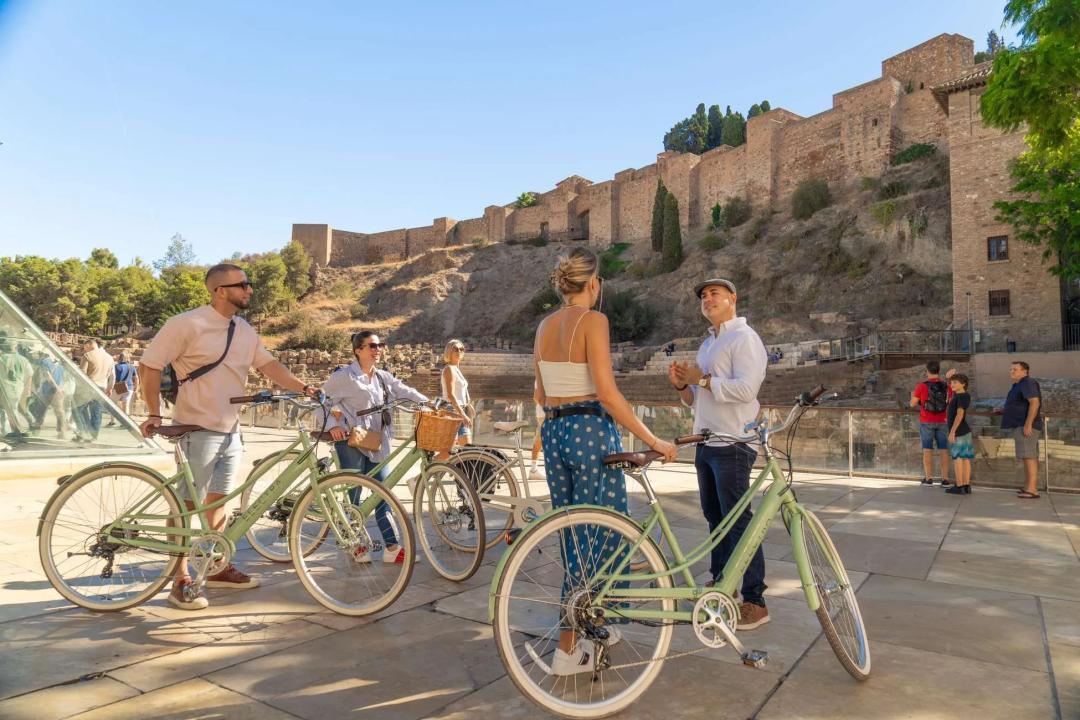
Málaga Old Town
Andalusian charm in the heart of the city
Málaga’s historic center is a lively mix of narrow streets, plazas, and traditional Andalusian architecture. Perfect to explore on foot after a day’s ride, it’s full of tapas bars, cafés, and boutique shops.
Highlights
✔️ Stroll through lively streets like Calle Larios
✔️ Visit picturesque squares like Plaza de la Constitución
✔️ Discover traditional Andalusian courtyards
✔️ Shop at local boutiques and artisan stores
✔️ Enjoy tapas and wine at authentic bars
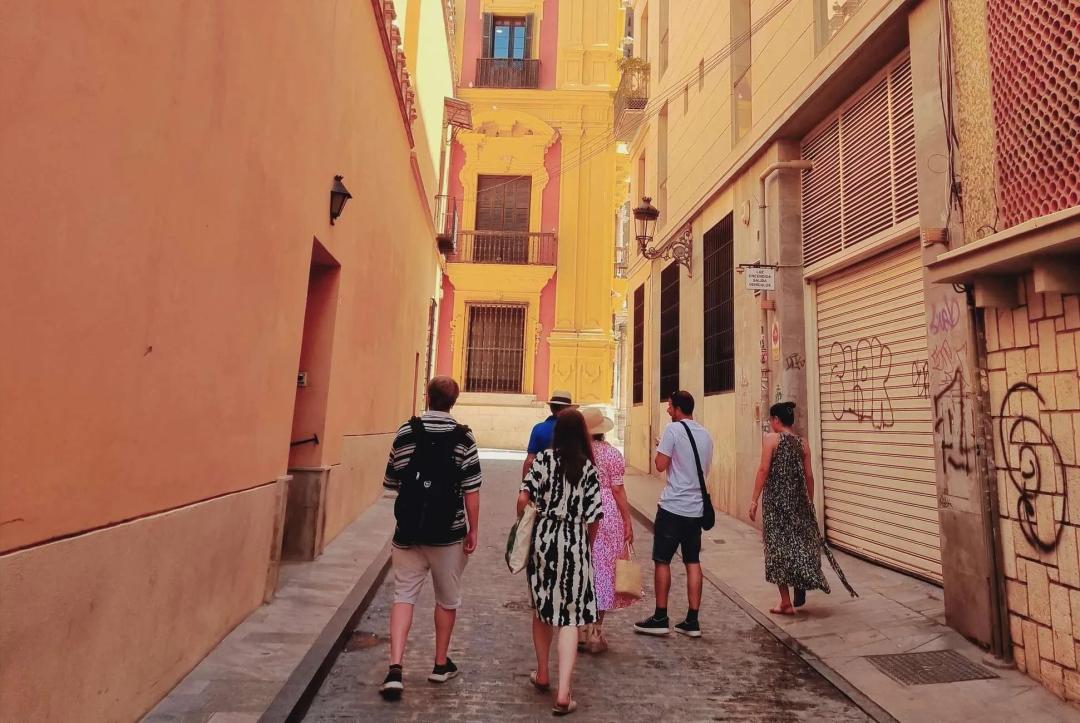
Atarazanas Market
Málaga’s bustling central food market
Housed in a restored 19th-century building with Moorish origins, Atarazanas Market is the best place to sample Málaga’s gastronomy. Fresh produce, seafood, and tapas make it an essential foodie stop.
Highlights
✔️ Taste fresh seafood and local specialties
✔️ Explore colorful market stalls and aromas
✔️ Admire the market’s stunning stained-glass window
✔️ Enjoy affordable tapas at market bars
✔️ Lively atmosphere, perfect for a mid-day stop
Centre Pompidou Málaga
Modern art in a colorful cube by the sea
Málaga is known as the “City of Museums,” and the Centre Pompidou brings Paris’ famous collection of modern art to Andalusia. Its colorful cube design is now a city landmark by the port.
Highlights
✔️ Explore modern and contemporary art exhibitions
✔️ Iconic building: the colorful glass cube by the harbor
✔️ Rotating exhibits from Paris’ Pompidou Centre
✔️ Perfect blend of art and architecture
✔️ Located in the modern port district (Muelle Uno)

La Malagueta Beach
Málaga’s urban beach escape
Just a short ride from the city center, La Malagueta is Málaga’s main beach. Lined with chiringuitos (beach bars), it’s the perfect spot to relax after exploring the city or riding along the Costa del Sol.
Highlights
✔️ Explore modern and contemporary art exhibitions
✔️ Iconic building: the colorful glass cube by the harbor
✔️ Rotating exhibits from Paris’ Pompidou Centre
✔️ Perfect blend of art and architecture
✔️ Located in the modern port district (Muelle Uno)
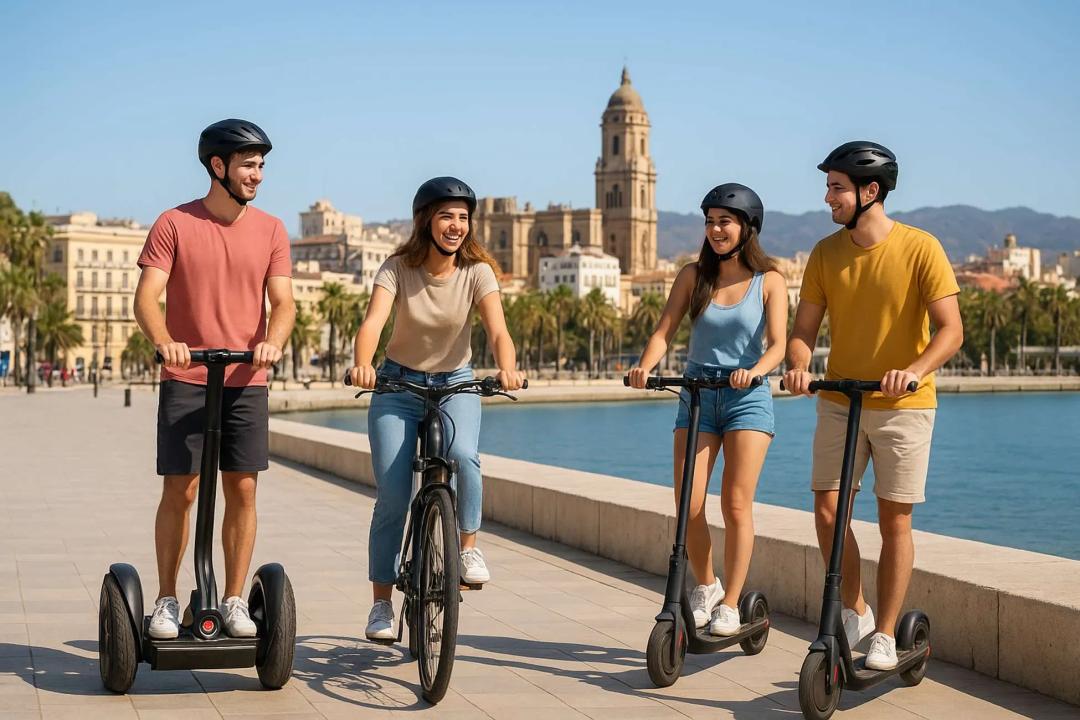
Caminito del Rey
Spain’s most famous cliffside walkway
Just an hour from Málaga, the Caminito del Rey is a thrilling walkway clinging to steep cliffs above the Guadalhorce River. Once known as the “world’s most dangerous path,” it’s now a safe but spectacular adventure for bikers and travelers alike.
Highlights
✔️ Walk along suspended pathways above the gorge
✔️ Enjoy breathtaking mountain and river views
✔️ Ride through scenic roads to reach Ardales
✔️ Learn the history of this engineering marvel
✔️ One of Andalusia’s top outdoor adventures
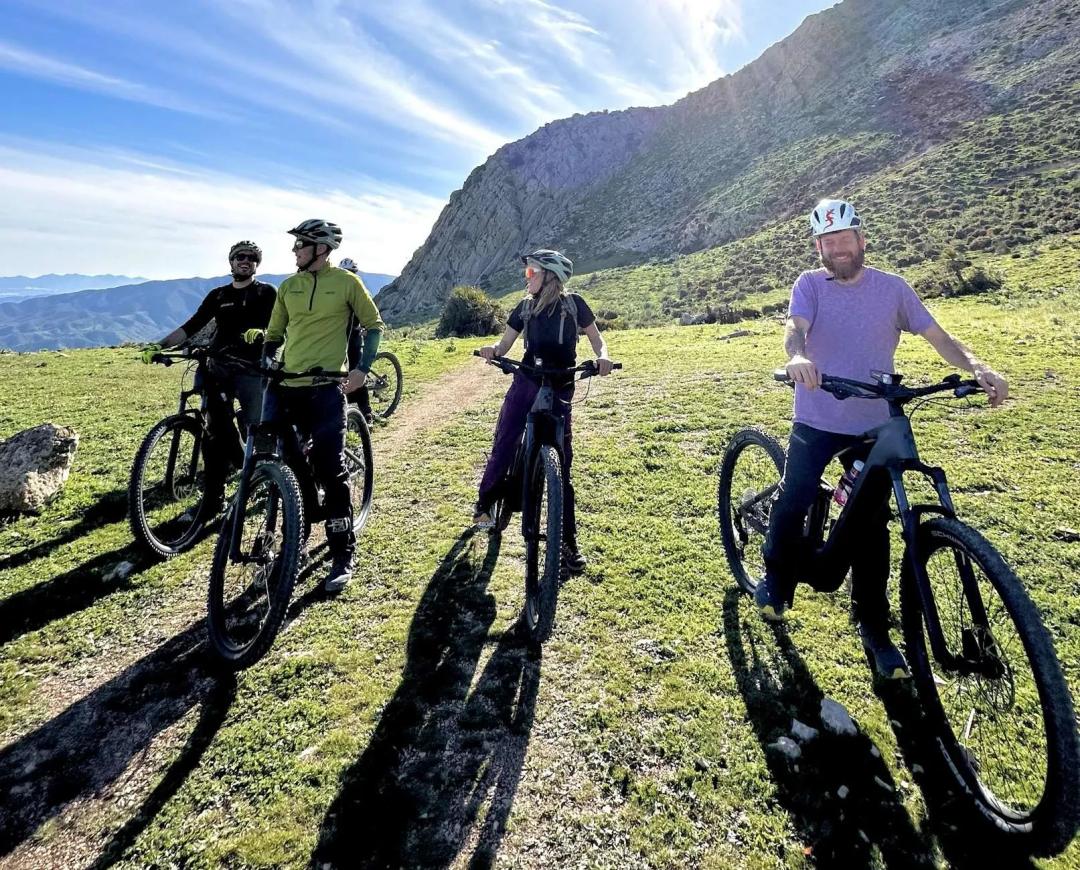
Ronda
A dramatic cliffside town in Andalusia’s mountains
Ronda is one of Andalusia’s most beautiful towns, perched dramatically on a gorge with its iconic Puente Nuevo bridge. The ride from Málaga to Ronda is one of the best in Spain, filled with winding mountain roads and stunning views.
Highlights
✔️ Ride scenic mountain roads to Ronda
✔️ Cross the spectacular Puente Nuevo bridge
✔️ Explore Ronda’s historic bullring and old town
✔️ Enjoy cliffside cafés with incredible views
✔️ One of Andalusia’s most iconic white towns
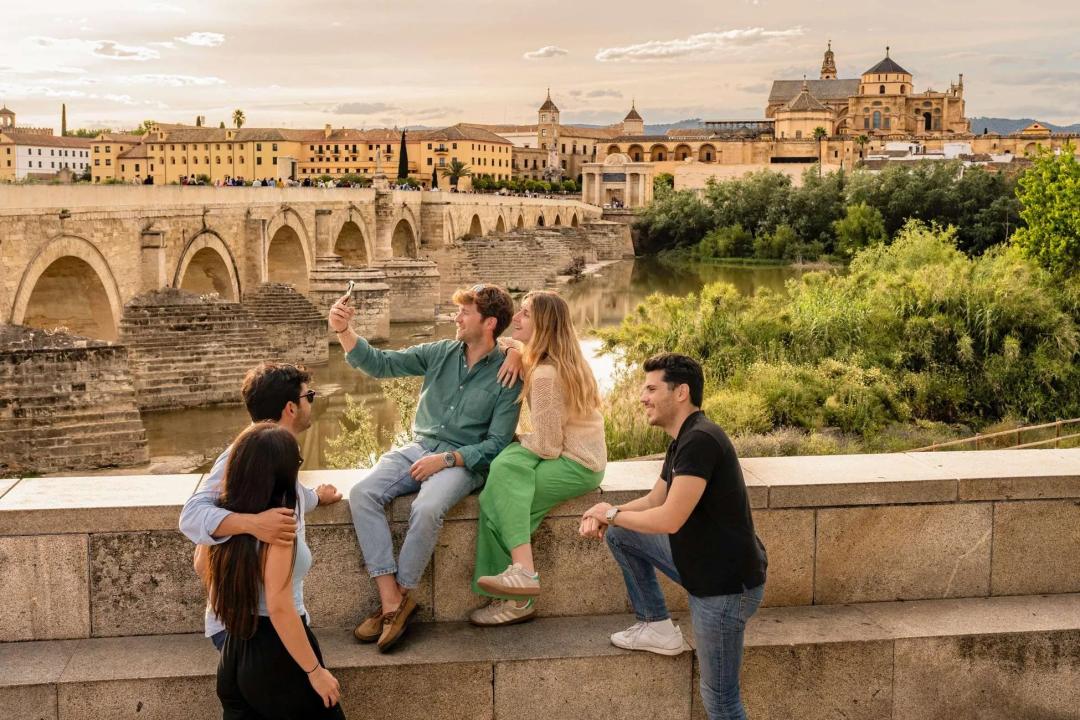
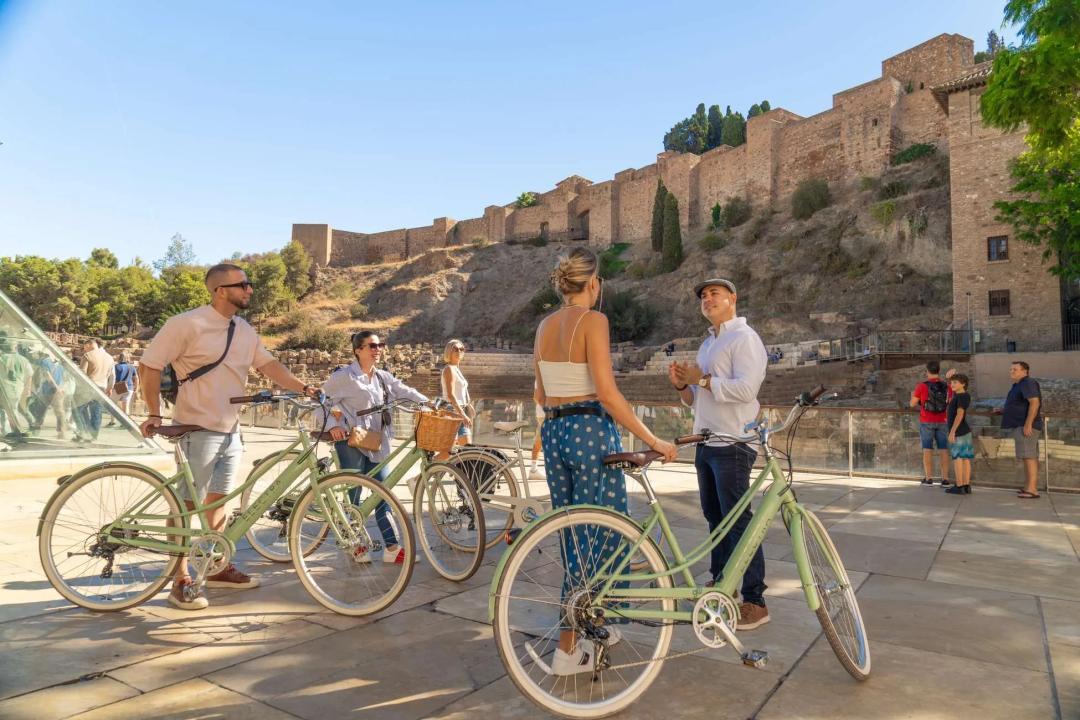
Alcazaba of Málaga
A Moorish fortress with stunning city views
The Alcazaba is Málaga’s most iconic monument, a well-preserved Moorish fortress built in the 11th century. Overlooking the port and city center, it’s a must-visit for history lovers and a perfect stop after a coastal ride along the Costa del Sol.
Highlights
✔️ Explore one of Spain’s best-preserved Moorish fortresses
✔️ Walk through lush gardens, courtyards, and arches
✔️ Enjoy sweeping views over Málaga and the Mediterranean
✔️ Learn about the city’s Islamic heritage
✔️ Located right next to the Roman Theatre
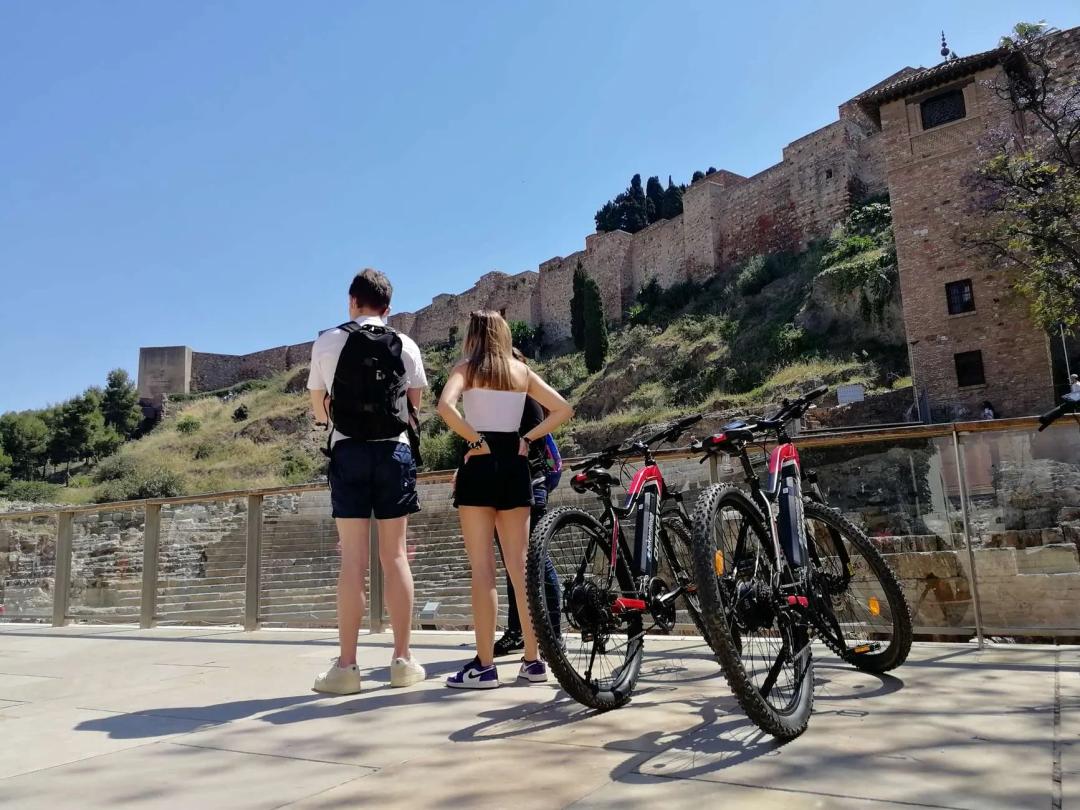
Temple of Debod
An ancient Egyptian temple in Madrid
The Temple of Debod is a 2,200-year-old Egyptian temple relocated to Madrid in the 20th century. Surrounded by a park, it’s one of the city’s most unique landmarks and a favorite sunset spot.
Highlights
✔️ Explore an authentic ancient Egyptian temple
✔️ Learn its history from the Nile to Madrid
✔️ Stunning views over Casa de Campo park
✔️ Magical sunsets with temple reflections in the water
✔️ Free to visit and open to all
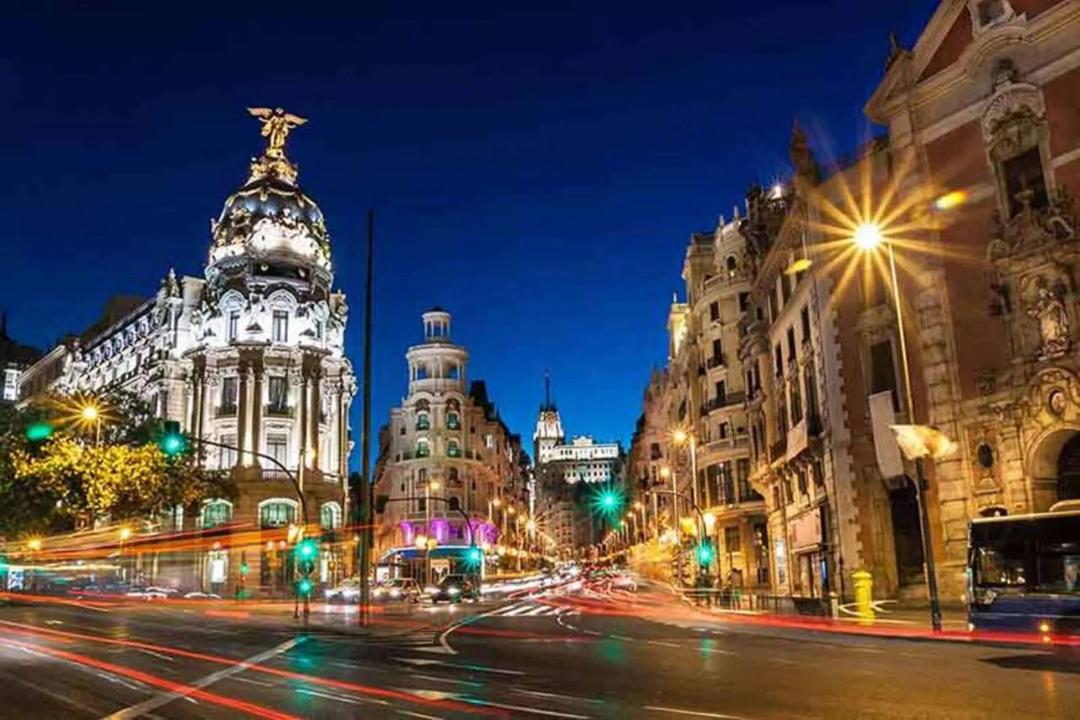
Gran Vía
Madrid’s famous shopping and entertainment avenue
Gran Vía is Madrid’s most famous street, lined with theaters, shops, and historic buildings. Known as the “Spanish Broadway,” it’s a lively destination both day and night.
Highlights
✔️ Shop international and Spanish fashion brands
✔️ See iconic buildings like the Telefónica Building and Metropolis
✔️ Catch a musical or theater show
✔️ Lively nightlife and rooftop bars
✔️ One of Madrid’s most photographed streets
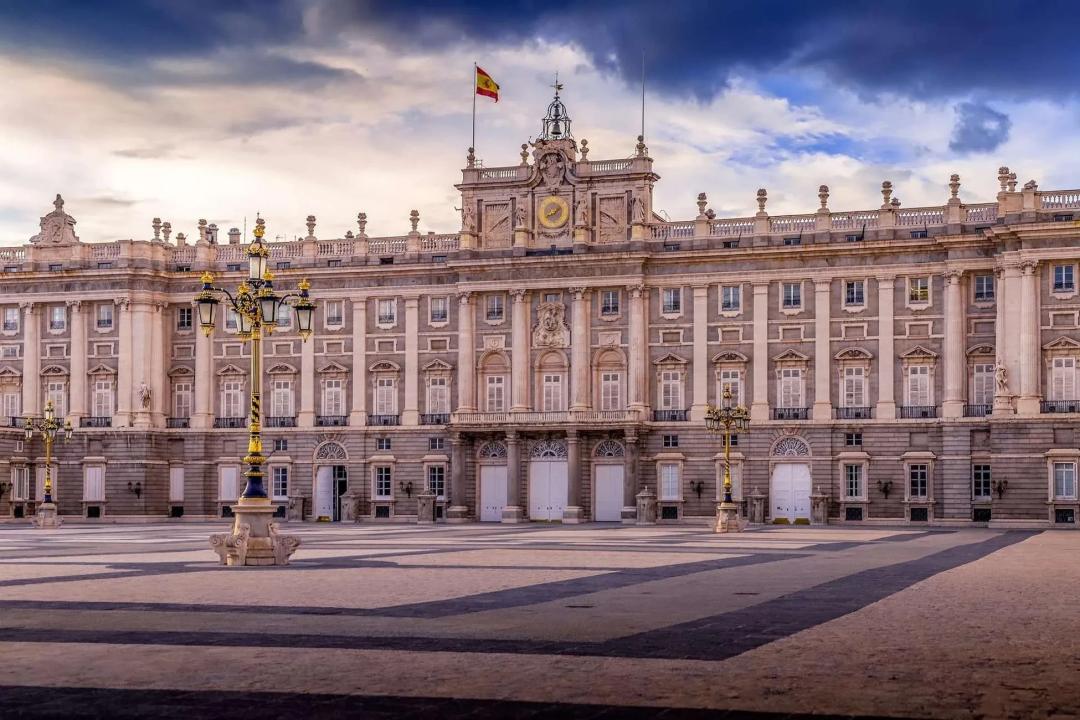
Royal Palace of Madrid
Europe’s largest royal palace
The Royal Palace of Madrid is the largest functioning royal palace in Europe and one of the city’s top landmarks. With over 3,000 rooms, grand staircases, and lavish décor, it’s a must-see cultural stop in the Spanish capital.
Highlights
✔️ Explore the official residence of Spain’s monarchs
✔️ Visit the Throne Room, Royal Armoury, and Royal Chapel
✔️ Stroll through the Sabatini Gardens nearby
✔️ Admire neoclassical and baroque architecture
✔️ One of Madrid’s most photographed attractions
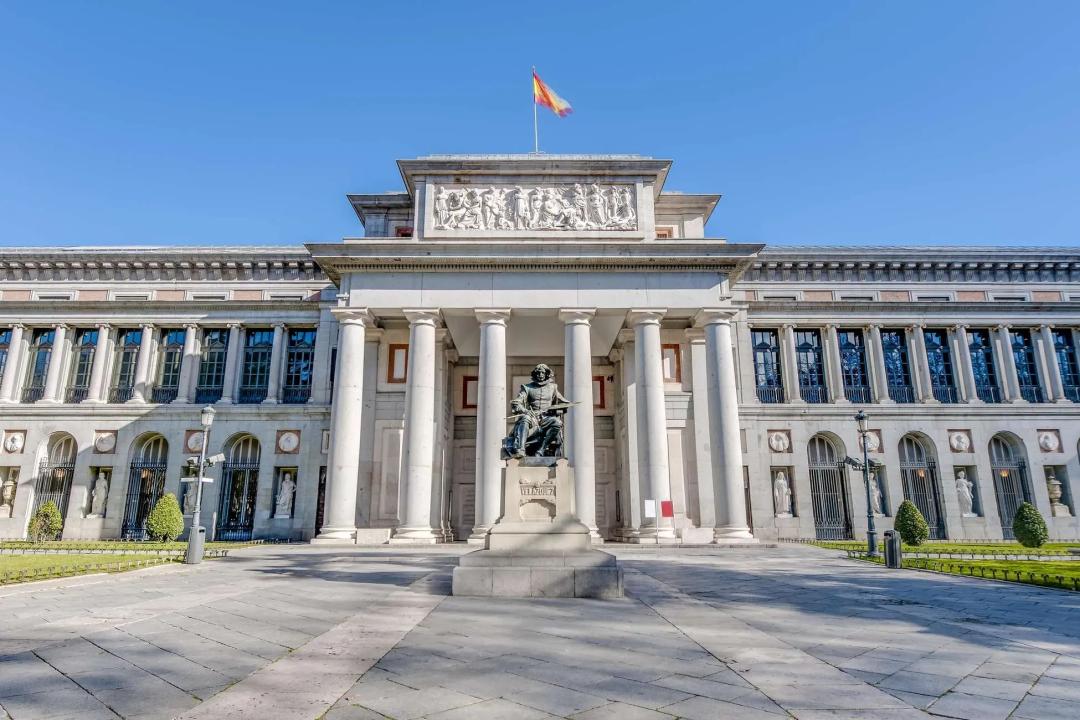
Prado Museum
Spain’s national art museum
The Prado is one of the world’s most important art museums, featuring masterpieces by Velázquez, Goya, Rubens, and El Greco. Located along the city’s “Golden Triangle of Art,” it’s a cultural highlight worth a dedicated stop.
Highlights
✔️ See Las Meninas by Velázquez and The Third of May by Goya
✔️ Explore over 7,000 works of European art
✔️ Part of Madrid’s “Golden Triangle of Art”
✔️ Temporary exhibitions with rotating collections
✔️ Central location near Retiro Park
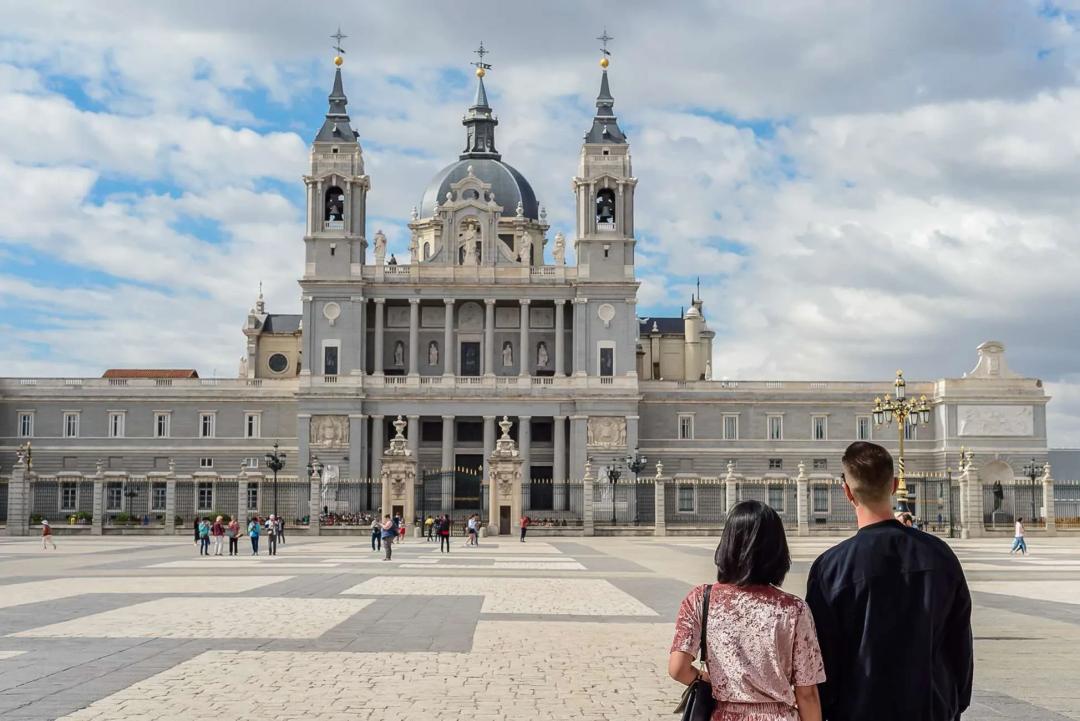
Puerta del Sol
Madrid’s bustling central square
Puerta del Sol is the vibrant heart of Madrid, known for its lively atmosphere, iconic clock tower, and the symbolic “Kilometer Zero” marker. It’s a central hub for exploring the city on foot.
Highlights
✔️ Stand at Spain’s “Kilometer Zero”
✔️ See the famous Tío Pepe sign and clock tower
✔️ Meet the Bear and Strawberry Tree statue, symbol of Madrid
✔️ Lively atmosphere with street performers and cafés
✔️ Walking distance to Gran Vía and Plaza Mayor
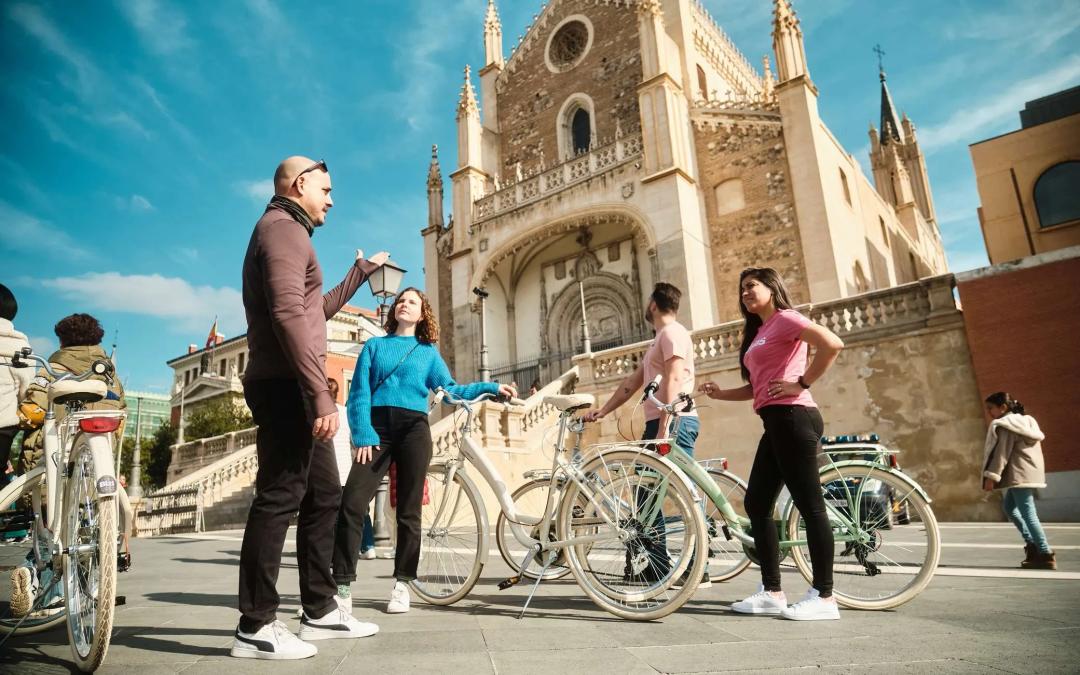
Sierra de Guadarrama
Scenic mountain roads just outside Madrid
Just an hour from Madrid, the Sierra de Guadarrama offers riders some of central Spain’s best roads. Winding mountain passes, fresh air, and picturesque towns make it a perfect day trip on two wheels.
Highlights
✔️ Ride twisty mountain roads with incredible views
✔️ Visit charming towns like Rascafría and Cercedilla
✔️ Discover nature trails and mountain lakes
✔️ Perfect escape from Madrid’s urban energy
✔️ Popular among bikers for scenic day rides

Plaza Mayor
Madrid’s historic square
Plaza Mayor is one of Madrid’s most iconic landmarks, a grand 17th-century square surrounded by elegant arcades and terraces. It’s a favorite meeting spot and perfect for tapas and people-watching.
Highlights
✔️ Admire the uniform architecture of the square
✔️ See the statue of King Philip III at the center
✔️ Enjoy cafés and traditional restaurants around the arcades
✔️ Seasonal events, markets, and concerts
✔️ Central stop when exploring Madrid’s old town
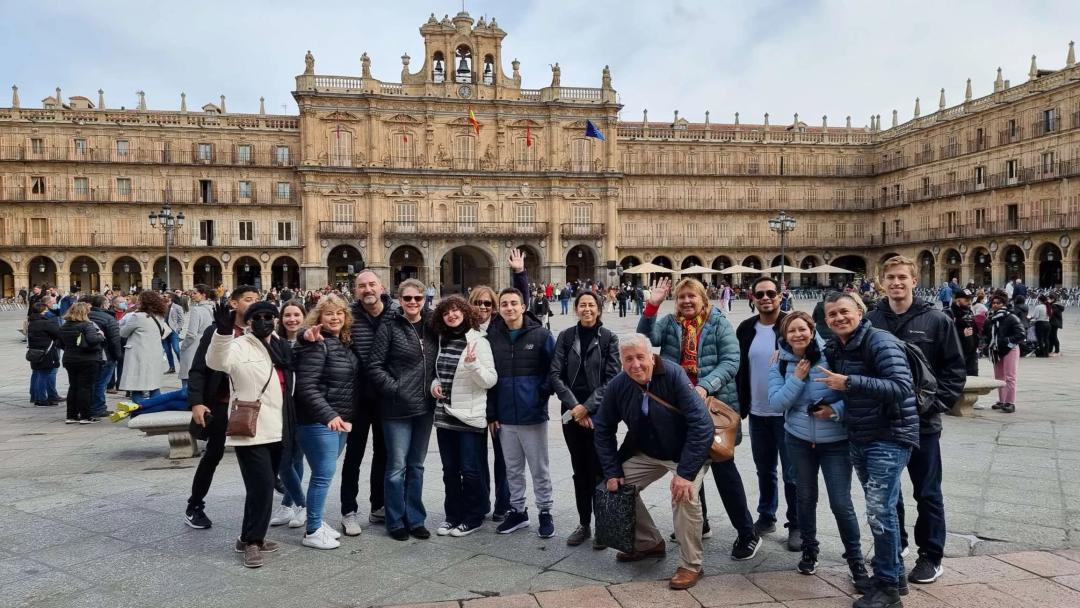
Retiro Park
Madrid’s green oasis
Parque del Buen Retiro is Madrid’s most famous park, offering 125 hectares of gardens, monuments, and lakes. A favorite for both locals and visitors, it’s the perfect place to relax after exploring the city.
Highlights
✔️ Stroll around the Crystal Palace and Rose Garden
✔️ Rent a boat on the Retiro lake
✔️ See sculptures, fountains, and monuments throughout the park
✔️ UNESCO World Heritage Site since 2021
✔️ Peaceful escape in the heart of Madrid
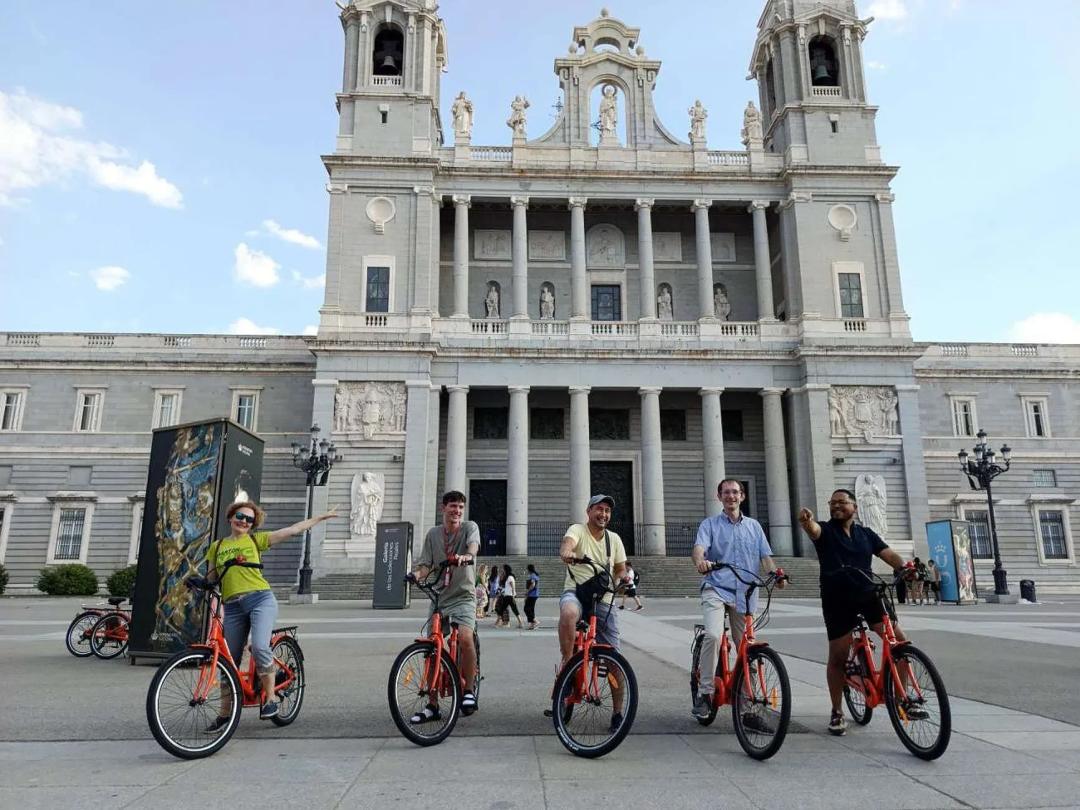
Reina Sofía Museum
Modern and contemporary Spanish art
The Reina Sofía is Madrid’s modern art museum, most famous for housing Picasso’s Guernica. Its collection spans works by Dalí, Miró, and other masters of 20th-century art.
Highlights
✔️ See Picasso’s world-famous Guernica
✔️ Explore works by Dalí, Miró, and Spanish avant-garde artists
✔️ Modern galleries in a converted 18th-century hospital
✔️ Regular temporary exhibitions
✔️ Part of Madrid’s “Golden Triangle of Art”
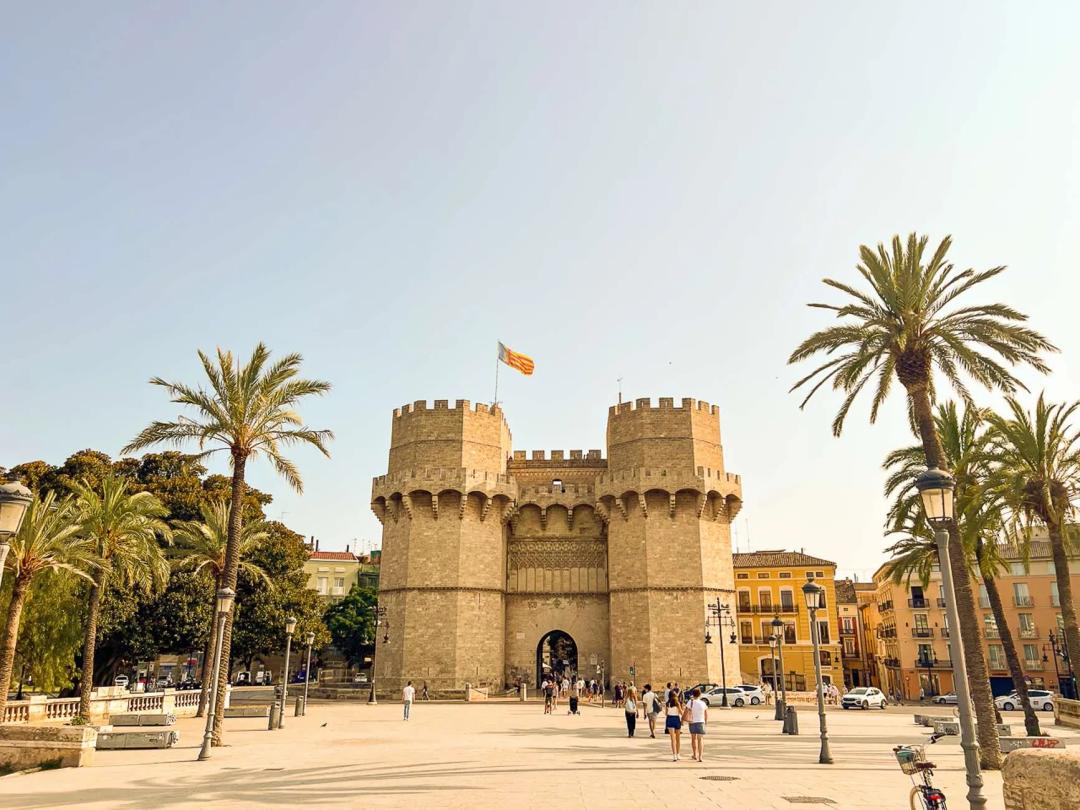
Santiago Bernabéu Stadium
Home of Real Madrid CF
For football fans, the Santiago Bernabéu is a must-visit. Home to Real Madrid, one of the world’s greatest football clubs, the stadium offers an immersive tour of its facilities and history.
Highlights
✔️ Tour the stadium, pitch, and locker rooms
✔️ Explore the Real Madrid museum and trophy collection
✔️ Visit the VIP areas and player tunnel
✔️ Learn about the history of Real Madrid
✔️ Recently renovated for a futuristic new look
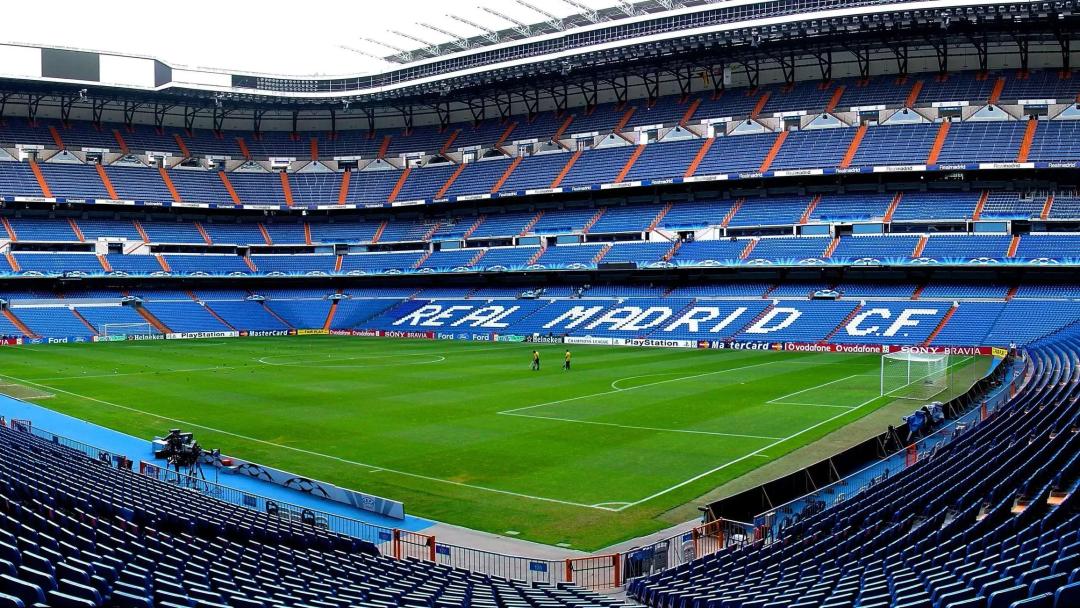
Alhambra
Spain’s most famous Moorish palace and fortress
The Alhambra is Granada’s crown jewel and one of the most visited monuments in Spain. This UNESCO World Heritage Site is a stunning complex of palaces, gardens, and fortresses that showcase Islamic architecture at its finest.
Highlights
✔️ Explore the intricate Nasrid Palaces
✔️ Wander the Generalife gardens with fountains and courtyards
✔️ Climb the Alcazaba fortress for panoramic views
✔️ Learn the rich history of Moorish Spain
✔️ One of Spain’s top cultural landmarks
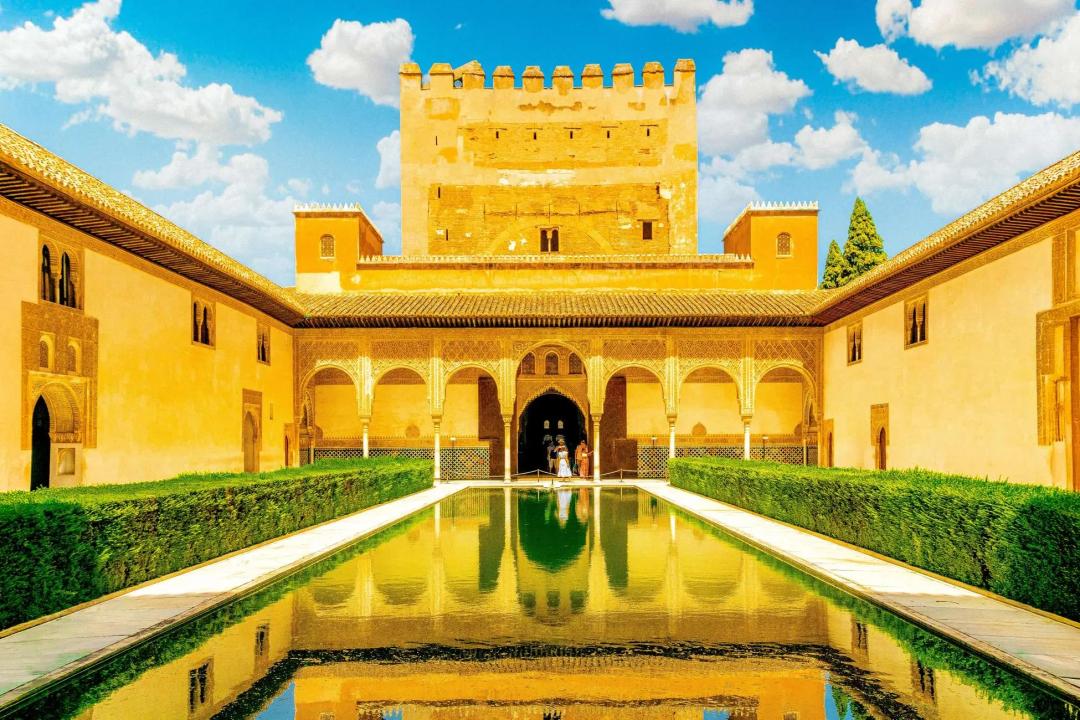
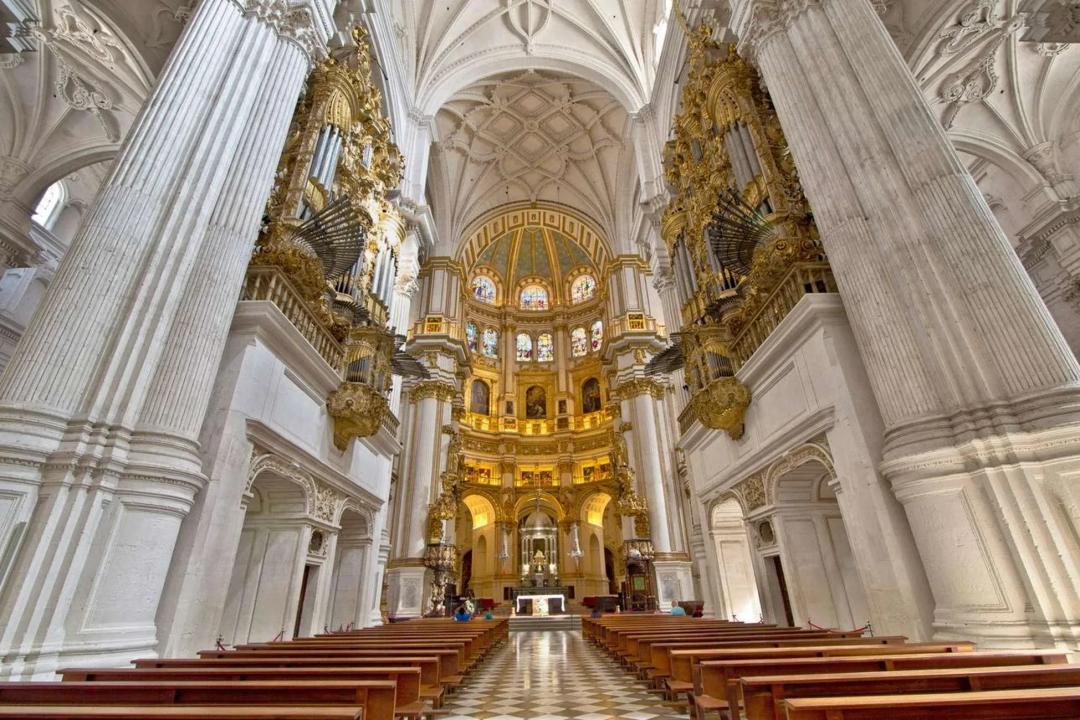
Granada Cathedral
A Renaissance masterpiece in Andalusia
Built in the 16th century, Granada Cathedral is one of Spain’s finest Renaissance churches. Its grand façade and ornate interior make it a central landmark in the city.
Highlights
✔️ Admire the Renaissance architecture and baroque details
✔️ Visit the Royal Chapel where Catholic Monarchs are buried
✔️ Central location in Granada’s old town
✔️ Impressive altar, chapels, and stained glass
✔️ One of Andalusia’s most important cathedrals
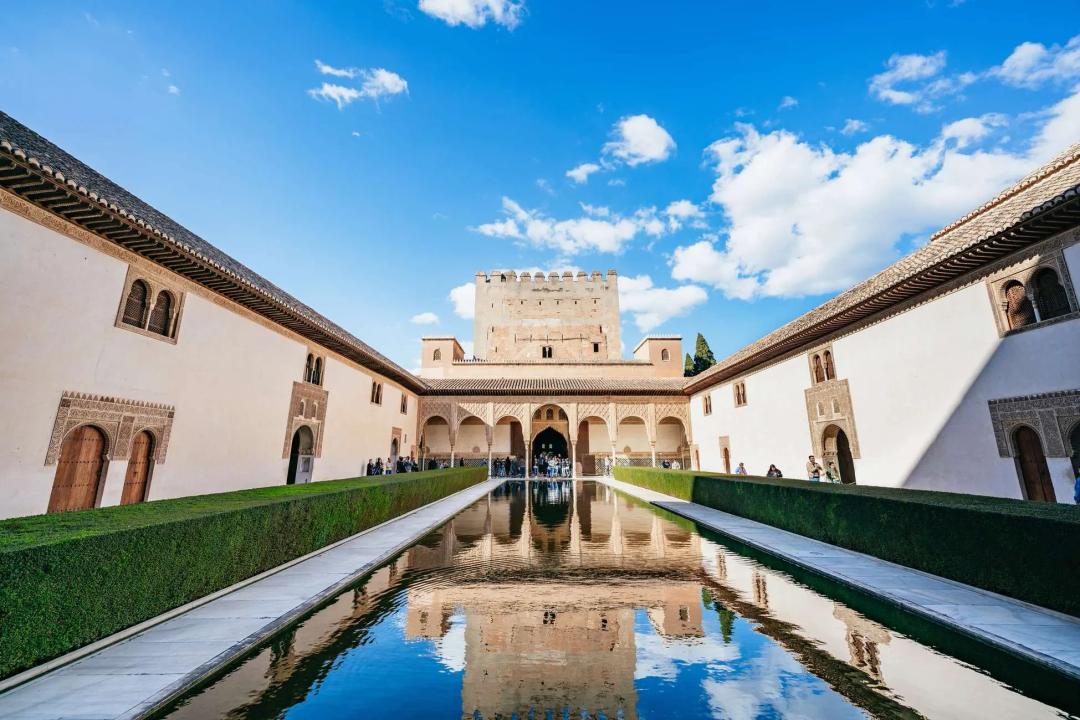
Hammam Al Ándalus
Relax in Granada’s traditional Arab baths
Granada’s hammams recreate the city’s Moorish heritage with serene baths, steam rooms, and massages. Hammam Al Ándalus is the most famous, offering a unique and relaxing experience.
Highlights
✔️ Traditional Arab bath experience in Andalusia
✔️ Hot, warm, and cold pools for relaxation
✔️ Beautiful Moorish architecture and ambience
✔️ Massage and aromatherapy options
✔️ Located near the Albaicín
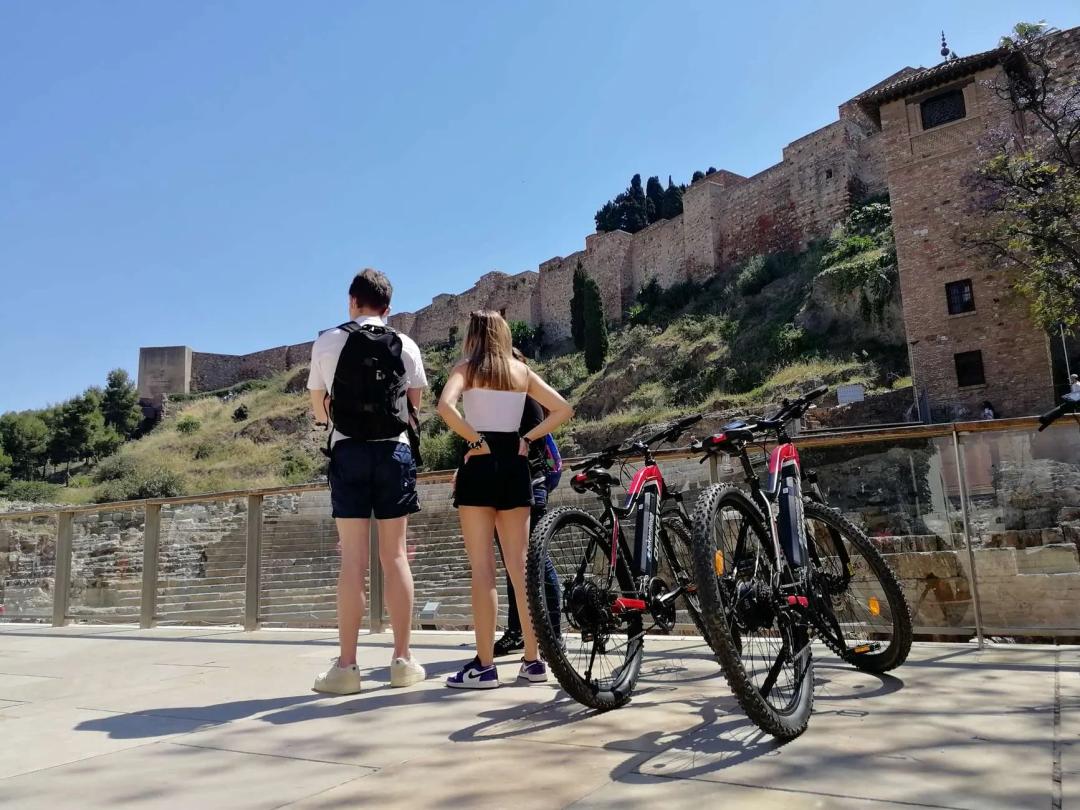
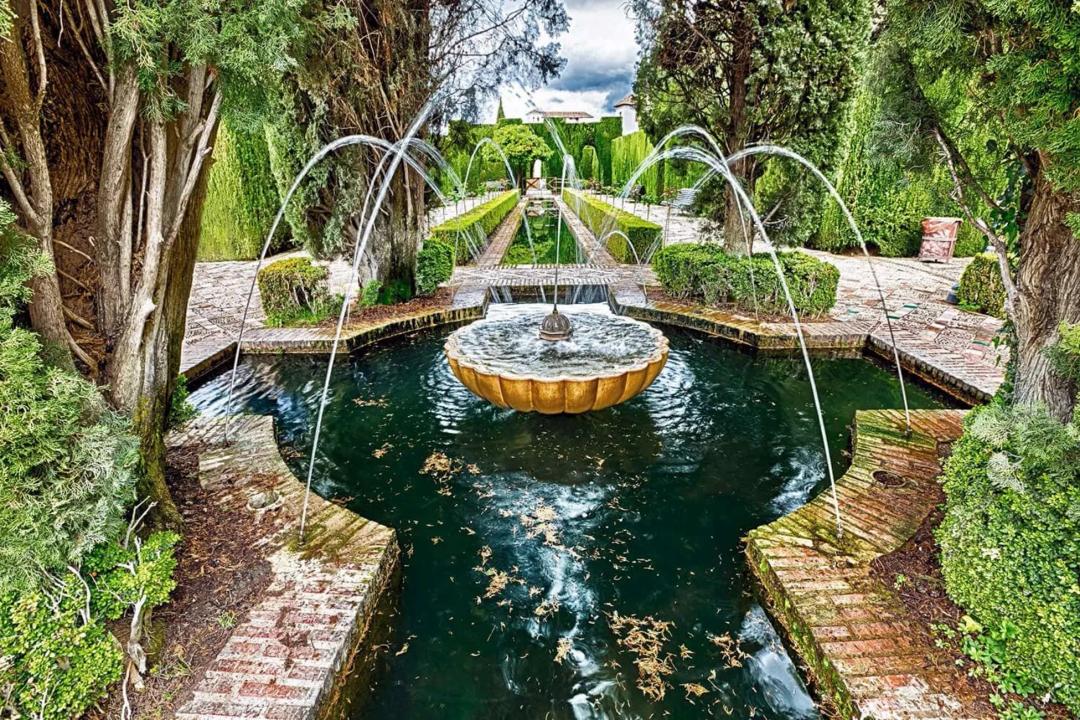
Generalife Gardens
Peaceful gardens of Granada’s sultans
Part of the Alhambra complex, the Generalife Gardens were the summer retreat of Granada’s sultans. With flowing water, flowerbeds, and shaded courtyards, they offer a serene escape from the city.
Highlights
✔️ Discover Moorish garden design with water features
✔️ Stunning views of Granada and the Alhambra
✔️ Peaceful walking paths and shaded arches
✔️ UNESCO World Heritage Site
✔️ Ideal spot for photography and relaxation
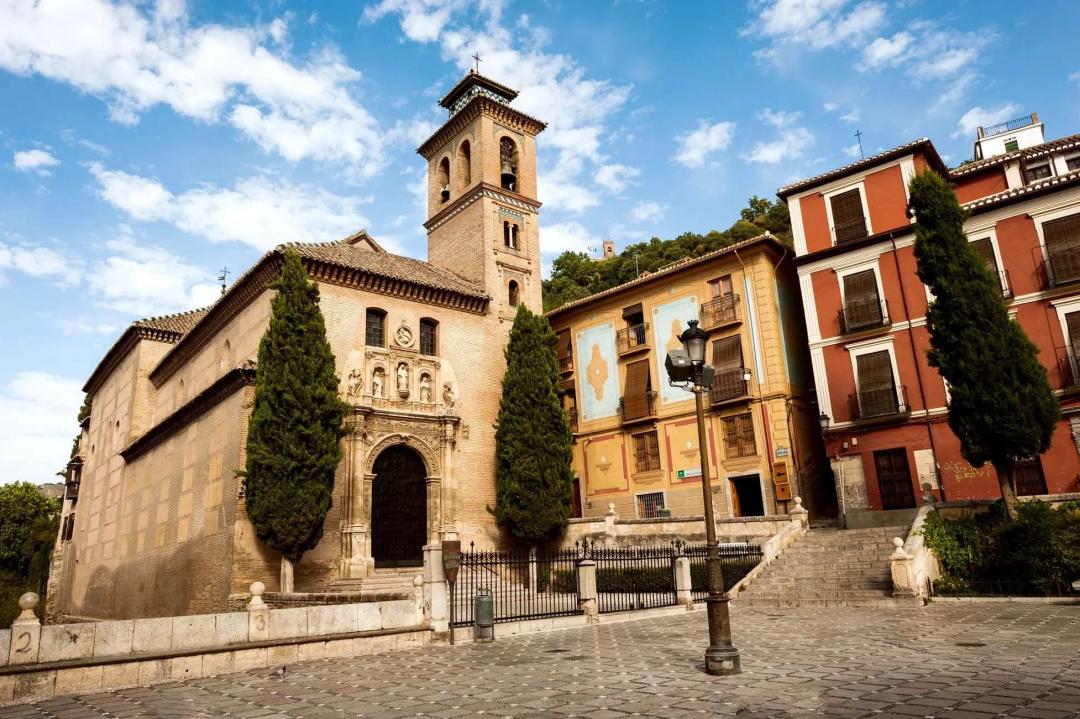
Sacromonte
Granada’s cave houses and flamenco tradition
Sacromonte is Granada’s gypsy quarter, famous for its white cave houses and traditional flamenco shows. It’s a cultural must-visit and a unique part of the city’s identity.
Highlights
✔️ Explore traditional cave dwellings carved into the hillside
✔️ Experience authentic flamenco shows in intimate venues
✔️ Visit the Sacromonte Abbey for history and views
✔️ Scenic walks with vistas of the Alhambra
✔️ Lively nightlife with music and dance
Science Park Granada
Interactive museum for all ages
Granada’s Science Park is a modern interactive museum with exhibitions on space, biology, and technology. It’s one of Spain’s leading science centers and great for families.
Highlights
✔️ Hands-on exhibits on science and technology
✔️ Planetarium and observatory
✔️ Permanent exhibitions on health, energy, and nature
✔️ Outdoor spaces with sculptures and gardens
✔️ Fun and educational for all ages
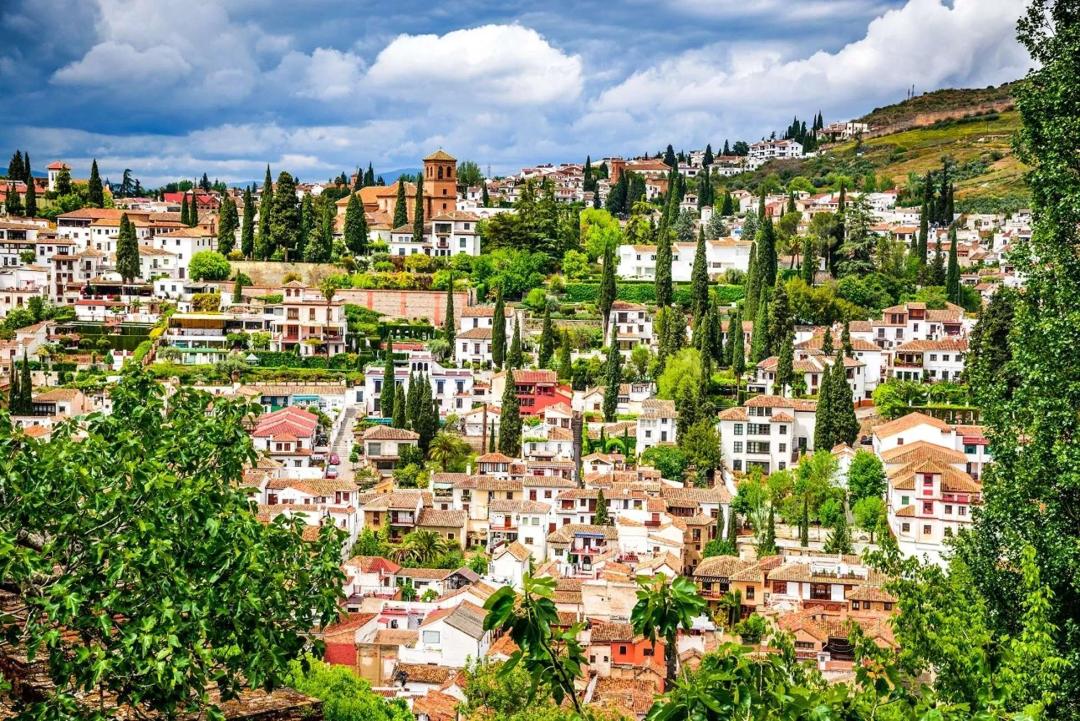
Albaicín
Granada’s Moorish old town
The Albaicín is Granada’s oldest neighborhood, a maze of narrow cobblestone streets, whitewashed houses, and hidden plazas. Its viewpoints of the Alhambra are some of the best in the city.
Highlights
✔️ Wander the medieval Moorish streets
✔️ Visit the Mirador de San Nicolás for Alhambra views
✔️ Discover small churches, mosques, and tapas bars
✔️ Explore hidden plazas and courtyards
✔️ UNESCO World Heritage neighborhood
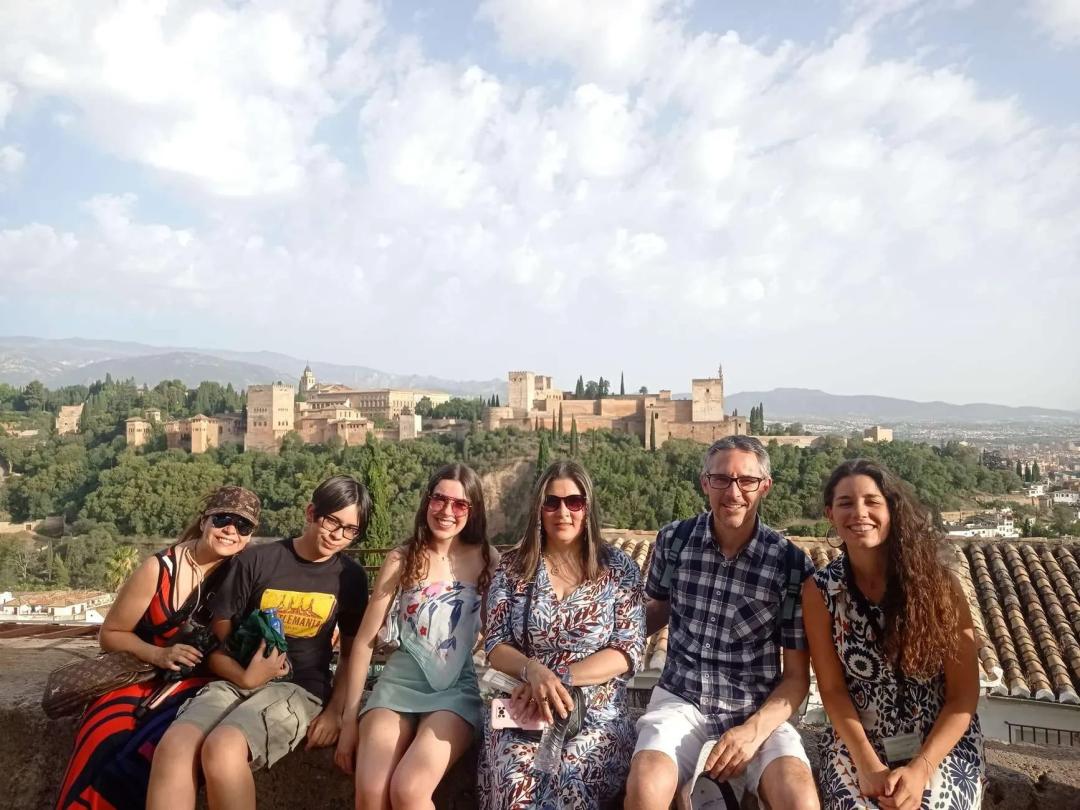
Mirador de San Nicolás
The best view of the Alhambra
This viewpoint in the Albaicín offers the most famous panorama of the Alhambra with the Sierra Nevada mountains in the background. A must for sunset lovers and photographers.
Highlights
✔️ Iconic view of the Alhambra and Sierra Nevada
✔️ Popular sunset spot with lively atmosphere
✔️ Street musicians often perform here
✔️ Free and open to the public
✔️ Essential stop on any Granada visit
Sierra Nevada
Epic mountain range on Granada’s doorstep
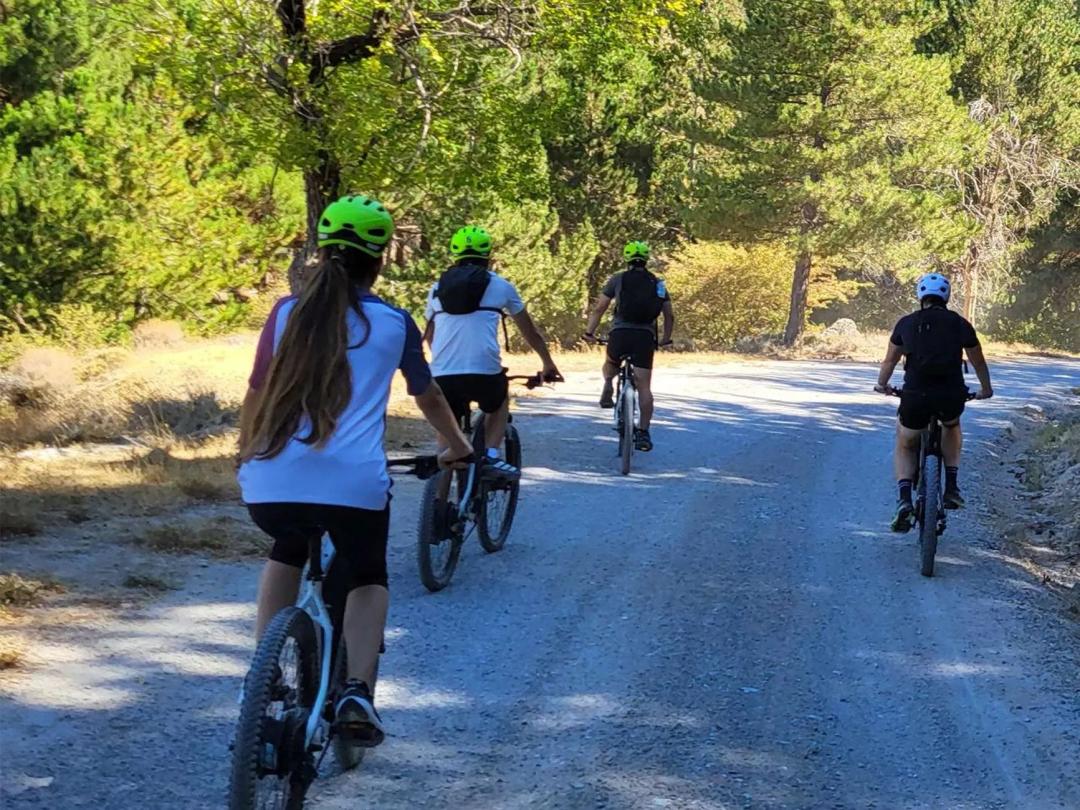
The Sierra Nevada mountains rise just outside Granada, offering thrilling riding roads, hiking trails, and winter ski slopes. It’s the highest mountain range in Spain and a paradise for outdoor enthusiasts.
Highlights
✔️ Ride winding roads through dramatic landscapes
✔️ Visit Pico Veleta, one of Europe’s highest roads
✔️ Ski in winter, hike and bike in summer
✔️ Stunning views of Granada and beyond
✔️ UNESCO Biosphere Reserve
Monastery of Cartuja
Baroque art and history in Granada
The Monastery of Cartuja is a hidden gem, a 16th-century Carthusian monastery with lavish baroque interiors and peaceful cloisters.
Highlights
✔️ Explore ornate baroque altars and chapels
✔️ Peaceful monastery grounds
✔️ Rich art and history from the 16th century
✔️ Less crowded than other Granada landmarks
✔️ Located just outside the city center
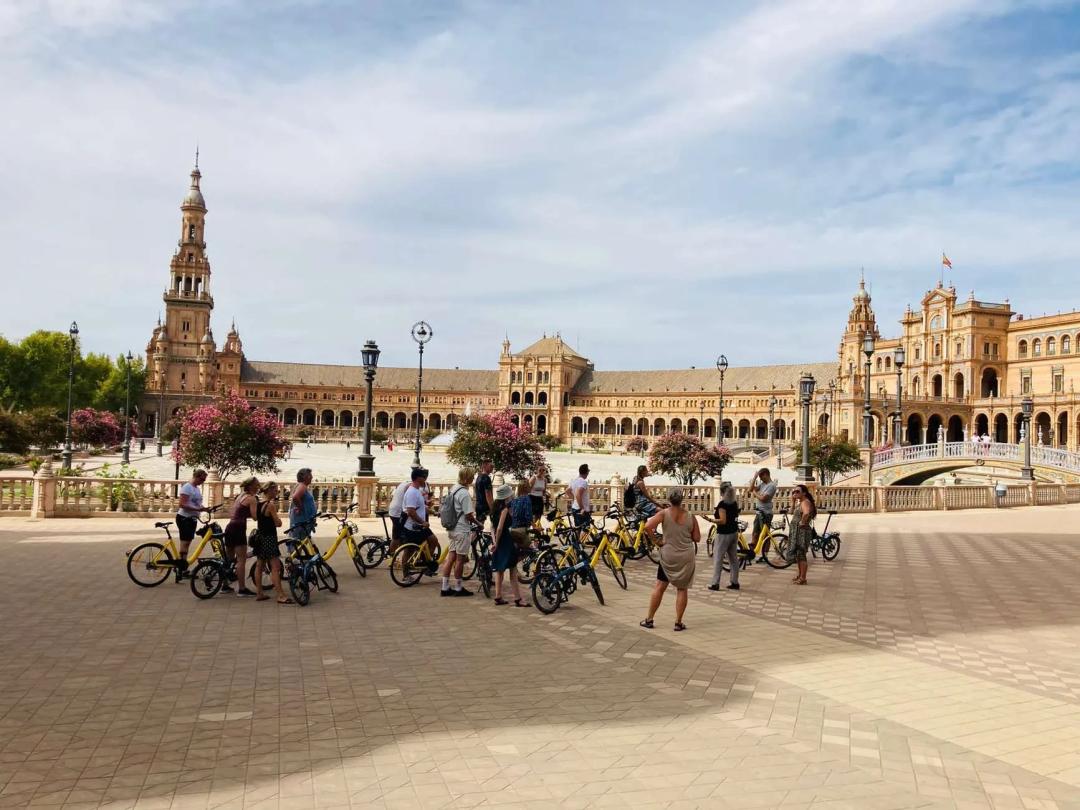
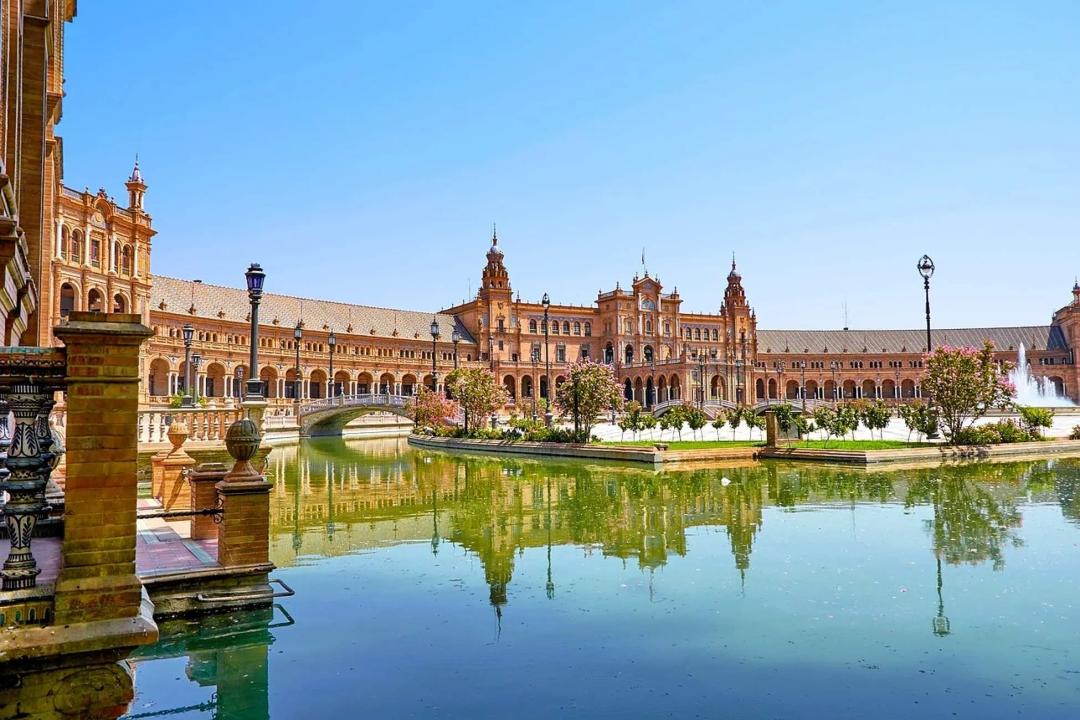
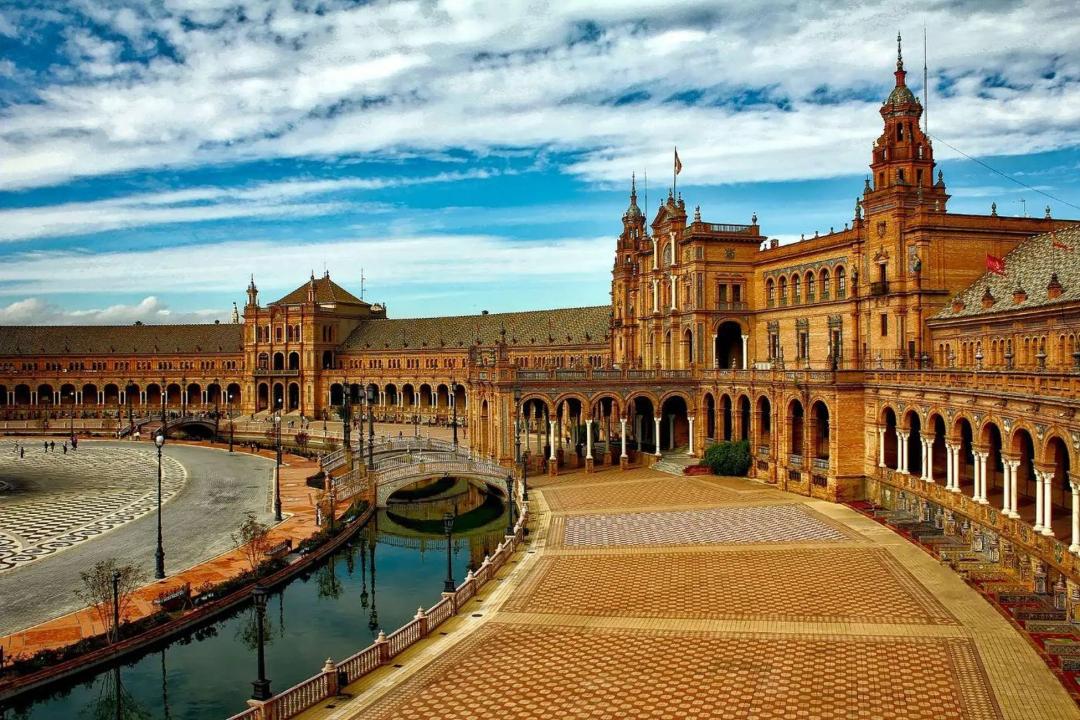
Plaza de España
Seville’s grandest square
Plaza de España is an architectural masterpiece built for the 1929 Ibero-American Exposition. Its semicircular building, bridges, and tiled alcoves make it one of the city’s most photographed landmarks.
Highlights
✔️ Walk around the vast square and fountain
✔️ Admire ceramic tiles representing Spain’s provinces
✔️ Row a boat along the canal
✔️ Impressive mix of Renaissance and Moorish styles
✔️ Iconic Seville filming location
Triana
Seville’s flamenco and ceramic neighborhood
Across the Guadalquivir River lies Triana, a neighborhood famous for flamenco, ceramics, and its authentic local vibe. It’s the birthplace of many legendary flamenco dancers and potters.
Highlights
✔️ Visit the Triana Market and ceramic workshops
✔️ Enjoy authentic flamenco shows in tablaos
✔️ Walk along the Calle Betis riverside promenade
✔️ See the historic Castillo de San Jorge
✔️ Experience Seville’s most traditional quarter
Torre del Oro
Seville’s golden riverside tower
The Torre del Oro is a 13th-century watchtower along the Guadalquivir River. Once part of the city’s defenses, it now houses a small naval museum and offers scenic views from the top.
Highlights
✔️ Climb the tower for river and city views
✔️ Learn Seville’s naval history in the museum
✔️ 13th-century Moorish architecture
✔️ Scenic spot along the river promenade
✔️ Iconic symbol of Seville
Seville Cathedral & La Giralda
The world’s largest Gothic cathedral and iconic bell tower
Seville Cathedral is the largest Gothic cathedral in the world and a UNESCO World Heritage Site. Its bell tower, La Giralda, offers panoramic views of the city and is one of Seville’s most famous landmarks.
Highlights
✔️ Admire the grand Gothic architecture
✔️ Visit Christopher Columbus’s tomb inside
✔️ Climb La Giralda for city views
✔️ Explore ornate chapels and altars
✔️ UNESCO World Heritage Site
Metropol Parasol
The “Mushrooms of Seville”
Metropol Parasol, also known as Las Setas (The Mushrooms), is a massive wooden structure in the old town. It offers modern architecture, an archaeological museum, and panoramic views from its rooftop walkway.
Highlights
✔️ Climb the walkway for city views
✔️ Unique wooden design, one of the largest in the world
✔️ Visit the Antiquarium museum below
✔️ Central location in Plaza de la Encarnación
✔️ Great sunset viewpoint
Doñana National Park
Wild nature just outside Seville
Less than an hour from Seville, Doñana National Park is one of Europe’s most important wetlands. A UNESCO Biosphere Reserve, it’s home to flamingos, dunes, forests, and the endangered Iberian lynx.
Highlights
✔️ Scenic ride through Andalusian countryside
✔️ Explore wetlands, forests, and dunes
✔️ Birdwatching, including flamingos and rare species
✔️ Visit traditional white villages nearby
✔️ UNESCO World Heritage Site
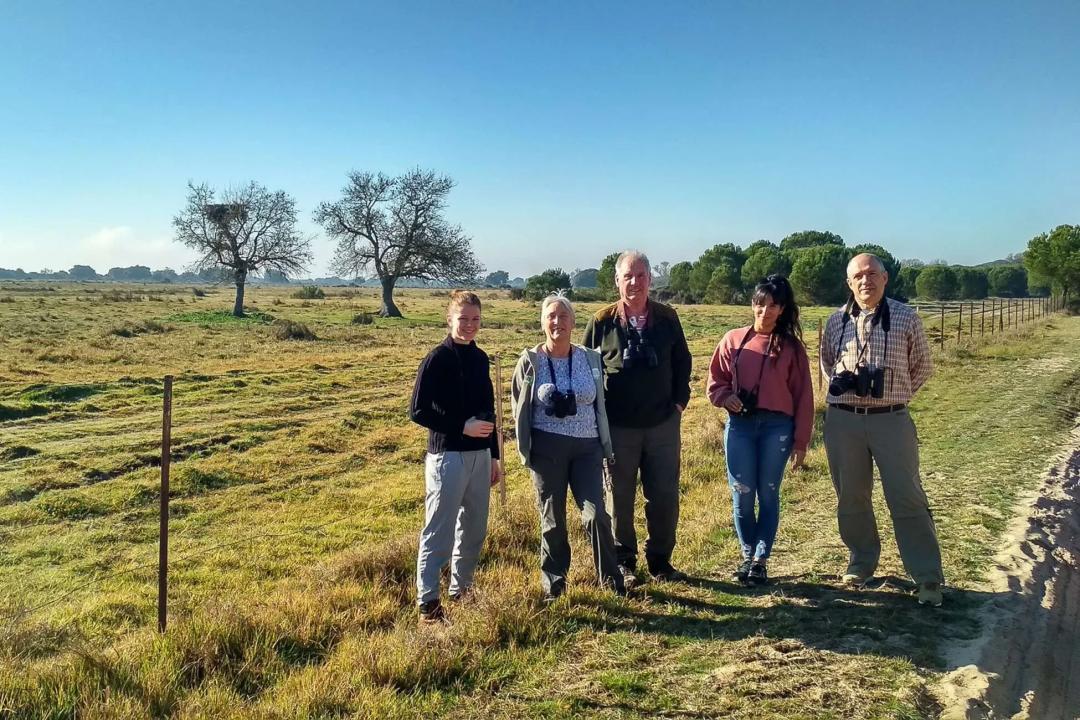
Barrio Santa Cruz
Seville’s historic Jewish quarter
Santa Cruz is Seville’s most atmospheric neighborhood, filled with narrow lanes, flower-filled patios, and hidden plazas. Once the Jewish quarter, it’s a must for strolling and tapas.
Highlights
✔️ Wander picturesque cobblestone streets
✔️ Discover hidden squares like Plaza de Doña Elvira
✔️ See flower-decked patios and historic houses
✔️ Lively area with tapas bars and restaurants
✔️ Central location near the Cathedral and Alcázar
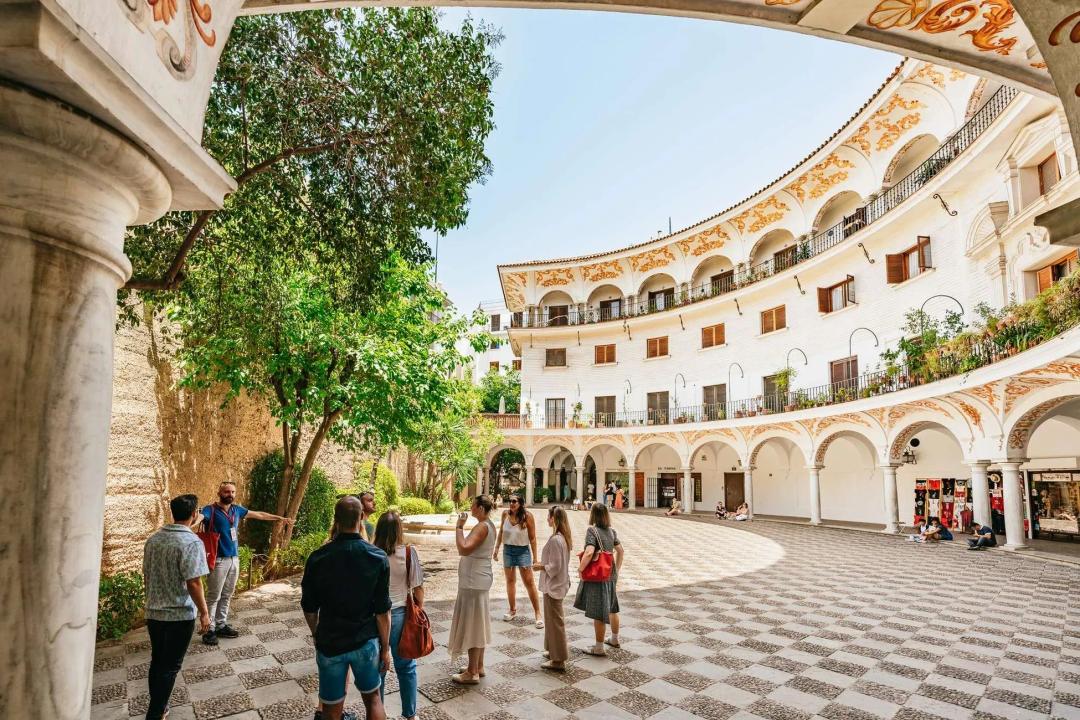
Archivo General de Indias
Historic archive of Spain’s colonial empire
This UNESCO-listed archive holds priceless documents from Spain’s colonial past in the Americas and Philippines. It’s housed in a beautiful Renaissance building near the Cathedral.
Highlights
✔️ See maps, manuscripts, and letters from colonial history
✔️ Beautiful Renaissance architecture
✔️ Free entry for visitors
✔️ UNESCO World Heritage Site
✔️ Located next to the Cathedral and Alcázar
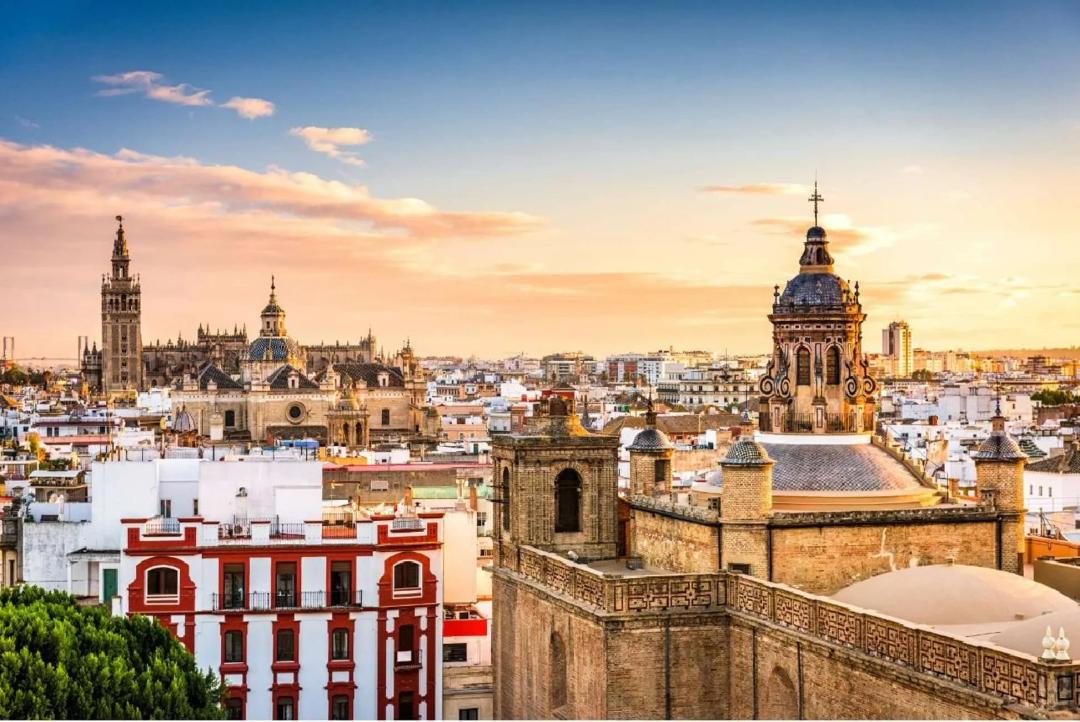
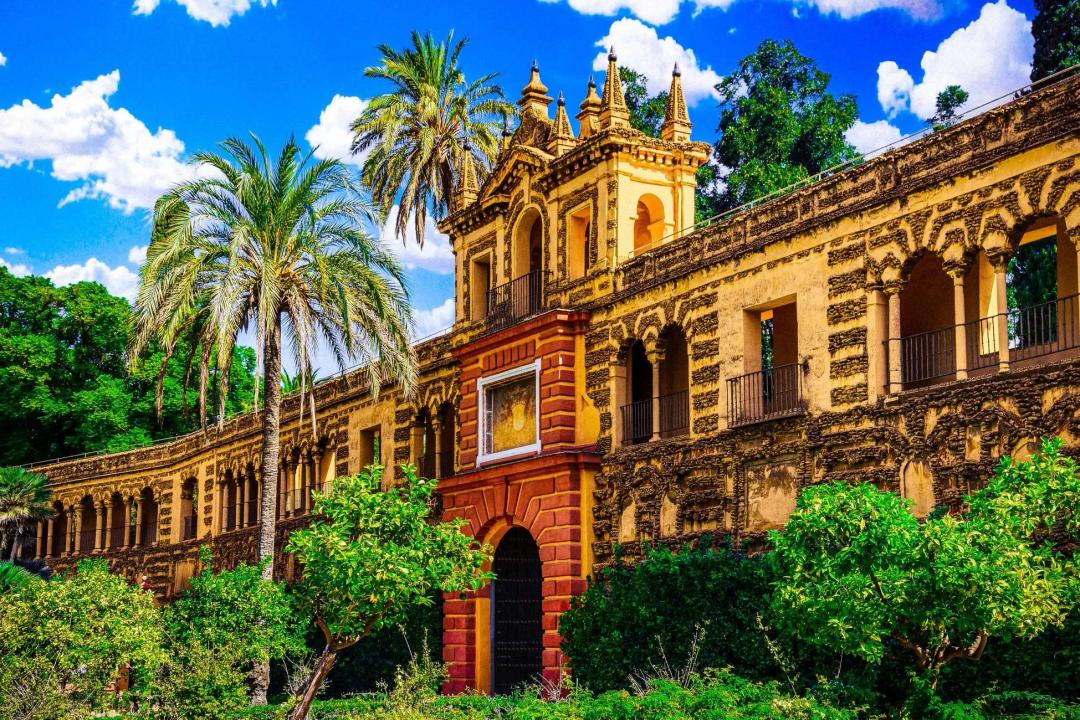
Real Alcázar of Seville
A royal palace blending Moorish and Christian design
The Real Alcázar is a stunning palace complex showcasing Mudéjar, Gothic, Renaissance, and Baroque architecture. Still used by Spain’s royal family, it’s one of the most beautiful palaces in Europe.
Highlights
✔️ Marvel at intricate Islamic-inspired designs
✔️ Stroll through lush palace gardens
✔️ Explore royal halls and courtyards
✔️ Recognizable filming location for Game of Thrones
✔️ UNESCO World Heritage Site
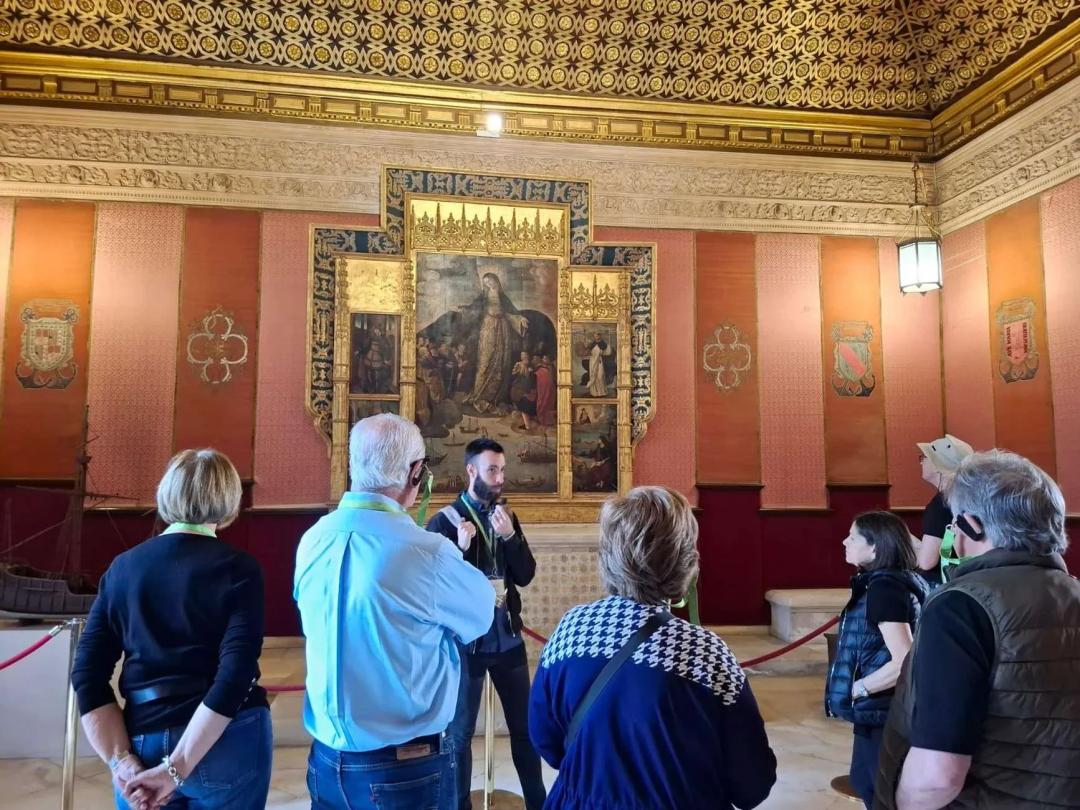
Flamenco in Seville
Experience Andalusia’s soul
Seville is the cradle of flamenco, and experiencing a live show here is unforgettable. From small, intimate tablaos to larger theaters, the music and dance reflect the heart of Andalusian culture.
Highlights
✔️ Watch passionate performances of dance, guitar, and singing
✔️ Choose from intimate tablaos or grand theaters
✔️ Learn about flamenco’s history and tradition
✔️ Combine with tapas for a cultural evening
✔️ Essential Seville experience
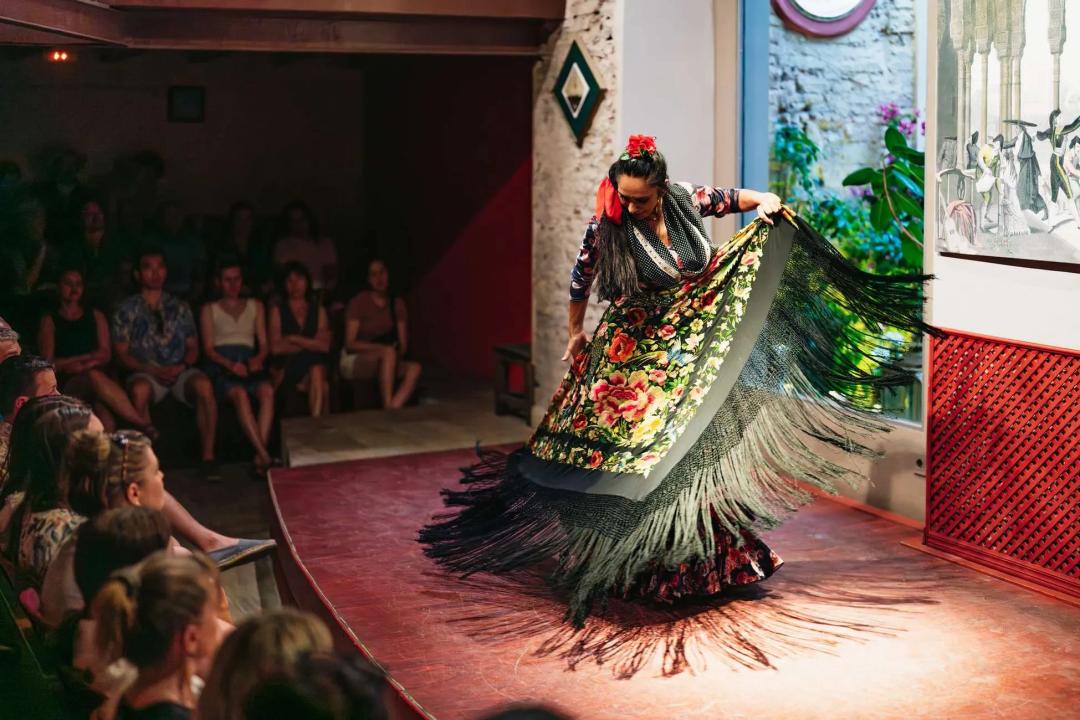
Valencia Cathedral & El Miguelete
A gothic masterpiece with panoramic views
Valencia Cathedral combines Romanesque, Gothic, and Baroque styles and claims to house the Holy Grail. Climb its famous bell tower, El Miguelete, for stunning views over the old town.
Highlights
✔️ Visit the Chapel of the Holy Grail
✔️ Climb El Miguelete for panoramic views
✔️ Explore ornate chapels and architecture
✔️ Central location in Plaza de la Reina
✔️ Key symbol of Valencia’s old town
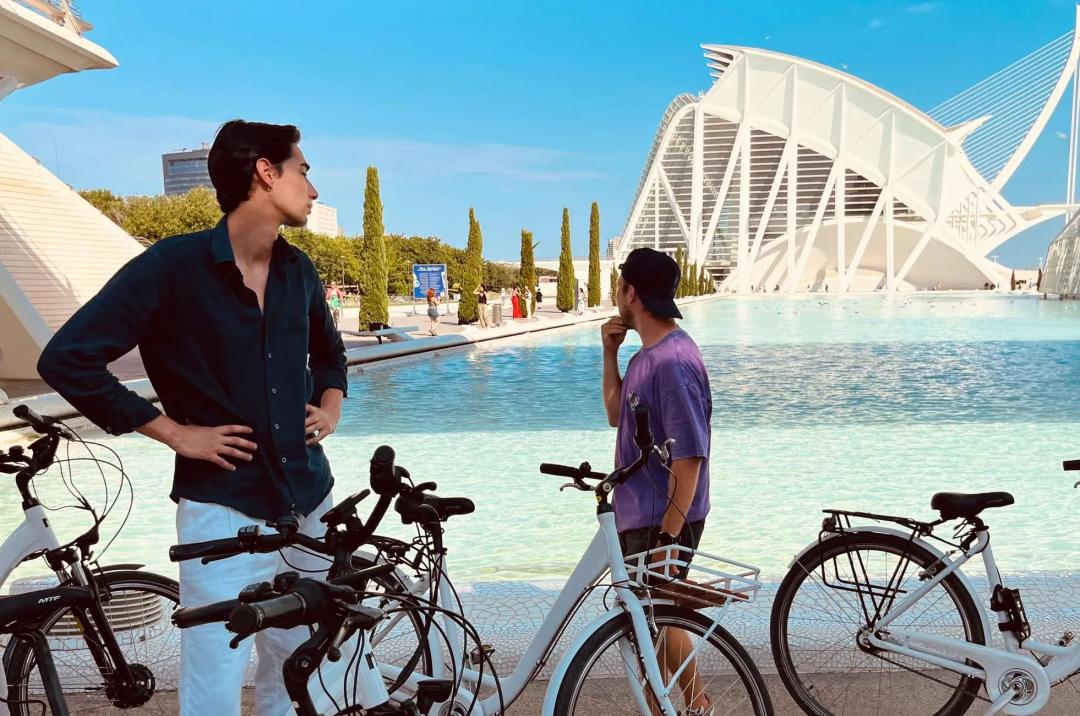
Malvarrosa Beach
Valencia’s urban beach escape
Just a short ride from the center, Malvarrosa Beach is Valencia’s main seaside escape. Its long golden sands and lively promenade make it ideal for relaxation after exploring the city.
Highlights
✔️ Wide sandy beach just outside the city
✔️ Ride or walk along the palm-lined promenade
✔️ Fresh seafood and paella at beachside restaurants
✔️ Popular spot for locals and visitors
✔️ Perfect for sunset by the Mediterranean
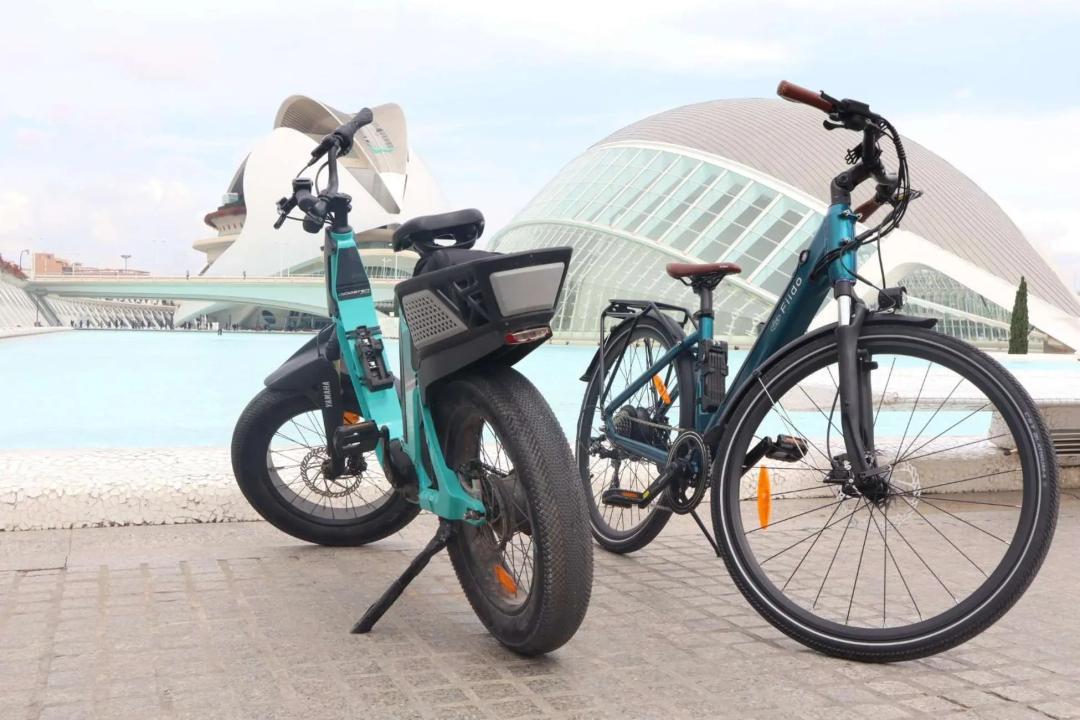
La Lonja de la Seda
Valencia’s silk exchange and Gothic jewel
La Lonja de la Seda (Silk Exchange) is a UNESCO World Heritage Site and one of Europe’s finest examples of Gothic civil architecture. Built in the 15th century, it reflects Valencia’s golden age as a trading power.
Highlights
✔️ Admire the grandiose columns in the main hall
✔️ Learn about Valencia’s silk trade history
✔️ Explore the courtyard of orange trees
✔️ UNESCO World Heritage Site
✔️ Located in the historic center
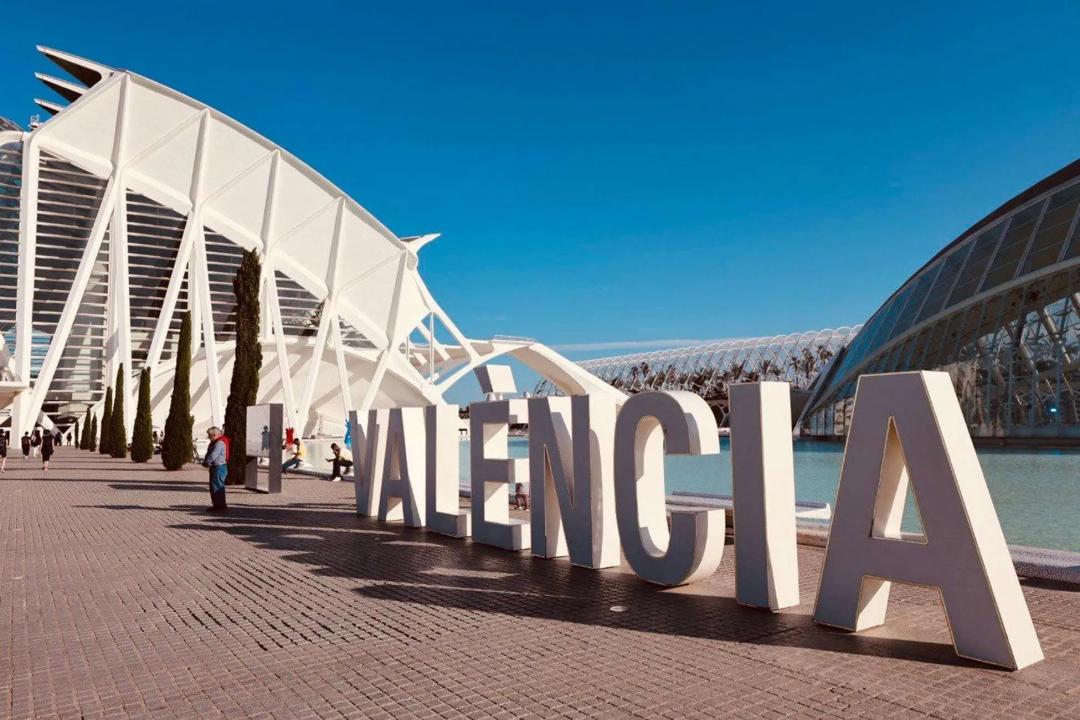
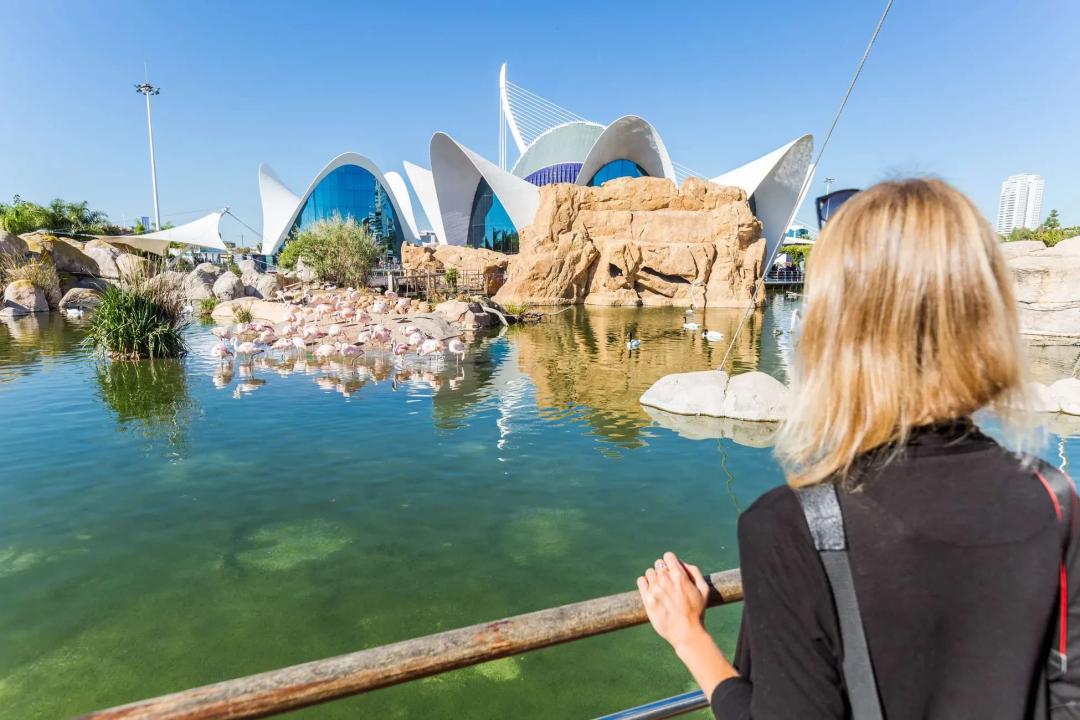
Oceanogràfic
Europe’s largest aquarium
Part of the City of Arts and Sciences, Oceanogràfic is Europe’s biggest aquarium, featuring marine habitats from around the globe. Its futuristic design and diverse ecosystems make it a top attraction.
Highlights
✔️ Walk through underwater tunnels with sharks
✔️ See belugas, dolphins, and penguins
✔️ Explore ecosystems from the Arctic to the tropics
✔️ Cutting-edge architecture inspired by the sea
✔️ Perfect for families and ocean lovers
Albufera Natural Park
Valencia’s lake and rice fields
Just 10 km south of Valencia, Albufera Natural Park is a freshwater lagoon surrounded by rice fields, the birthplace of paella. It’s a peaceful escape accessible via scenic rides.
Highlights
✔️ Take a boat ride on the Albufera lagoon
✔️ See rice fields where paella originated
✔️ Rich birdlife and natural beauty
✔️ Visit traditional fishing villages
✔️ Popular day trip for bikers and nature lovers
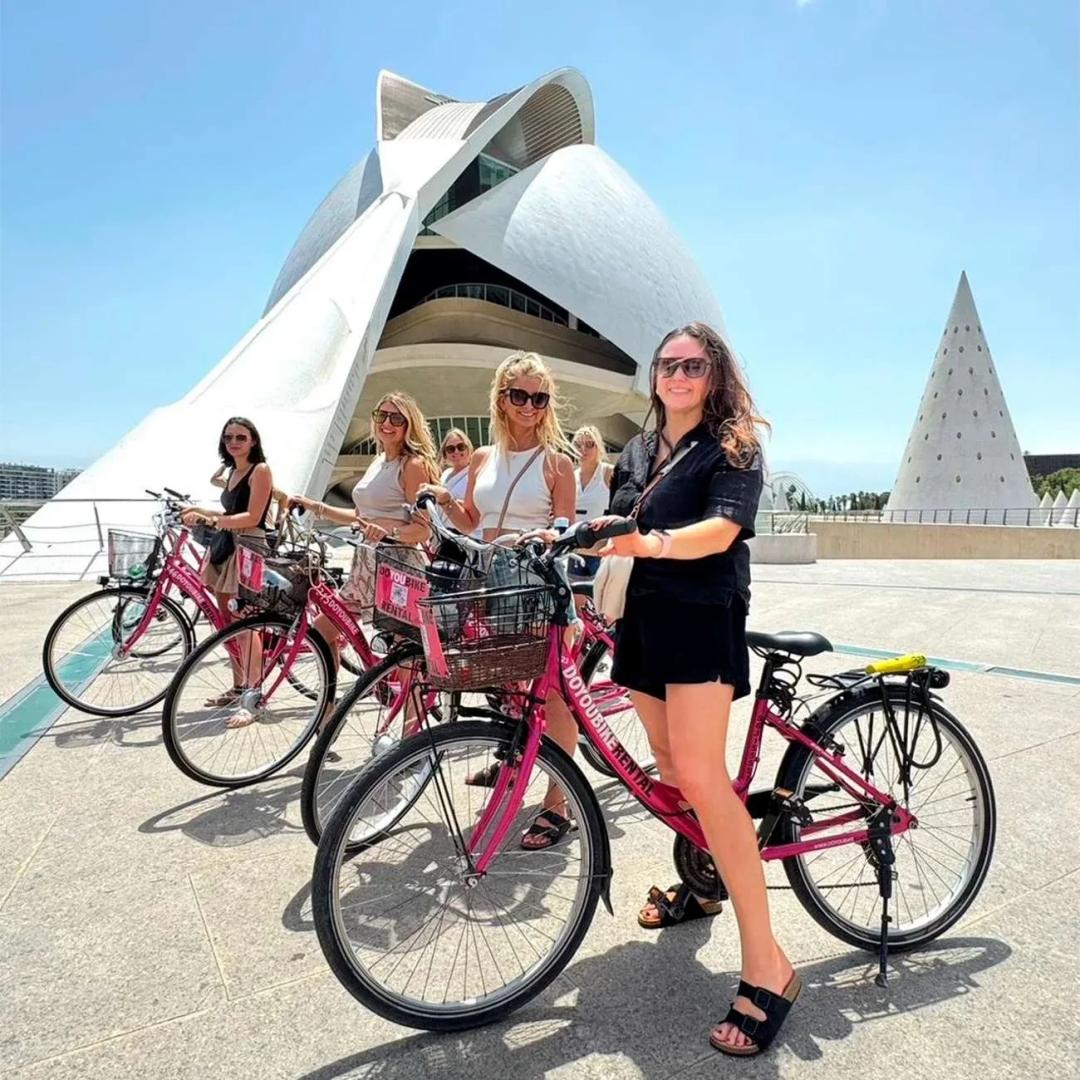
City of Arts and Sciences
Valencia’s futuristic landmark complex
Designed by Santiago Calatrava, the City of Arts and Sciences is Valencia’s most iconic modern attraction. This futuristic complex houses an opera house, science museum, IMAX cinema, and Europe’s largest aquarium, making it a must-see for visitors.
Highlights
✔️ Explore the Oceanogràfic, Europe’s biggest aquarium
✔️ Visit the interactive Science Museum
✔️ Admire futuristic architecture and bridges
✔️ See concerts and performances at the Palau de les Arts
✔️ Walk around scenic water gardens and outdoor spaces
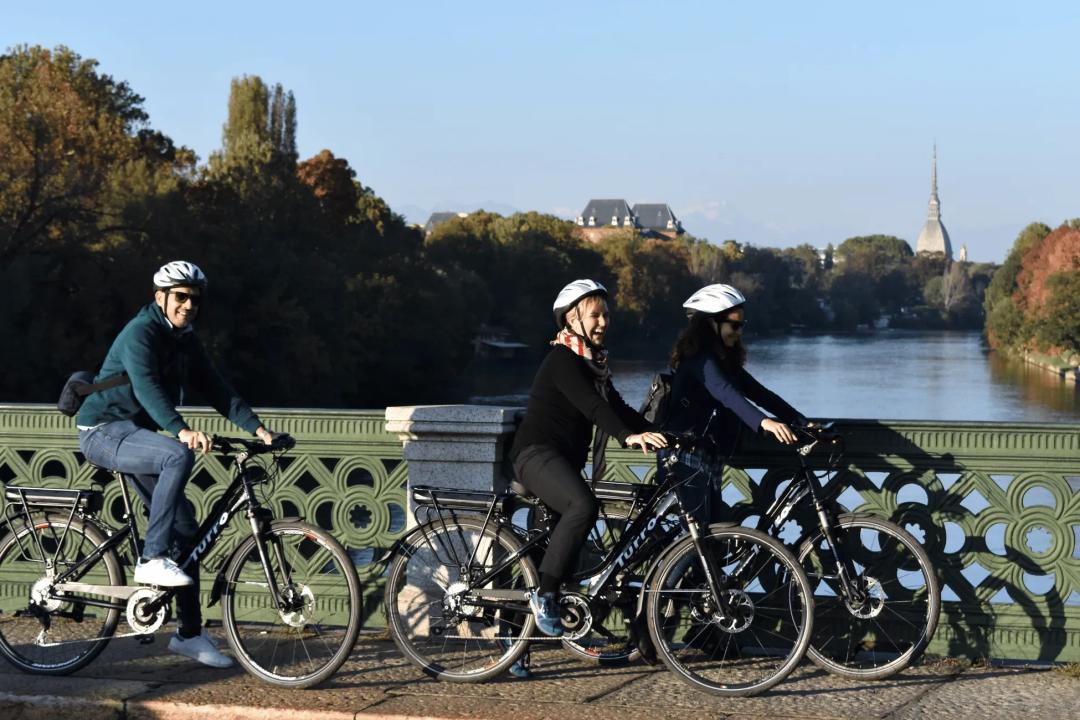
Turia Gardens
Valencia’s green ribbon through the city
Once a riverbed, the Turia Gardens are now a 9-km-long park running through the city. Perfect for a stroll, jog, or bike ride, the park is lined with fountains, gardens, and cultural landmarks.
Highlights
✔️ Walk or cycle through 9 km of parkland
✔️ Relax among fountains, playgrounds, and gardens
✔️ Visit the Gulliver Park sculpture for families
✔️ Connects the historic center to the City of Arts and Sciences
✔️ Valencia’s most popular green space
Torres de Serranos
Medieval gates of Valencia’s old walls
The Torres de Serranos are 14th-century towers that once formed part of Valencia’s medieval walls. Climb to the top for great views of the old town and Turia Gardens.
Highlights
✔️ Iconic twin towers of medieval Valencia
✔️ Climb for panoramic views of the city
✔️ Learn about Valencia’s defensive history
✔️ Popular photo spot in the old town
✔️ Well-preserved Gothic military architecture
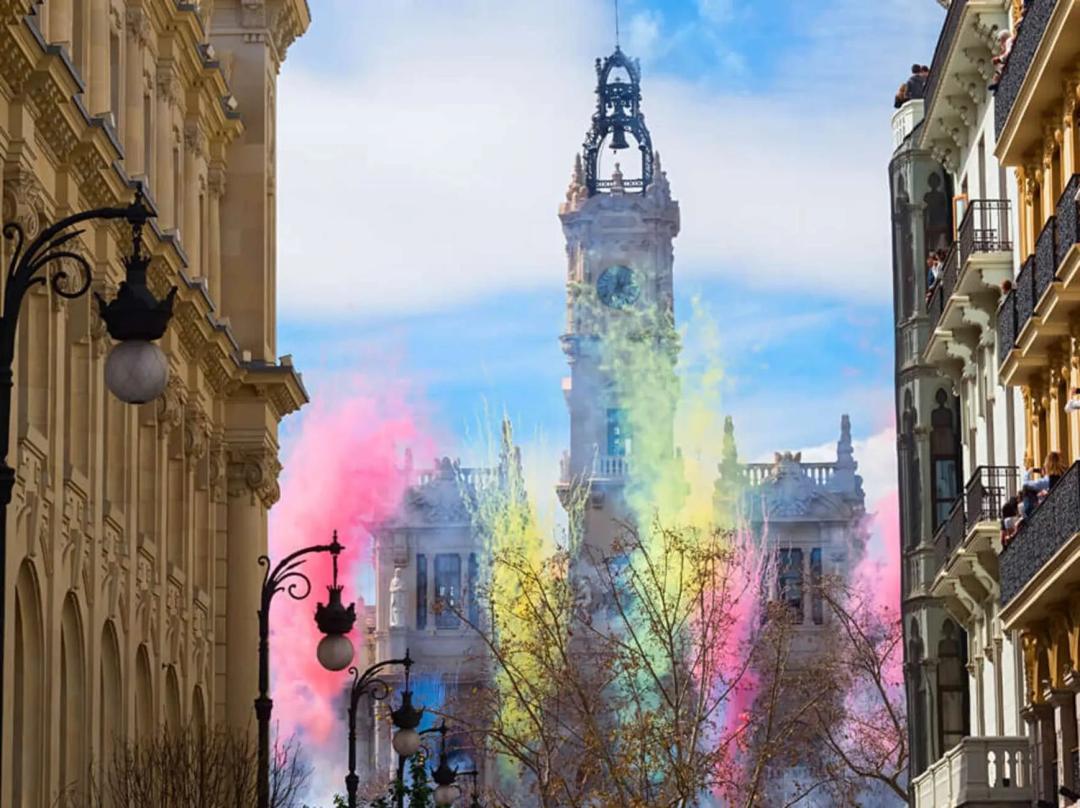
Central Market of Valencia
One of Europe’s largest food markets
Valencia’s Central Market is a feast for the senses, housed in a stunning modernist building. With over 1,000 stalls, it’s the perfect place to taste fresh produce, seafood, and Valencian delicacies.
Highlights
✔️ Taste fresh fruit, seafood, and Iberian ham
✔️ Admire the stained glass and domed ceilings
✔️ One of the oldest food markets in Europe
✔️ Try local dishes like horchata and paella ingredients
✔️ Authentic atmosphere full of life
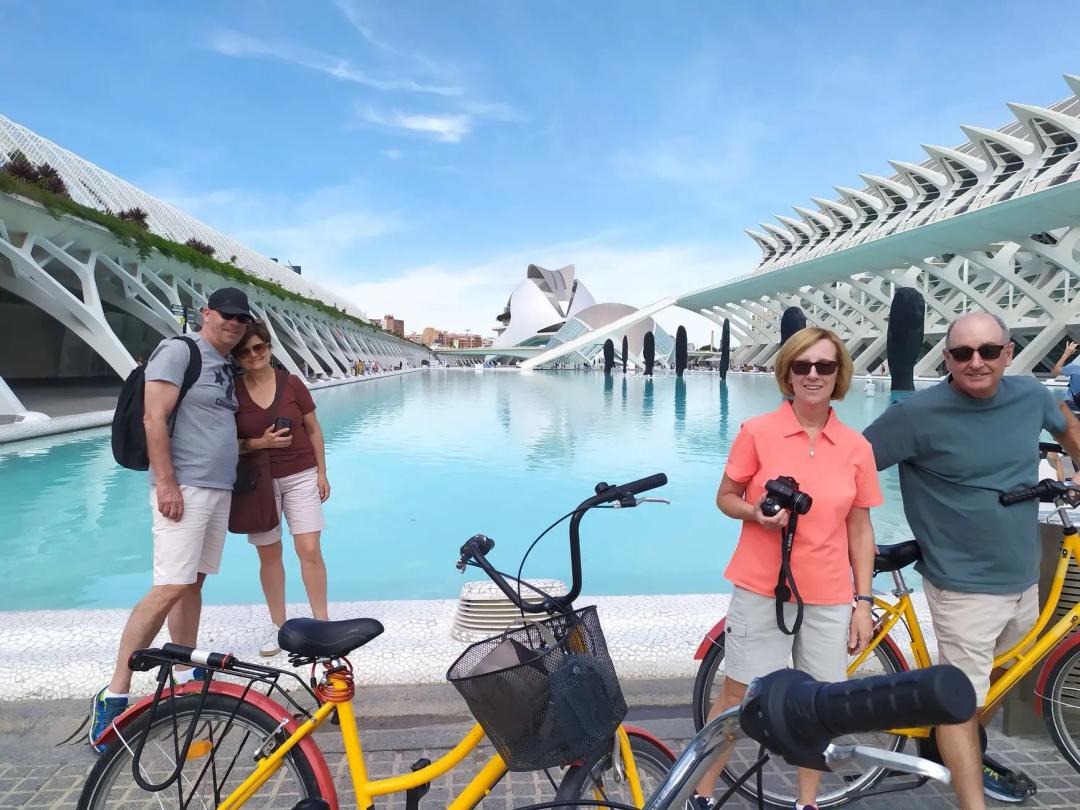
Plaza de la Virgen
Valencia’s historic heart
Plaza de la Virgen is a lively square surrounded by historic buildings including the Cathedral, Basilica of the Virgin, and the Generalitat Palace. It’s one of the city’s most charming gathering spots.
Highlights
✔️ Central hub of Valencia’s old town
✔️ Visit the Basilica of the Virgin of the Forsaken
✔️ Relax by the Neptune fountain
✔️ Lively cafés and terraces for people-watching
✔️ Host of traditional festivals and events
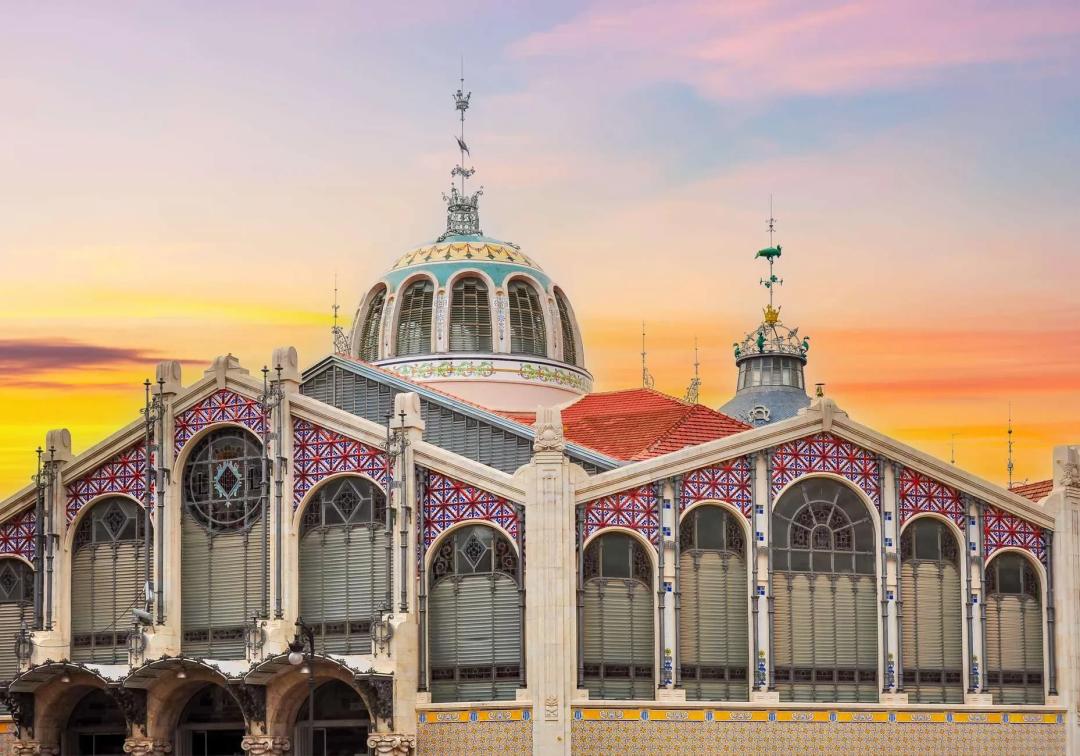
Guggenheim Museum Bilbao
A modern art icon on the Nervión River
Designed by Frank Gehry, the Guggenheim Museum transformed Bilbao into a world cultural capital. Its titanium-clad curves house contemporary masterpieces, while its riverside setting makes it one of Europe’s most photographed museums.
Highlights
✔️ Admire Gehry’s futuristic architecture
✔️ Explore modern and contemporary art exhibitions
✔️ Iconic outdoor sculptures like Puppy and Maman
✔️ Riverside location with scenic walks
✔️ Bilbao’s most famous landmark
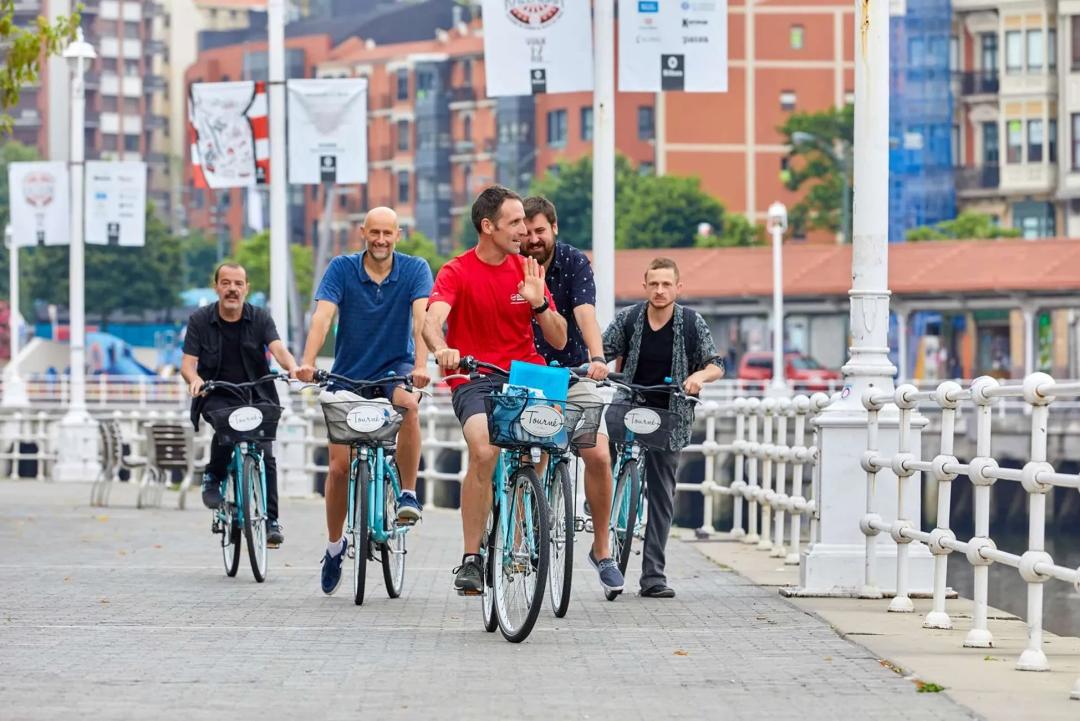
Plaza Nueva
Bilbao’s lively main square
Plaza Nueva is a neoclassical square in Casco Viejo filled with pintxo bars, cafés, and weekend markets. It’s the social hub of the old town and a great stop after exploring the city.
Highlights
✔️ Try pintxos and local wines in historic arcades
✔️ Weekend flea market with books, antiques, and crafts
✔️ Central meeting point in Casco Viejo
✔️ Elegant 19th-century architecture
✔️ Vibrant atmosphere day and night
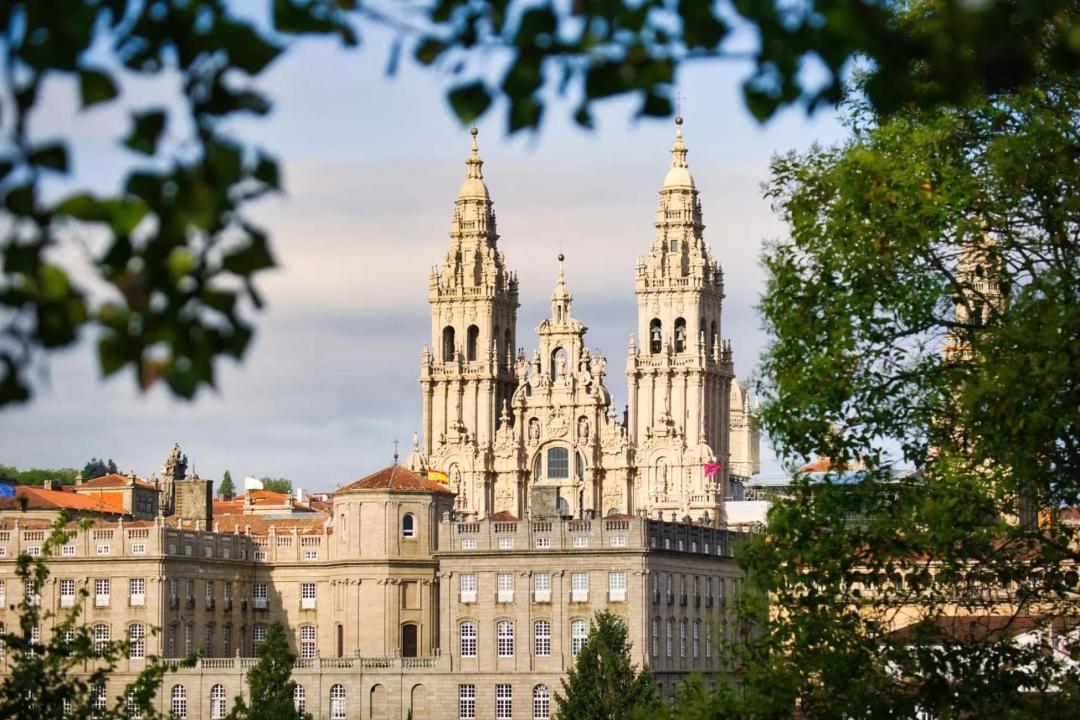
Mount Artxanda
Scenic viewpoint over Bilbao
Mount Artxanda offers panoramic views of Bilbao’s skyline and surrounding green hills. Riders can enjoy a twisty road up the hill or take the funicular for a quick trip to the top.
Highlights
✔️ Breathtaking views of the city and river
✔️ Popular ride or funicular trip up the hill
✔️ Observation platforms and gardens
✔️ Great spot for sunset or photography
✔️ Refreshing break from the city buzz
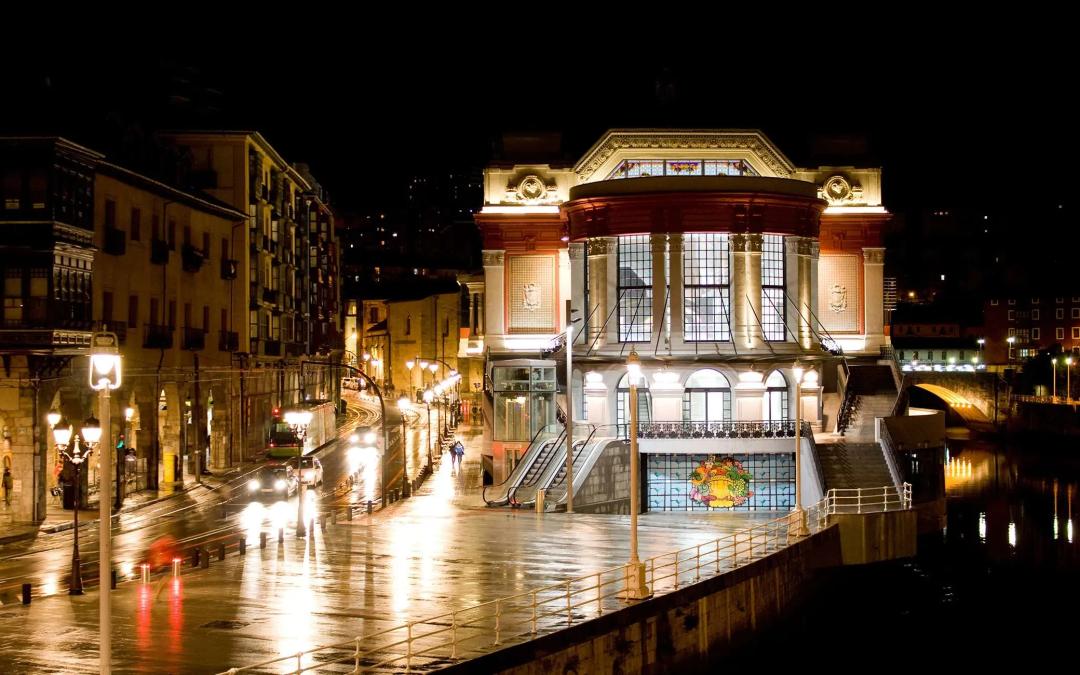
Bilbao Fine Arts Museum
A collection spanning centuries of art
Bilbao’s Fine Arts Museum is one of Spain’s most important art galleries, showcasing works from the Middle Ages to contemporary times. It complements the Guggenheim’s modern focus.
Highlights
✔️ Works by Goya, El Greco, and Sorolla
✔️ Basque artists and modern collections
✔️ Sculpture, painting, and decorative arts
✔️ Recently expanded for more exhibitions
✔️ Located in Doña Casilda Park
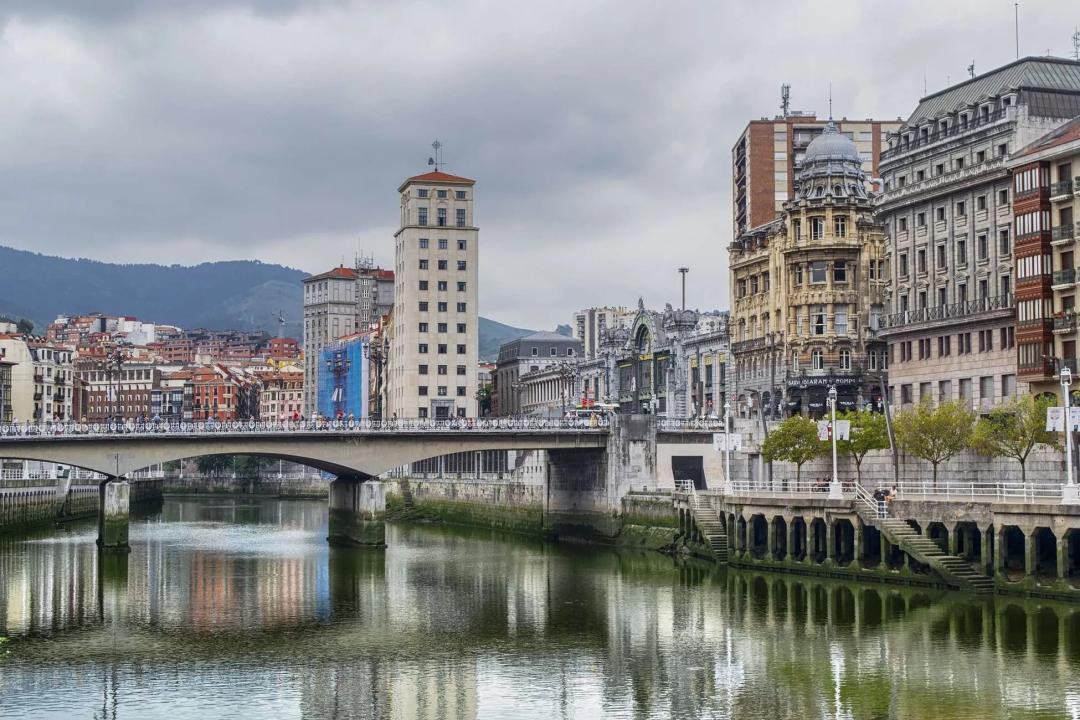
Basilica of Begoña
Bilbao’s beloved church on a hilltop
Dedicated to the patron saint of Biscay, the Basilica of Begoña is a Gothic-style church located above the city. It’s an important pilgrimage site and offers peaceful surroundings.
Highlights
✔️ Visit Bilbao’s most important church
✔️ Gothic and Renaissance architectural details
✔️ Hilltop setting with great views
✔️ Important pilgrimage destination
✔️ Accessible by a short ride or funicular
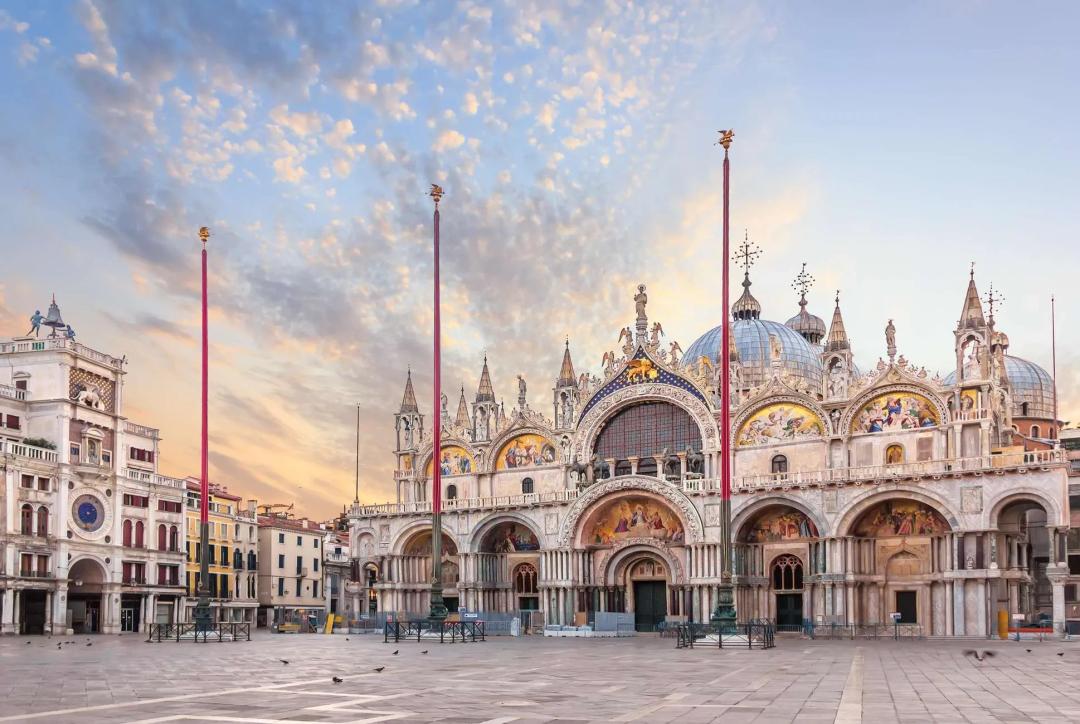
Zubizuri Bridge
Santiago Calatrava’s white arch bridge
The Zubizuri, or “White Bridge,” is a pedestrian bridge designed by Santiago Calatrava. Crossing the Nervión River, it connects the Guggenheim with other modern landmarks, symbolizing Bilbao’s urban renewal.
Highlights
✔️ Iconic white arched design
✔️ Scenic pedestrian crossing over the river
✔️ Great photo spot with Guggenheim views
✔️ Modern Bilbao architecture
✔️ Links city attractions along the riverside
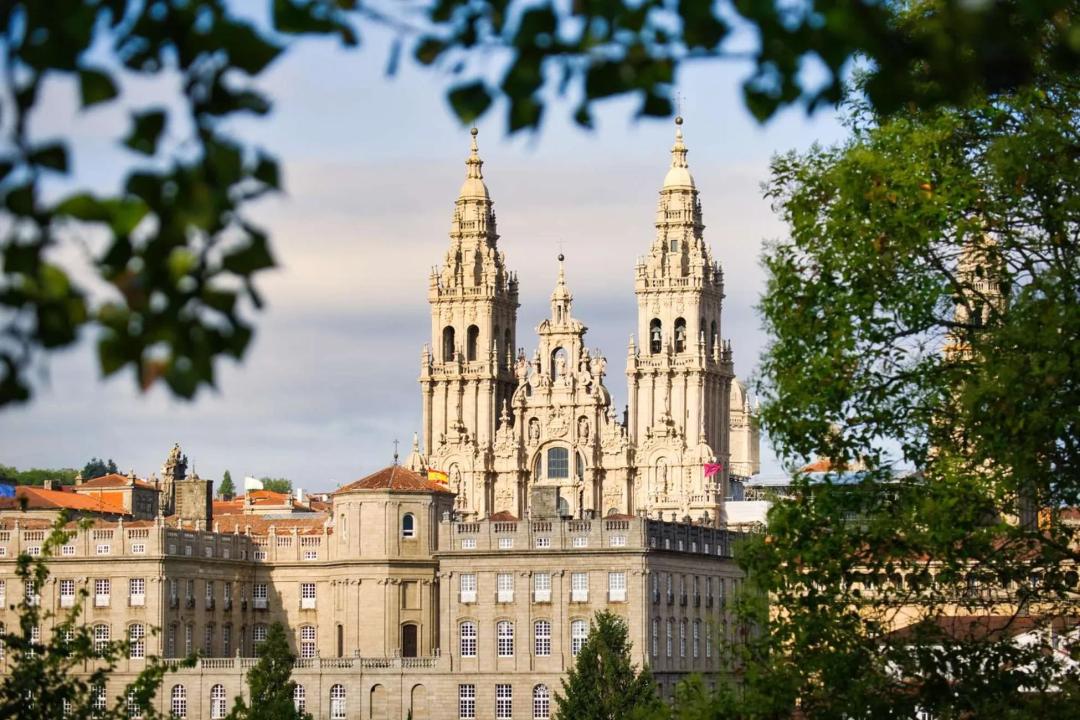
Mercado de la Ribera
Europe’s largest indoor market
Set along the Nervión River, Mercado de la Ribera is one of Europe’s biggest covered markets. Its stalls and pintxo bars are a paradise for food lovers exploring Basque cuisine.
Highlights
✔️ Taste fresh seafood, cheese, and local specialties
✔️ Explore over 10,000 m² of market space
✔️ Lively bars serving pintxos inside
✔️ Art deco building with stained glass windows
✔️ Authentic food hub of Bilbao
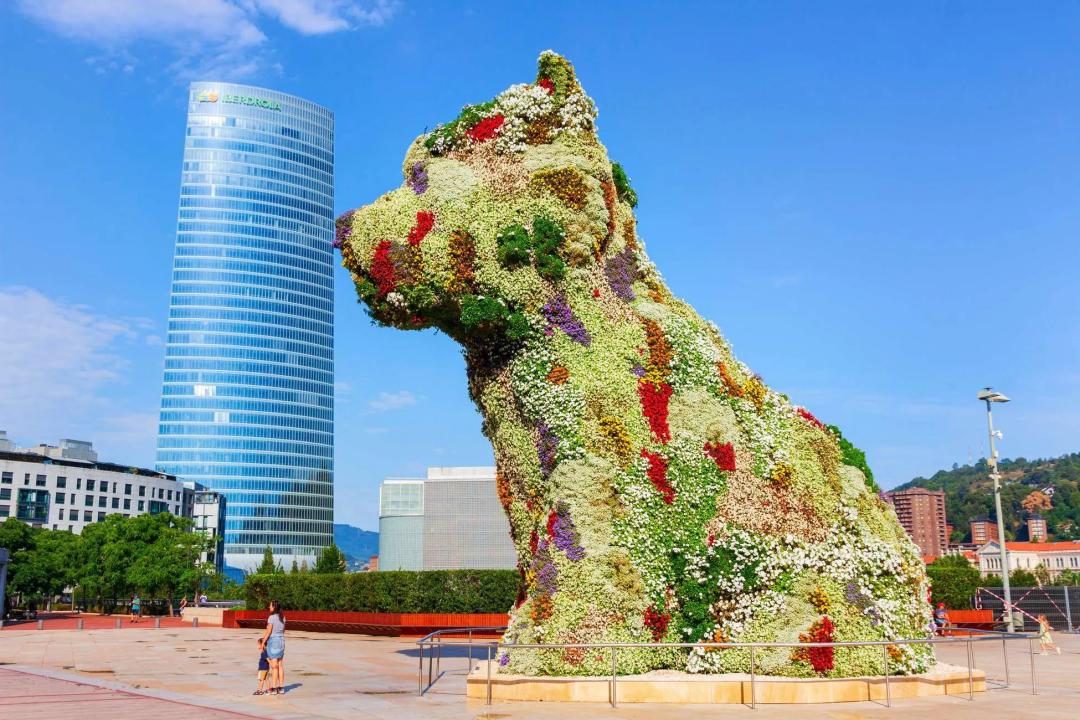
Arriaga Theatre
Bilbao’s 19th-century opera house
Inspired by Paris’s Opera Garnier, the Arriaga Theatre is Bilbao’s most elegant cultural venue. Hosting opera, concerts, and plays, it’s a symbol of the city’s 19th-century prosperity.
Highlights
✔️ Admire the neo-baroque architecture
✔️ Attend concerts, operas, or performances
✔️ Central location by the river and Casco Viejo
✔️ Rich history dating back to 1890
✔️ Beautiful interior with ornate décor
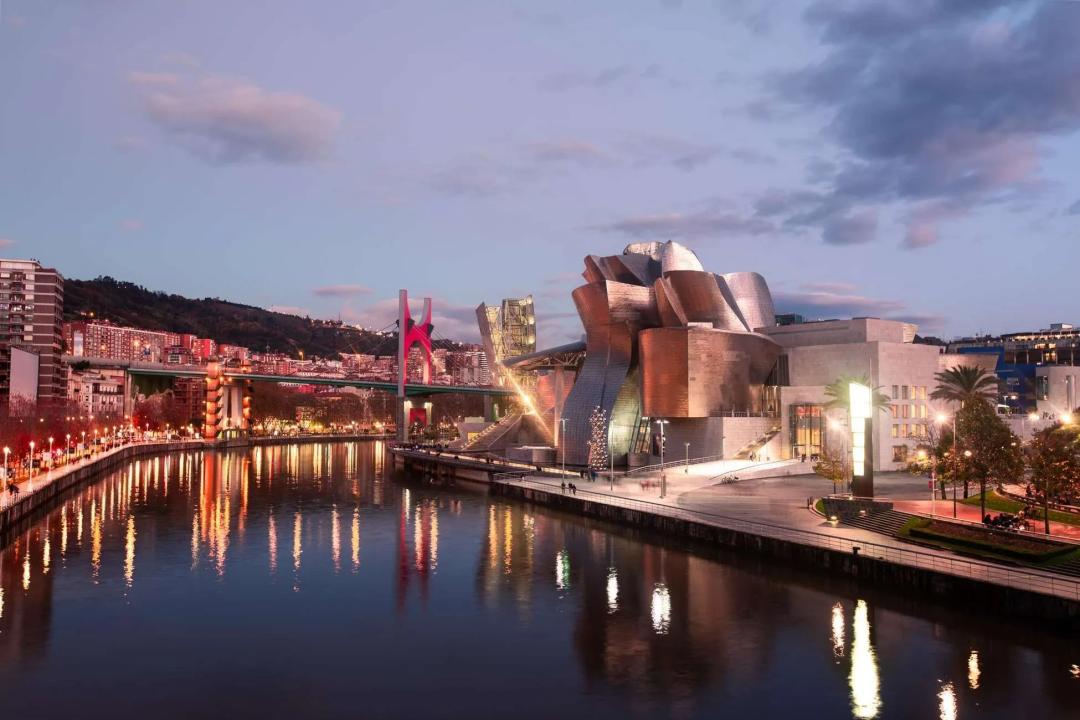
Casco Viejo
Bilbao’s historic heart with 7 lively streets
Casco Viejo is Bilbao’s old town, a maze of narrow streets filled with shops, cafés, and pintxo bars. Known as the “Siete Calles” (Seven Streets), it’s the best place to feel Bilbao’s authentic character.
Highlights
✔️ Wander medieval streets and hidden plazas
✔️ Try Basque pintxos at traditional bars
✔️ Visit Santiago Cathedral in the center
✔️ Explore boutique shops and markets
✔️ Lively atmosphere day and night
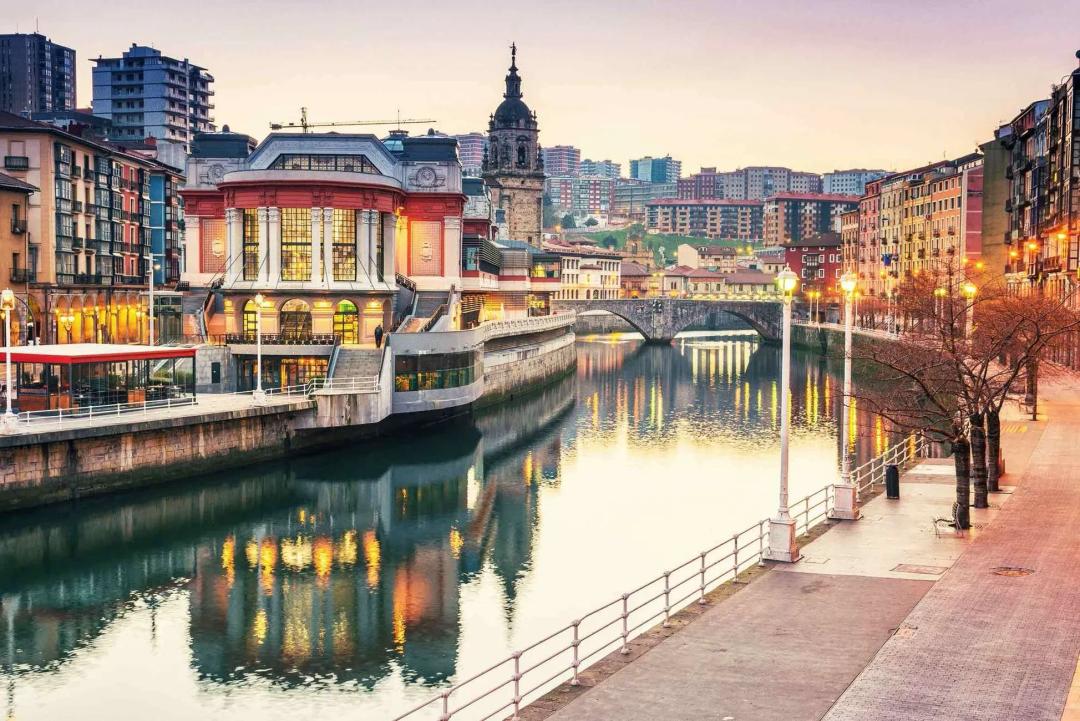
San Juan de Gaztelugatxe
Dramatic island hermitage on the Basque coast
Just 45 minutes from Bilbao, San Juan de Gaztelugatxe is a rocky islet topped with a small hermitage, reached by a stone footbridge and 241 steps. The coastal ride to get there is one of the most scenic in Spain.
Highlights
✔️ Iconic Game of Thrones filming location (Dragonstone)
✔️ Breathtaking Basque coastal scenery
✔️ Hermitage dating back to the 10th century
✔️ Ride through dramatic coastal roads from Bilbao
✔️ One of the Basque Country’s most famous sights
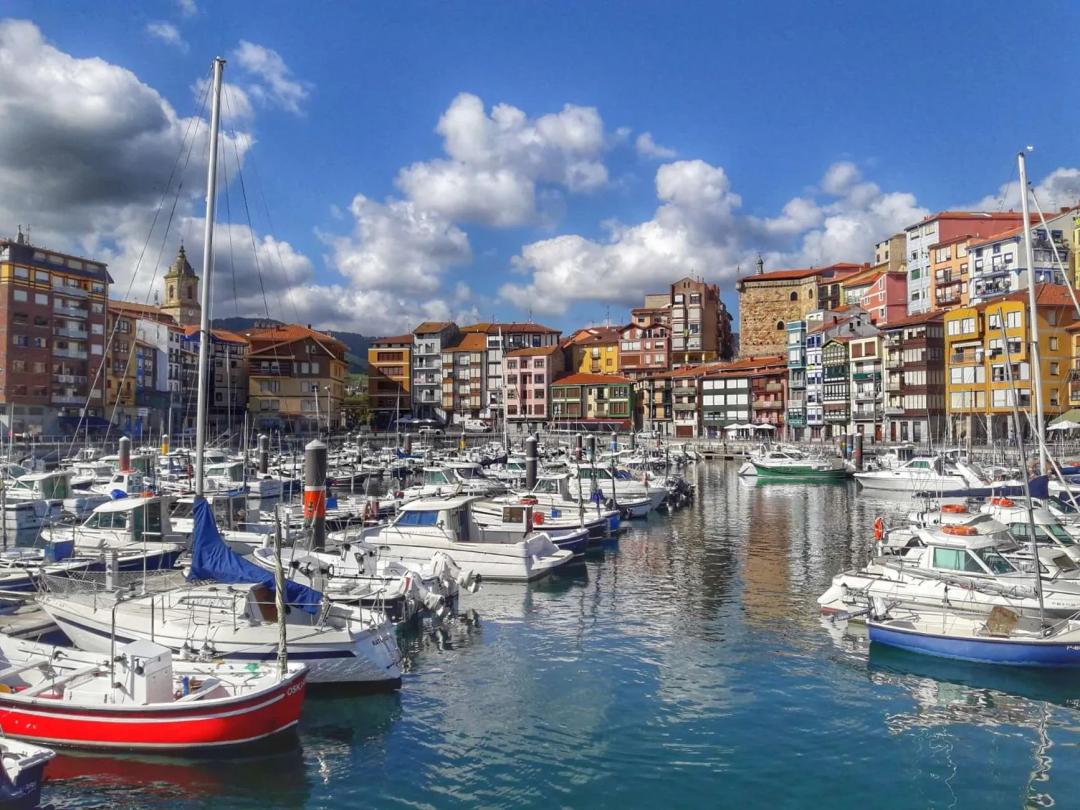
Monte Urgull
History and views from San Sebastián’s old fortress hill
Monte Urgull rises above the old town, crowned by a castle and a giant statue of Christ. Walking trails and viewpoints offer stunning perspectives over the city and sea.
Highlights
✔️ Visit Castillo de la Mota fortress
✔️ Statue of the Sacred Heart at the summit
✔️ Scenic walking trails with viewpoints
✔️ Historic cannons and defensive walls
✔️ Peaceful escape right by the old town
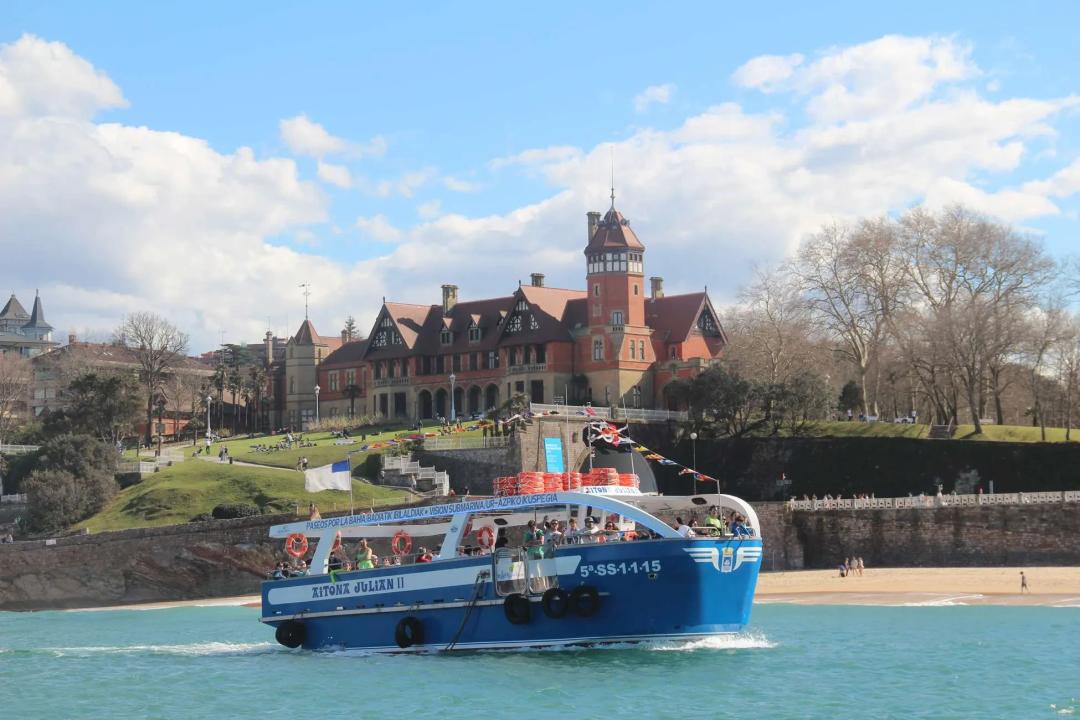
Buen Pastor Cathedral
Neo-Gothic landmark in the city center
The Cathedral of the Good Shepherd (Buen Pastor) is San Sebastián’s largest church. Its 75-meter spire dominates the skyline, and its interior is equally impressive.
Highlights
✔️ Admire the neo-Gothic façade and spire
✔️ Peaceful interior with stained glass windows
✔️ Located in the heart of the modern city
✔️ One of San Sebastián’s tallest landmarks
✔️ Free entry for visitors
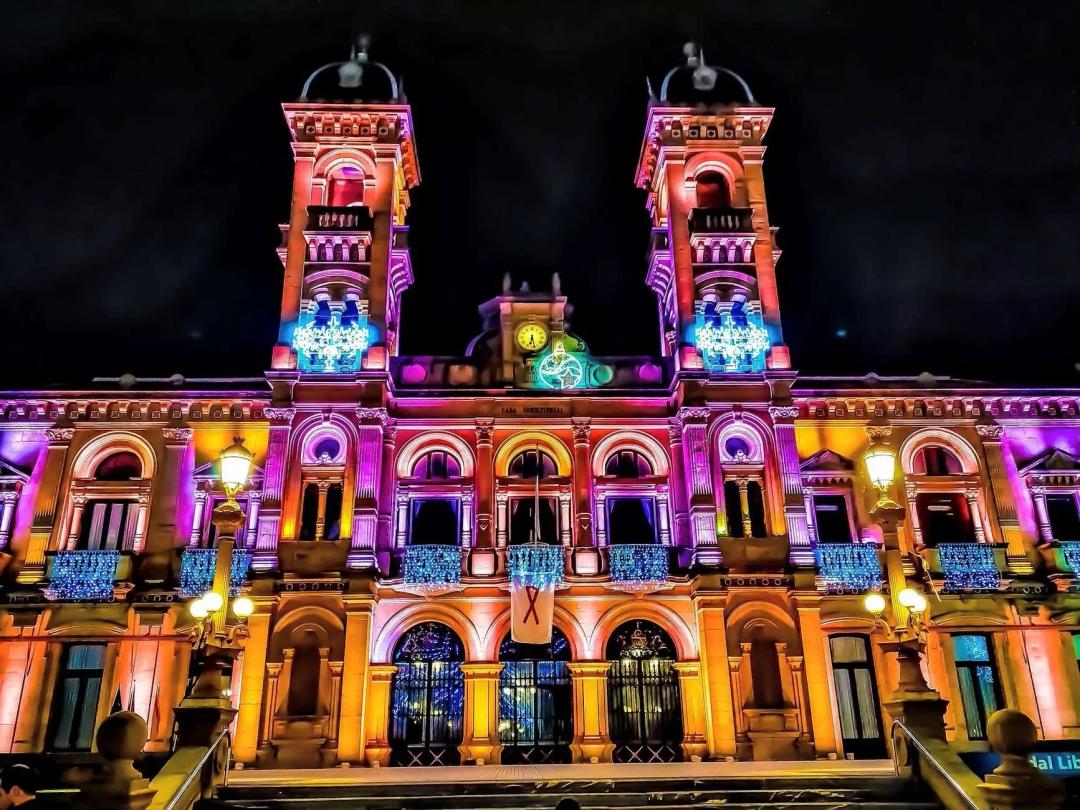
Monte Igueldo
Panoramic views and a vintage amusement park
Monte Igueldo overlooks La Concha Bay, offering the city’s best panoramic views. Accessible by a funicular or a winding coastal ride, it’s also home to a charming retro amusement park.
Highlights
✔️ Stunning views over San Sebastián and the bay
✔️ Ride the vintage funicular to the top
✔️ Old-fashioned amusement park with family rides
✔️ Scenic coastal roads leading up the hill
✔️ Popular sunset viewpoint
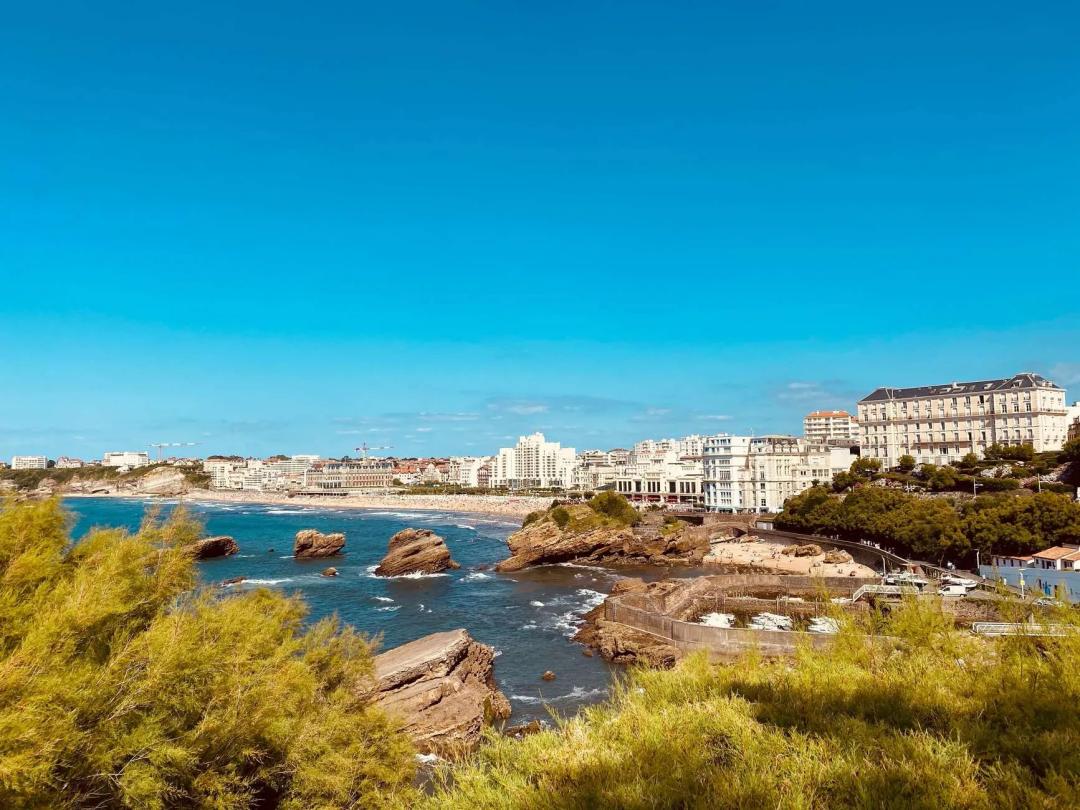
La Bretxa Market
Traditional Basque market
La Bretxa Market has been San Sebastián’s main food market for over a century. Today, it combines traditional food stalls with modern shops, offering a true taste of Basque gastronomy.
Highlights
✔️ Fresh produce, seafood, and regional products
✔️ Traditional market atmosphere
✔️ Great place to buy picnic supplies for rides
✔️ Mix of historic and modern shopping
✔️ Central location near the old town
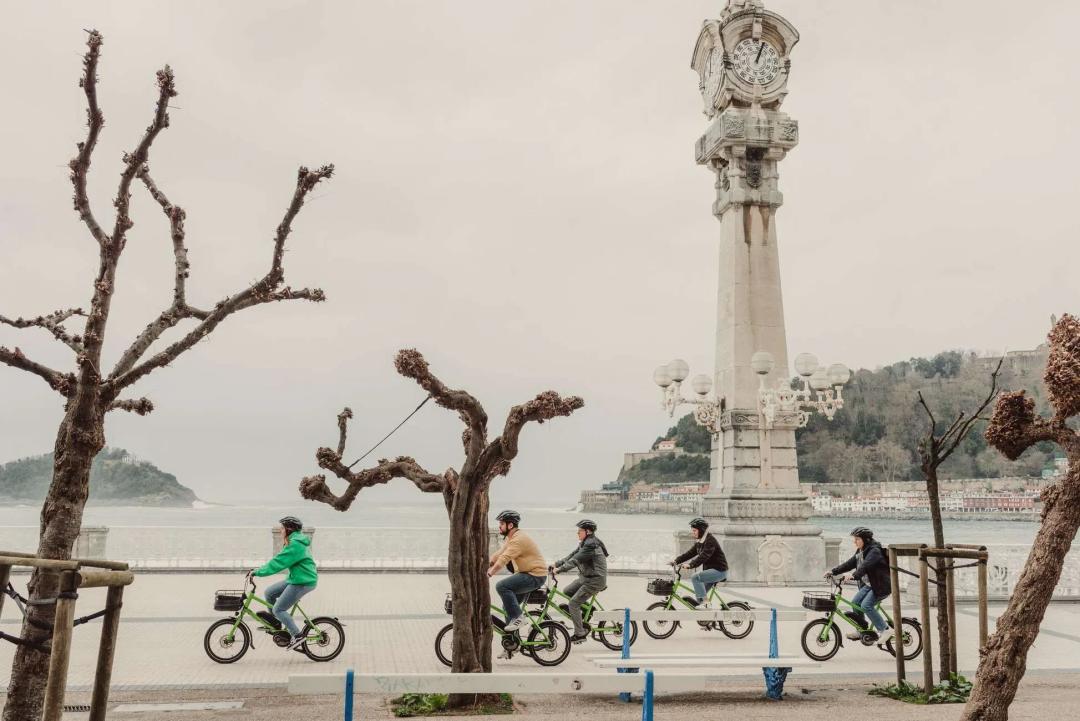
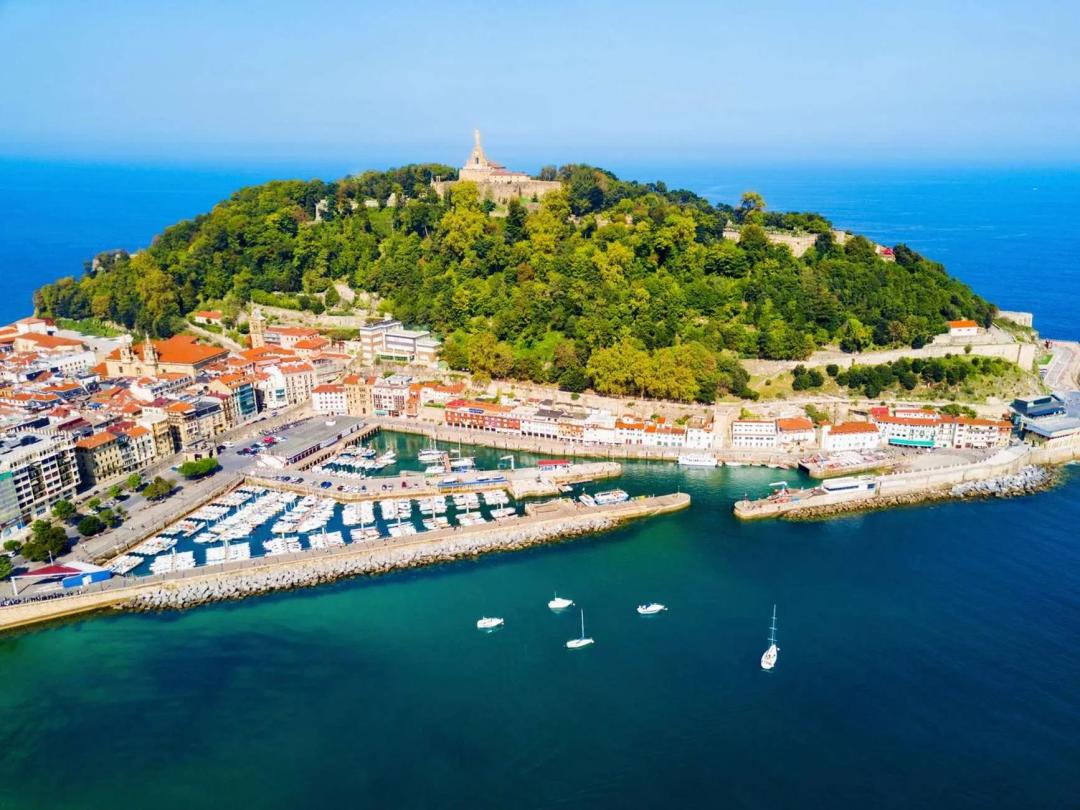
La Concha Beach
One of Europe’s most beautiful urban beaches
La Concha is San Sebastián’s signature beach, a crescent-shaped bay with golden sand and turquoise waters. Surrounded by the city and mountains, it’s often ranked among the world’s top urban beaches.
Highlights
✔️ Relax on the wide sandy beach
✔️ Scenic promenade along the bay
✔️ Safe swimming and sunbathing spot
✔️ Iconic views of Santa Clara Island
✔️ Central location near the old town
Peine del Viento
Eduardo Chillida’s iconic seaside sculptures
At the western end of La Concha Bay lies Peine del Viento, a series of massive iron sculptures by artist Eduardo Chillida. Set against crashing waves, it’s one of San Sebastián’s most striking landmarks.
Highlights
✔️ Marvel at Chillida’s monumental sculptures
✔️ Waves crashing dramatically through blowholes
✔️ Scenic walk from Ondarreta Beach
✔️ Blend of art and nature at the ocean’s edge
✔️ One of the city’s most photographed spots
Zurriola Beach
San Sebastián’s surf beach
Zurriola Beach is the city’s surfing hotspot, attracting locals and visitors alike. Its youthful vibe, surf schools, and lively promenade make it a perfect alternative to La Concha.
Highlights
✔️ Popular beach for surfing and bodyboarding
✔️ Surf schools and rentals available
✔️ Lively atmosphere with bars and cafés nearby
✔️ Beautiful sunrise spot in the city
✔️ Great for younger and active travelers
Basque Coast Geopark
Cliffside roads and dramatic landscapes near San Sebastián
Just a short ride from San Sebastián, the Basque Coast Geopark features some of Europe’s most dramatic cliffs and unique rock formations called “flysch.” The coastal road is a favorite among bikers.
Highlights
✔️ Ride scenic roads along the Bay of Biscay
✔️ See the spectacular flysch rock formations
✔️ Visit Zumaia, Deba, and Mutriku villages
✔️ UNESCO-recognized geological site
✔️ Popular filming location for Game of Thrones
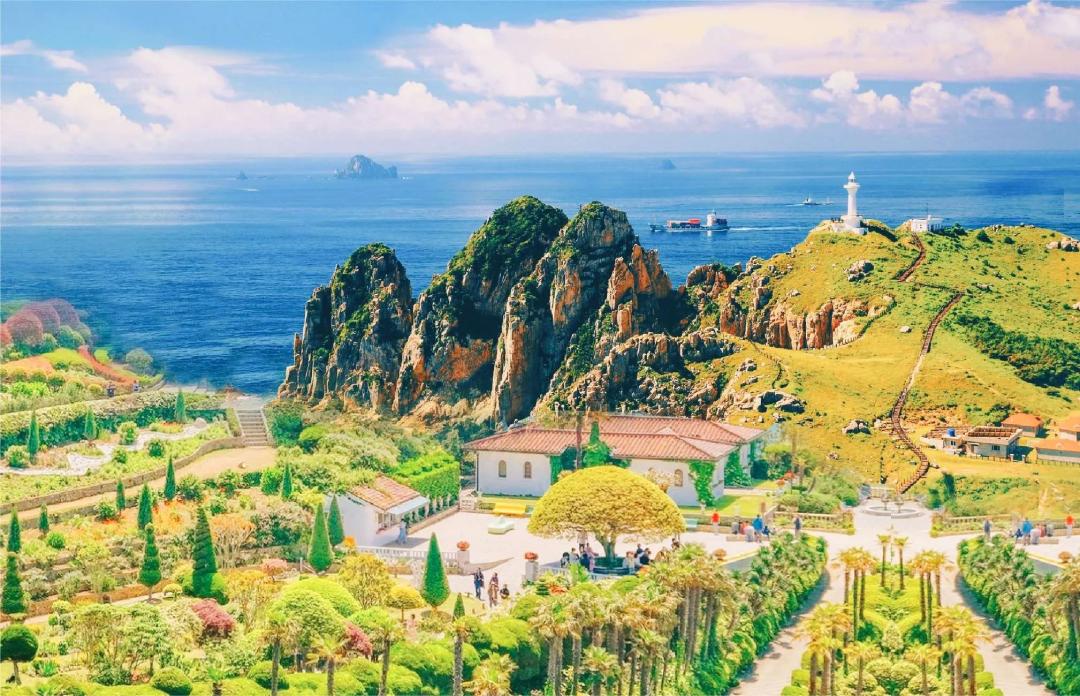
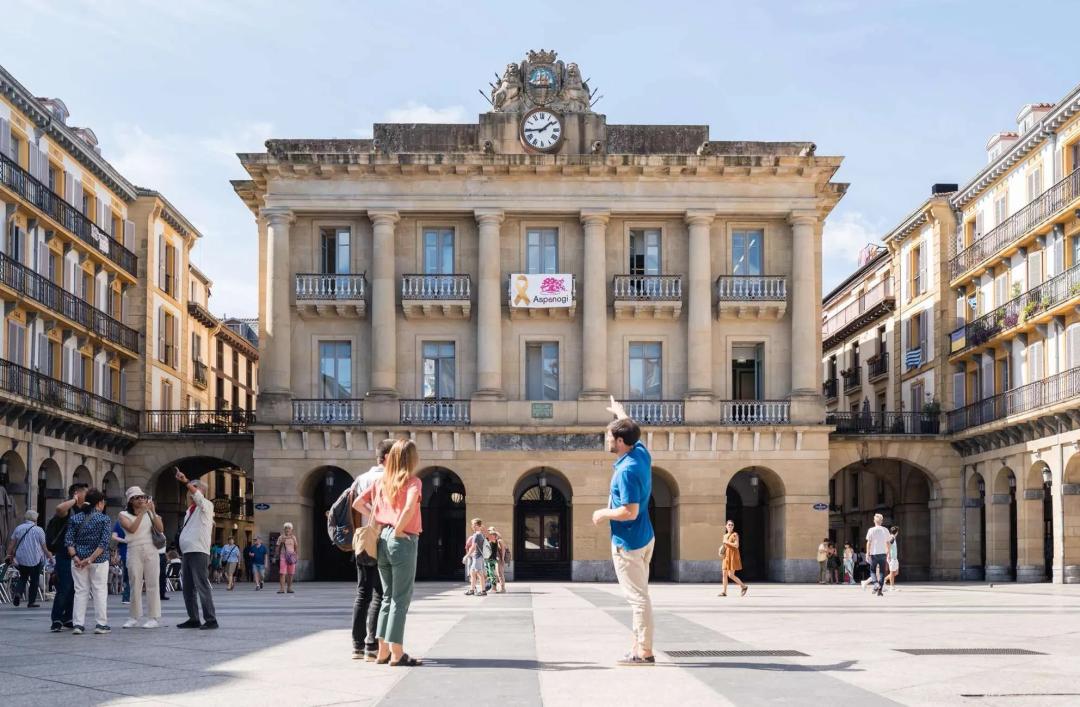
Old Town of San Sebastián
Pintxo heaven and historic charm
The Parte Vieja is the heart of San Sebastián, a lively neighborhood full of pintxo bars, narrow streets, and historic buildings. It’s the best place to experience Basque food culture.
Highlights
✔️ Try pintxos (Basque tapas) in legendary bars
✔️ Visit Plaza de la Constitución, the old bullring
✔️ Lively atmosphere day and night
✔️ Explore churches and historic streets
✔️ A must for foodies and culture lovers

San Telmo Museum
Basque culture and art museum
San Telmo Museoa is dedicated to Basque history, society, and art. Housed in a 16th-century convent with a modern extension, it’s the city’s main museum.
Highlights
✔️ Learn about Basque culture and heritage
✔️ Exhibits on history, art, and traditions
✔️ Blend of Gothic and modern architecture
✔️ Central location at Monte Urgull’s base
✔️ Regular temporary exhibitions
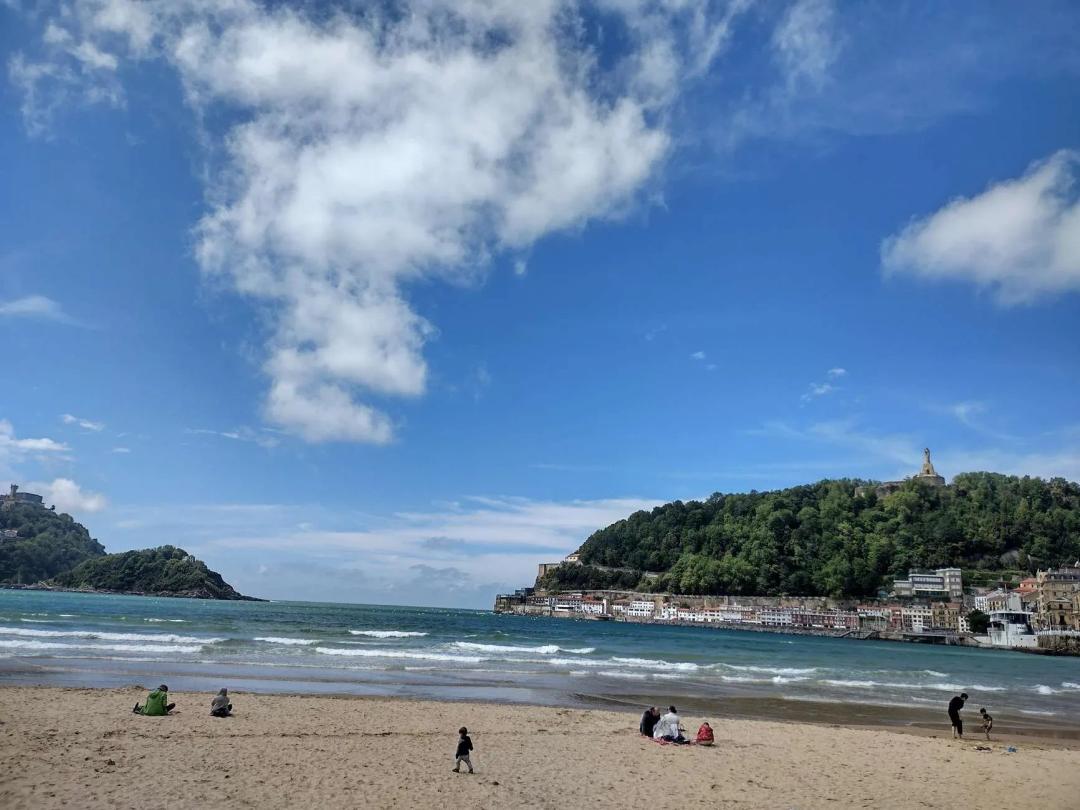
Mezquita-Catedral de Córdoba
An Islamic masterpiece turned cathedral
The Mezquita-Catedral is Córdoba’s most famous landmark, a stunning mosque-cathedral blending Islamic and Christian architecture. Its forest of red-and-white arches and ornate chapels make it one of the most unique monuments in the world.
Highlights
✔️ Walk among over 850 arches and columns
✔️ See the stunning mihrab (prayer niche)
✔️ Visit the cathedral nave built inside the mosque
✔️ UNESCO World Heritage Site
✔️ One of Spain’s most iconic monuments
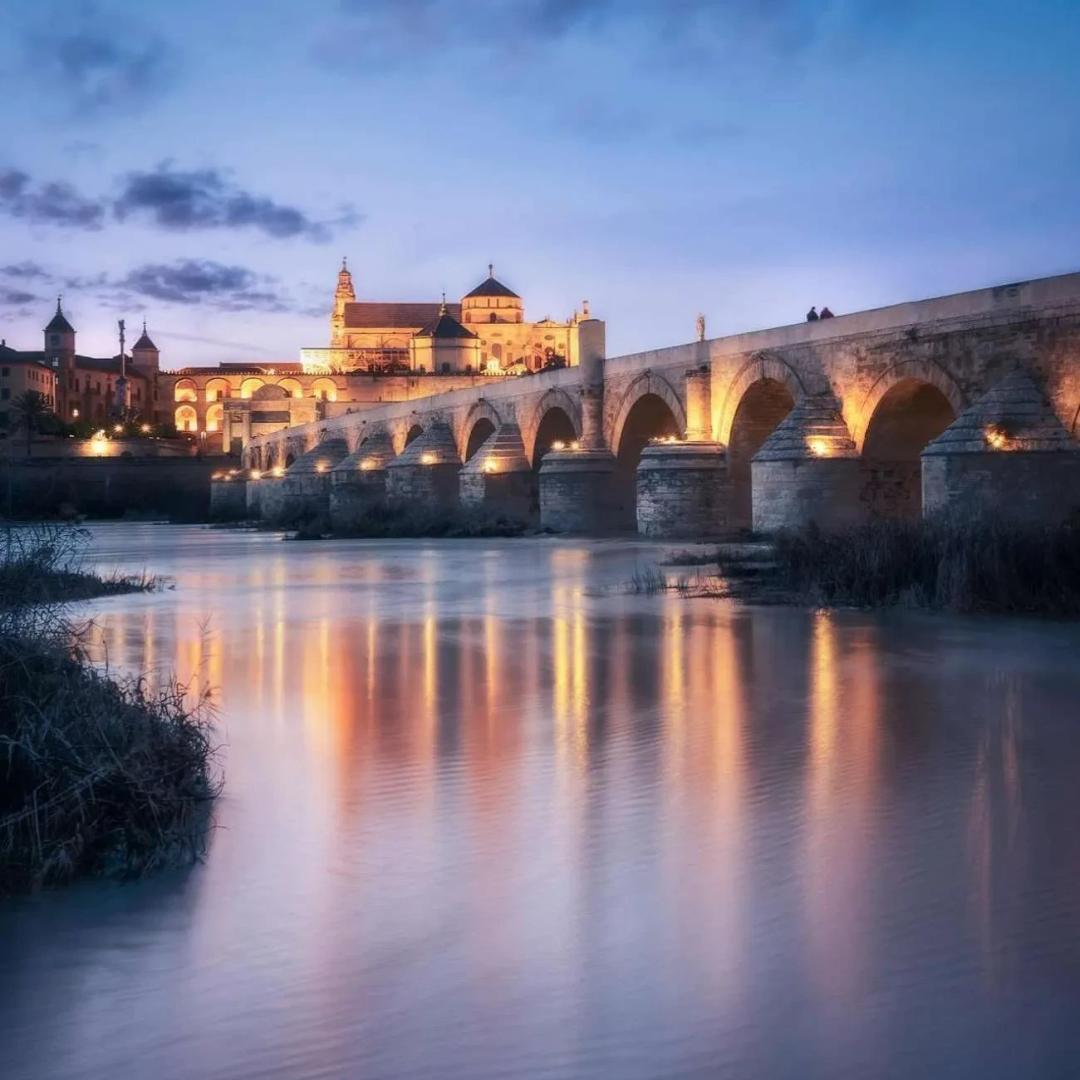
Patios of Córdoba
Flower-filled courtyards and UNESCO heritage
Córdoba is famous for its patios, traditional courtyards filled with flowers and fountains. Each May, the city hosts the Patios Festival, but many are open year-round for visitors.
Highlights
✔️ Visit traditional Andalusian patios
✔️ Admire colorful flowers and Moorish-style fountains
✔️ Experience UNESCO-recognized cultural heritage
✔️ Festival in May with competitions and tours
✔️ Located throughout the historic center
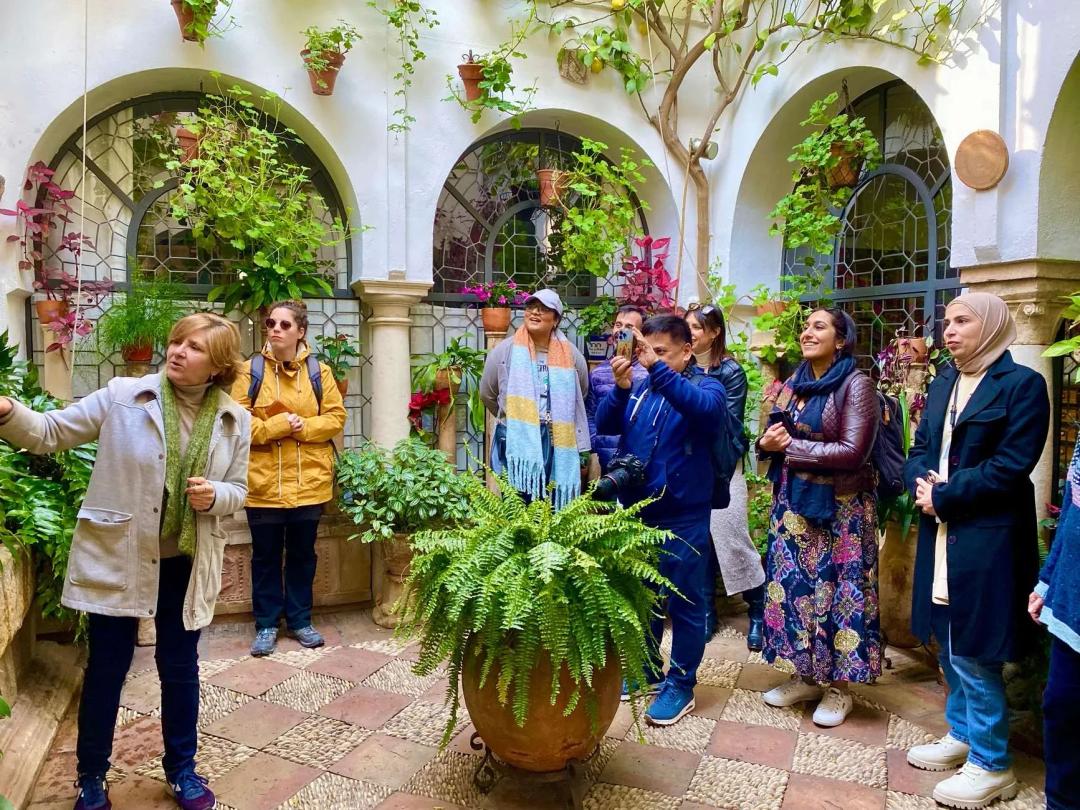
Palacio de Viana
The palace of patios
Palacio de Viana is a historic mansion featuring 12 beautifully decorated patios, each with unique designs. It’s a showcase of Córdoba’s courtyard tradition.
Highlights
✔️ Explore 12 patios with flowers and fountains
✔️ Visit the Renaissance palace interiors
✔️ Collections of art, books, and tapestries
✔️ UNESCO heritage linked to Córdoba’s patio culture
✔️ Located just outside the old town
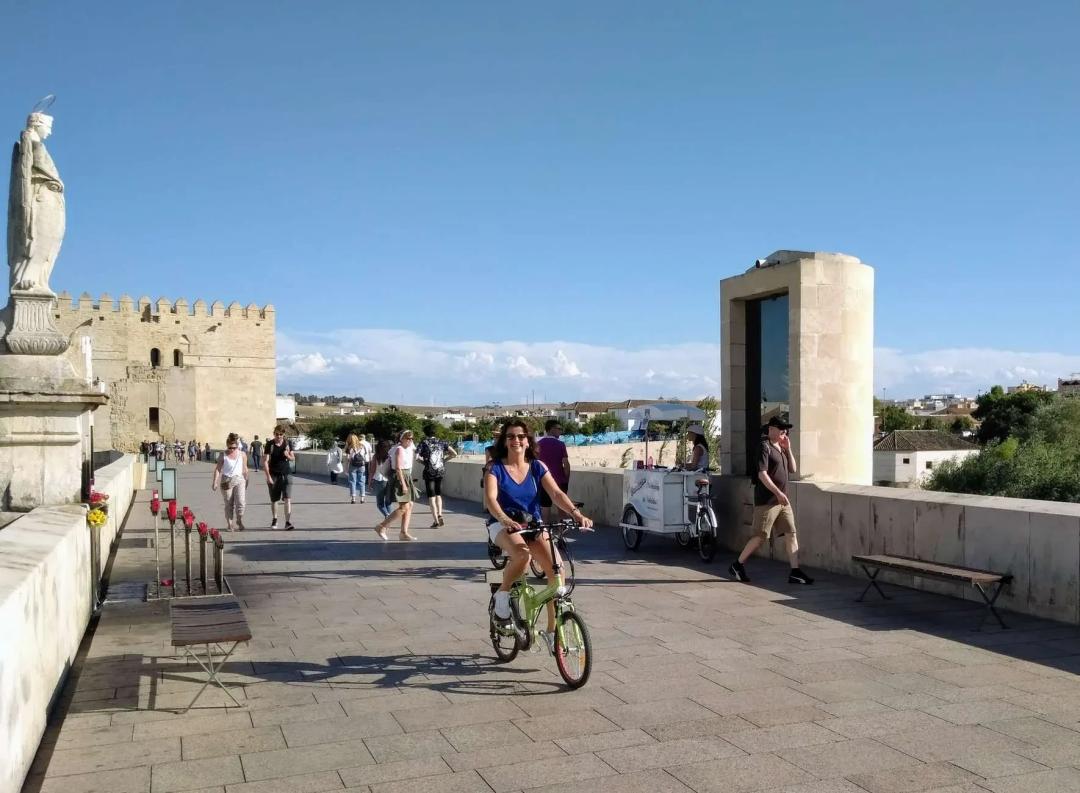
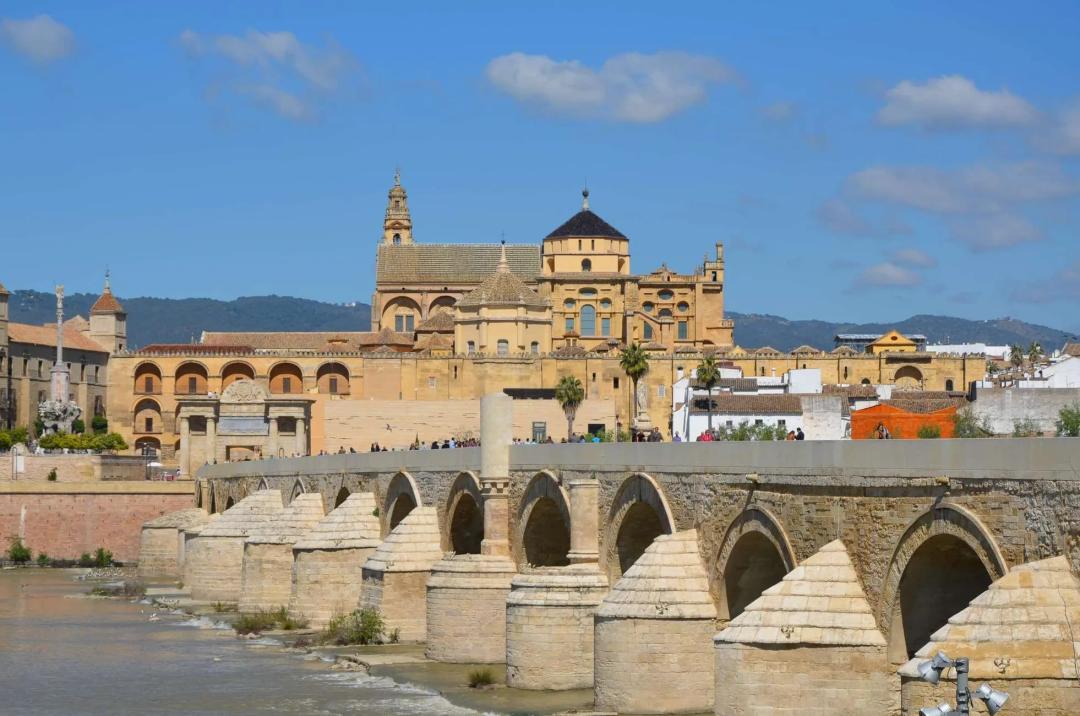
Roman Bridge of Córdoba
Historic gateway across the Guadalquivir River
The Roman Bridge has connected Córdoba across the Guadalquivir River since the 1st century BC. Restored over centuries, it’s now a pedestrian walkway with spectacular city views.
Highlights
✔️ Cross the 2,000-year-old Roman bridge
✔️ See the Calahorra Tower at one end
✔️ Panoramic views of the Mezquita and river
✔️ Famous filming location for Game of Thrones
✔️ Best visited at sunset
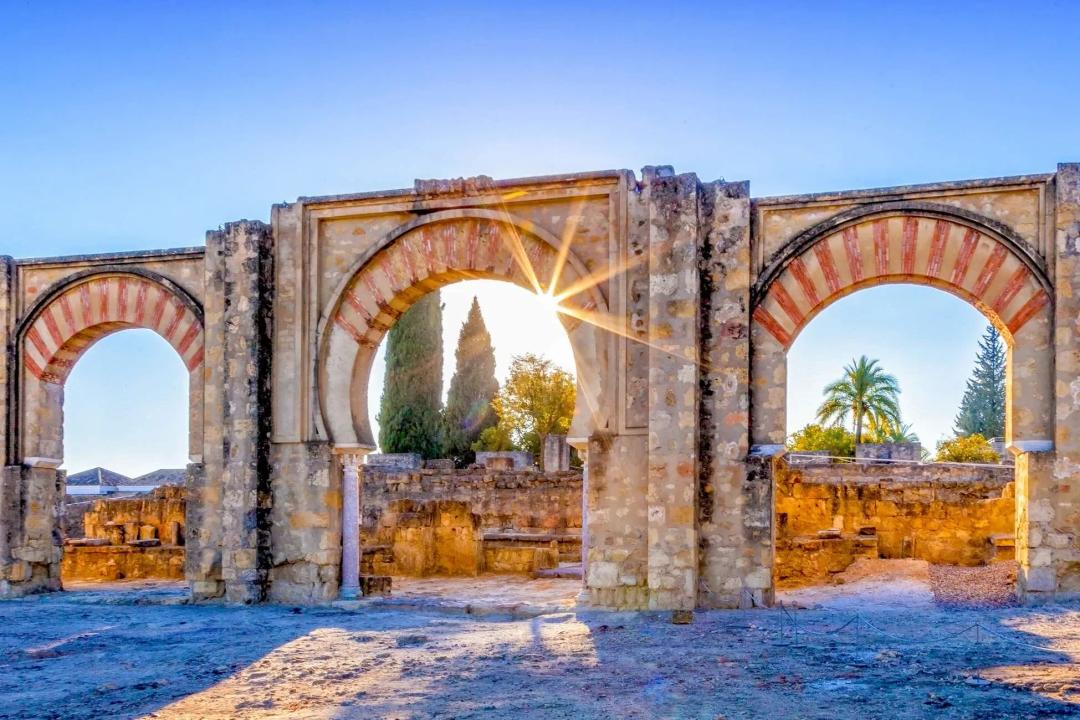
Medina Azahara
Ruins of a caliphal city outside Córdoba
Just outside Córdoba lies Medina Azahara, the ruins of a 10th-century Islamic city built by Caliph Abd al-Rahman III. A UNESCO World Heritage Site, it’s one of Spain’s most important archaeological sites.
Highlights
✔️ Explore palaces, mosques, and administrative buildings
✔️ Learn about Córdoba’s caliphate golden age
✔️ Panoramic views of the Guadalquivir Valley
✔️ On-site museum with artifacts and history
✔️ Scenic ride from Córdoba city center
Calleja de las Flores
Córdoba’s most photogenic street
Calleja de las Flores is a narrow alley in the old town decorated with vibrant flowerpots. With the Mezquita’s bell tower visible at the end, it’s one of Córdoba’s most photographed spots.
Highlights
✔️ Iconic photo opportunity in Córdoba
✔️ Lined with colorful flowers and balconies
✔️ View of the Mezquita tower at the end
✔️ Close to Plaza de las Tendillas and Judería
✔️ Charming stop on a walking tour
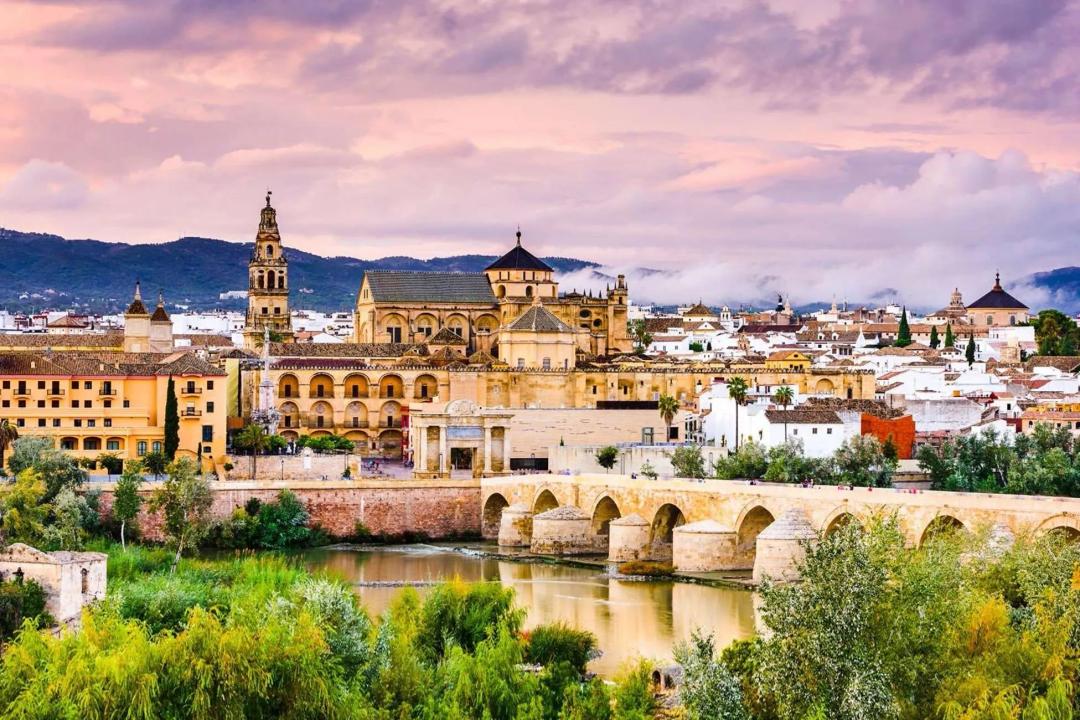
Plaza de la Corredera
Córdoba’s grand main square
Plaza de la Corredera is a large rectangular square surrounded by arcades and historic buildings. It’s a lively spot for cafés, restaurants, and cultural events.
Highlights
✔️ Relax with tapas on sunny terraces
✔️ Historic square with bullfighting history
✔️ Lively markets and festivals held here
✔️ Beautiful architecture with colorful façades
✔️ Central meeting point for locals and visitors
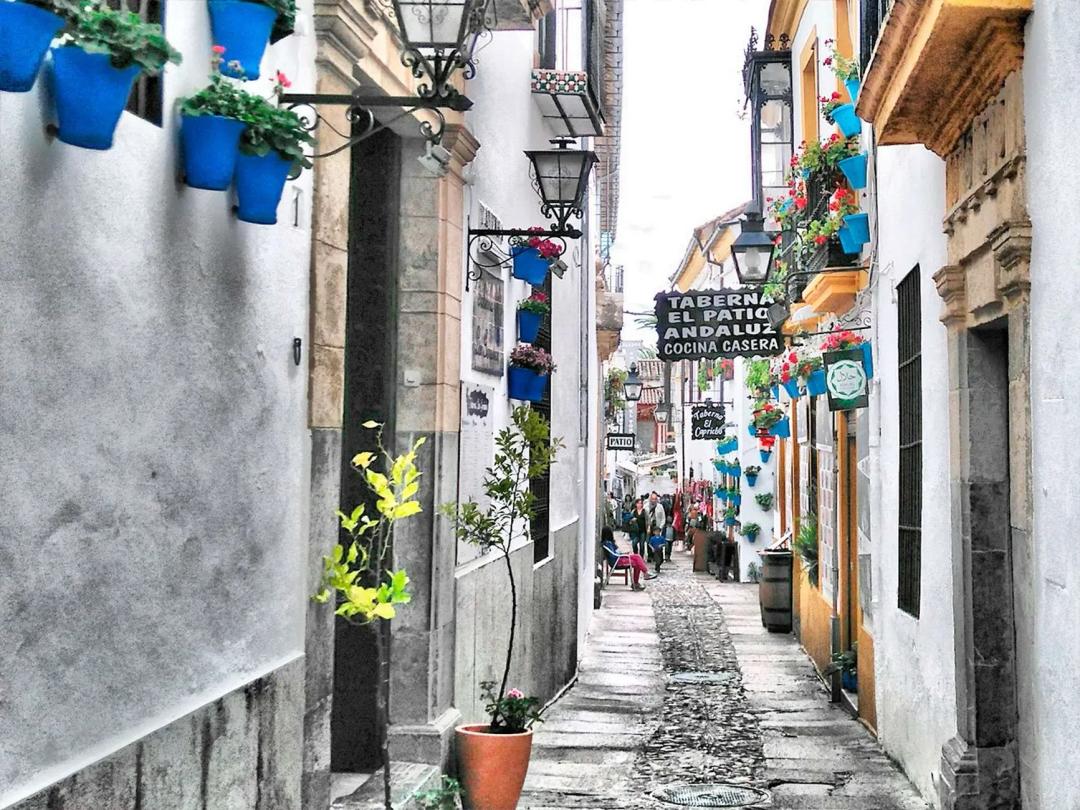
Córdoba’s Jewish Quarter
Medieval streets and rich history
The Judería is a maze of narrow streets, whitewashed houses, and flower-filled patios. Once home to a thriving Jewish community, it’s one of the city’s most atmospheric neighborhoods.
Highlights
✔️ Wander medieval alleys and small plazas
✔️ Visit Córdoba’s 14th-century synagogue
✔️ See Casa de Sefarad, a Jewish heritage museum
✔️ Discover artisan shops and taverns
✔️ UNESCO-listed as part of Córdoba’s historic center
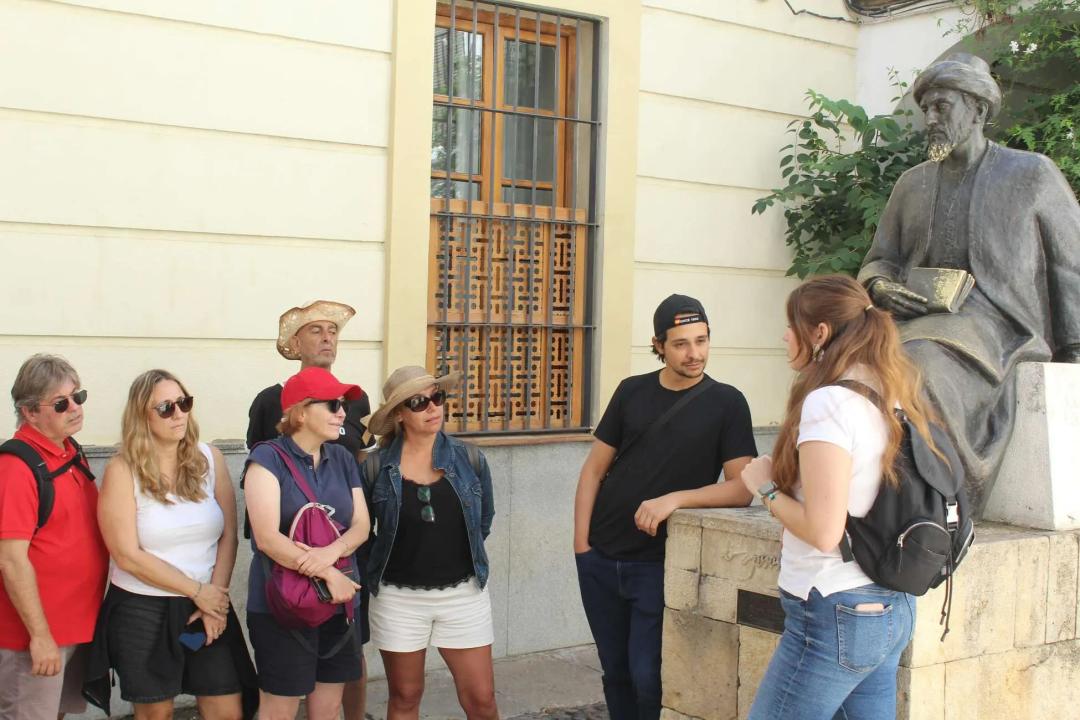
Alcázar de los Reyes Cristianos
Fortress-palace with gardens and history
The Alcázar was a royal fortress used by the Catholic Monarchs. Today, visitors can explore its towers, courtyards, and stunning gardens filled with fountains and flowers.
Highlights
✔️ Climb towers for city and river views
✔️ Explore Moorish-inspired courtyards
✔️ Stroll through gardens with ponds and fountains
✔️ Rich history as a royal and military residence
✔️ Central location near the Mezquita
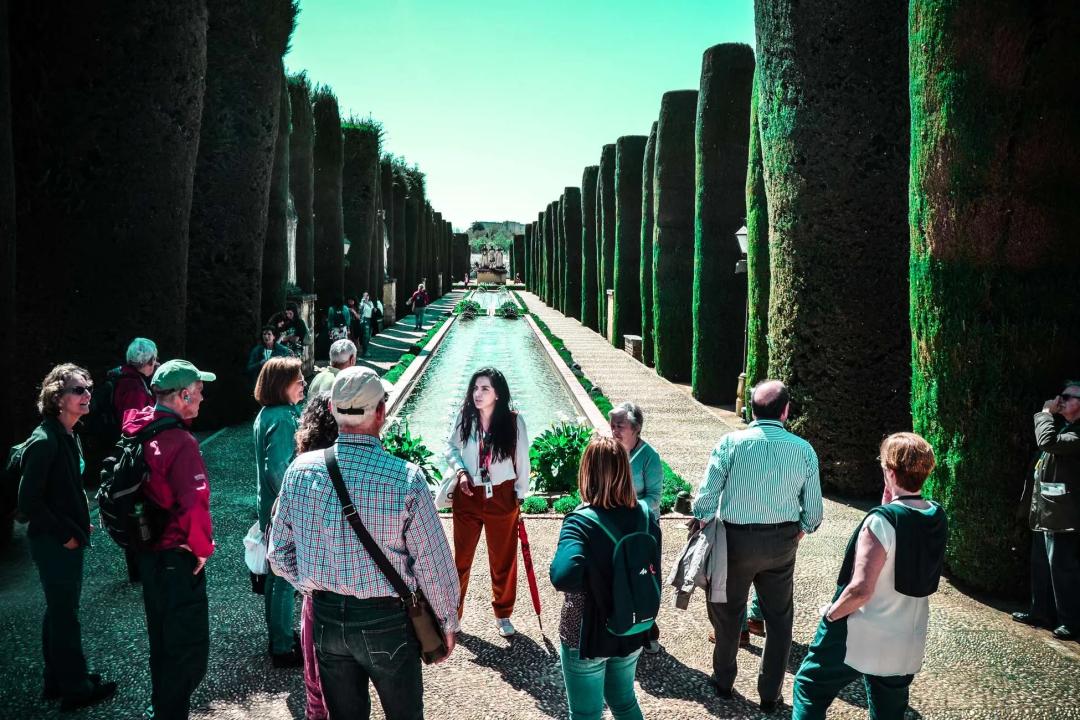
Sierra de Hornachuelos
Nature and scenic roads near Córdoba
Just outside Córdoba, the Sierra de Hornachuelos Natural Park offers winding roads, forests, and wildlife. It’s a popular escape for bikers looking for fresh air and Andalusian landscapes.
Highlights
✔️ Ride twisty mountain roads through nature
✔️ Hike or picnic in pine and oak forests
✔️ Spot wildlife like deer and eagles
✔️ Peaceful escape from the city
✔️ UNESCO Biosphere Reserve
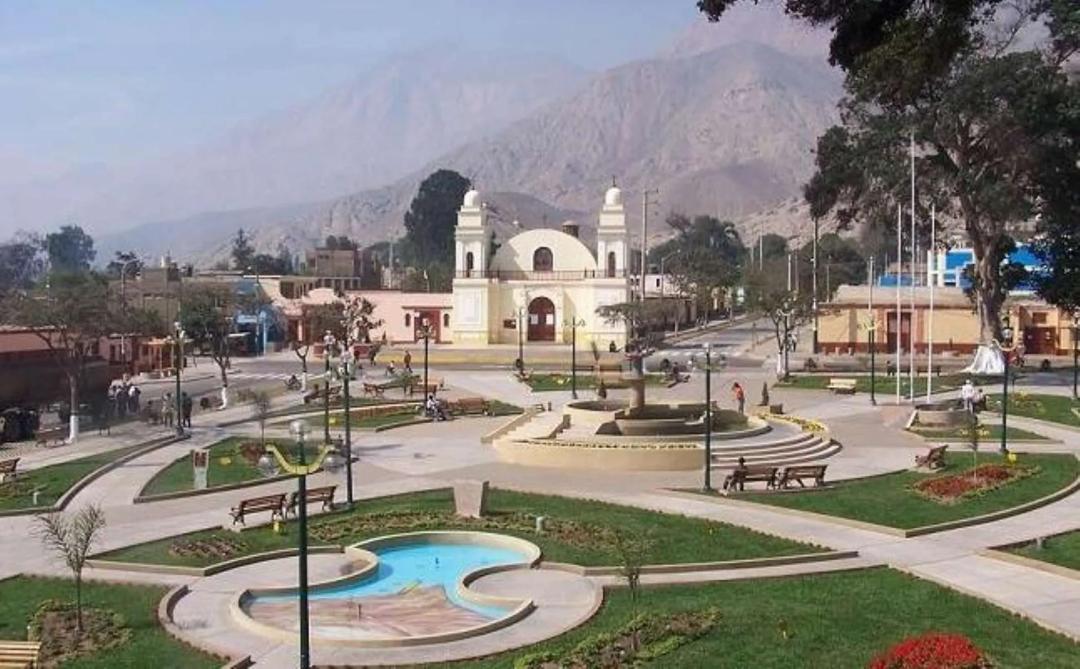
La Seo Cathedral
A blend of Romanesque, Gothic, Mudéjar, and Baroque styles
La Seo, also known as the Cathedral of the Savior, showcases centuries of architectural styles. Its Mudéjar apse is a UNESCO World Heritage Site and one of Zaragoza’s cultural highlights.
Highlights
✔️ Explore richly decorated chapels and altars
✔️ Admire Mudéjar brickwork and ceramic details
✔️ Visit the Tapestry Museum inside
✔️ UNESCO-listed for its Mudéjar heritage
✔️ Located on Plaza de la Seo
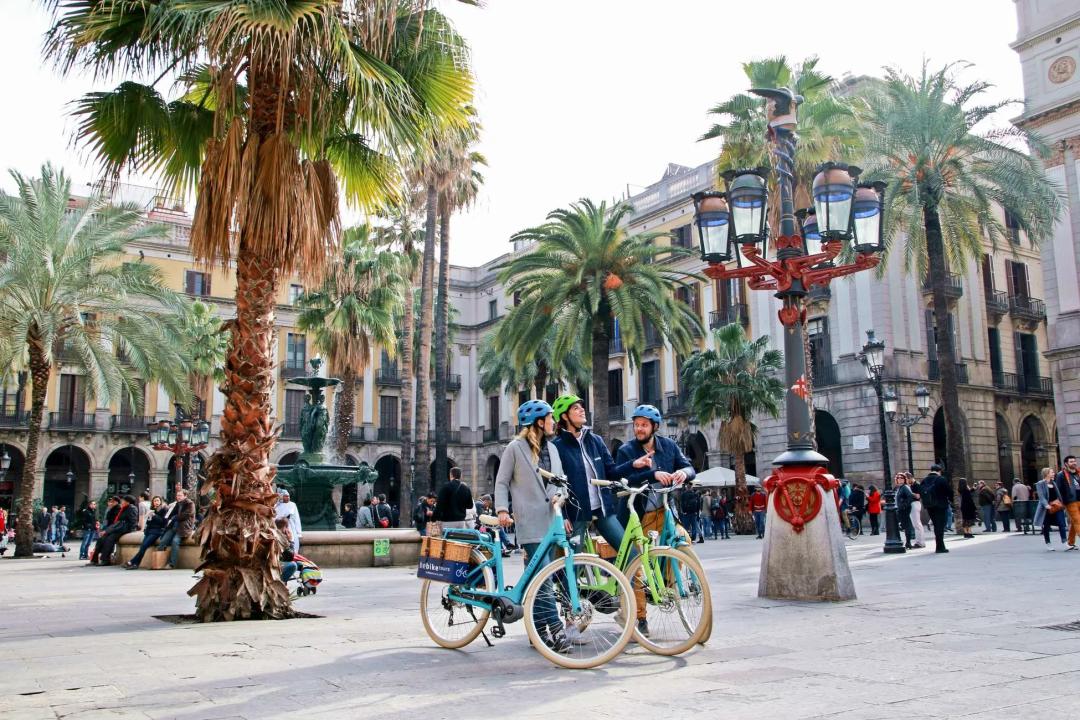
Aljafería Palace
A Moorish fortress turned royal palace
The Aljafería is a fortified Islamic palace from the 11th century, later expanded by Christian kings. Today it houses Aragón’s regional parliament and is one of the city’s top monuments.
Highlights
✔️ Wander Moorish-style courtyards and arches
✔️ Visit the Hall of the Throne and royal chambers
✔️ Learn about Islamic and medieval Spain
✔️ UNESCO-recognized Mudéjar architecture
✔️ Mix of fortress and palace design
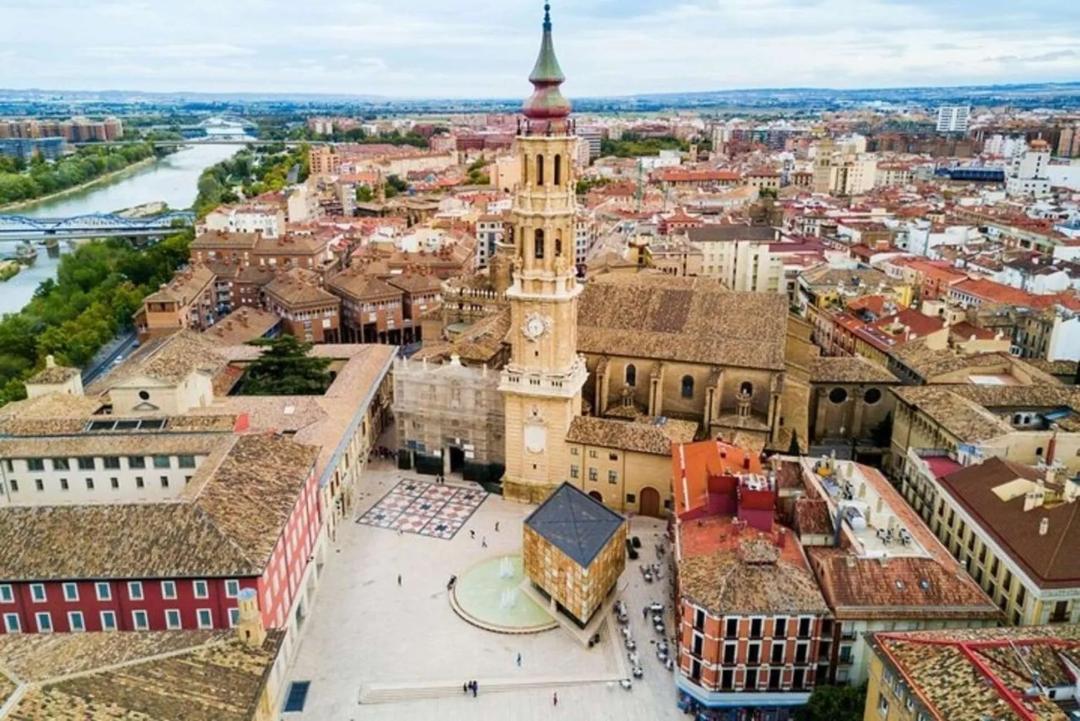
Basilica del Pilar
Zaragoza’s riverside icon
The Basilica del Pilar is Zaragoza’s most iconic landmark, a vast Baroque church rising over the Ebro River. Pilgrims and visitors alike come to admire its stunning domes, frescoes by Goya, and riverside setting.
Highlights
✔️ Climb the tower for panoramic views of Zaragoza
✔️ Admire frescoes painted by Francisco de Goya
✔️ Visit the Holy Chapel of Our Lady of the Pillar
✔️ Riverside photo spot by the Puente de Piedra
✔️ UNESCO-recognized pilgrimage site
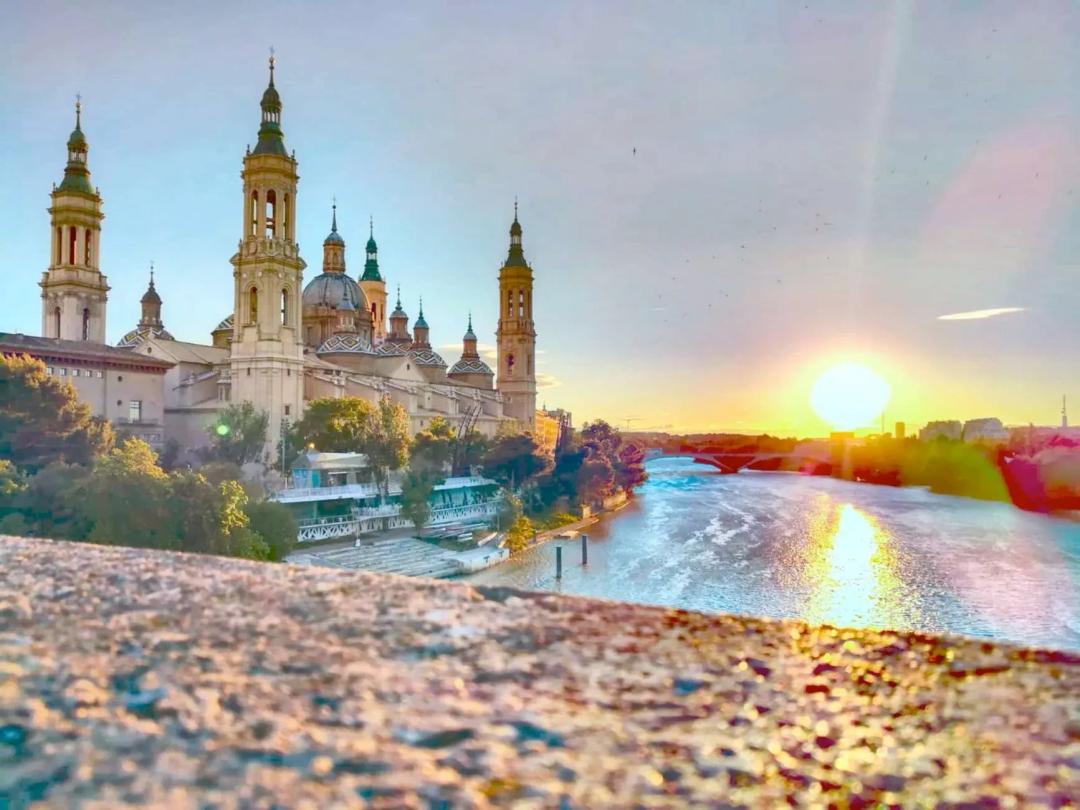
Puente de Piedra
The “Stone Bridge” over the Ebro River
Zaragoza’s medieval stone bridge has spanned the Ebro River since the 15th century. It offers one of the best views of the Basilica del Pilar, especially at sunrise and sunset.
Highlights
✔️ Walk across a historic medieval bridge
✔️ Perfect photo spot of Basilica del Pilar
✔️ Statues of lions guarding the entrance
✔️ Links the historic center to the north bank
✔️ Popular with walkers and photographers
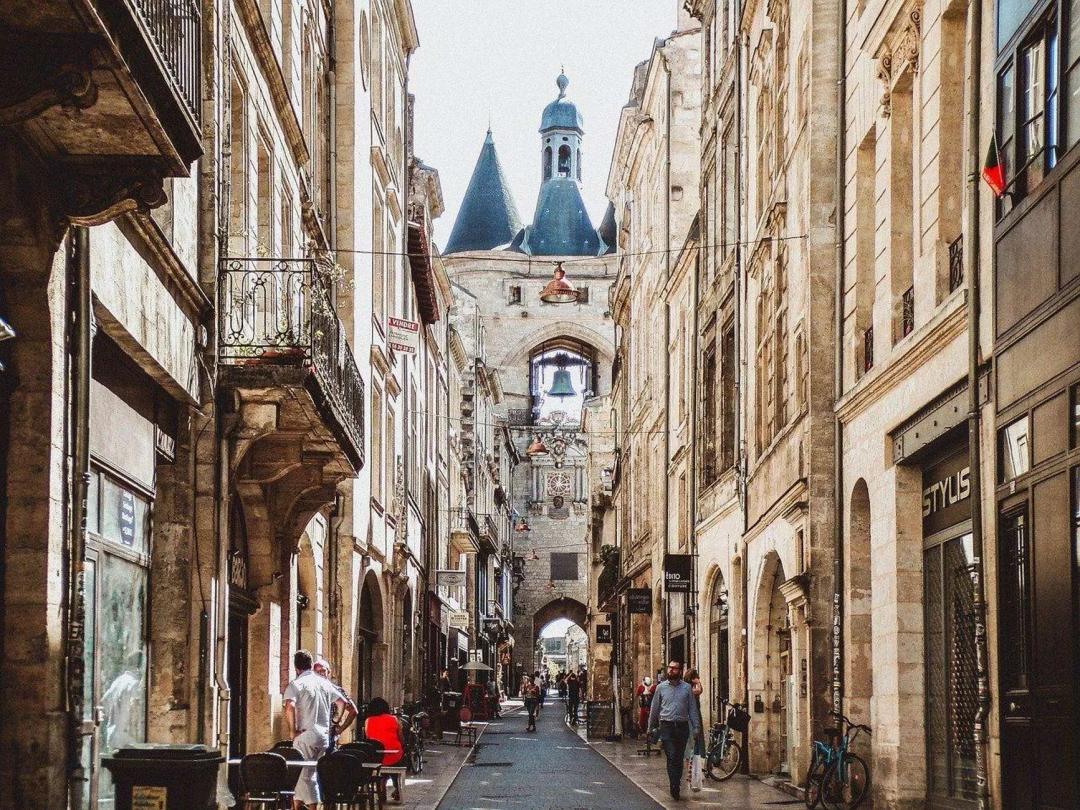
Plaza del Pilar
Zaragoza’s monumental square
Plaza del Pilar is one of the largest pedestrian squares in Spain, home to the Basilica del Pilar, La Seo, and cultural institutions. It’s the heart of the city and a must-visit stop.
Highlights
✔️ Stroll through a vast pedestrian plaza
✔️ Surrounded by the city’s main monuments
✔️ Water fountains and modern sculptures
✔️ Venue for cultural festivals and events
✔️ Central hub of Zaragoza life
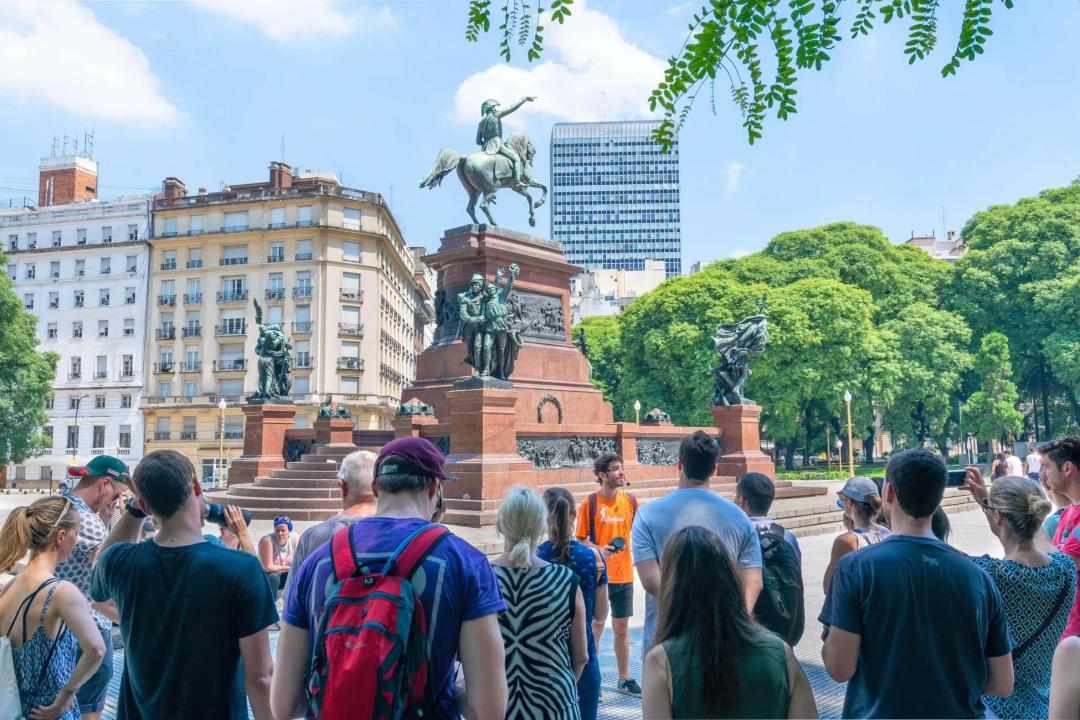
Goya Museum
Art dedicated to Aragón’s most famous painter
Francisco de Goya, born near Zaragoza, is one of Spain’s greatest artists. This museum displays his etchings, paintings, and works by other masters, all housed in a Renaissance palace.
Highlights
✔️ Explore Goya’s famous etching series
✔️ Paintings by Goya and his contemporaries
✔️ Renaissance building: Casa de los Pardo
✔️ Temporary exhibitions of Spanish art
✔️ Central location in the old town
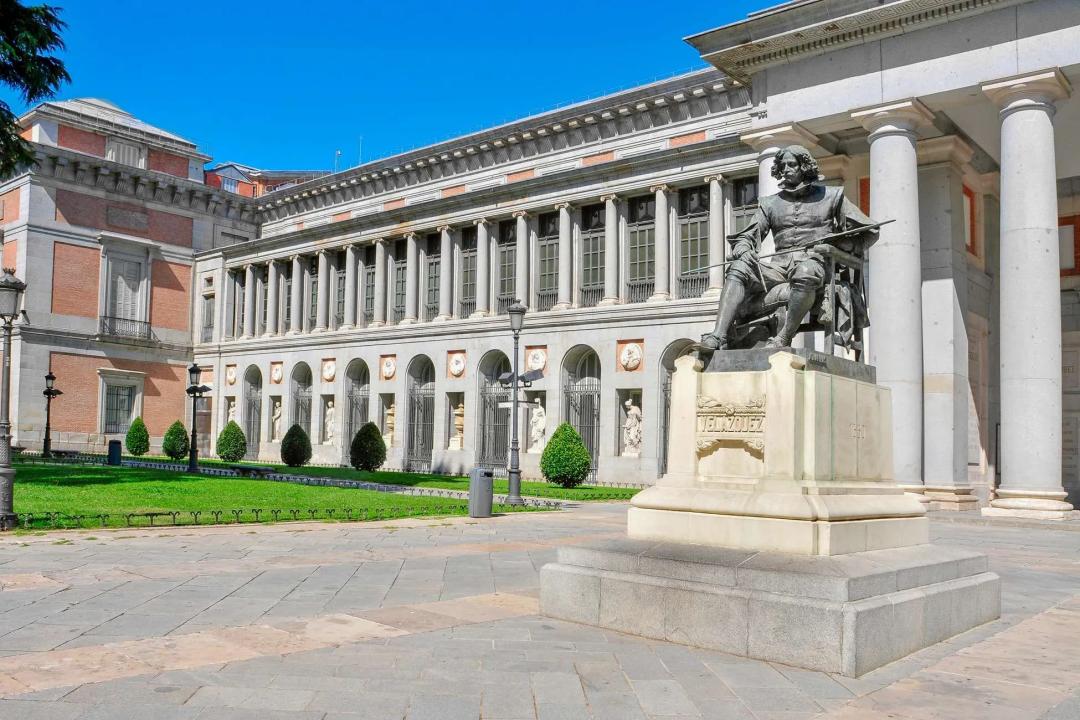
Roman Theatre of Zaragoza
Ancient Roman ruins in the city center
The Roman Theatre, dating back to the 1st century AD, once held 6,000 spectators. Its remains, museum, and audiovisual exhibits tell the story of Roman Caesaraugusta.
Highlights
✔️ See ruins of a Roman theatre in the city
✔️ Interactive museum with Roman artifacts
✔️ Learn about Roman Zaragoza (Caesaraugusta)
✔️ Central location near Calle San Jorge
✔️ Great blend of history and archaeology
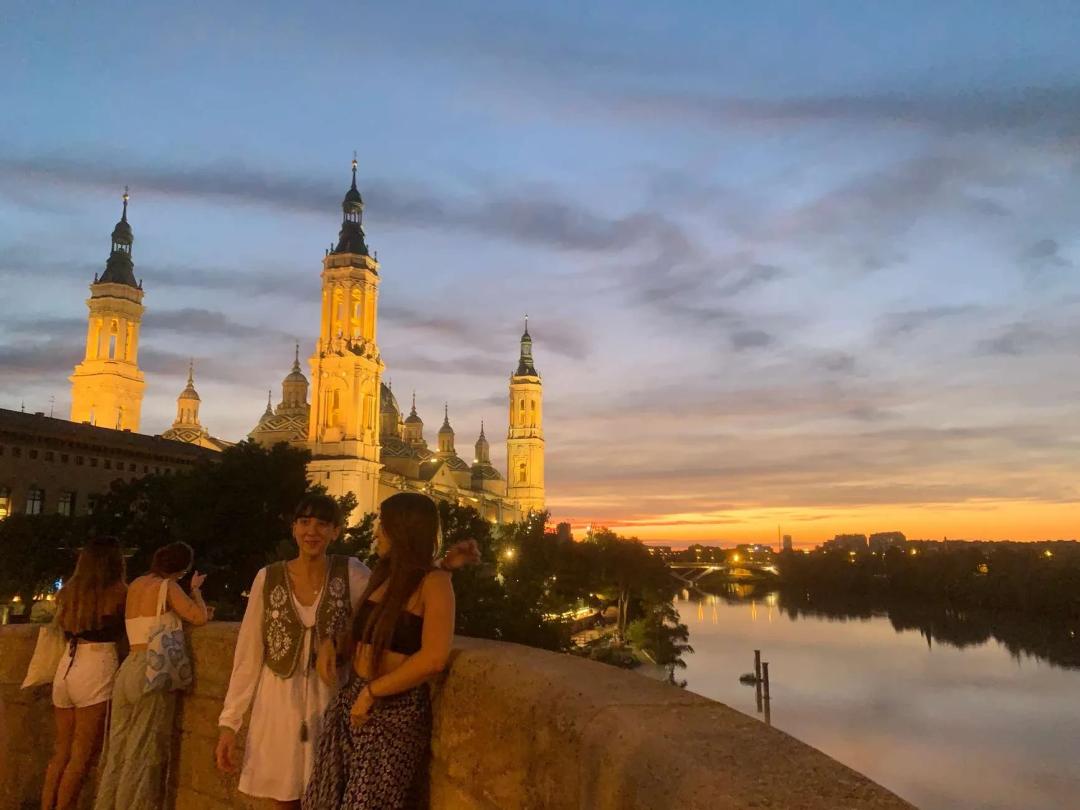
El Tubo
Zaragoza’s tapas and nightlife hotspot
El Tubo is Zaragoza’s lively tapas district, a maze of narrow streets filled with bars, music, and authentic flavors. It’s the city’s go-to place for a fun evening out.
Highlights
✔️ Taste Aragón’s best tapas and wines
✔️ Bustling nightlife with live music
✔️ Lively pedestrian lanes full of energy
✔️ Great mix of traditional and modern bars
✔️ A must for food lovers in Zaragoza

Monasterio de Piedra
Waterfalls and nature near Zaragoza
About 1.5 hours from Zaragoza, the Monasterio de Piedra is a medieval monastery set in a natural park full of waterfalls, caves, and forests. The ride there is scenic and popular among bikers.
Highlights
✔️ Explore medieval monastery buildings
✔️ Walk through a natural park of waterfalls and caves
✔️ Scenic ride through Aragón’s countryside
✔️ Peaceful retreat with plenty of nature
✔️ One of Aragón’s top day trips
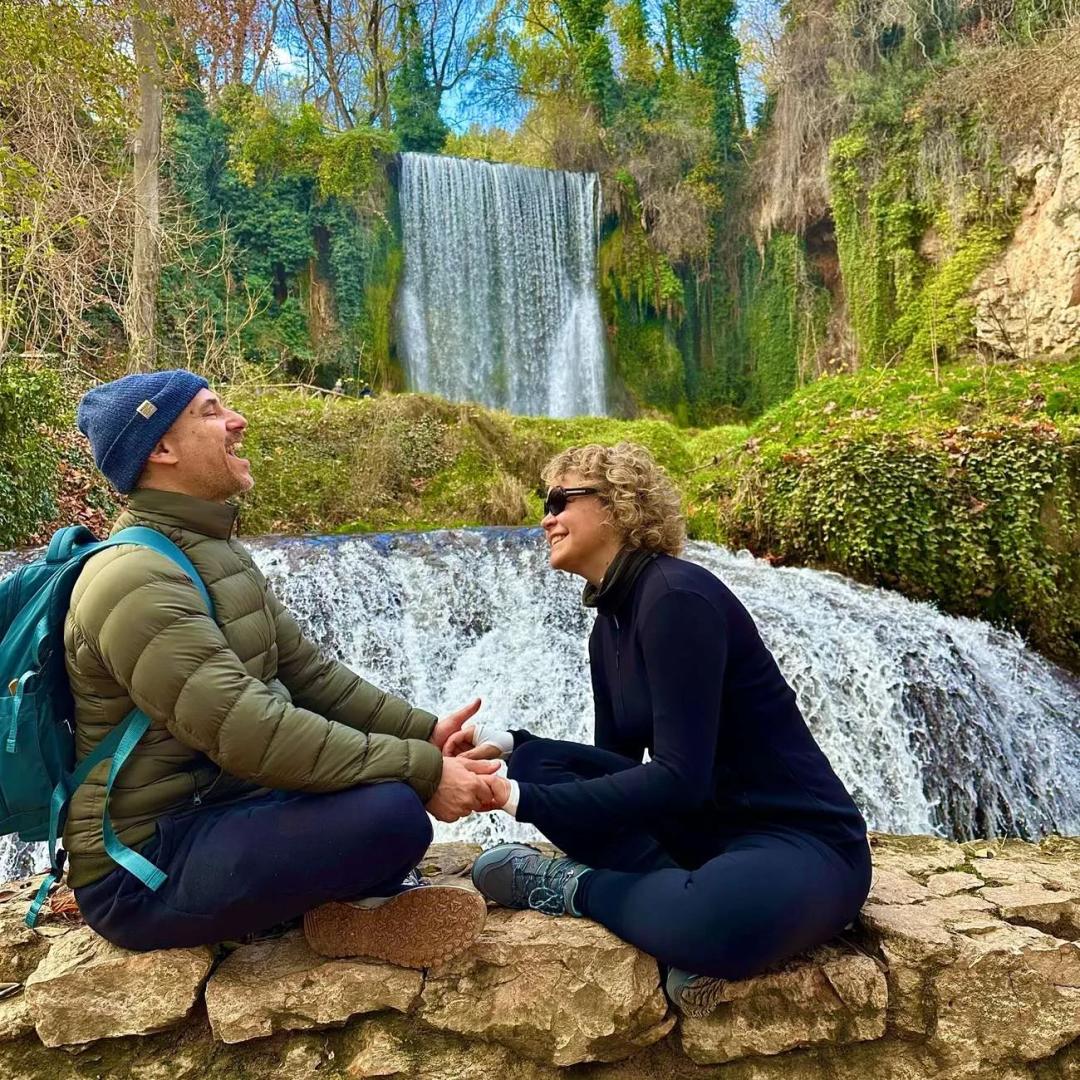
Expo 2008 Site
Modern architecture by the Ebro River
The Expo 2008 site left Zaragoza with striking modern landmarks, including Zaha Hadid’s Bridge Pavilion and the Water Tower. Today, the area combines exhibitions, parks, and riverside paths.
Highlights
✔️ Walk across Zaha Hadid’s futuristic Bridge Pavilion
✔️ Climb the Water Tower for city views
✔️ Explore the Aquarium of Zaragoza, one of Europe’s largest freshwater aquariums
✔️ Scenic riverside setting for walks or rides
✔️ Mix of modern design and leisure areas
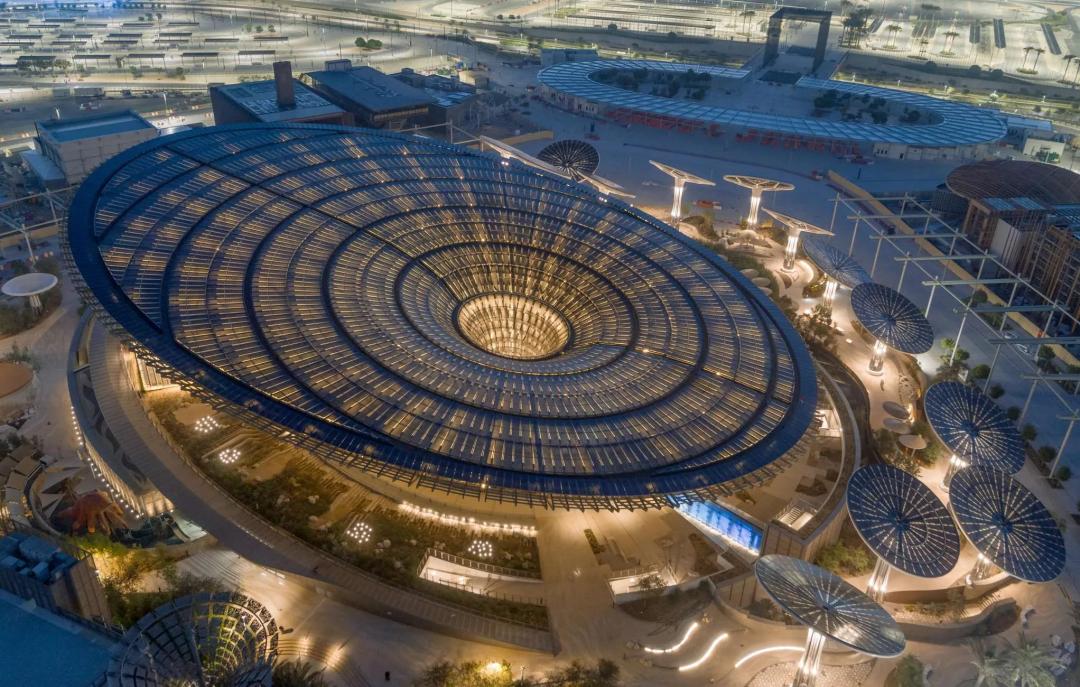
Clerecía Church & Towers
Baroque grandeur with city views
The Clerecía is a massive Baroque church and former Jesuit college. Visitors can climb the Scala Coeli towers for some of the best views over Salamanca’s rooftops.
Highlights
✔️ Impressive Baroque church interior
✔️ Climb towers for panoramic views of the city
✔️ Connected to Casa de las Conchas by Calle de la Compañía
✔️ Built in the 17th century by the Jesuits
✔️ Key landmark of Salamanca’s skyline
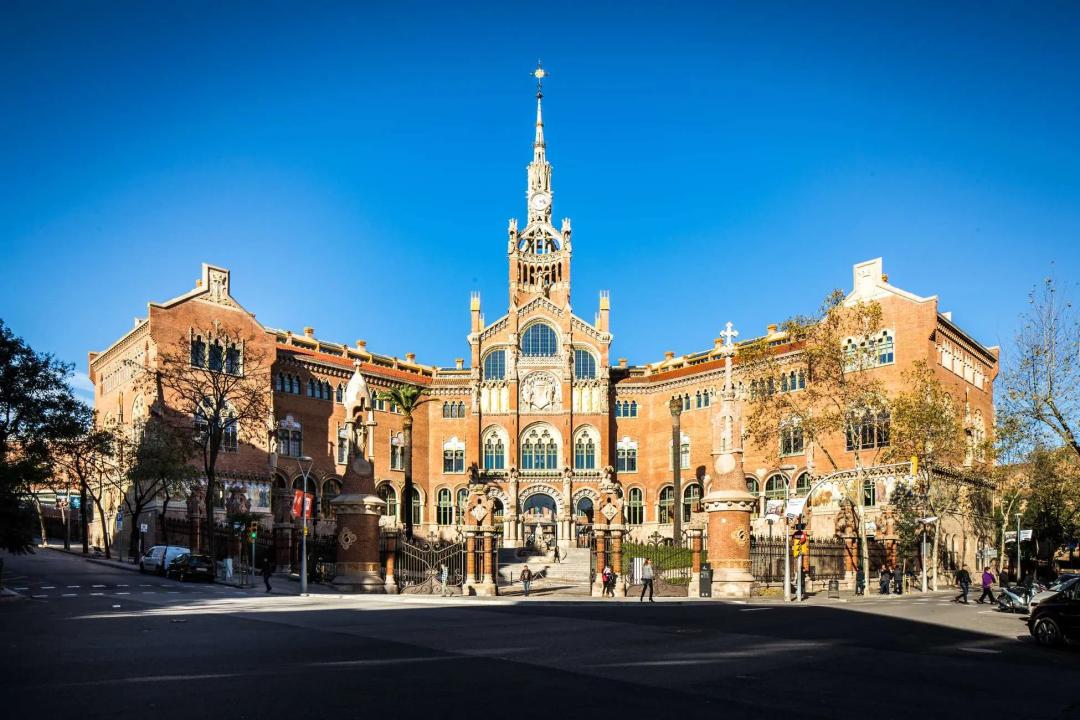
Convent of San Esteban
A Dominican convent with a spectacular façade
This 16th-century Dominican convent is famous for its richly decorated Plateresque façade and peaceful cloisters. Christopher Columbus once stayed here while planning his voyage to the Americas.
Highlights
✔️ Admire the ornate façade and golden sandstone
✔️ Peaceful cloisters with Renaissance details
✔️ Learn about Columbus’s connection to the convent
✔️ Beautifully preserved interiors and chapels
✔️ Less crowded than the main cathedrals
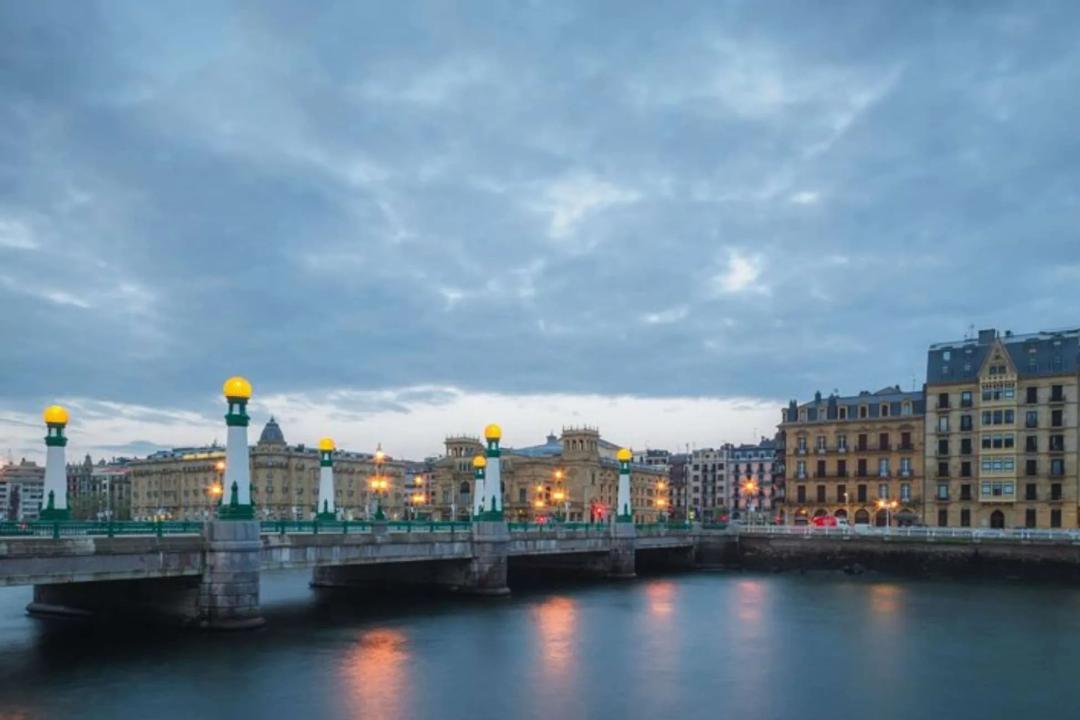
Roman Bridge of Salamanca
An ancient crossing over the Tormes River
The Roman Bridge dates back to the 1st century AD and still spans the Tormes River today. It’s a great spot for walking, photos, and views of Salamanca’s golden skyline.
Highlights
✔️ Ancient Roman construction with original stones
✔️ Great photo spot of Salamanca’s skyline
✔️ Scenic walk across the Tormes River
✔️ Symbol of the city featured in its coat of arms
✔️ Peaceful break from the busy center
Huerto de Calixto y Melibea
Romantic gardens with cathedral views
These gardens are linked to the famous Spanish novel La Celestina. Today, they’re a tranquil park with flowers, fountains, and stunning views of Salamanca’s cathedrals.
Highlights
✔️ Beautiful garden with flowers and fountains
✔️ Romantic atmosphere tied to Spanish literature
✔️ Views of the Old and New Cathedrals
✔️ Peaceful escape near the historic center
✔️ Popular spot for couples and photographers
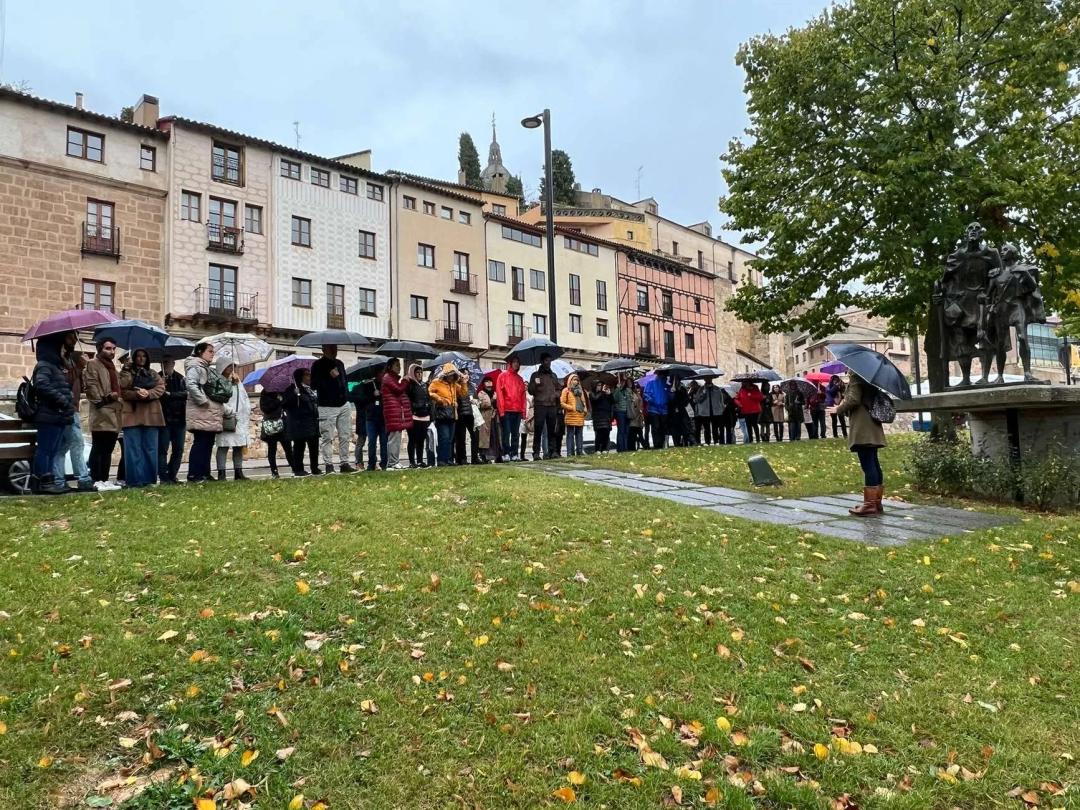
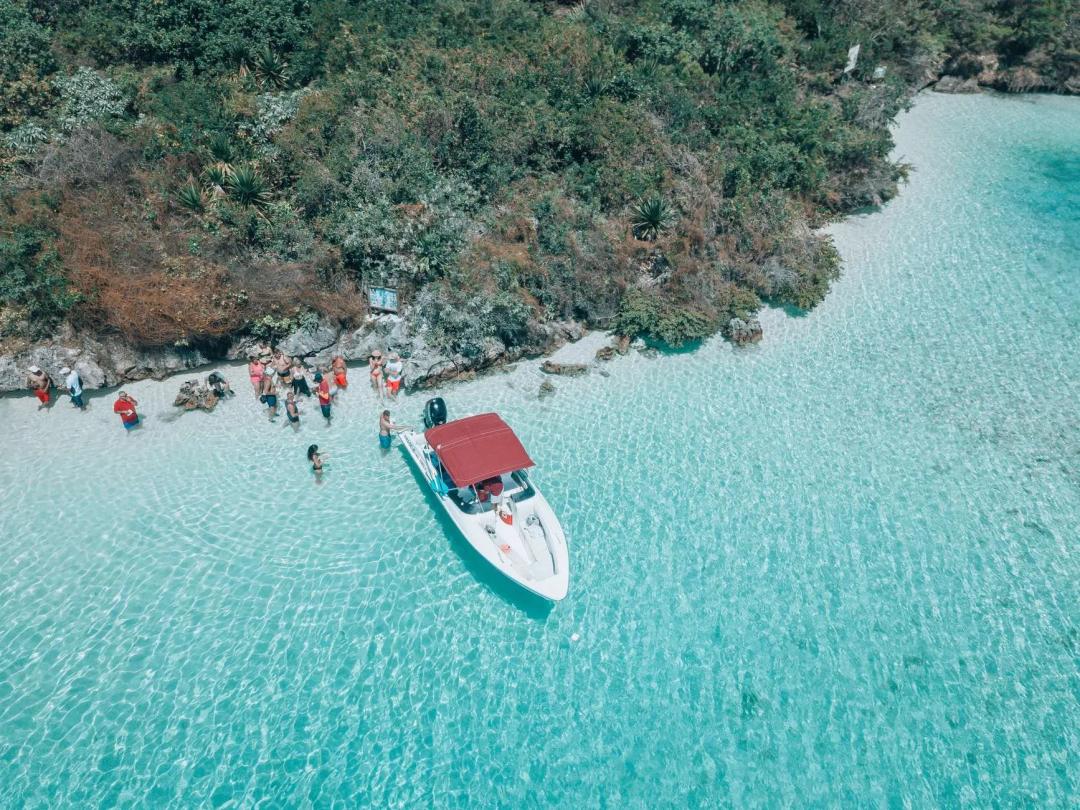
Sierra de Francia
Scenic mountain roads near Salamanca
About 1.5 hours south of Salamanca, the Sierra de Francia is a mountainous area with twisty roads, medieval villages, and natural beauty. Perfect for a day ride into the countryside.
Highlights
✔️ Ride through curvy mountain roads
✔️ Visit villages like La Alberca (UNESCO Biosphere Reserve)
✔️ Hiking trails and natural viewpoints
✔️ Traditional architecture and local gastronomy
✔️ Peaceful escape from the city
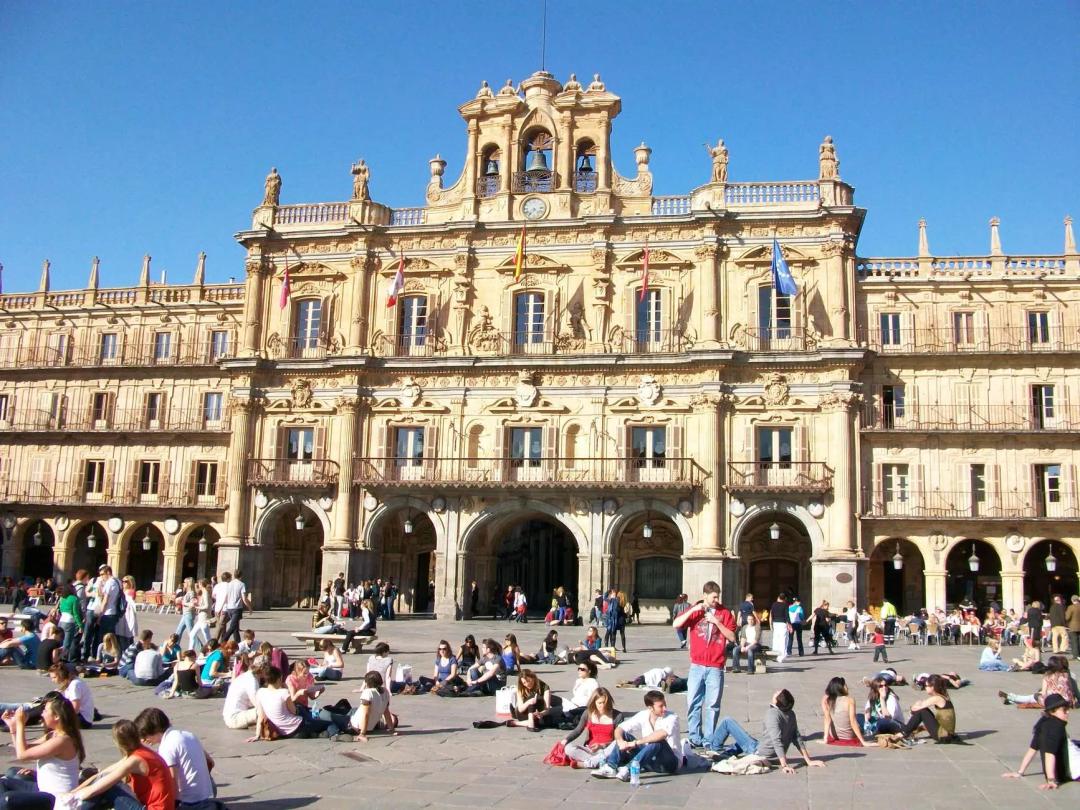
Plaza Mayor
Spain’s most beautiful main square
Plaza Mayor is the heart of Salamanca and one of the most stunning squares in Spain. Built in the 18th century, it’s surrounded by arcades, cafés, and elegant Baroque architecture, making it the city’s main gathering place.
Highlights
✔️ Admire Baroque façades with medallions of famous figures
✔️ Enjoy cafés and terraces day or night
✔️ Lively atmosphere with street performers and students
✔️ Illuminated beautifully at night
✔️ Central hub of Salamanca life
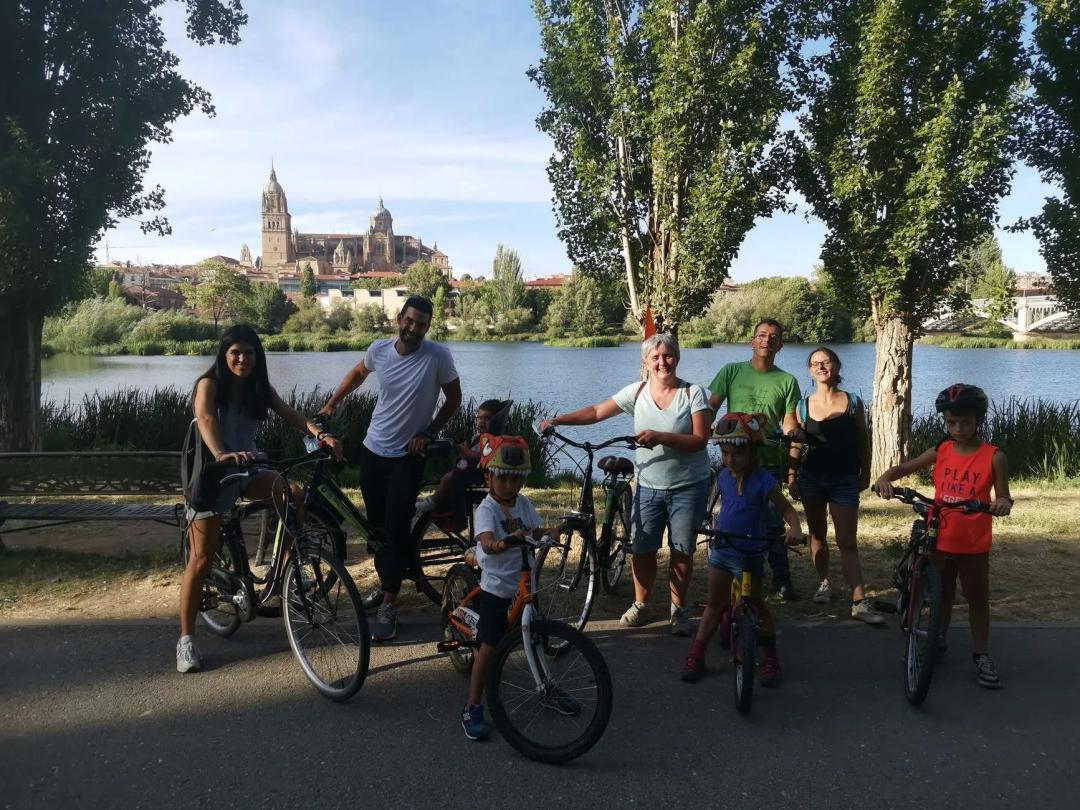
New Cathedral of Salamanca
A Gothic and Renaissance giant
Built between the 16th and 18th centuries, Salamanca’s New Cathedral is a massive structure combining late Gothic and Baroque styles. Its tower offers panoramic views of the city.
Highlights
✔️ Admire detailed façades with curious modern carvings (like an astronaut!)
✔️ Climb the Ieronimus towers for city views
✔️ Explore ornate chapels and altars
✔️ Combination of Gothic, Renaissance, and Baroque styles
✔️ UNESCO World Heritage Site
Casa de las Conchas
The House of Shells
This 15th-century mansion is decorated with over 300 carved scallop shells, symbol of the Camino de Santiago. Today it houses a public library and art exhibitions.
Highlights
✔️ Iconic façade with hundreds of shells
✔️ Mix of Gothic and Renaissance styles
✔️ Interior courtyard with arches and columns
✔️ Currently used as a library and cultural space
✔️ Located near the university
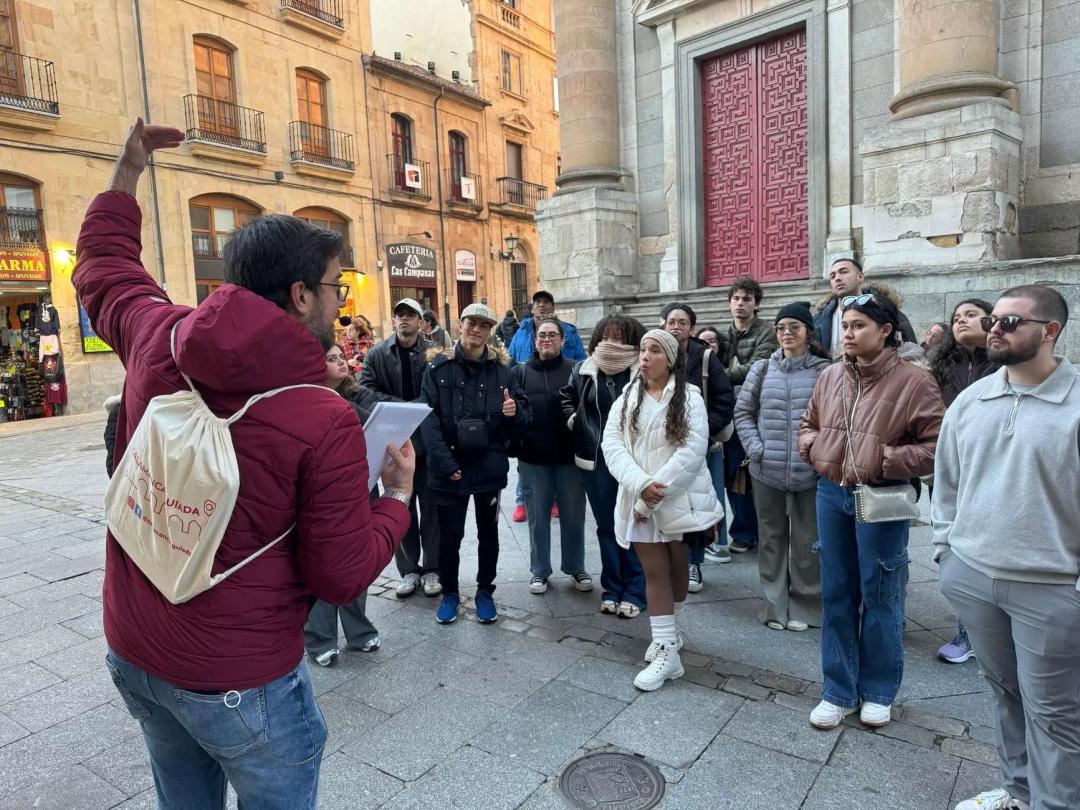
University of Salamanca
One of Europe’s oldest universities
Founded in 1218, the University of Salamanca is one of the oldest in Europe and a symbol of the city. Its ornate Plateresque façade hides a famous “frog on a skull” carving, a must-find tradition for visitors.
Highlights
✔️ Admire the Plateresque façade and carvings
✔️ Search for the famous hidden frog
✔️ Visit historic lecture halls and libraries
✔️ One of the oldest universities in the world
✔️ UNESCO World Heritage Site
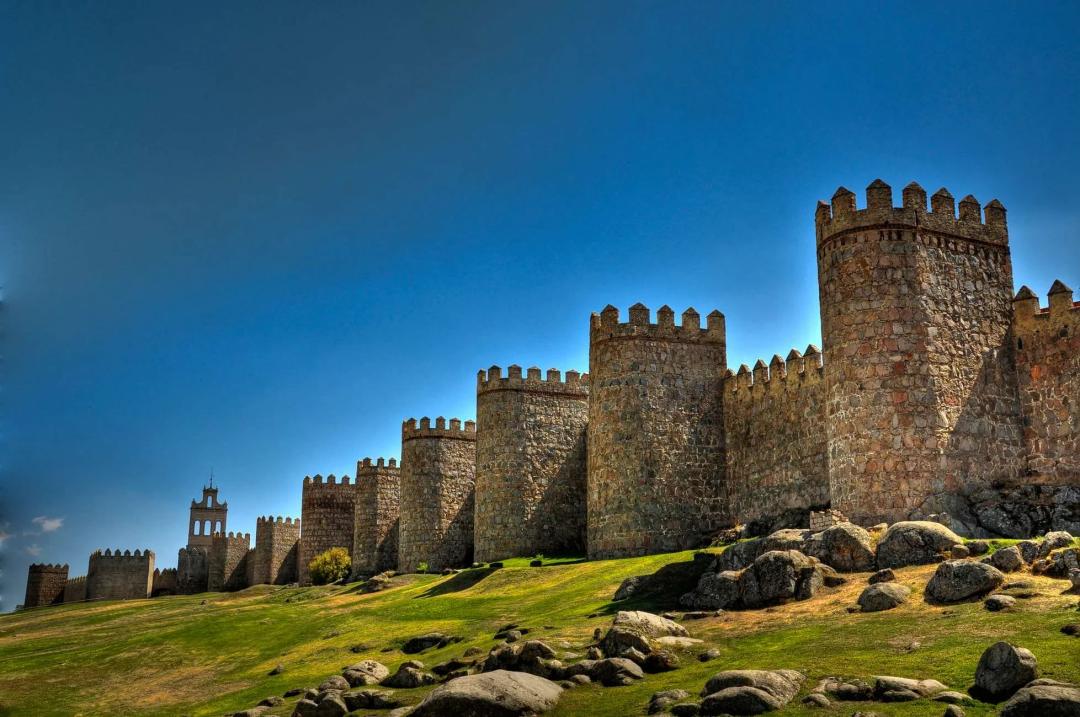
Old Cathedral of Salamanca
Romanesque beauty beside the New Cathedral
The Old Cathedral, built between the 12th and 14th centuries, stands next to the New Cathedral. Its Romanesque frescoes and peaceful atmosphere make it a historic treasure.
Highlights
✔️ Admire Romanesque frescoes of the Last Judgment
✔️ Explore the cloisters and chapels
✔️ Learn about Salamanca’s medieval history
✔️ Peaceful atmosphere compared to the New Cathedral
✔️ Part of the UNESCO-listed historic center
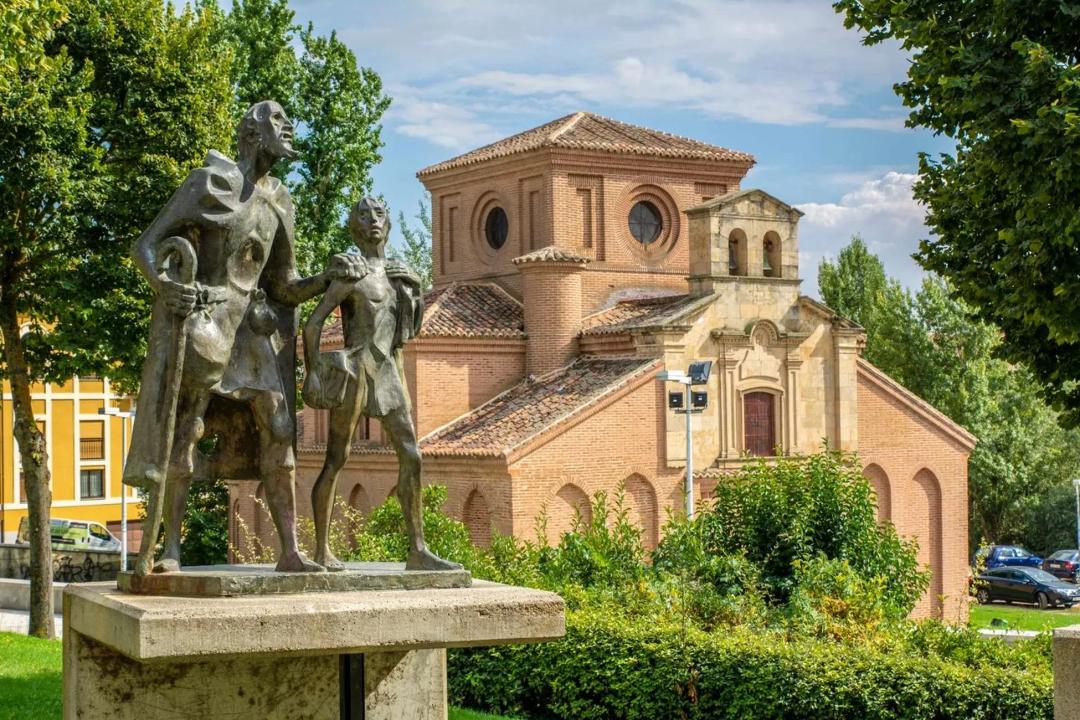
Gijón Seafront & Cimavilla
Asturias’ lively coastal city
Gijón is Asturias’ biggest city, known for its long beaches, maritime heritage, and the historic Cimavilla district. Its seafront promenade is one of northern Spain’s most scenic urban rides.
Highlights
✔️ Walk along San Lorenzo Beach promenade
✔️ Explore Cimavilla’s old fishermen’s quarter
✔️ Maritime museums and Roman baths
✔️ Vibrant nightlife with cider and tapas
✔️ Perfect mix of culture and the sea
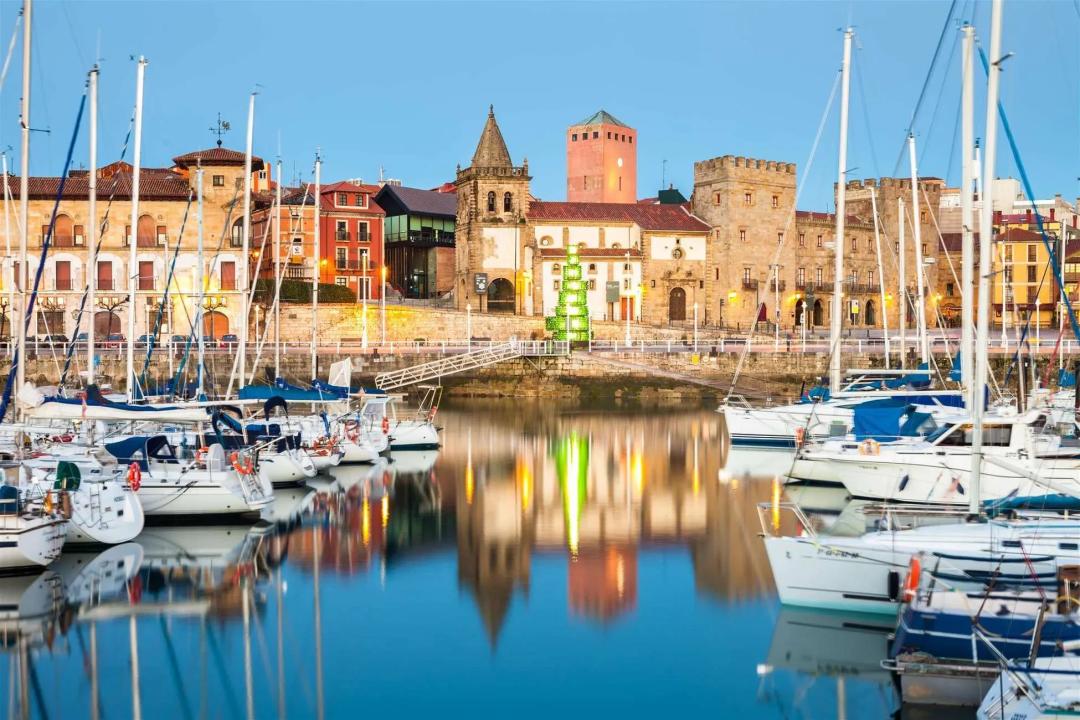
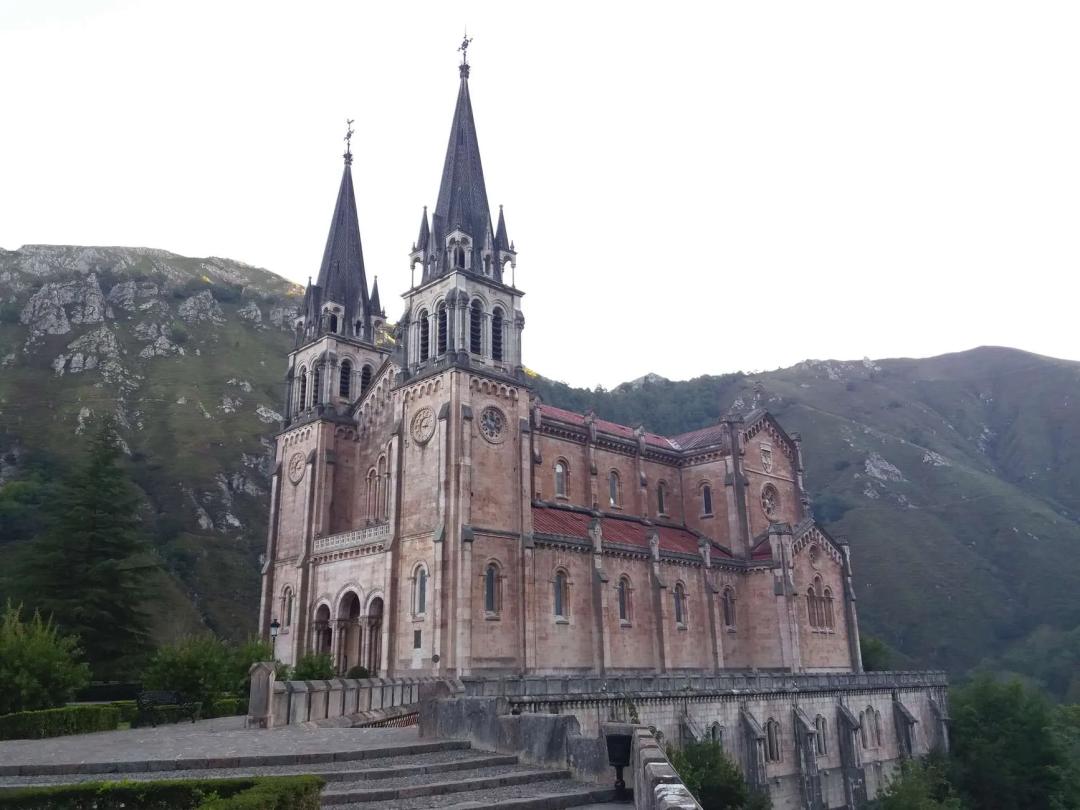
Covadonga & Lakes
Spiritual heart of Asturias in the Picos de Europa
Covadonga is both a religious and natural landmark. Its basilica and holy cave are important pilgrimage sites, while the nearby Lakes of Covadonga offer breathtaking mountain scenery and epic riding roads.
Highlights
✔️ Visit Covadonga Basilica and Holy Cave
✔️ Ride up to the mountain lakes Enol and Ercina
✔️ Stunning views of the Picos de Europa
✔️ Rich history tied to the Reconquista
✔️ Perfect biker day trip in Asturias
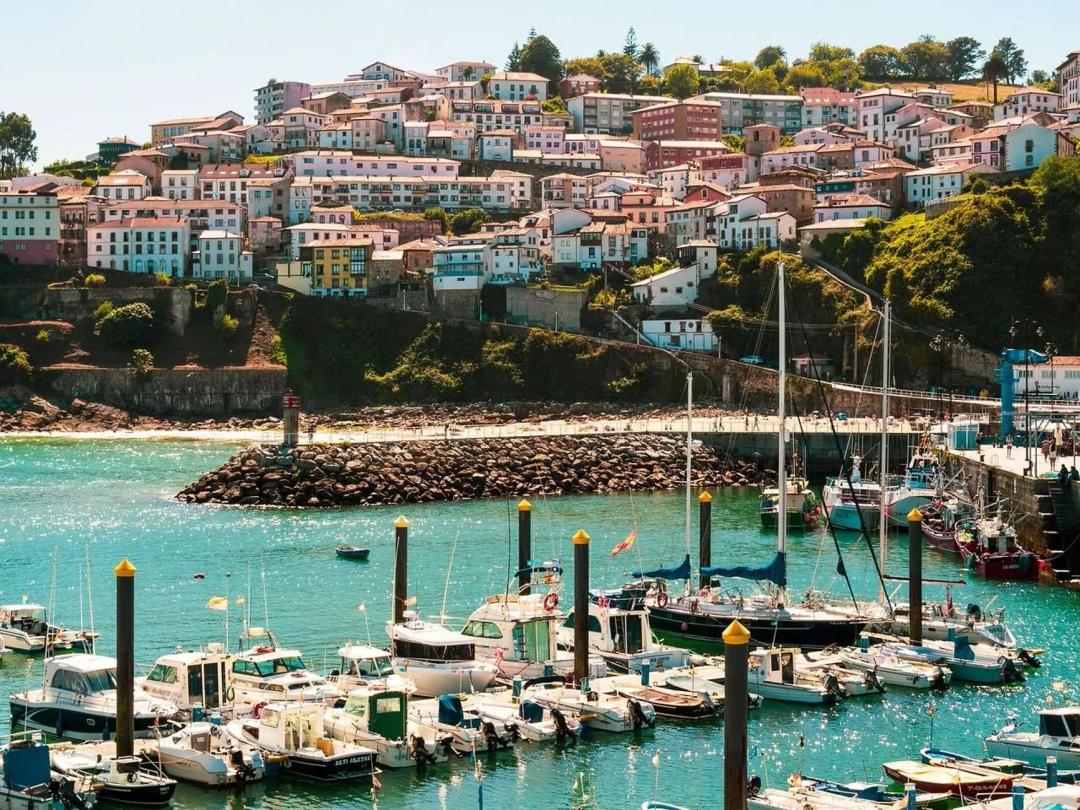
Cangas de Onís
Gateway to the Picos de Europa
Cangas de Onís is a charming mountain town and the starting point for exploring the Picos de Europa. Its Roman Bridge with a hanging cross is an Asturian symbol.
Highlights
✔️ Walk across the Roman Bridge with the Victory Cross
✔️ Base for exploring Picos de Europa
✔️ Lively market town with Asturian gastronomy
✔️ Historic role in the Reconquista
✔️ Popular stop on mountain routes
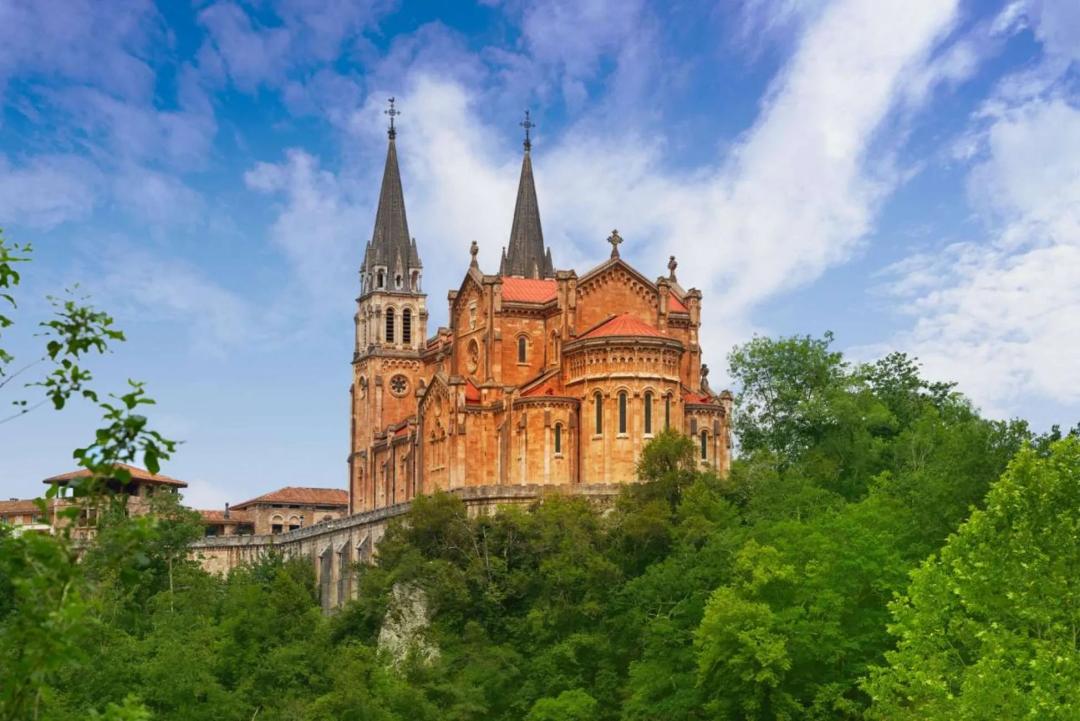
Llanes & Asturias Beaches
Rugged coast with hidden coves
Llanes is one of Asturias’ most popular coastal towns, surrounded by stunning beaches and dramatic cliffs. The riding routes here are some of the most scenic in northern Spain.
Highlights
✔️ Explore beaches like Cuevas del Mar and Torimbia
✔️ Walk along the San Pedro coastal path
✔️ Discover the colorful Cubes of Memory artwork in the harbor
✔️ Ride along the coastal N-634 route
✔️ Great base for both sea and mountain trips
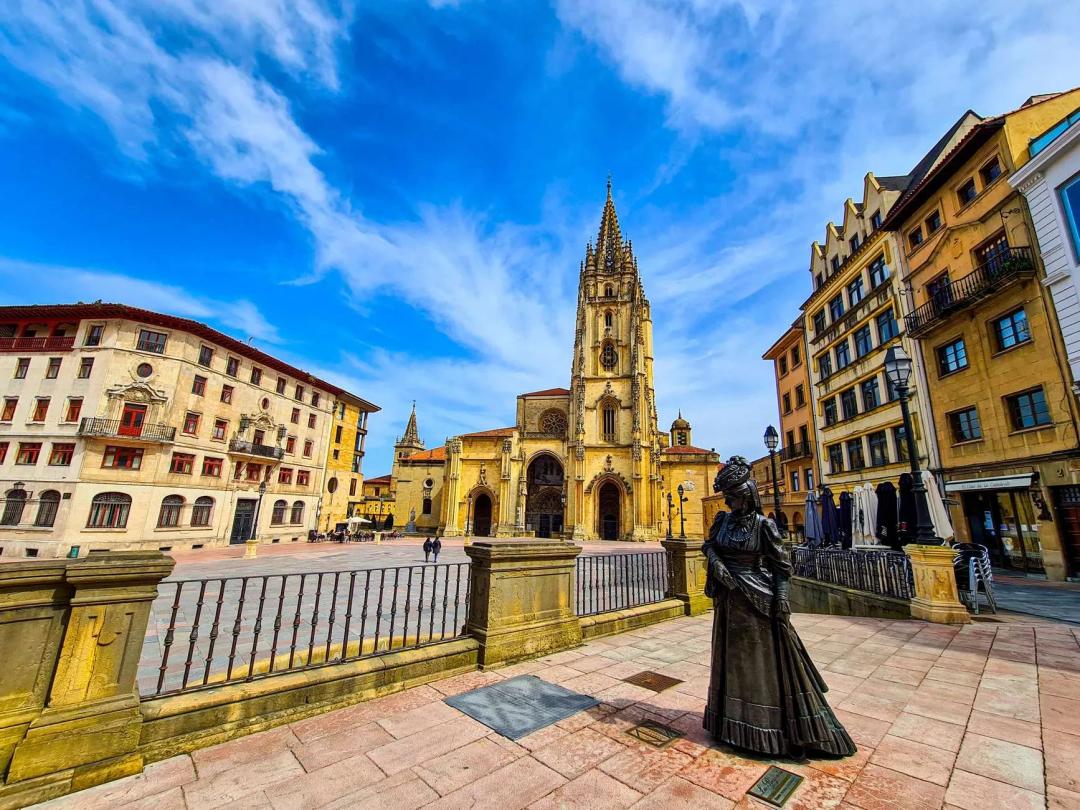
Oviedo Old Town
Historic heart of Asturias
Oviedo, the capital of Asturias, has a beautifully preserved old town filled with cobbled streets, squares, and medieval churches. It’s the cultural center of Asturias and the perfect base for exploring the region.
Highlights
✔️ Visit the Gothic Oviedo Cathedral (San Salvador)
✔️ Explore medieval streets and plazas
✔️ See historic fountains and sculptures
✔️ Lively cafés and sidrerías (cider houses)
✔️ Central hub for culture and history
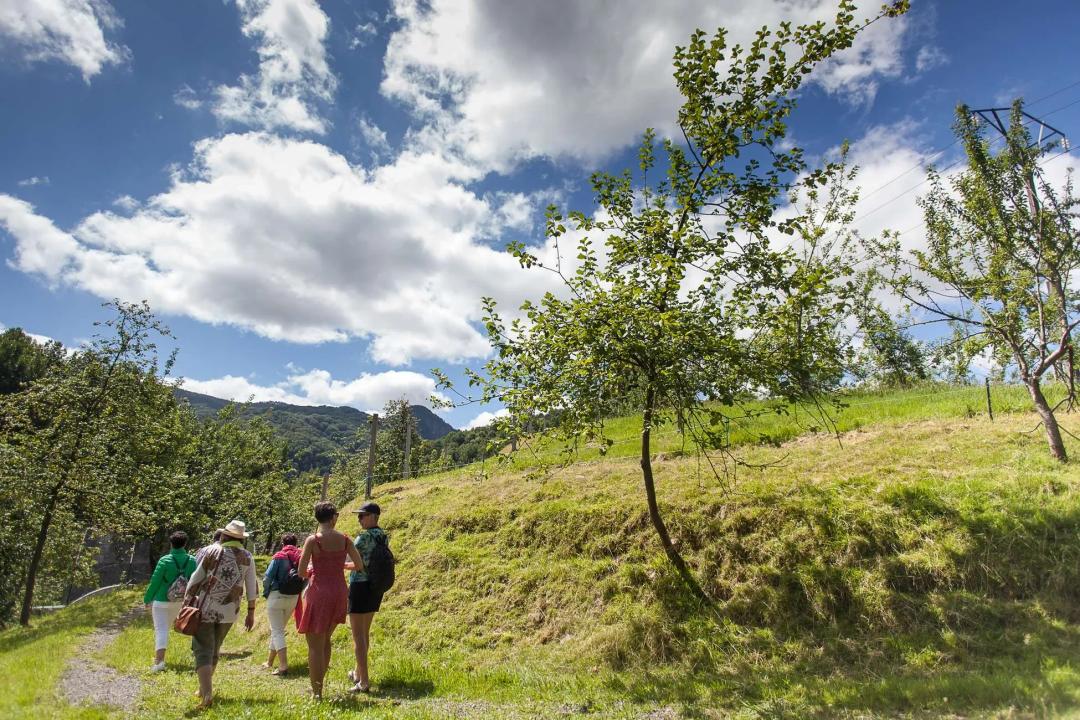
Asturian Cider Culture
Taste Asturias’ signature drink
Cider (sidra) is Asturias’ most iconic drink, poured in the traditional style from high above the glass. Visiting a sidrería is an essential experience for any traveler in the region.
Highlights
✔️ Watch cider poured in the traditional “escanciado” style
✔️ Taste authentic Asturian dishes with cider
✔️ Visit cider museums or presses in Villaviciosa
✔️ Learn about centuries-old cider traditions
✔️ A must-do cultural experience in Asturias
Ribadesella & Tito Bustillo Caves
Seaside town and prehistoric cave art
Ribadesella is a picturesque fishing town with a beautiful beach and old town. Nearby, the Tito Bustillo Caves contain prehistoric cave paintings over 30,000 years old.
Highlights
✔️ Relax on Ribadesella’s sandy beach
✔️ Wander its historic fishing quarter
✔️ Visit the UNESCO-listed cave paintings
✔️ Taste seafood and Asturian cider in town
✔️ Scenic coastal roads nearby
Somiedo Natural Park
Wild nature and mountain roads in Asturias
Somiedo is a UNESCO Biosphere Reserve known for its mountain scenery, glacial lakes, and rare wildlife. The roads into the park are a favorite among bikers looking for adventure.
Highlights
✔️ Ride curvy mountain roads with epic views
✔️ Visit Lake Somiedo and mountain passes
✔️ Spot wildlife like brown bears and eagles
✔️ Traditional stone villages and hay barns (teitos)
✔️ Remote and authentic Asturian landscapes
Pre-Romanesque Churches of Oviedo
UNESCO World Heritage treasures
Asturias is home to unique 9th-century churches built during the Kingdom of Asturias. Santa María del Naranco and San Miguel de Lillo, set on Mount Naranco, are two of the finest examples.
Highlights
✔️ Visit UNESCO-listed Santa María del Naranco
✔️ Explore San Miguel de Lillo nearby
✔️ Unique Asturian Pre-Romanesque architecture
✔️ Scenic setting on Mount Naranco with city views
✔️ Important monuments of early medieval Europe
Picos de Europa
Epic mountain rides and natural wonders
The Picos de Europa is one of Spain’s most dramatic mountain ranges, with jagged peaks, deep gorges, and thrilling mountain passes. It’s a paradise for bikers.
Highlights
✔️ Ride iconic mountain roads like the Desfiladero de los Beyos
✔️ Explore villages like Cangas de Onís and Arenas de Cabrales
✔️ Hiking and outdoor activities in stunning landscapes
✔️ Visit the Cares Gorge trail and river canyon
✔️ UNESCO Biosphere Reserve
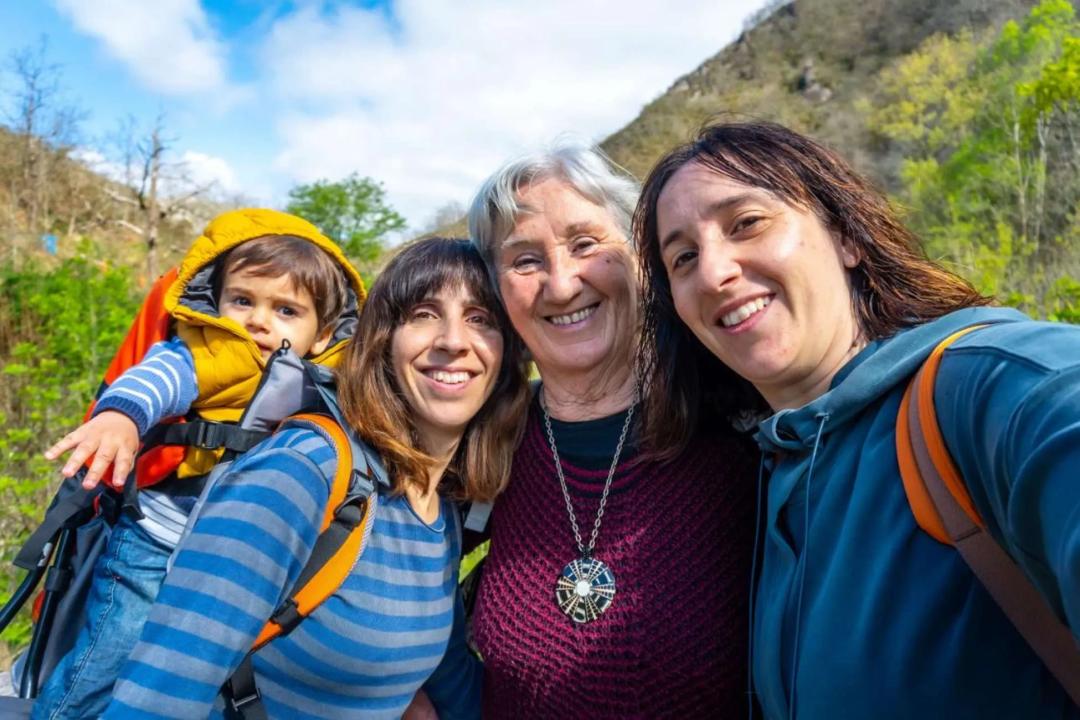
Santander Bay & Seafront
Capital city with coastal charm
Santander, the capital of Cantabria, sits on one of Spain’s most beautiful bays. Its seafront promenade, beaches, and cultural sites make it a great base for exploring the region.
Highlights
✔️ Walk along El Sardinero and La Magdalena beaches
✔️ Stroll the Paseo Marítimo for bay views
✔️ Visit the modern Centro Botín art center
✔️ Mix of urban life and coastal beauty
✔️ Great starting point for coastal rides
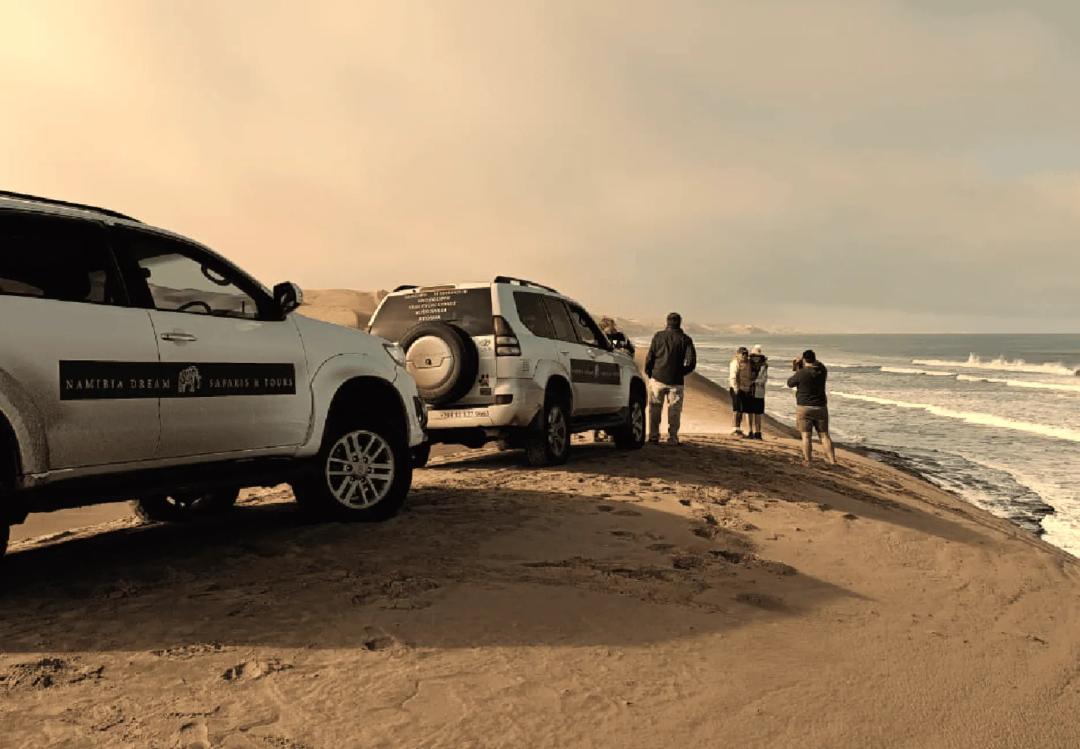
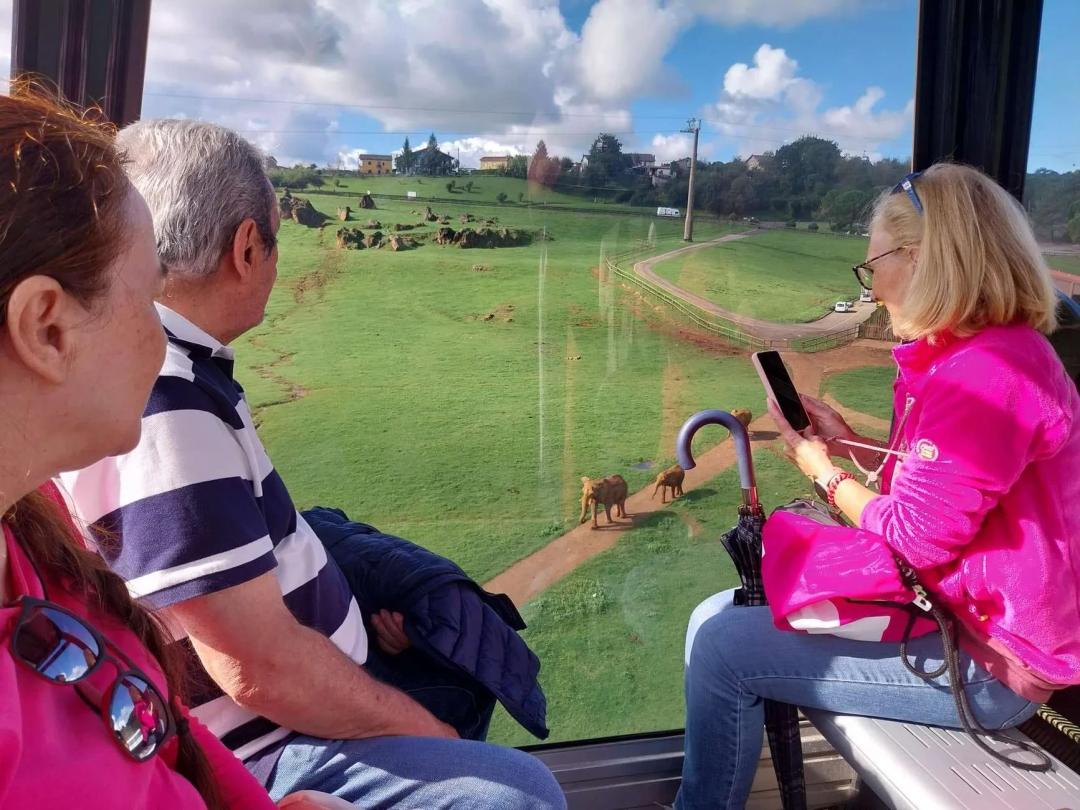
Cabárceno Natural Park
Wildlife in a former mining landscape
Cabárceno is a vast natural park where animals roam semi-free in a repurposed open-cast mine. It’s home to elephants, bears, and exotic species, making it one of Cantabria’s top attractions.
Highlights
✔️ See animals like elephants and giraffes in natural enclosures
✔️ Ride or drive through scenic park roads
✔️ Cable cars with panoramic views of the park
✔️ Educational and family-friendly experience
✔️ Unique mix of nature and mining history
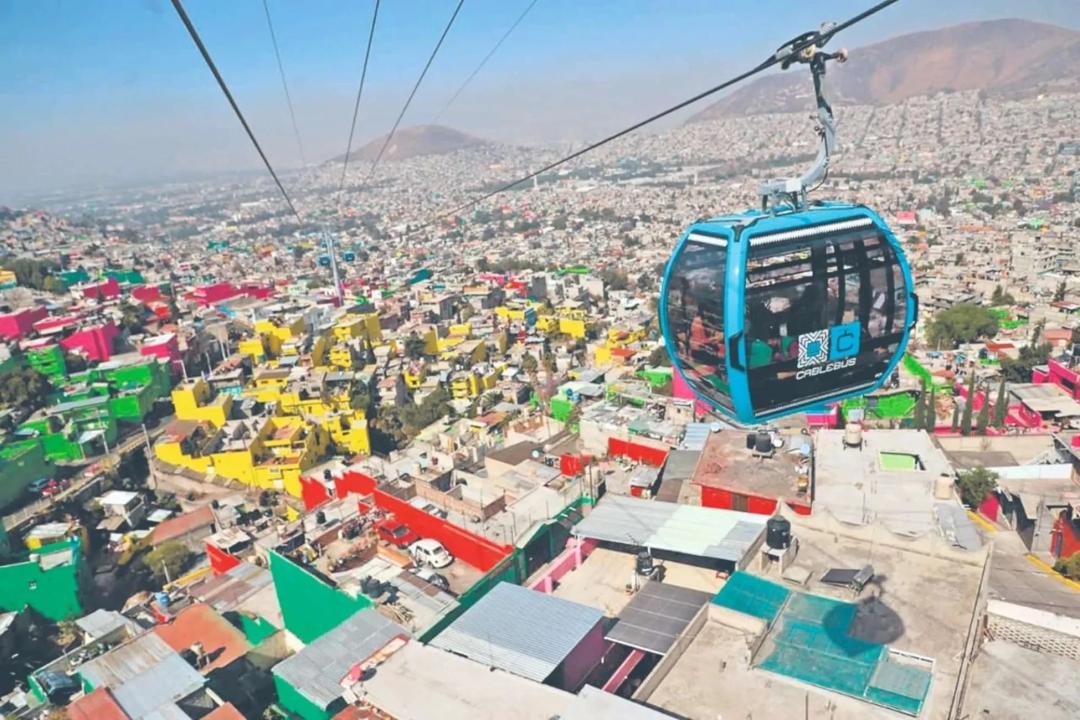
Fuente Dé Cable Car
Gateway to the Picos de Europa
Fuente Dé is the starting point for exploring Cantabria’s section of the Picos de Europa. The cable car takes visitors up 753 meters for panoramic mountain views.
Highlights
✔️ Ride the famous Fuente Dé cable car
✔️ Stunning views of Picos de Europa peaks
✔️ Hiking and riding routes in the mountains
✔️ Great base for outdoor adventure
✔️ Perfect biker day trip into the mountains
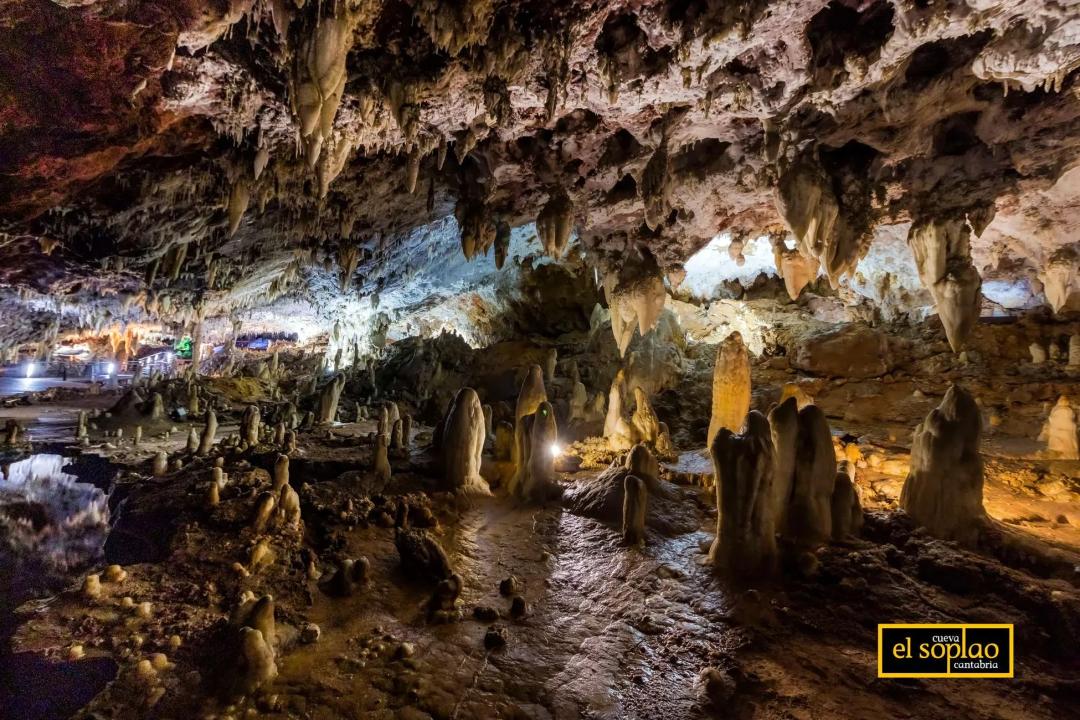
Cueva El Soplao
A spectacular underground wonder
The Soplao Cave is famous for its unique stalactite formations, known as “eccentric” speleothems. Guided tours reveal one of Spain’s most beautiful underground worlds.
Highlights
✔️ Explore rare and stunning cave formations
✔️ Train ride and guided underground tours
✔️ Unique geology and lighting displays
✔️ Great for photography and science lovers
✔️ Scenic ride through Cantabrian hills to get there
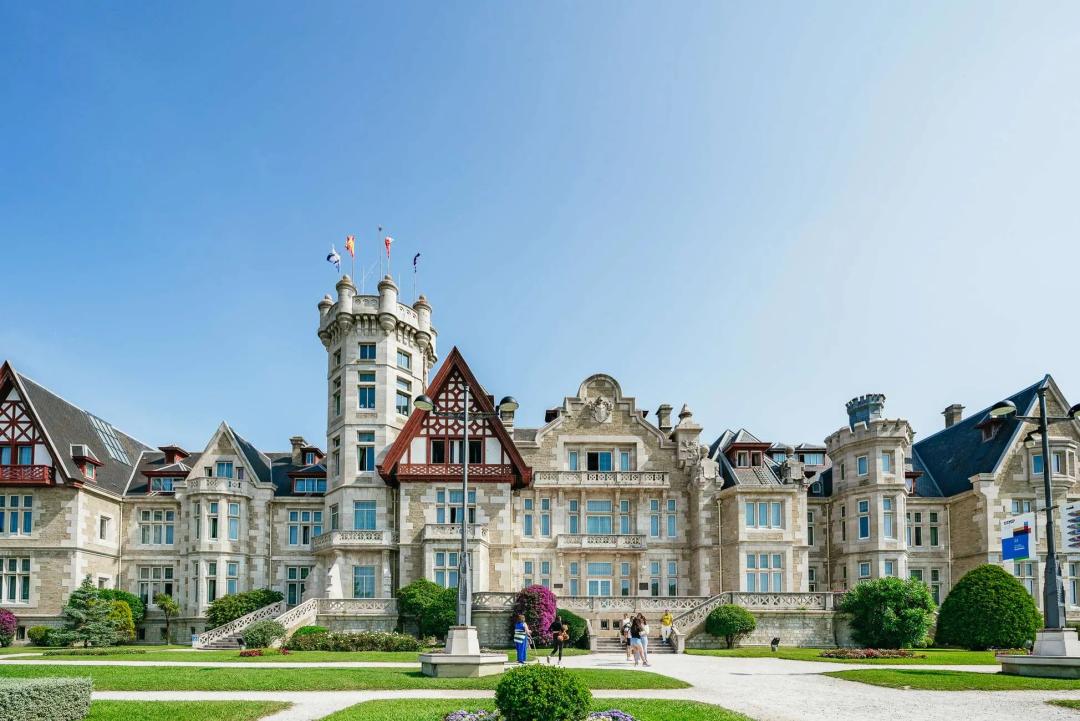
Palacio de la Magdalena
Seaside royal palace
Built as a summer residence for Spanish royalty, the Palacio de la Magdalena sits on a scenic peninsula overlooking the Cantabrian Sea. Today, it’s open to the public and one of Santander’s top landmarks.
Highlights
✔️ Explore the gardens and coastal viewpoints
✔️ Guided tours of the palace interiors
✔️ Great views of the bay and ocean
✔️ Filming location for Spanish TV shows
✔️ Symbol of Santander’s elegance
Santillana del Mar
A perfectly preserved medieval town
Known as “the town of three lies” (not holy, not flat, not by the sea), Santillana del Mar is one of Spain’s most charming medieval towns, full of cobbled streets and stone houses.
Highlights
✔️ Wander cobblestone lanes and plazas
✔️ Visit the Collegiate Church of Santa Juliana
✔️ Explore artisan shops and museums
✔️ Stay in historic inns and mansions
✔️ Close to the Altamira Caves
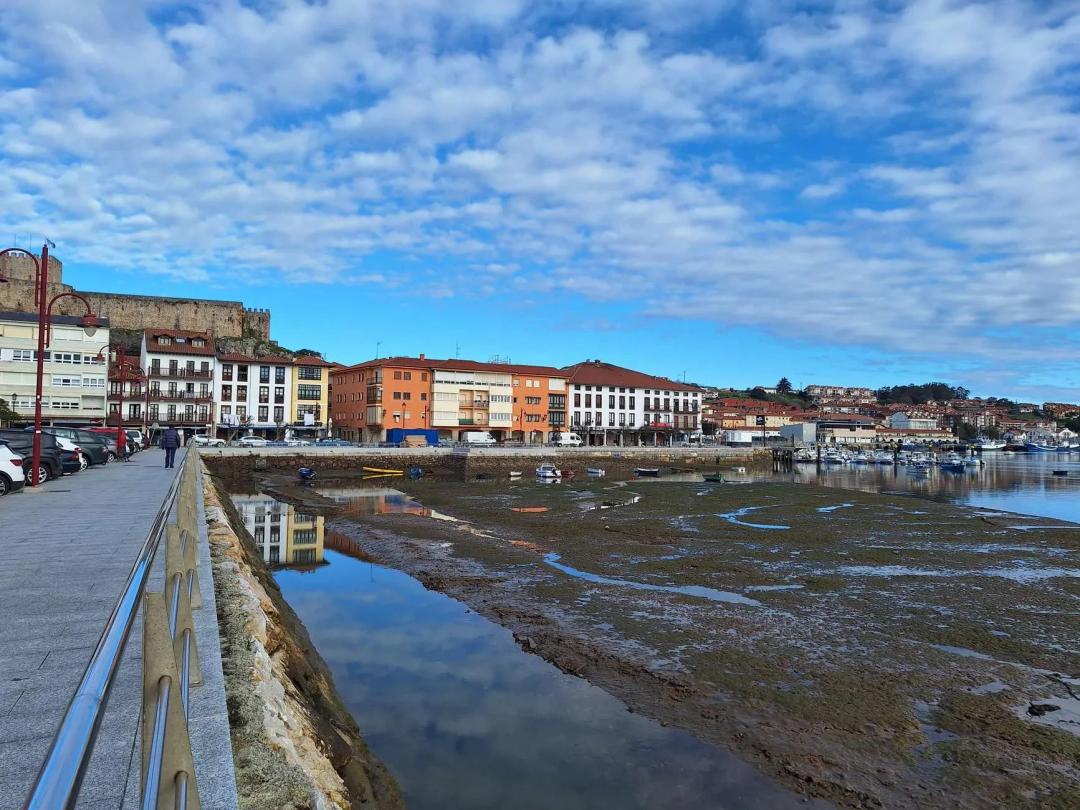
San Vicente de la Barquera
Fishing town with stunning views
This picturesque fishing town is known for its medieval bridge, castle, and spectacular backdrop of the Picos de Europa. It’s a favorite stop for seafood and coastal scenery.
Highlights
✔️ Walk across the 16-arch Maza Bridge
✔️ Visit the medieval castle and church
✔️ Taste fresh seafood in harbor restaurants
✔️ Panoramic views of sea and mountains
✔️ Perfect coastal stop for riders
Costa Quebrada
Dramatic cliffs and beaches near Santander
The Costa Quebrada is a stretch of rugged coastline west of Santander, full of cliffs, rock formations, and wild beaches. Riding along this coast offers unforgettable views.
Highlights
✔️ Ride along winding coastal roads
✔️ Visit beaches like Playa de Covachos and Playa de Arnía
✔️ Spectacular cliffs and rock formations
✔️ Great for sunset views and photos
✔️ Easy day trip from Santander

Altamira Caves
The “Sistine Chapel” of prehistoric art
The Altamira Caves are home to world-famous Paleolithic paintings over 14,000 years old. To preserve them, visitors explore an exact replica at the Altamira Museum.
Highlights
✔️ See cave art reproductions of bison and deer
✔️ Learn about Paleolithic life in the museum
✔️ UNESCO World Heritage Site
✔️ Located near the medieval town of Santillana del Mar
✔️ Essential cultural stop in Cantabria
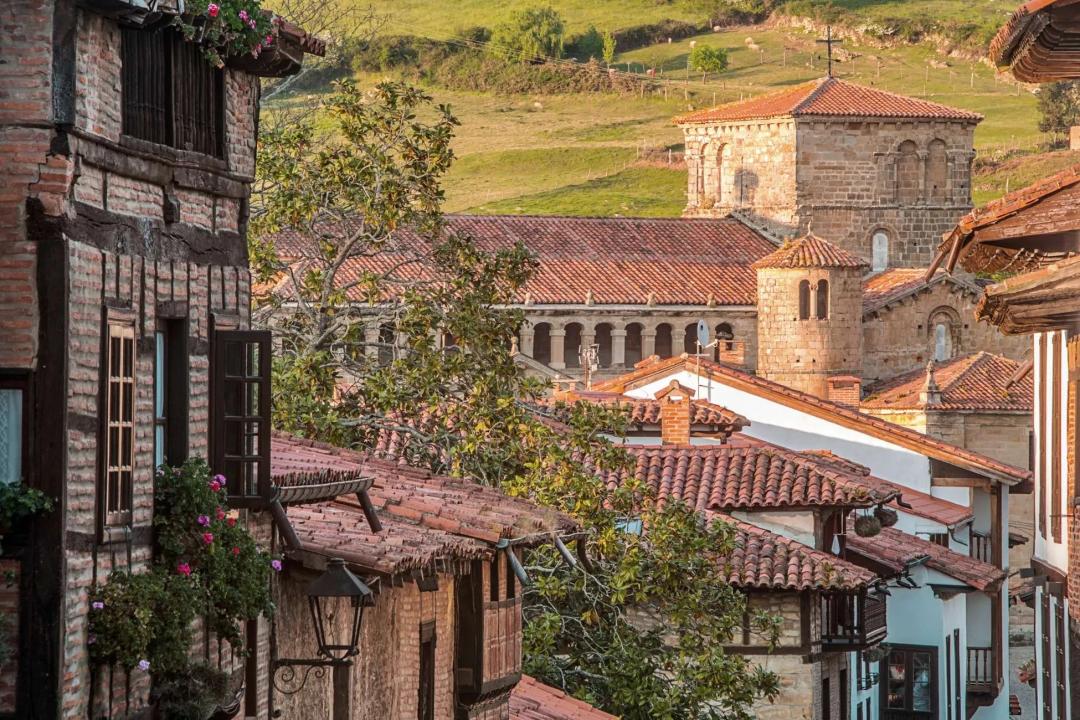
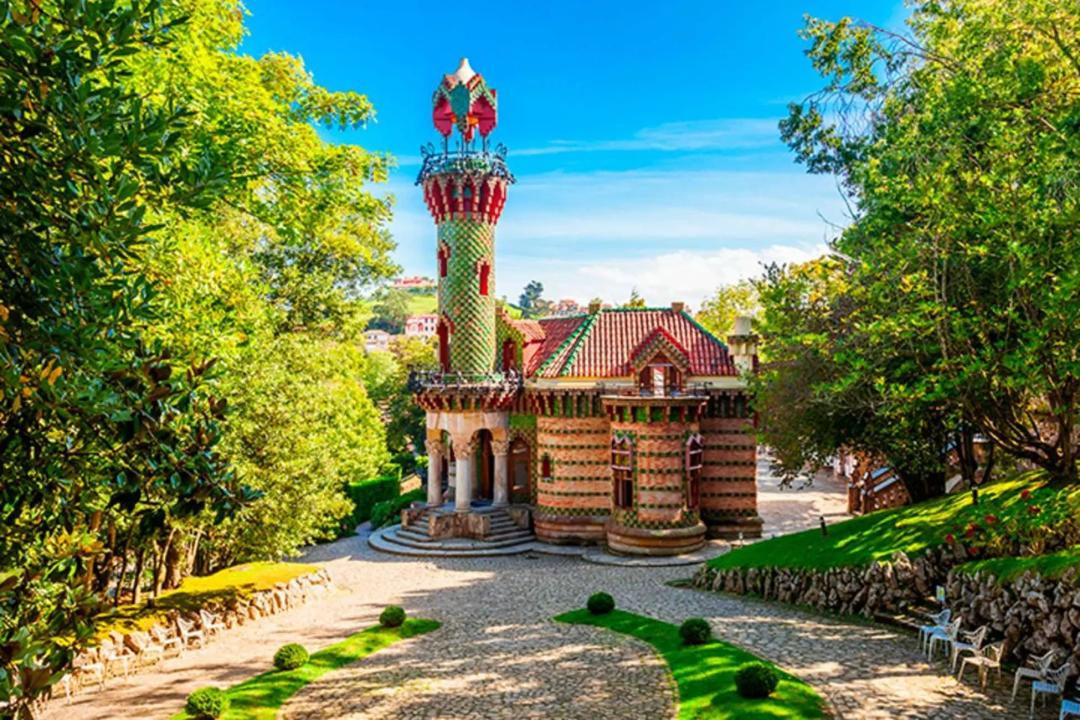
Comillas & El Capricho de Gaudí
Gaudí’s colorful villa in Cantabria
Comillas is a coastal town with modernist architecture, including El Capricho de Gaudí, one of the few works he designed outside Catalonia. The town is full of charm and seaside views.
Highlights
✔️ Visit Gaudí’s whimsical villa with sunflower motifs
✔️ Explore the Pontifical University and palace buildings
✔️ Relax on Comillas Beach
✔️ Unique modernist heritage in northern Spain
✔️ Scenic coastal stop for riders
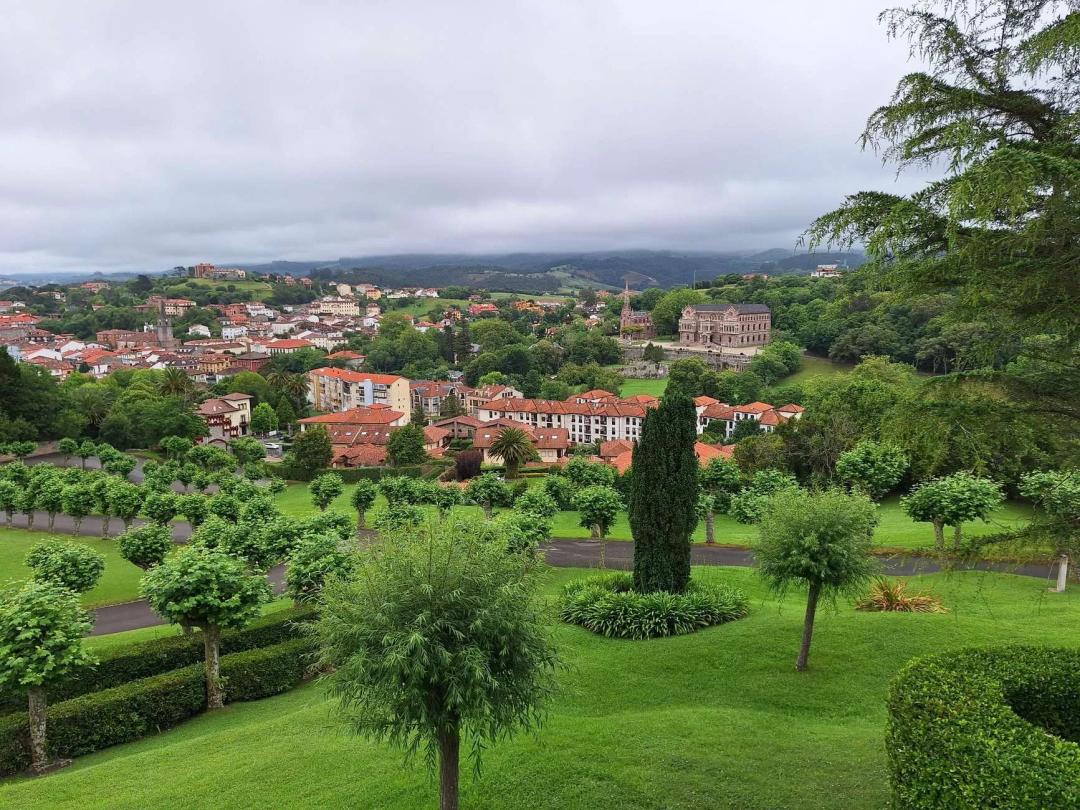
Pamplona Cathedral
A Gothic treasure with a neoclassical façade
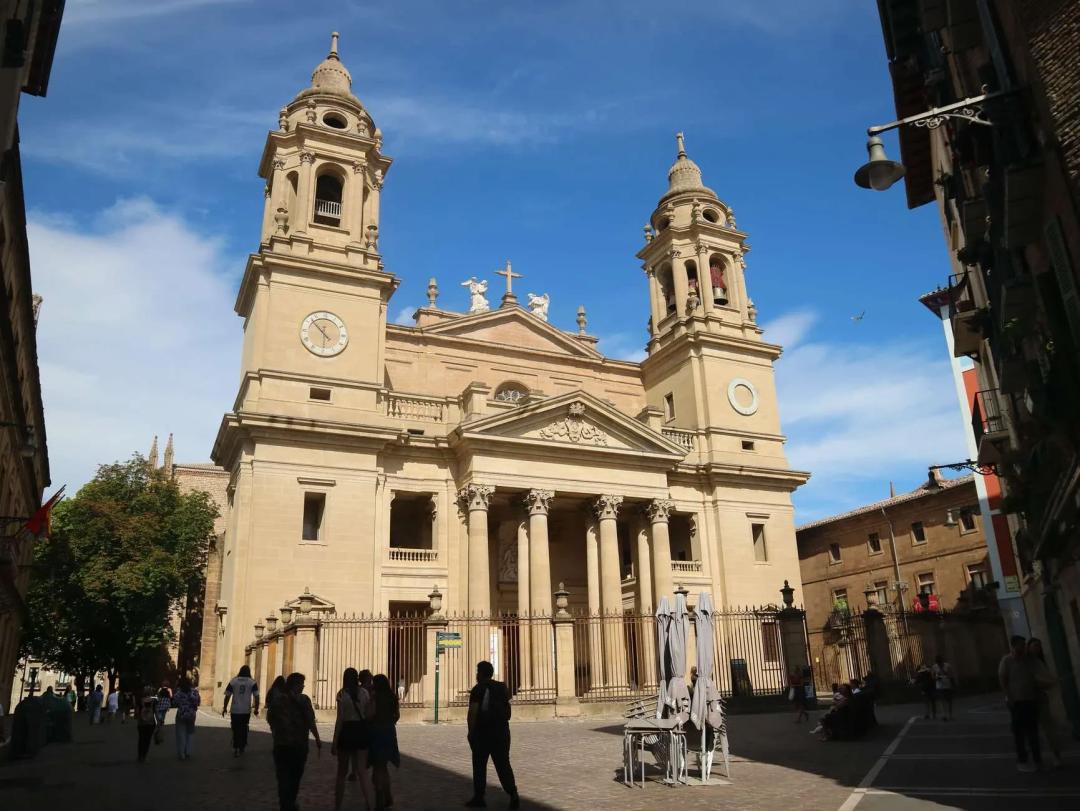
The Cathedral of Santa María la Real is Pamplona’s most important religious monument, combining Gothic interiors with a striking neoclassical façade. Its cloisters are among Spain’s finest.
Highlights
✔️ Visit the ornate Gothic cloisters
✔️ Explore the cathedral museum and royal tombs
✔️ Climb the bell towers for views of the old town
✔️ Blend of Gothic and neoclassical architecture
✔️ Peaceful retreat in the historic center
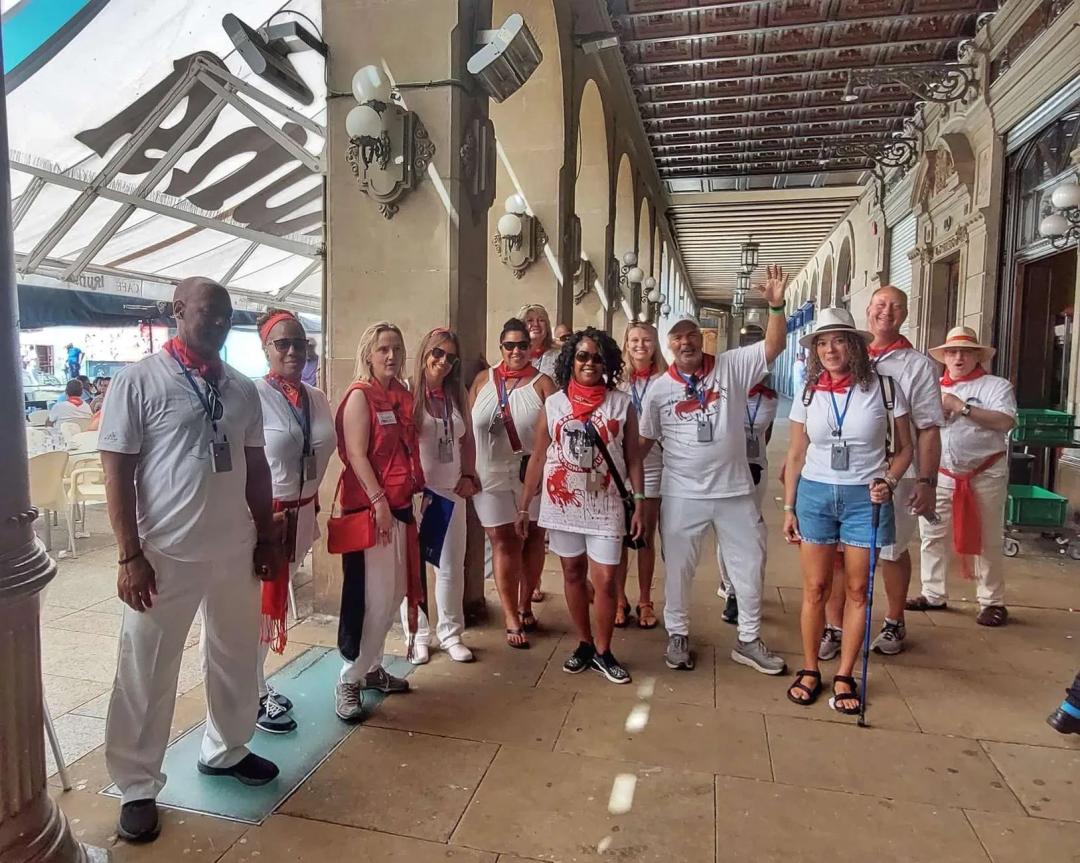
Encierro Route
Walk the path of the famous bull run
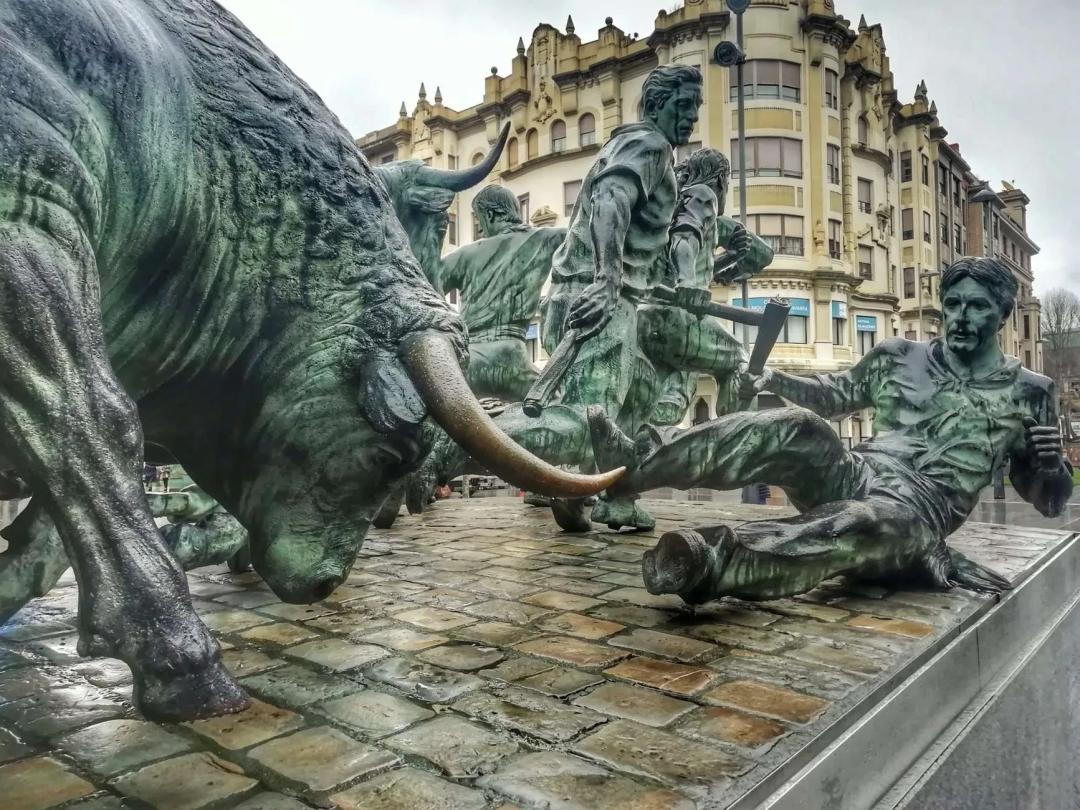
The Running of the Bulls (San Fermín Festival) is Pamplona’s most famous tradition. Outside the festival, visitors can walk the encierro route through the old town, following the same streets the bulls run each July.
Highlights
✔️ Follow the bull run path through the old town
✔️ Visit the start at Santo Domingo and finish at the bullring
✔️ See bronze statues commemorating the encierro
✔️ Learn about San Fermín traditions
✔️ Must-do for history and culture lovers
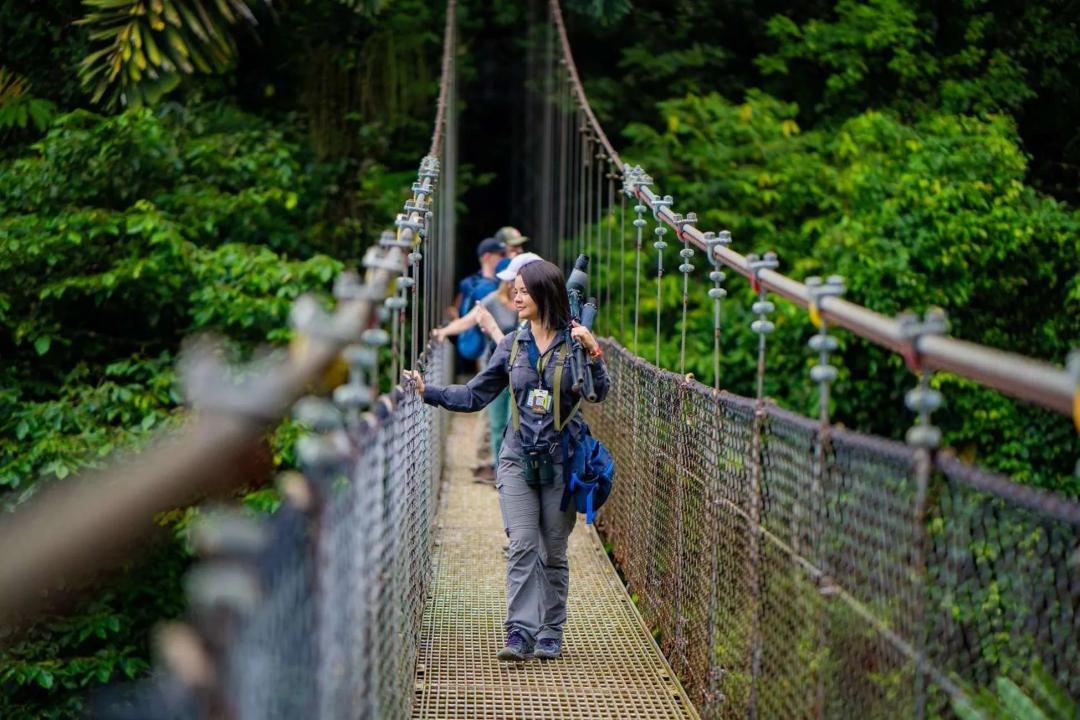
Citadel of Pamplona
A star-shaped Renaissance fortress
Built in the 16th century, the Citadel of Pamplona is one of Europe’s best-preserved Renaissance fortresses. Today, its green park and cultural spaces make it a local favorite.
Highlights
✔️ Explore bastions and walls of the fortress
✔️ Walk through green gardens and paths
✔️ Art exhibitions and cultural events inside
✔️ Star-shaped design unique in Spain
✔️ Peaceful park for relaxation or walks
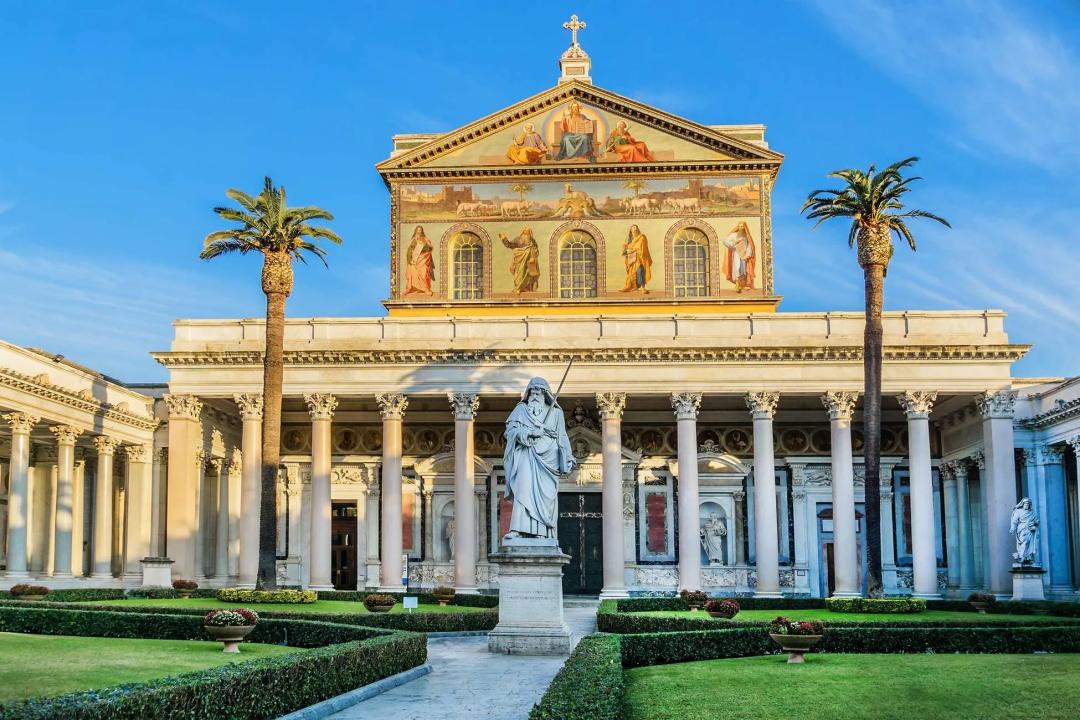
Parque de la Taconera
Pamplona’s oldest park
Parque de la Taconera is the city’s oldest and most charming park, with French-style gardens, sculptures, and even free-roaming deer and peacocks.
Highlights
✔️ Stroll among gardens, fountains, and sculptures
✔️ Spot deer and peacocks in open enclosures
✔️ Historic park dating back to the 19th century
✔️ Peaceful escape near the old town
✔️ Great for photography and relaxation
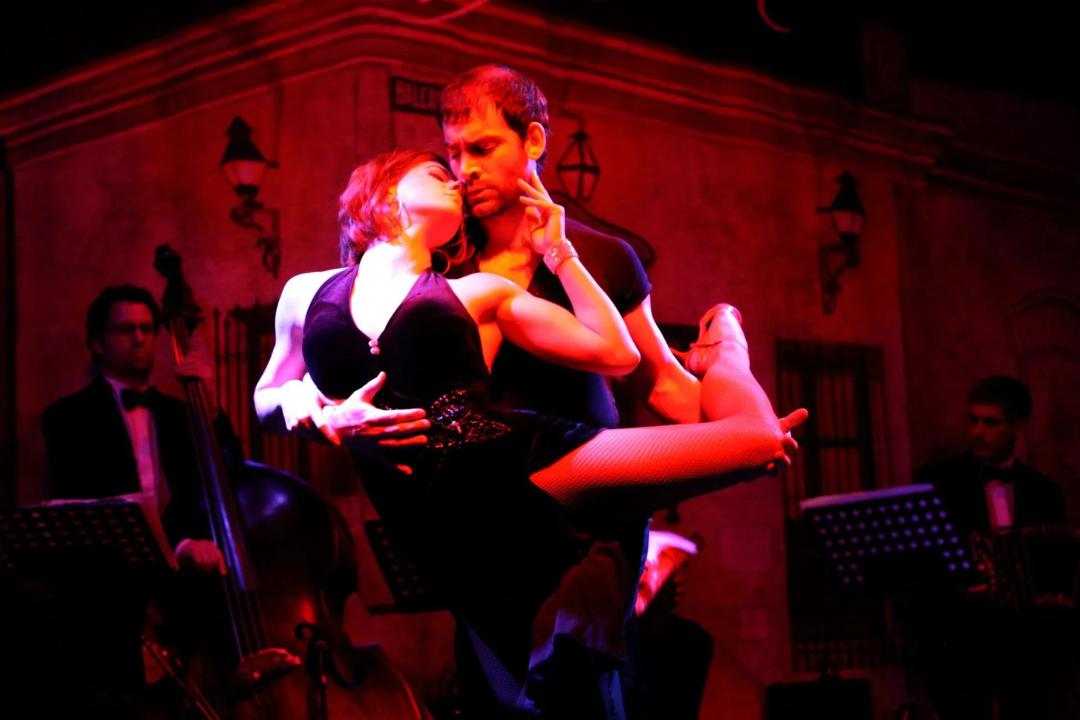
Museum of Navarra
History and art of Navarra
Housed in a former hospital, the Museo de Navarra showcases artifacts from prehistoric times to modern art, including Roman mosaics and works by Goya.
Highlights
✔️ Discover Navarra’s archaeological treasures
✔️ Roman mosaics and medieval art collections
✔️ Works by Francisco de Goya
✔️ Interactive and educational exhibits
✔️ Great cultural stop in Pamplona
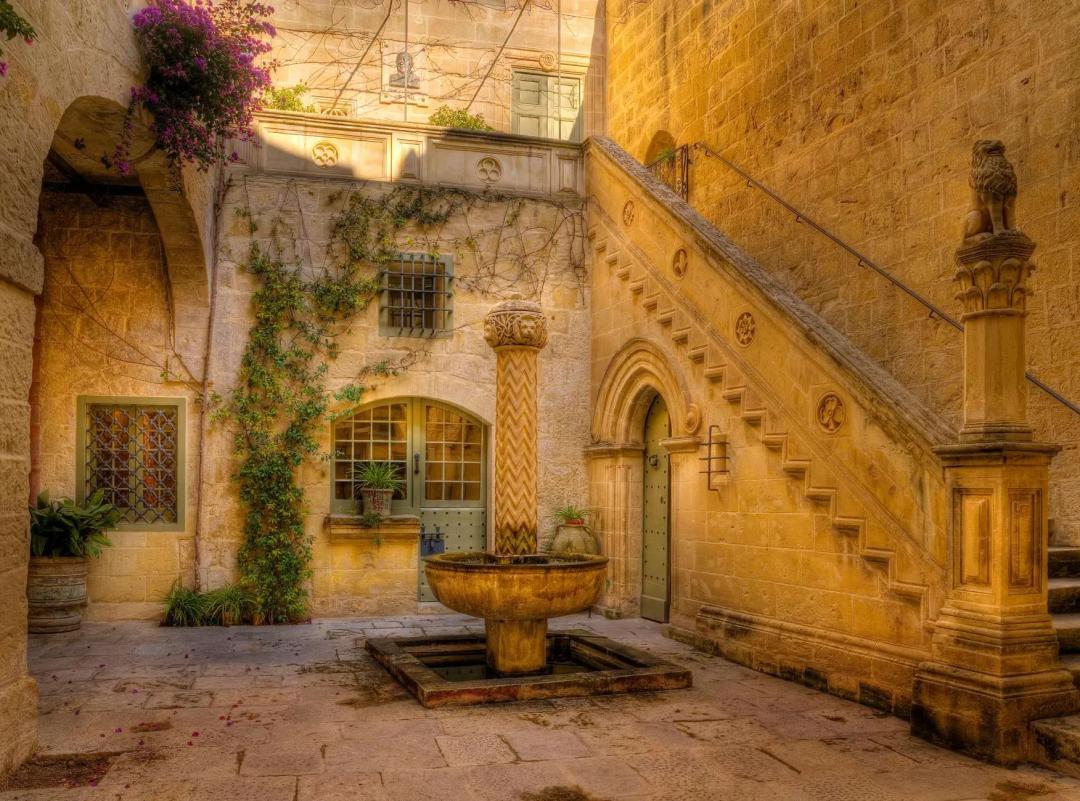
Calle Estafeta
Pamplona’s most famous street
Calle Estafeta is one of the main streets of the bull run and today a lively hub full of bars, restaurants, and shops. It’s the best place to experience Pamplona’s social life.
Highlights
✔️ Walk part of the bull run route
✔️ Lively tapas and pintxo bars
✔️ Great place to try Navarra wines
✔️ Souvenir shops and boutiques
✔️ Bustling day and night
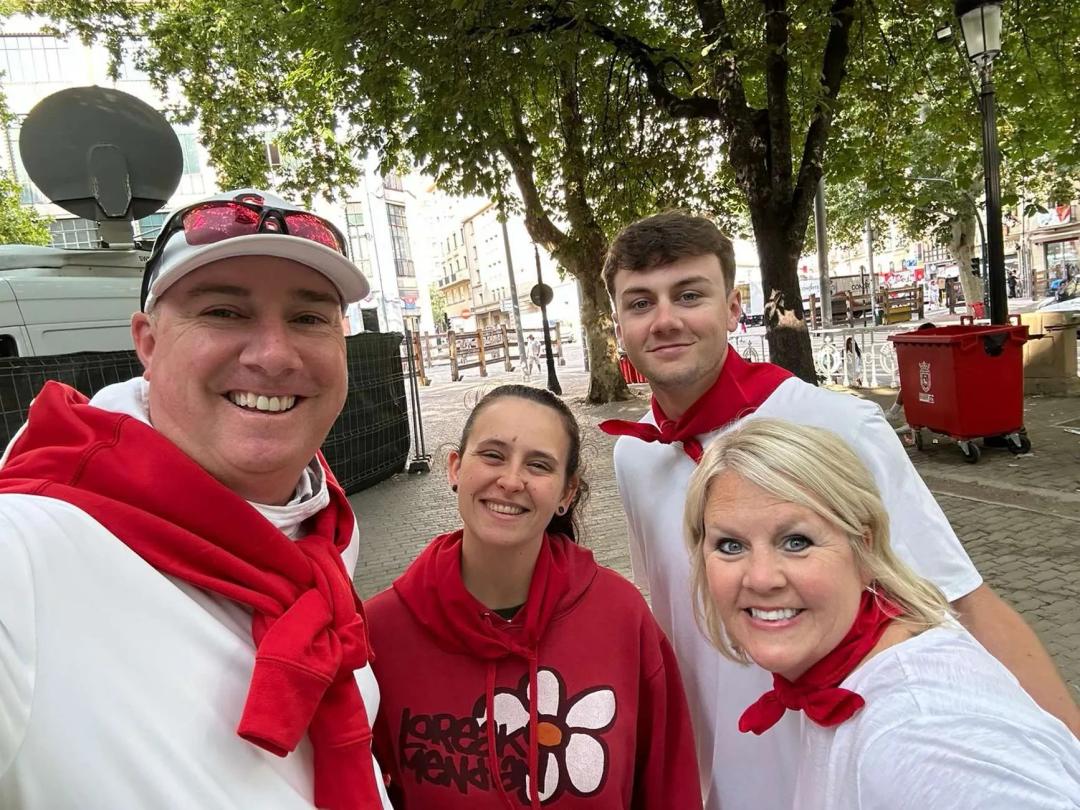
Navarra Pyrenees Ride
Epic mountain roads north of Pamplona
From Pamplona, riders can quickly access the Pyrenees, riding scenic mountain passes and visiting picturesque villages like Roncesvalles, famous as the starting point of the Camino de Santiago.
Highlights
✔️ Ride twisty mountain roads with epic views
✔️ Visit Roncesvalles and its medieval monastery
✔️ Experience the northern Pyrenean landscapes
✔️ Perfect day trip for bikers in Pamplona
✔️ Cultural and natural mix unique to Navarra
Plaza del Castillo
Pamplona’s lively main square
Plaza del Castillo is the beating heart of Pamplona, surrounded by elegant buildings, cafés, and terraces. Known as the city’s “living room,” it’s the perfect place to relax and people-watch.
Highlights
✔️ Central hub for locals and visitors
✔️ Historic cafés like Café Iruña, once frequented by Hemingway
✔️ Venue for concerts and festivals
✔️ Surrounded by restaurants and shops
✔️ Great meeting point in the old town
Plaza de Toros de Pamplona
Historic bullring and festival hub
Pamplona’s bullring is the endpoint of the famous encierro. Built in 1922, it’s Spain’s fourth-largest and a central part of the San Fermín festivities. Tours explain its cultural significance.
Highlights
✔️ Guided tours of the arena and facilities
✔️ Learn about Pamplona’s bullfighting tradition
✔️ Central role in the San Fermín festival
✔️ Impressive neomudéjar architecture
✔️ Historic cultural landmark
Yamaguchi Park & Planetarium
Japanese gardens and stargazing
Yamaguchi Park is a Japanese-style garden gifted by Pamplona’s sister city in Japan. It also houses the Pamplona Planetarium, making it a unique cultural and scientific space.
Highlights
✔️ Stroll through Japanese gardens and ponds
✔️ Visit the Pamplona Planetarium for astronomy shows
✔️ Relax in peaceful green spaces
✔️ Family-friendly atmosphere
✔️ Blend of culture, science, and nature
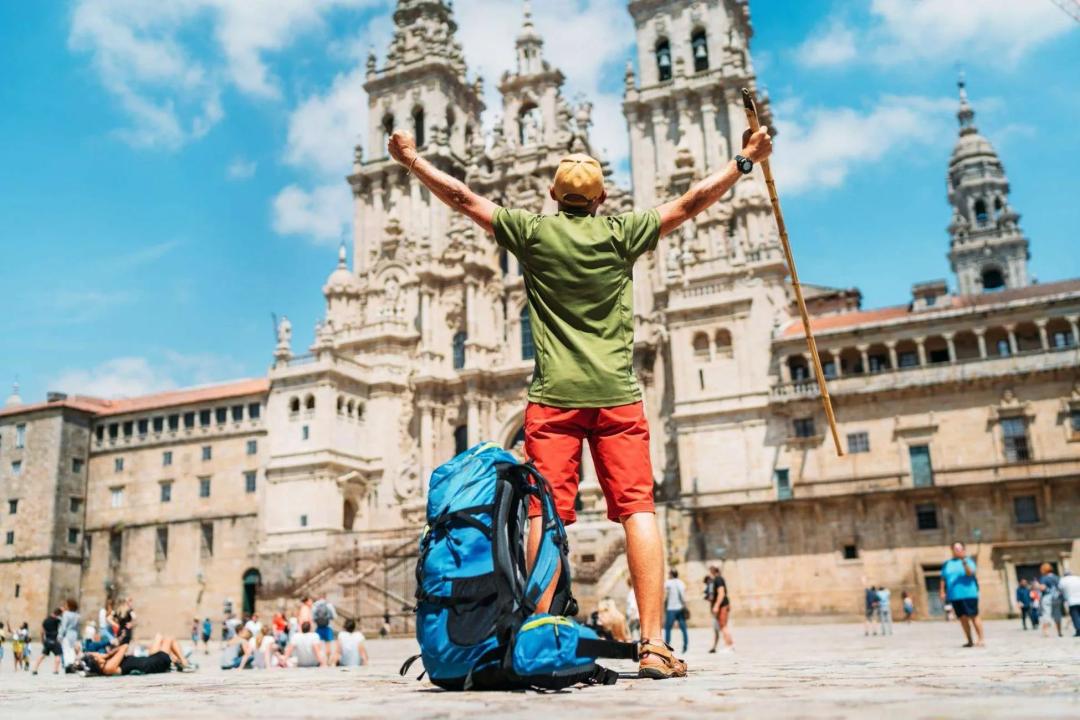
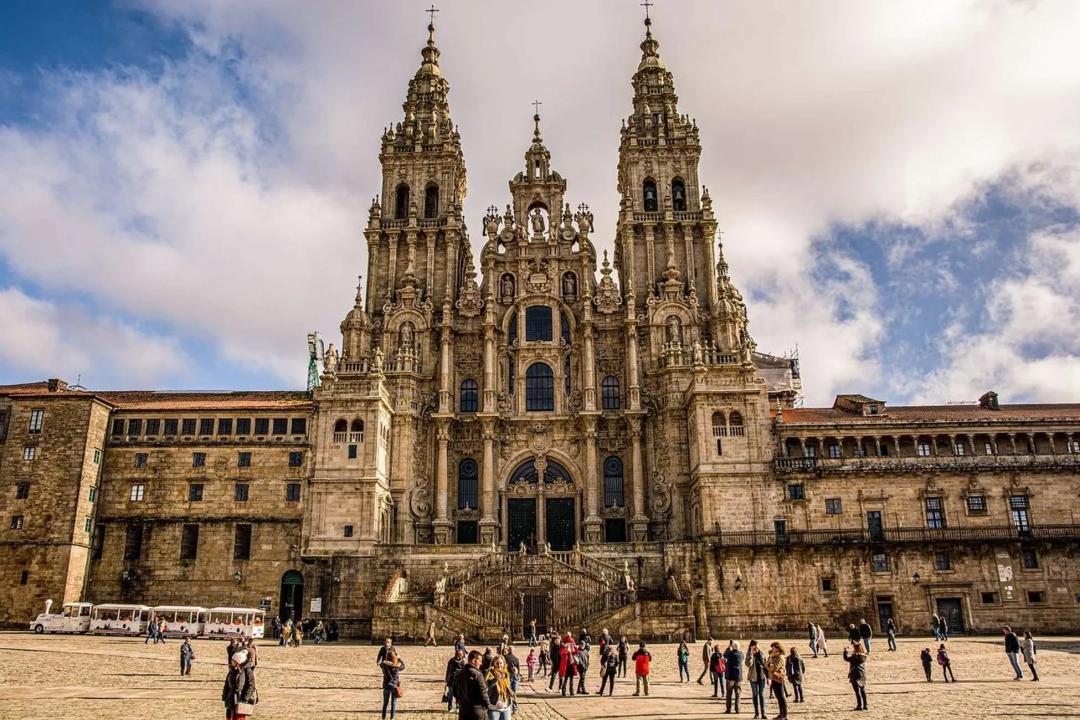
Praza do Obradoiro
Santiago’s most famous square
Praza do Obradoiro is the grand square in front of the cathedral, framed by historic buildings. It’s where pilgrims celebrate the end of their journey and where visitors feel the soul of the city.
Highlights
✔️ Iconic photo spot of the cathedral’s façade
✔️ Surrounded by historic buildings like the Hostal dos Reis Católicos and the Pazo de Raxoi
✔️ Meeting point for pilgrims completing the Camino
✔️ Lively atmosphere day and night
✔️ Central hub of Santiago’s old town
Mercado de Abastos
Santiago’s vibrant food market
Mercado de Abastos is the city’s central market and the second most visited attraction after the cathedral. Here, locals and visitors alike shop for Galician seafood, cheeses, and fresh produce.
Highlights
✔️ Taste Galicia’s famous seafood and octopus
✔️ Fresh produce and artisan products
✔️ Bustling market atmosphere
✔️ Sample tapas at stalls and bars inside
✔️ Authentic slice of Galician life
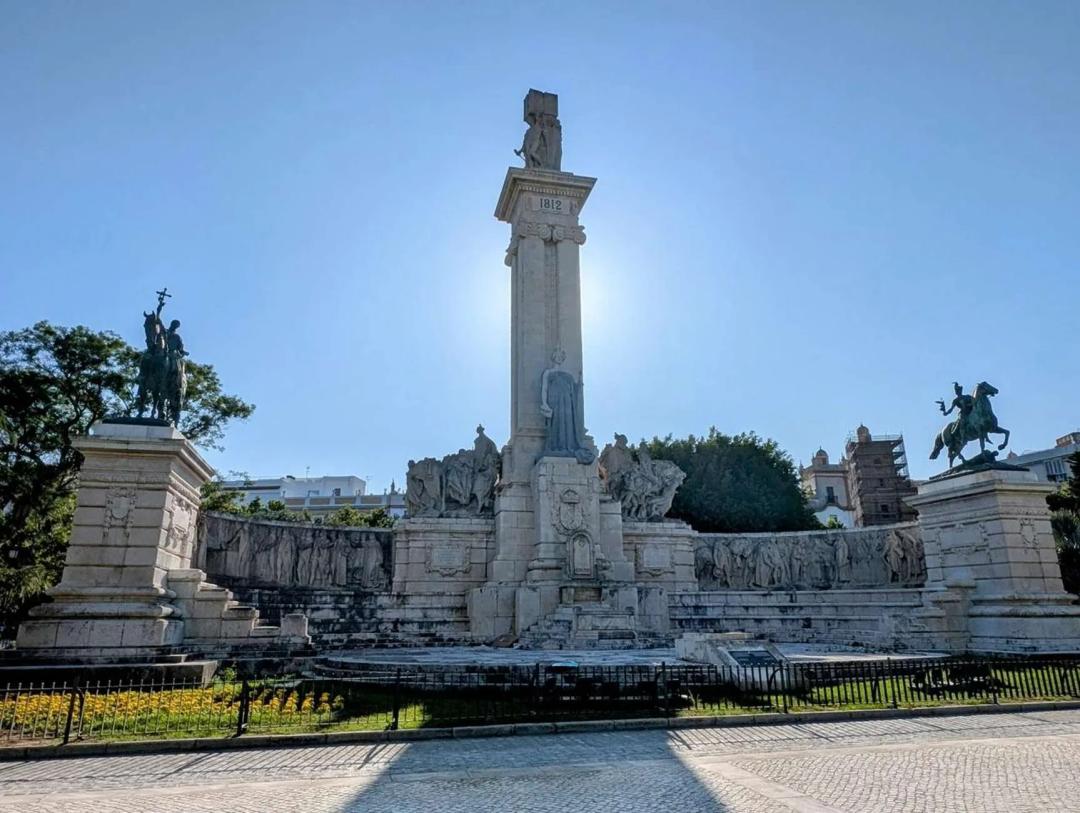
Alameda Park
Green heart of Santiago with cathedral views
Alameda Park is the city’s main green space, offering shaded walks, historic statues, and some of the best views of the cathedral skyline. It’s a favorite spot for both locals and visitors.
Highlights
✔️ Panoramic views of the cathedral towers
✔️ Peaceful gardens and walking paths
✔️ Iconic “Dos Marías” statue
✔️ Central location near the old town
✔️ Great place to relax after sightseeing
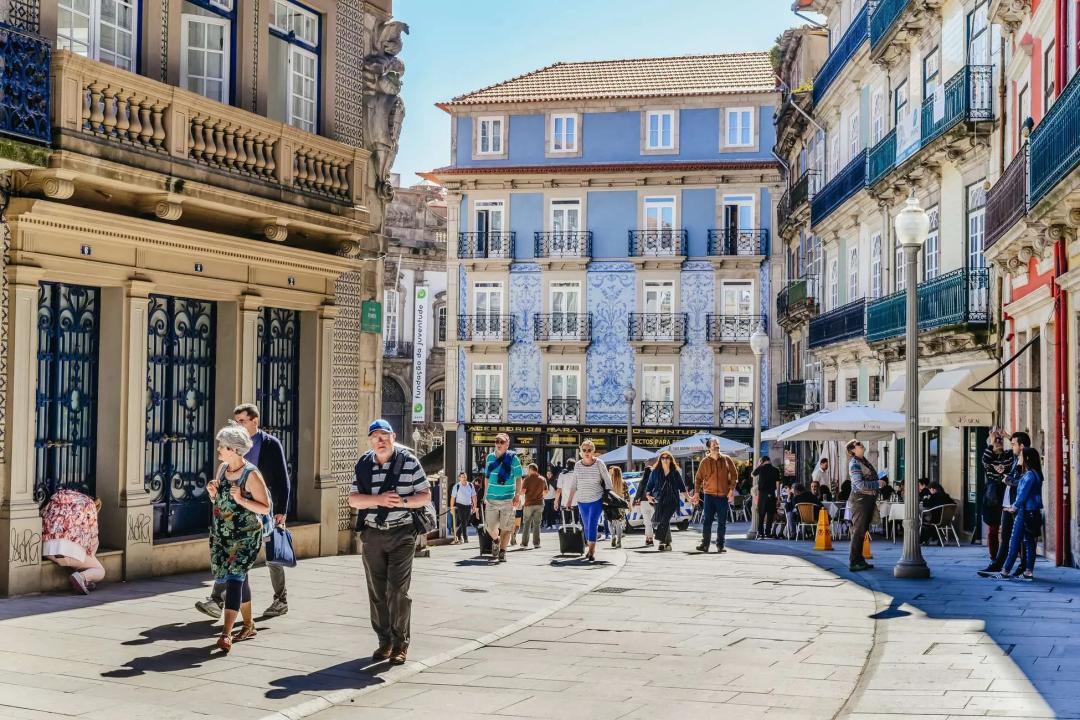
Rúa do Franco
Tapas street of Santiago
Rúa do Franco is the city’s most famous street for tapas and Galician cuisine. Lined with bars and restaurants, it’s the perfect place to taste octopus, empanadas, and local wines.
Highlights
✔️ Lively tapas street in the old town
✔️ Taste Galician specialties like pulpo a la gallega
✔️ Bustling atmosphere with students and pilgrims
✔️ Traditional taverns and modern eateries
✔️ Popular dining area near the cathedral
Hostal dos Reis Católicos
A historic pilgrim’s inn turned luxury hotel
Built in 1499 as a hospital for pilgrims, the Hostal dos Reis Católicos is now one of Spain’s most famous Parador hotels. Its Gothic and Renaissance courtyards are open to visitors.
Highlights
✔️ Visit a historic building founded by Catholic Monarchs
✔️ Explore cloisters and courtyards
✔️ Luxurious Parador hotel experience
✔️ Located on Praza do Obradoiro
✔️ Symbol of hospitality for pilgrims
City of Culture of Galicia
Santiago’s modern architectural complex
On a hill overlooking the city, the Cidade da Cultura is a striking modern complex designed by Peter Eisenman. It hosts exhibitions, concerts, and cultural events.
Highlights
✔️ Explore futuristic architecture in Galicia’s capital
✔️ Rotating exhibitions and cultural programs
✔️ Panoramic views over Santiago and its surroundings
✔️ Modern contrast to the historic old town
✔️ Large library and cultural facilities
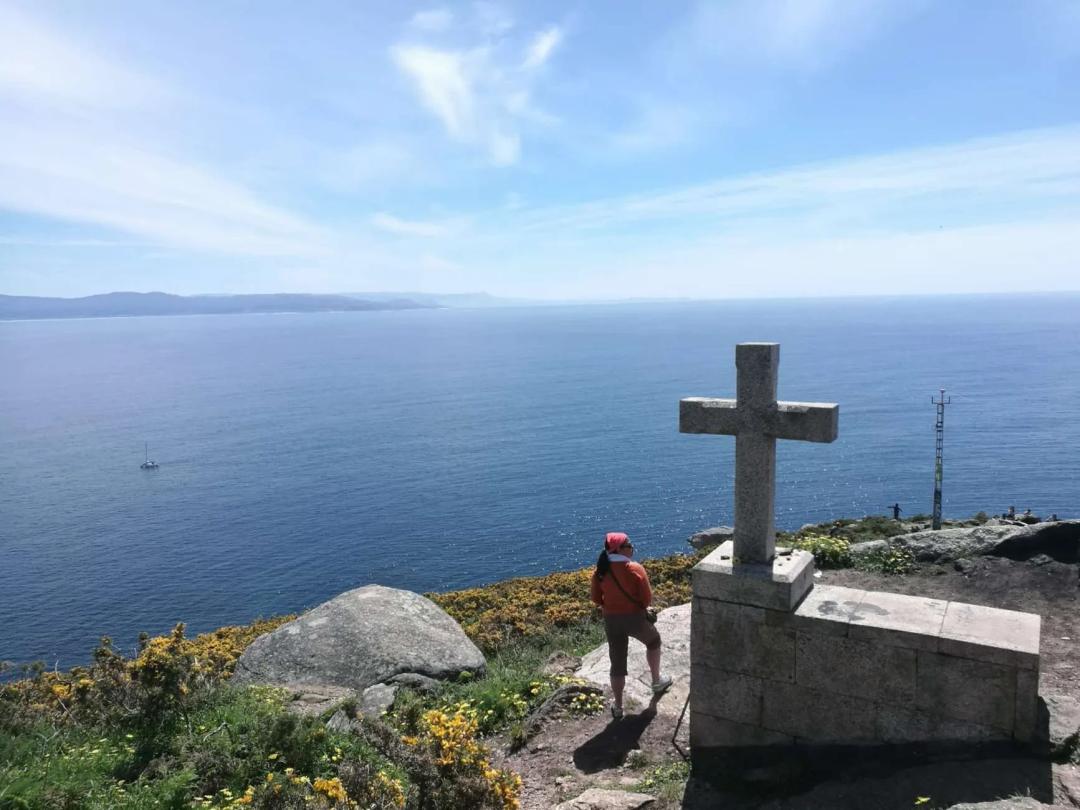
Costa da Morte
Wild Galician coast near Santiago
Just a couple of hours from Santiago, the Costa da Morte (“Coast of Death”) is a dramatic stretch of Atlantic coastline with cliffs, lighthouses, and fishing villages. The ride itself is one of Galicia’s most scenic.
Highlights
✔️ Ride along dramatic Atlantic coastal roads
✔️ Visit Cape Finisterre, the “end of the world”
✔️ Scenic lighthouses and rugged beaches
✔️ Taste fresh seafood in fishing towns
✔️ Perfect biker day trip from Santiago
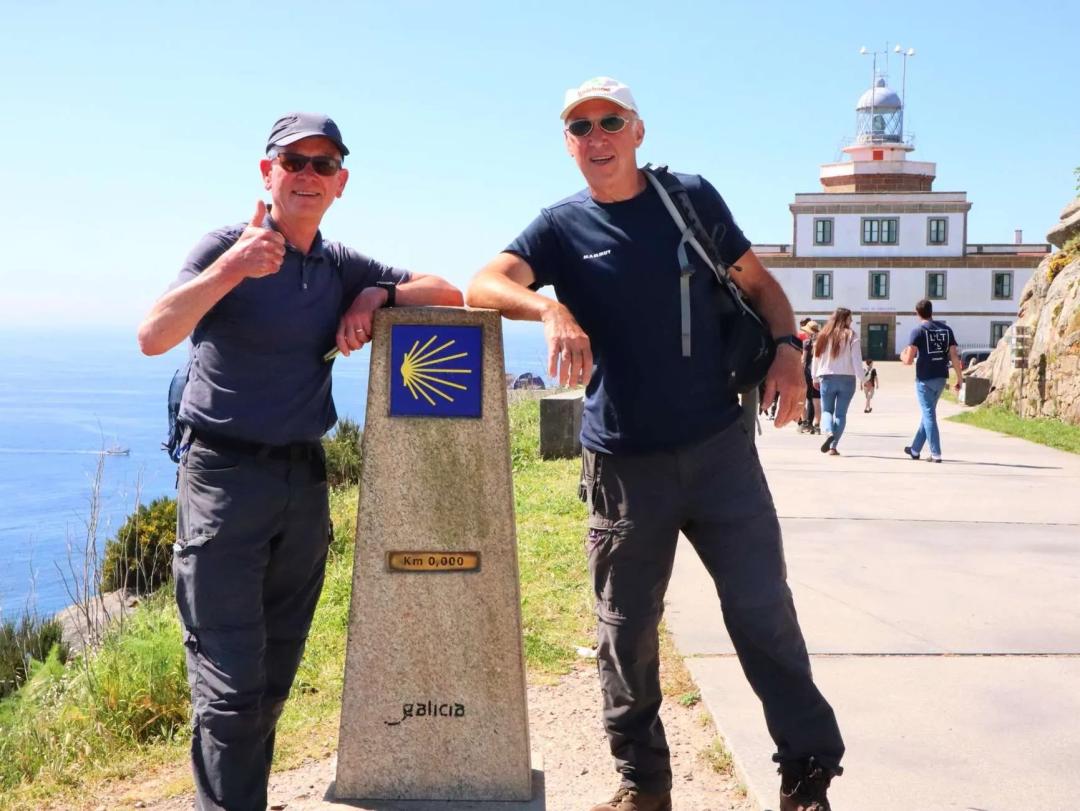
Santiago de Compostela Cathedral
Final destination of the Camino de Santiago
The cathedral of Santiago de Compostela is one of the most important pilgrimage sites in the world. Built over the tomb of Saint James, it combines Romanesque, Gothic, and Baroque styles and marks the end of the legendary Camino de Santiago.
Highlights
✔️ Visit the tomb of Saint James the Apostle
✔️ Admire the Baroque façade of Obradoiro Square
✔️ See the giant Botafumeiro incense burner in action
✔️ Explore cloisters, chapels, and the museum
✔️ UNESCO World Heritage Site
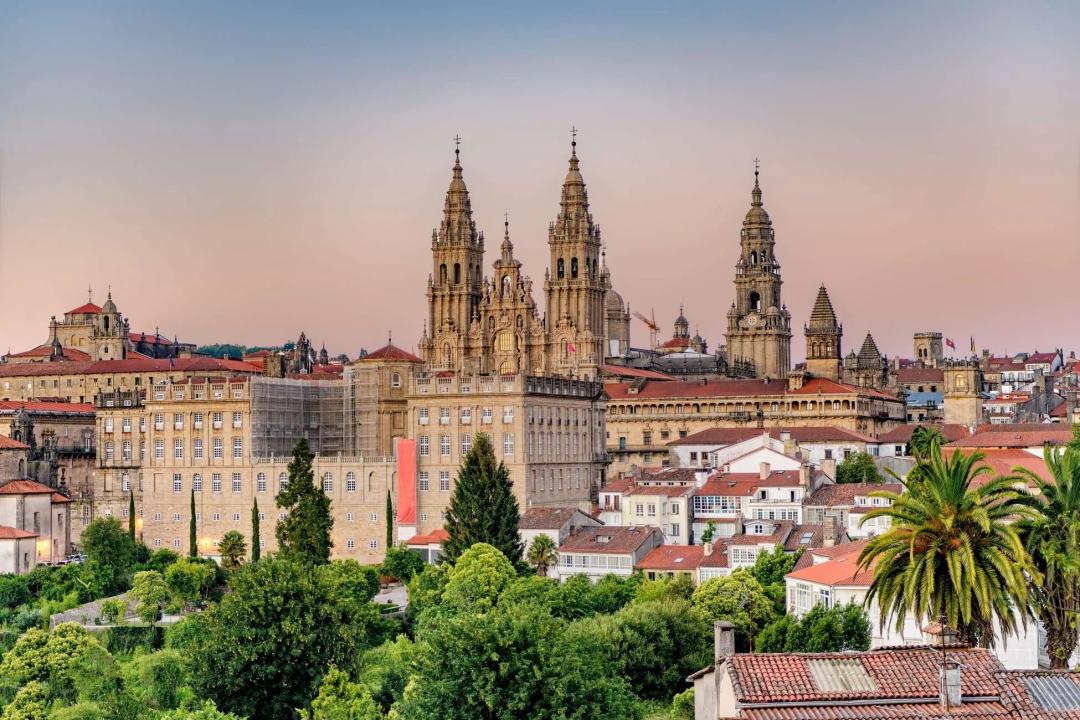
Monastery of San Martiño Pinario
Galicia’s largest monastery
This massive Benedictine monastery is the second largest religious complex in Spain, after El Escorial. Its baroque architecture and ornate interiors make it a must-see.
Highlights
✔️ Explore grand cloisters and ornate altars
✔️ Baroque façades and interiors
✔️ Visit the religious art museum inside
✔️ Peaceful courtyards and gardens
✔️ Located just behind the cathedral
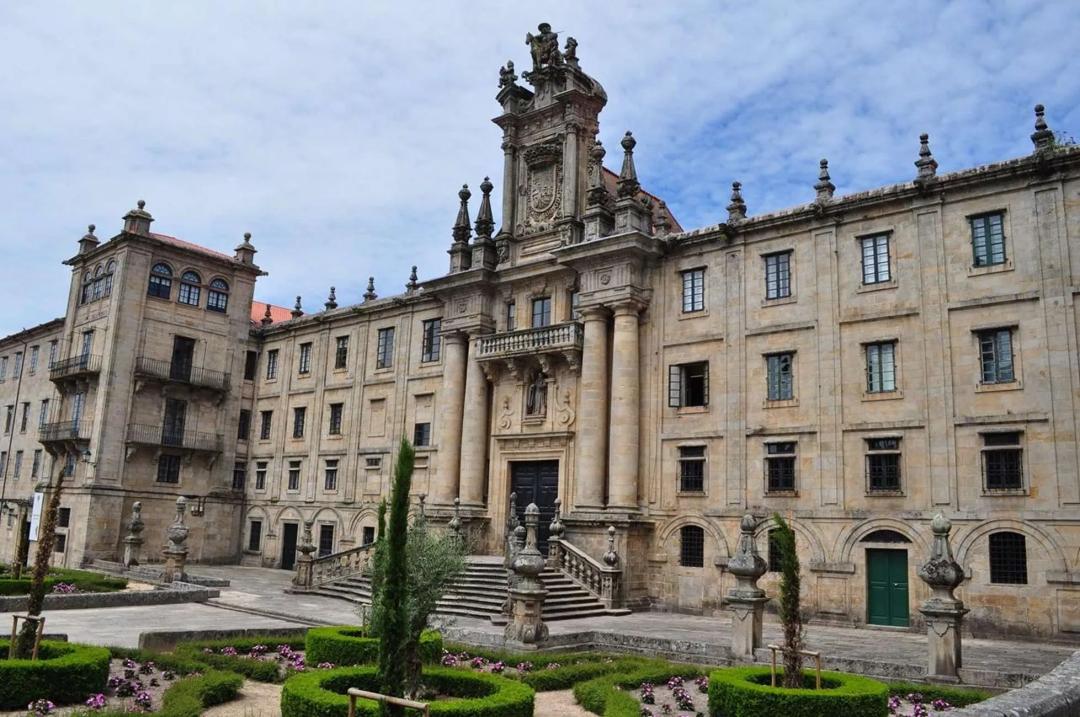
Museum of the Galician People
Discover Galicia’s traditions and heritage
Housed in the former Convent of San Domingos de Bonaval, this museum explores Galician culture, from fishing and farming to traditional costumes and crafts.
Highlights
✔️ Learn about Galicia’s rural and maritime life
✔️ See traditional clothing and instruments
✔️ Famous triple spiral staircase inside the convent
✔️ Peaceful cloisters and gardens
✔️ Focus on regional heritage and identity
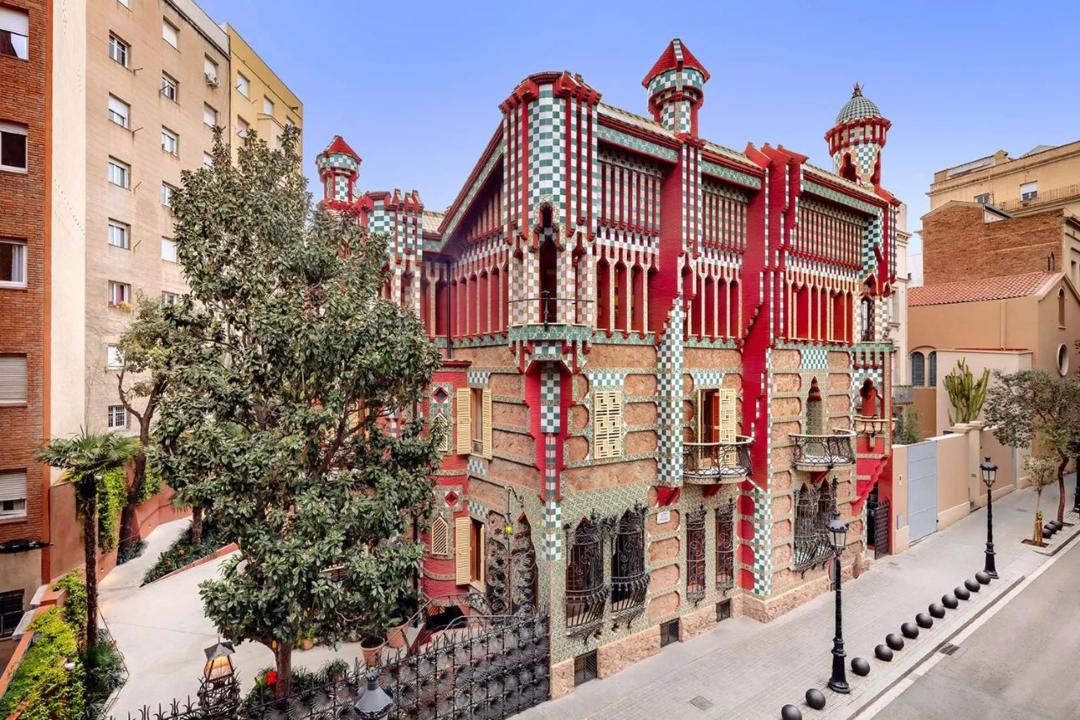
Circuito de Jerez – Ángel Nieto
Spain’s legendary MotoGP circuit
The Circuito de Jerez is one of the most iconic tracks in the MotoGP calendar. Hosting the Spanish Grand Prix, it’s a pilgrimage site for bikers worldwide. Even outside race weekends, visitors can tour the circuit and experience its racing spirit.
Highlights
✔️ Attend MotoGP or World Superbike races
✔️ Guided tours of the paddock and pit lanes
✔️ Visit the circuit museum
✔️ Ride around the surrounding twisty Andalusian roads
✔️ Legendary track named after Ángel Nieto
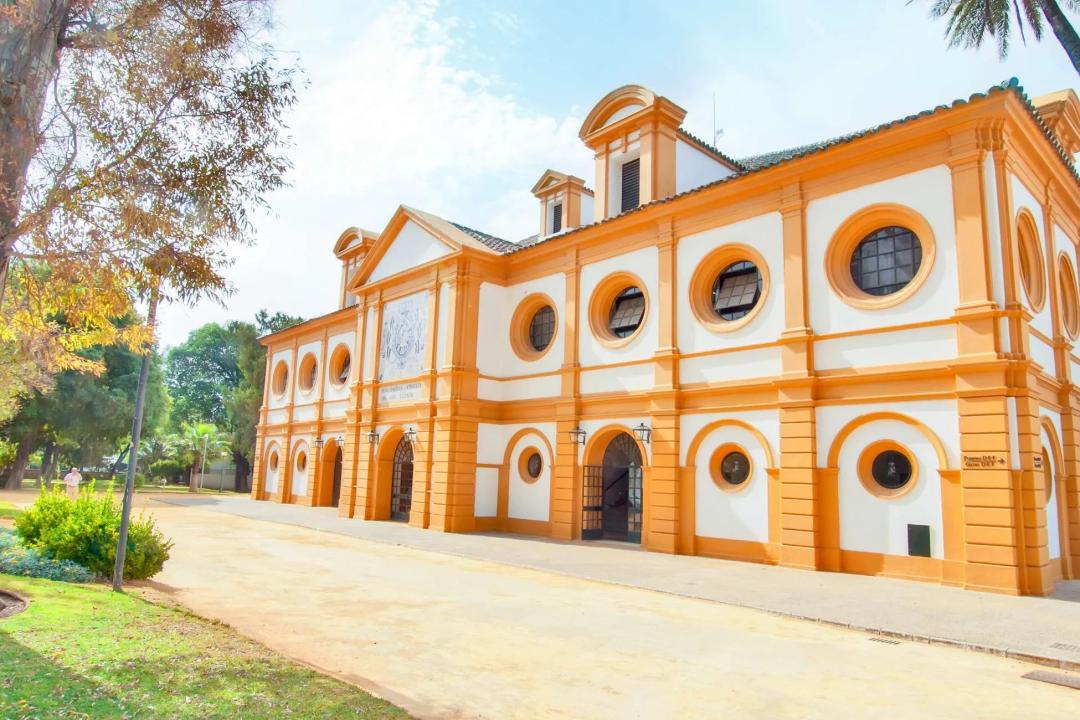
Royal Andalusian School of Equestrian Art
The art of dancing Andalusian horses
Jerez is world-famous for its equestrian tradition. At the Royal School of Equestrian Art, visitors can watch “dancing horses” shows, blending Andalusian heritage with spectacular horsemanship.
Highlights
✔️ See classical dressage performances
✔️ Visit the stables and carriage museum
✔️ Admire the palace and gardens
✔️ Learn about Andalusian horse culture
✔️ Unique experience only in Jerez
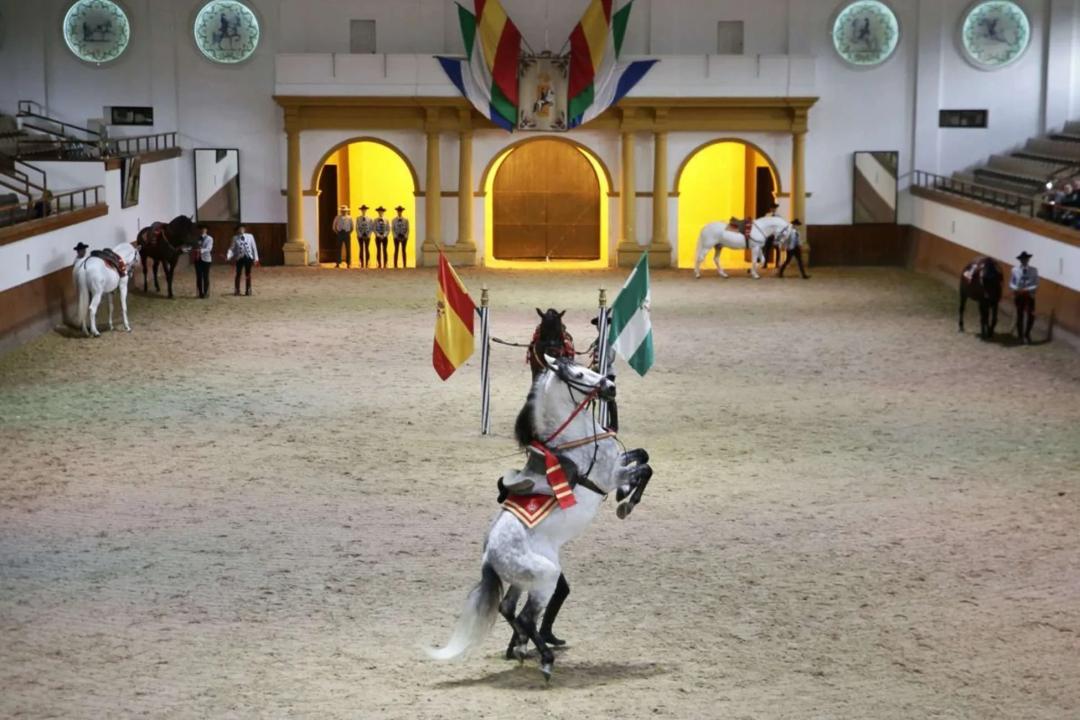
Sherry Wine Bodegas
Taste Jerez’s world-famous sherry wines
Jerez is the birthplace of sherry, and its bodegas are a must-visit. Tour centuries-old wine cellars, learn about the solera aging system, and taste authentic sherries paired with tapas.
Highlights
✔️ Guided tours of historic sherry wineries
✔️ Tastings of fino, oloroso, and sweet sherries
✔️ Learn the unique solera system
✔️ Combine with local tapas and flamenco
✔️ Iconic tradition of Jerez culture
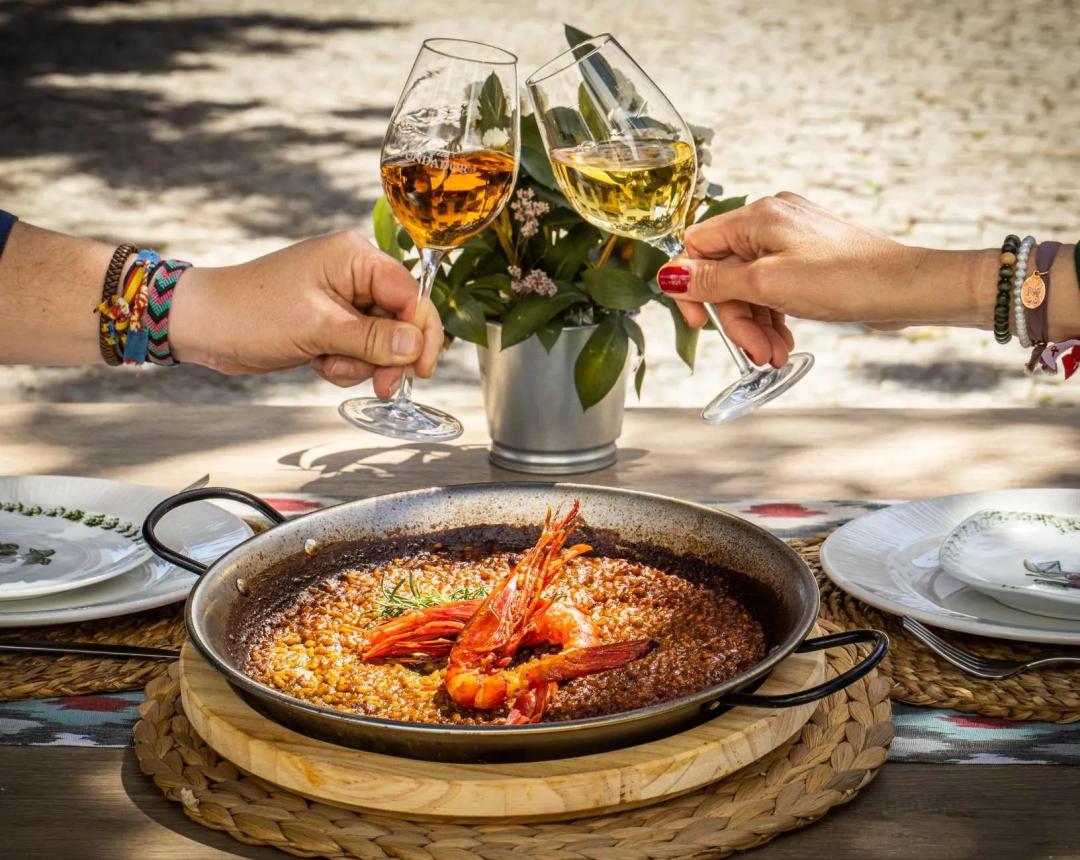
Jerez Cathedral
Baroque and Gothic beauty
Built in the 17th century, Jerez Cathedral combines Baroque, Gothic, and Neoclassical styles. Its grand dome and ornate interior make it one of the city’s most important landmarks.
Highlights
✔️ Admire the massive dome and façade
✔️ Explore ornate chapels and altars
✔️ Central location near the Alcázar
✔️ Climb the bell tower for views of Jerez
✔️ Blend of Baroque and Gothic architecture
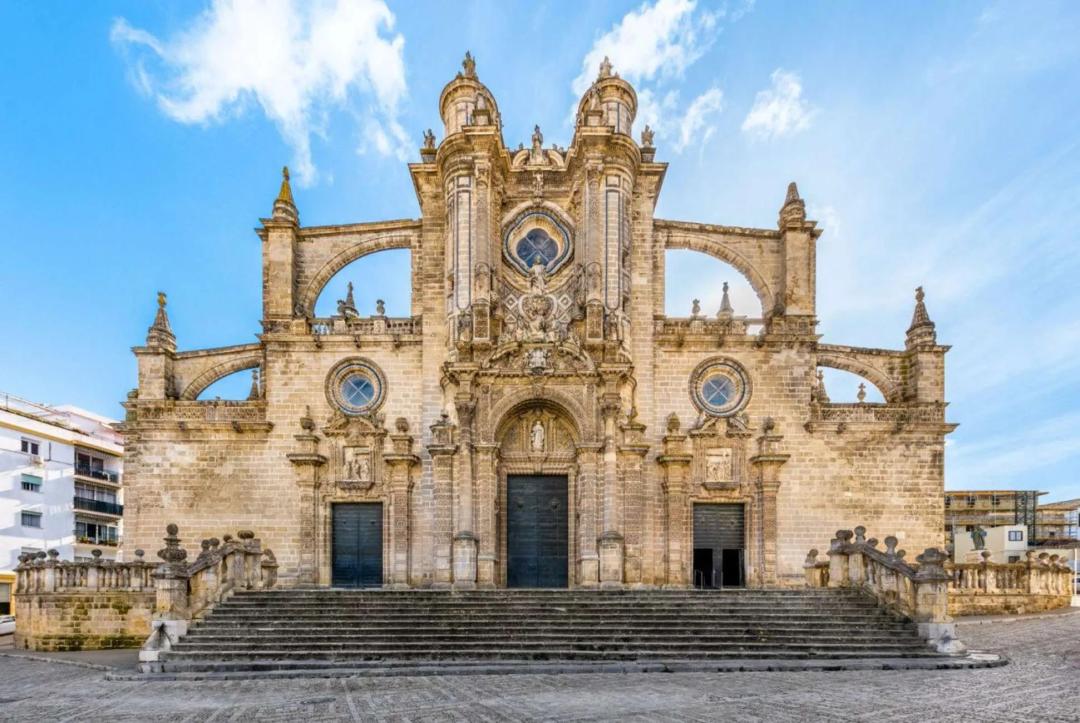
Flamenco in Jerez
The birthplace of flamenco singing
Jerez is considered one of the cradles of flamenco, particularly its passionate singing style. Experience live shows in intimate tablaos or during the city’s famous Flamenco Festival.
Highlights
✔️ Watch authentic flamenco performances
✔️ Learn about Jerez’s unique flamenco style
✔️ Combine with tapas and sherry
✔️ Visit during the annual Festival de Jerez
✔️ Cultural immersion into Andalusian soul
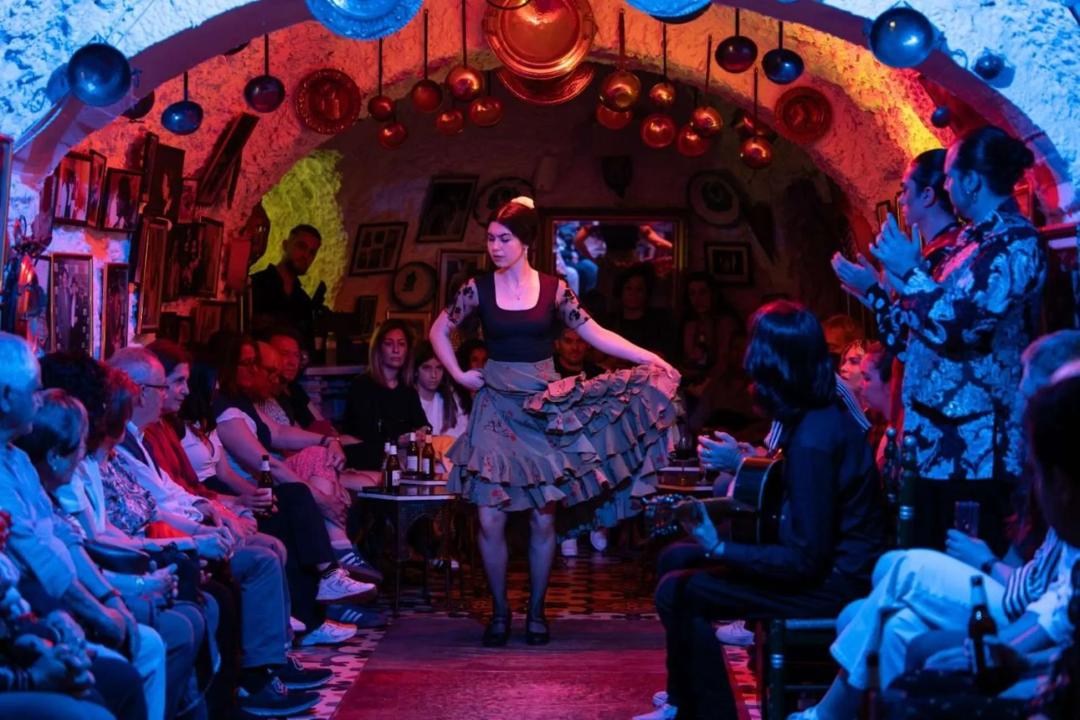
Plaza del Arenal
Jerez’s lively main square
Plaza del Arenal is the central square of Jerez, filled with cafés, fountains, and shops. It’s the perfect place to soak up the city’s atmosphere before heading out on the bike.
Highlights
✔️ Relax in outdoor cafés and terraces
✔️ Lively atmosphere in the city center
✔️ Historic buildings and fountains
✔️ Central meeting point for locals
✔️ Close to major attractions
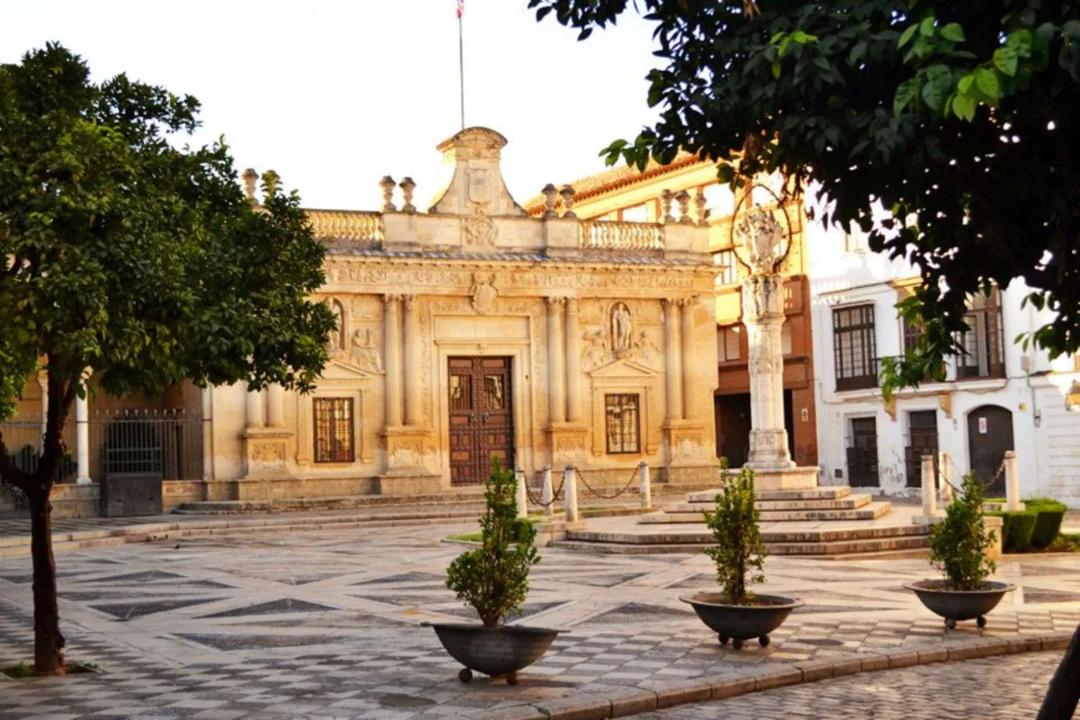
Cartuja de Jerez
A Gothic monastery outside the city
Just outside Jerez, the Cartuja is a Gothic-Carthusian monastery surrounded by vineyards and countryside. Its monumental façades and peaceful setting make it a worthwhile visit.
Highlights
✔️ Impressive Gothic and Renaissance architecture
✔️ Peaceful monastery setting
✔️ Rich history dating back to the 15th century
✔️ Located among Jerez’s vineyards
✔️ Less crowded cultural site
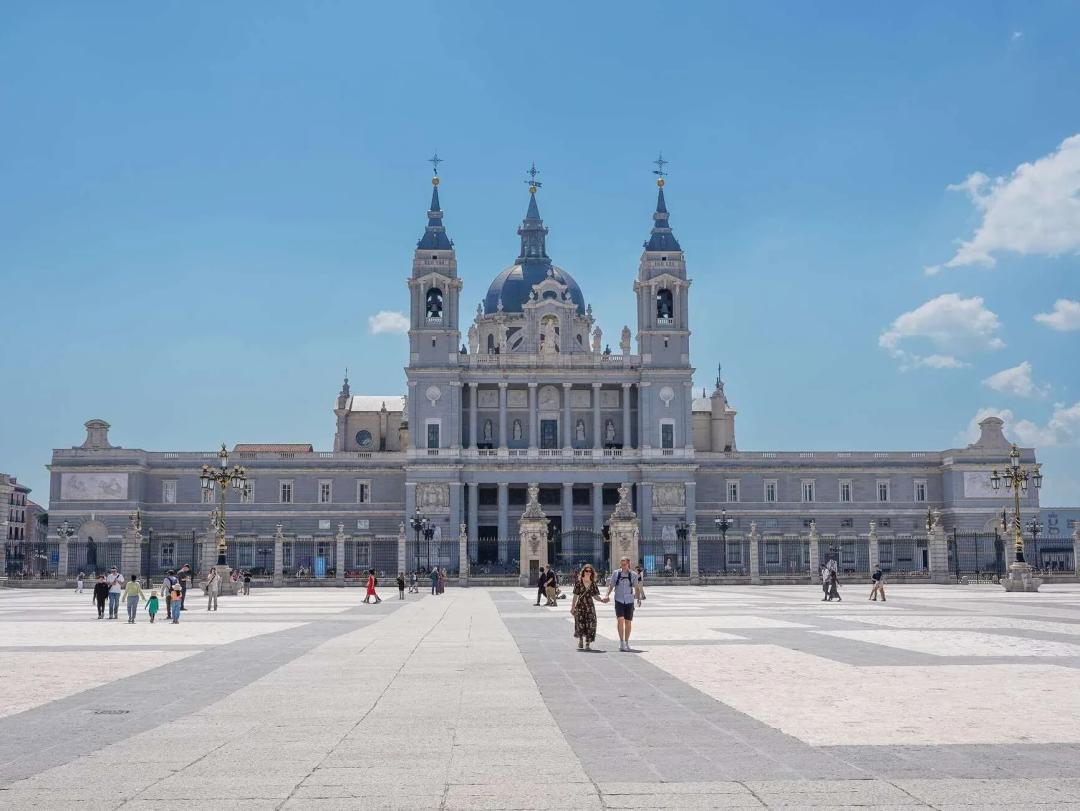
Pueblos Blancos Route
Scenic ride through Andalusia’s whitewashed towns
From Jerez, riders can take one of Spain’s most beautiful routes: the Pueblos Blancos trail. It winds through the Sierra de Cádiz, passing charming whitewashed towns like Arcos de la Frontera, Zahara de la Sierra, and Grazalema.
Highlights
✔️ Ride twisty mountain roads with epic views
✔️ Stop in Arcos, Zahara, and Grazalema villages
✔️ Taste Andalusian food and local cheeses
✔️ Experience authentic rural Andalusia
✔️ One of Spain’s top motorcycle day routes
Alcázar of Jerez
A Moorish fortress in the city center
The Alcázar is a 12th-century Moorish fortress with towers, gardens, and an old mosque. It’s one of the oldest monuments in Jerez and offers panoramic city views.
Highlights
✔️ Explore towers, walls, and Arab baths
✔️ Visit the Camera Obscura with city views
✔️ Walk through Moorish gardens
✔️ Learn about Jerez’s Islamic history
✔️ Peaceful cultural stop in the old town
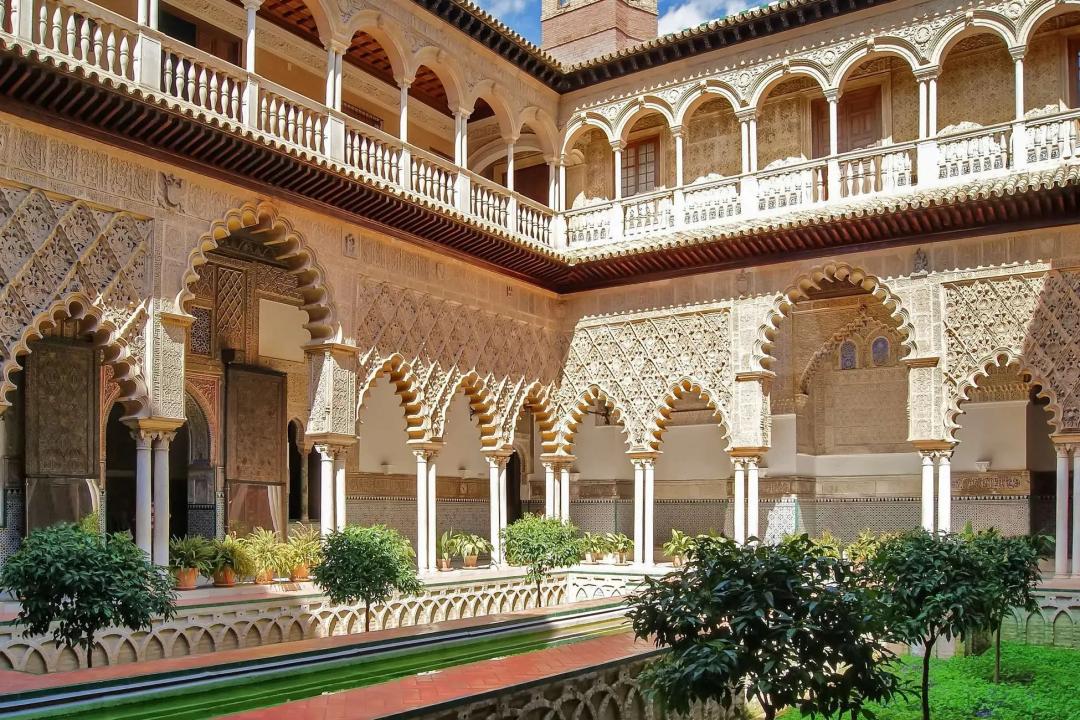
Museo Arqueológico de Jerez
Journey through Jerez’s past
Located in a 15th-century palace, Jerez’s Archaeological Museum displays artifacts from prehistory to the Middle Ages, including a famous Roman Corinthian helmet.
Highlights
✔️ Explore collections from prehistoric to Islamic periods
✔️ See the unique Roman bronze helmet
✔️ Beautiful building with courtyards
✔️ Learn about Jerez’s historic evolution
✔️ Perfect for history lovers
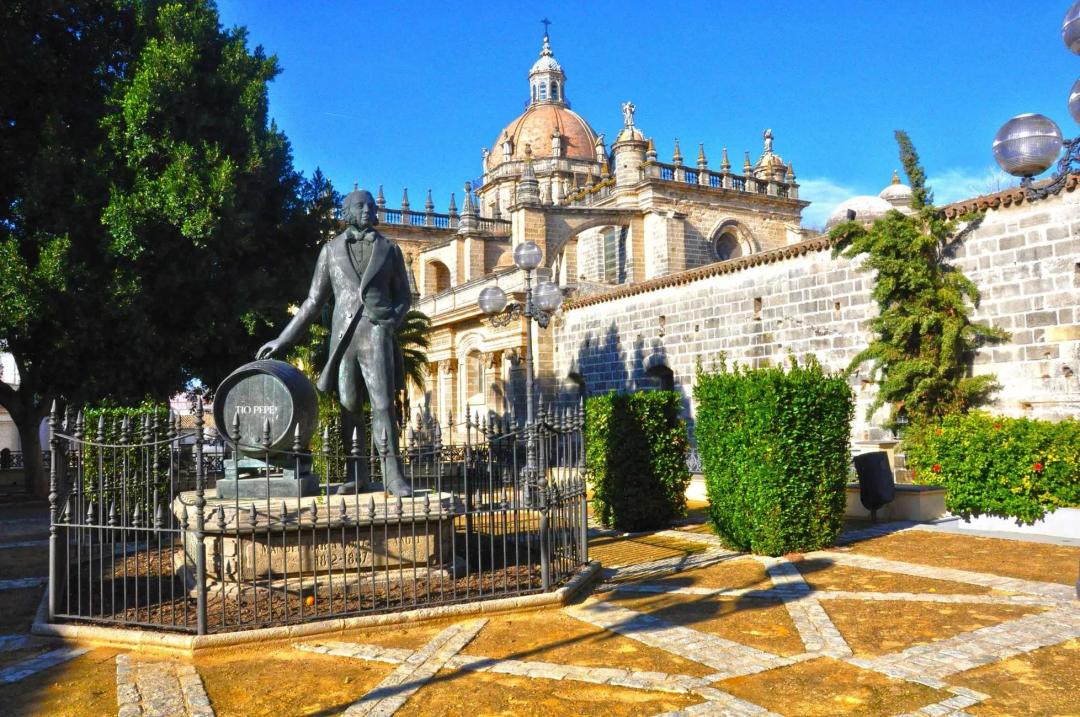
Alcazaba of Almería
Spain’s second-largest Moorish fortress
The Alcazaba of Almería is a massive Moorish fortress dating back to the 10th century. Overlooking the city and sea, it offers stunning views and a fascinating journey through Andalusia’s Islamic past.
Highlights
✔️ Explore towers, ramparts, and courtyards
✔️ Stunning views over the city and Mediterranean
✔️ Visit palaces, cisterns, and gardens
✔️ UNESCO-listed heritage site candidate
✔️ Iconic filming location for movies and series
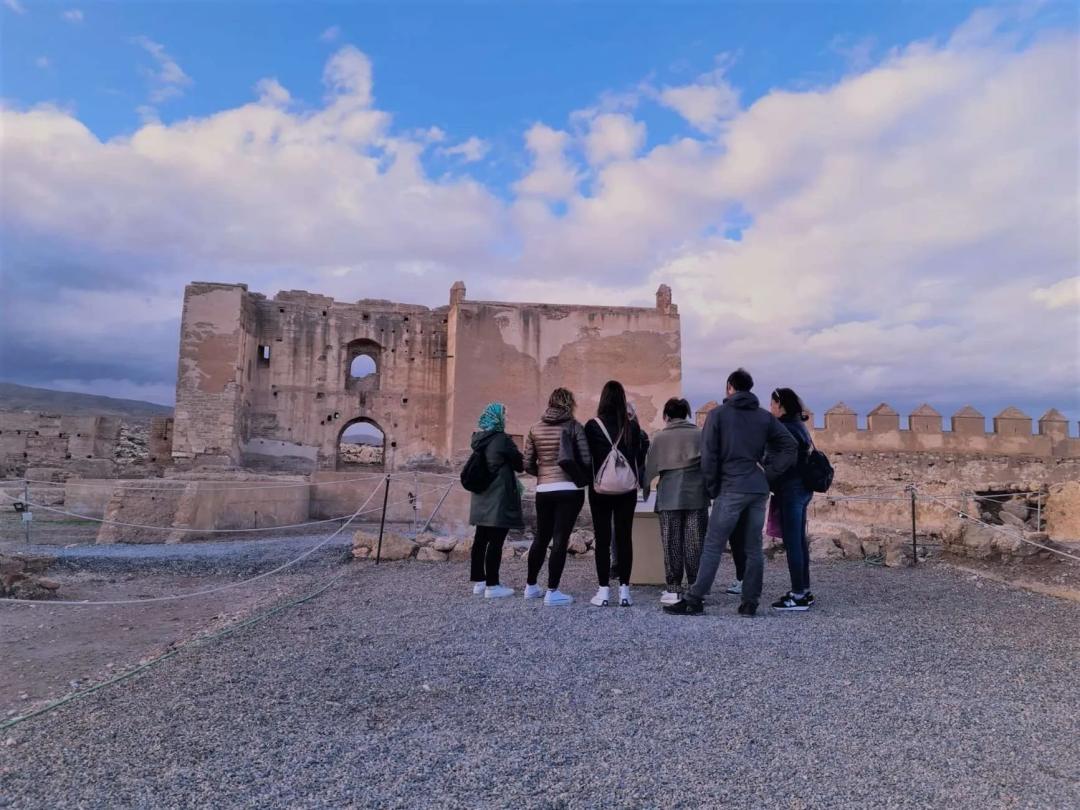
Cabo de Gata-Níjar Natural Park
Volcanic landscapes and hidden coves
Cabo de Gata is one of Spain’s most spectacular coastal areas, with volcanic cliffs, turquoise waters, and wild beaches. For bikers, the ride through its winding coastal roads is unforgettable.
Highlights
✔️ Ride scenic roads along volcanic cliffs
✔️ Relax on unspoiled beaches like Playa de los Genoveses
✔️ Visit fishing villages like San José
✔️ Explore salt flats and watch flamingos
✔️ Protected natural park with unique geology
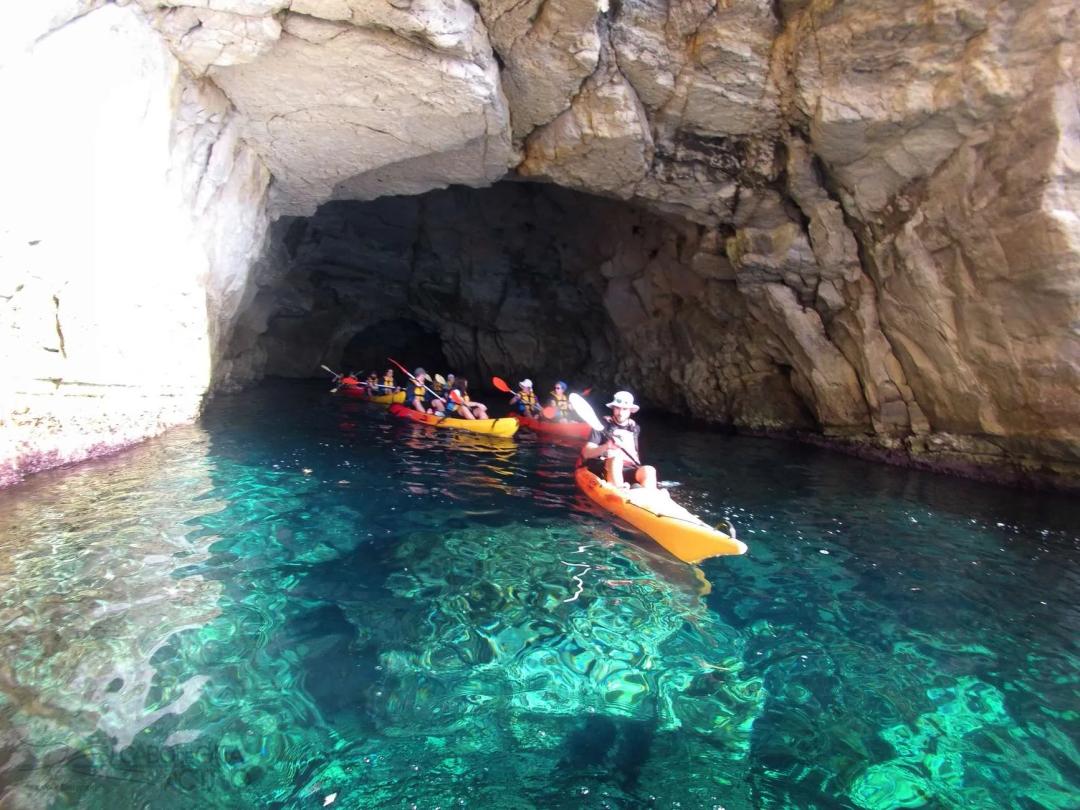
Tabernas Desert
Europe’s only desert and a film legend
The Tabernas Desert is known as “Europe’s Wild West.” Famous for spaghetti western film sets, it also offers striking desert landscapes perfect for adventurous riders.
Highlights
✔️ Visit western film sets like Mini Hollywood
✔️ Ride through desert canyons and badlands
✔️ Stunning scenery used in countless films
✔️ Unique desert ecosystem in Europe
✔️ Great photography location
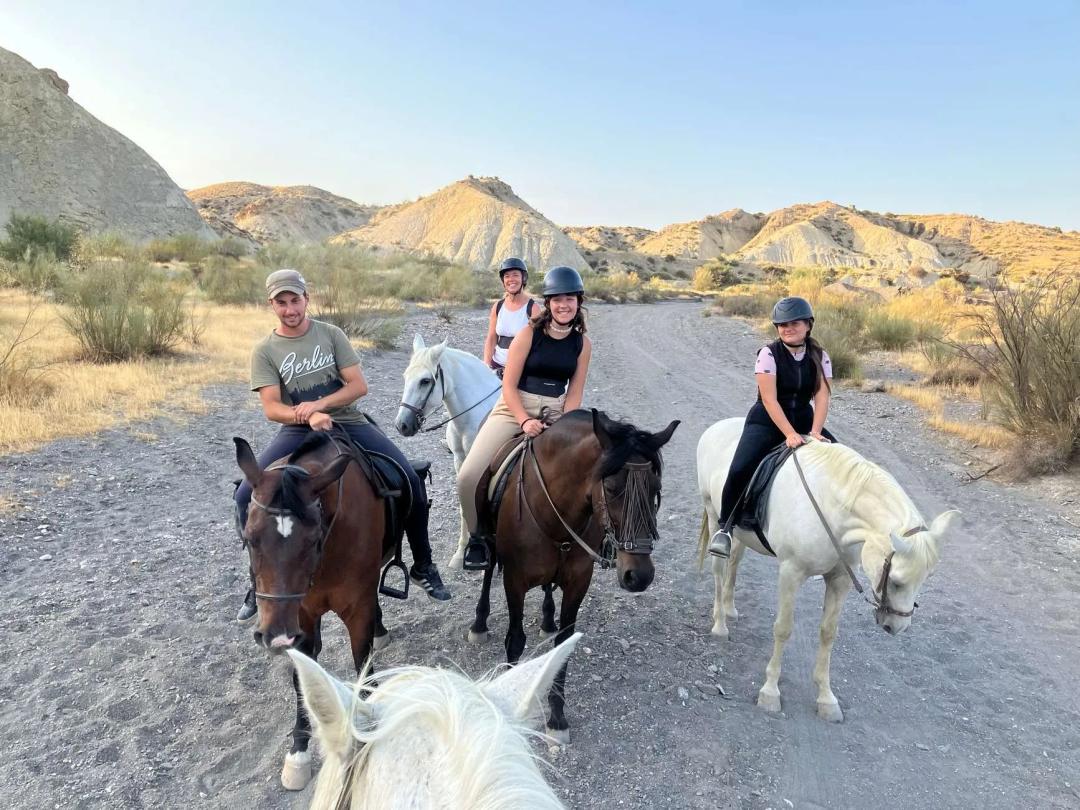
Almería Cathedral
A fortress-cathedral by the sea
Almería’s cathedral is unique, built both as a place of worship and as a fortress against pirate attacks. Its Gothic and Renaissance design makes it a standout landmark in the city.
Highlights
✔️ Admire fortress-like towers and battlements
✔️ Explore Gothic and Renaissance interiors
✔️ Visit cloisters and chapels
✔️ Located in Almería’s old town
✔️ Symbol of the city’s defensive past
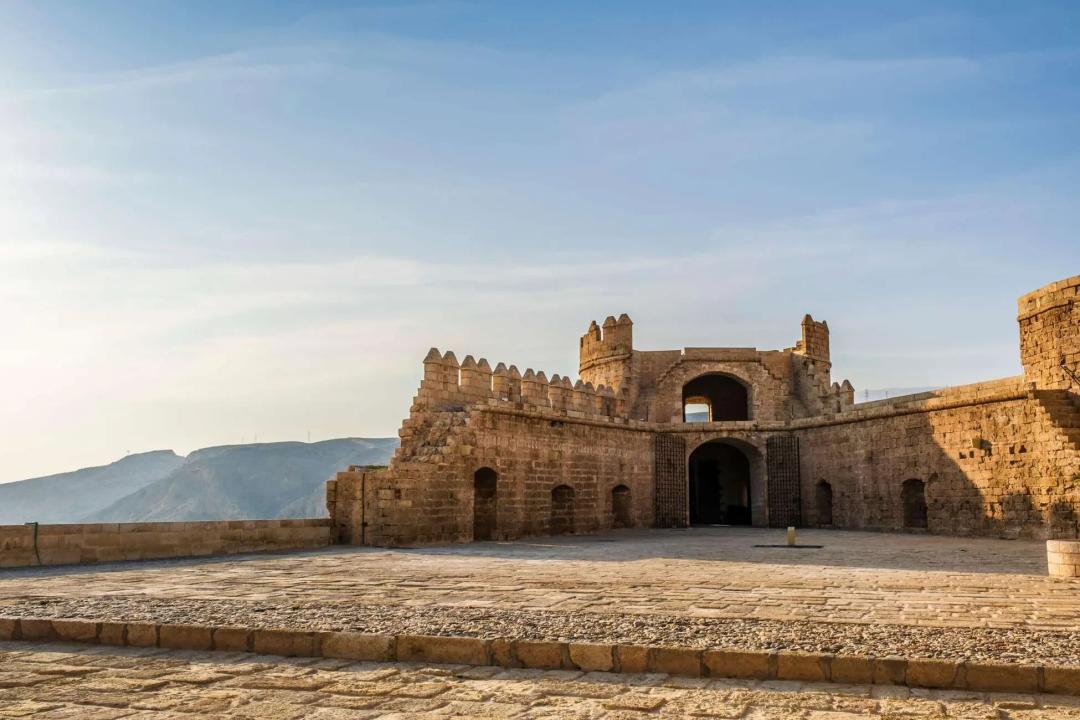
Museum of Almería
Archaeology and history of Andalusia
The Museum of Almería showcases artifacts from prehistoric times to the Islamic period, including treasures from the Bronze Age Los Millares settlement.
Highlights
✔️ Explore exhibits on prehistoric Los Millares
✔️ Roman and Islamic collections
✔️ Modern building with interactive displays
✔️ Great overview of Almería’s history
✔️ Free entry for EU citizens
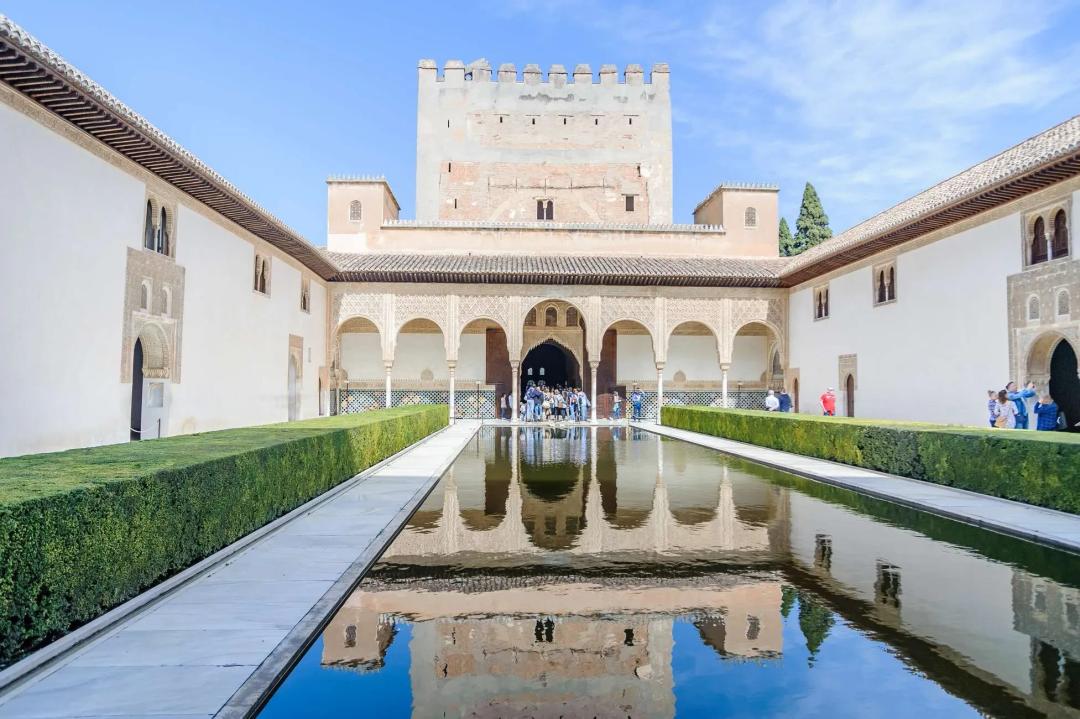
Cable Inglés
Industrial heritage on the waterfront
This striking iron pier was built in the early 20th century to transport minerals from trains to ships. Today, it’s a symbol of Almería’s industrial past and a unique waterfront landmark.
Highlights
✔️ Impressive 20th-century iron structure
✔️ Scenic spot by the port
✔️ Sunset photography location
✔️ Recently restored as a heritage site
✔️ Connection to Almería’s mining history
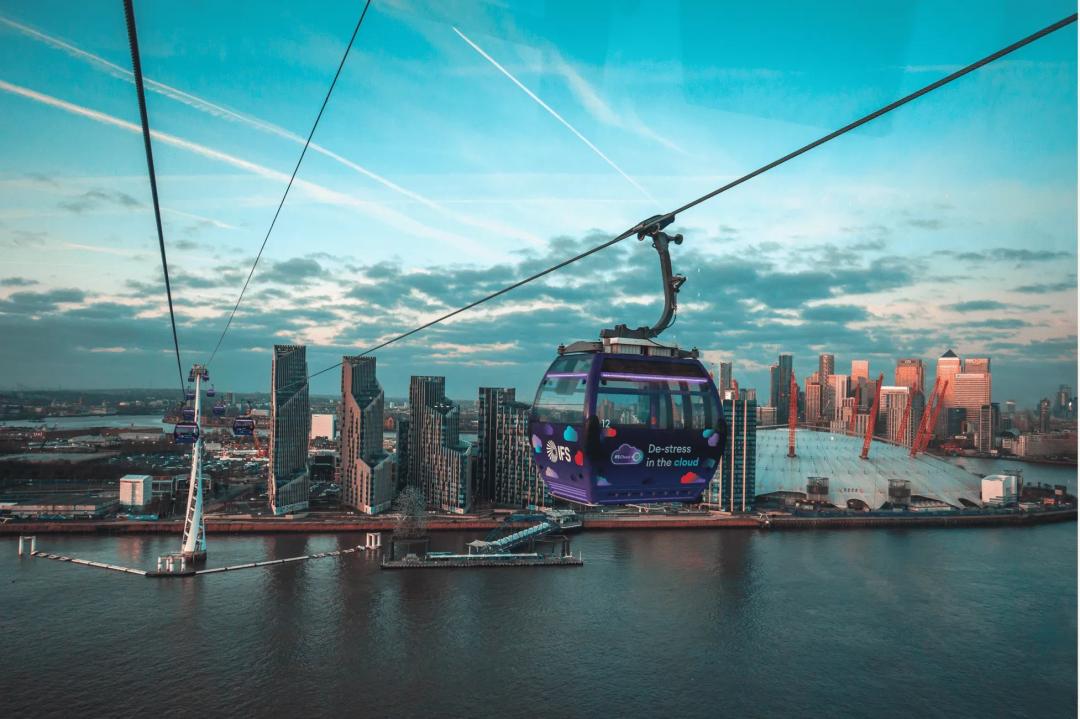
Playa de los Muertos
One of Spain’s most beautiful beaches
Located near Carboneras, Playa de los Muertos is a long, unspoiled beach with crystal-clear waters. Its wild setting makes it one of Spain’s most stunning coastal spots.
Highlights
✔️ Ride coastal roads to reach the beach
✔️ Clear turquoise waters ideal for swimming
✔️ Remote and natural setting
✔️ Popular for photography and nature lovers
✔️ Protected area within Cabo de Gata

Oasys Mini Hollywood
A Wild West theme park in the desert
Built as a movie set for spaghetti westerns, Oasys Mini Hollywood is now a theme park with cowboy shows, saloons, and even a zoo. A fun experience in the Tabernas Desert.
Highlights
✔️ Explore authentic Wild West film sets
✔️ Watch cowboy stunt shows and reenactments
✔️ Visit the on-site zoo with exotic animals
✔️ Learn about Almería’s movie history
✔️ Family-friendly desert attraction

Civil War Shelters of Almería
Underground tunnels from the 1930s
Beneath Almería’s streets lie 4.5 km of tunnels built during the Spanish Civil War to protect civilians from bombings. Guided tours reveal this fascinating piece of 20th-century history.
Highlights
✔️ Walk through underground shelters and tunnels
✔️ Learn about Almería’s role in the Civil War
✔️ Preserved hospital rooms and kitchens
✔️ Unique historical experience in Spain
✔️ Guided visits available year-round
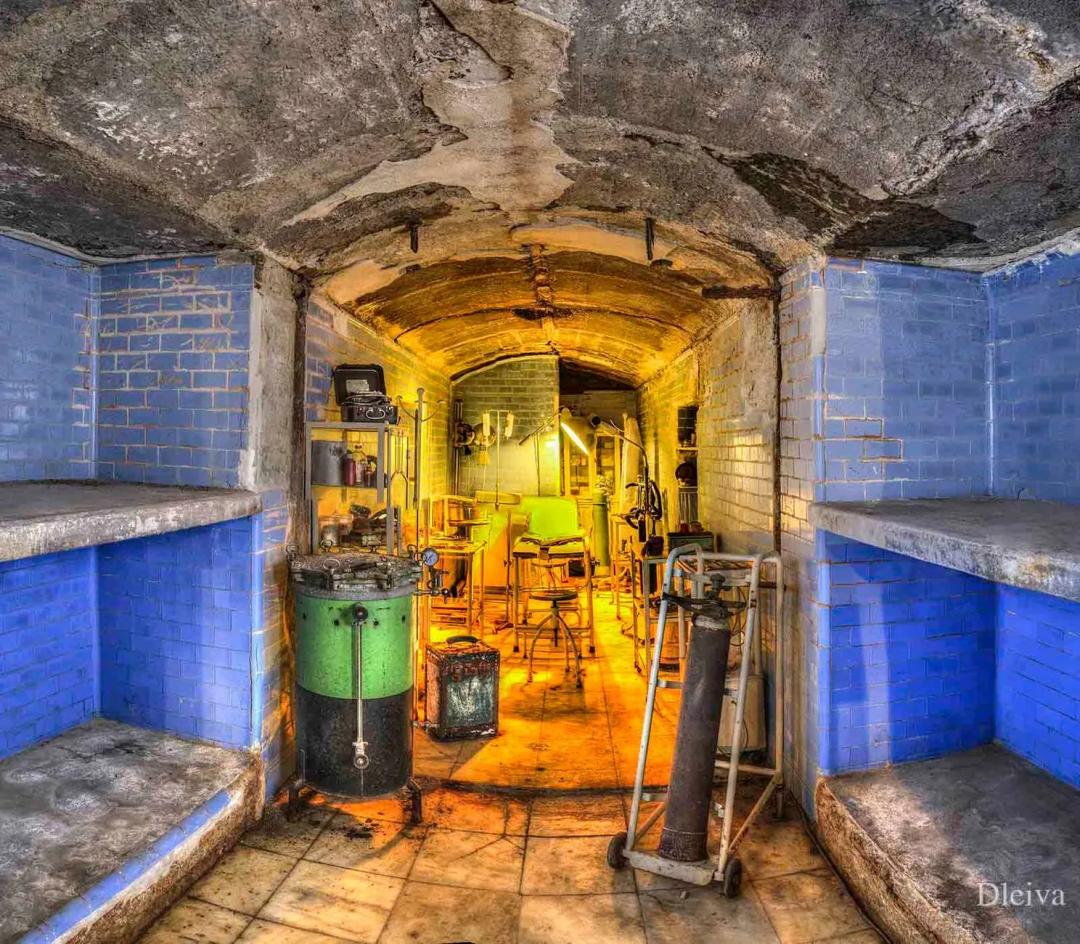
Sierra de los Filabres
Mountain escape near Almería
Just north of Almería, the Sierra de los Filabres offers curvy mountain roads, white villages, and stargazing observatories. It’s a perfect riding escape from the coast.
Highlights
✔️ Ride twisty roads through mountain landscapes
✔️ Visit villages like Serón and Bacares
✔️ Astronomical observatory at Calar Alto
✔️ Stunning panoramic views of the desert below
✔️ Peaceful escape into rural Andalusia
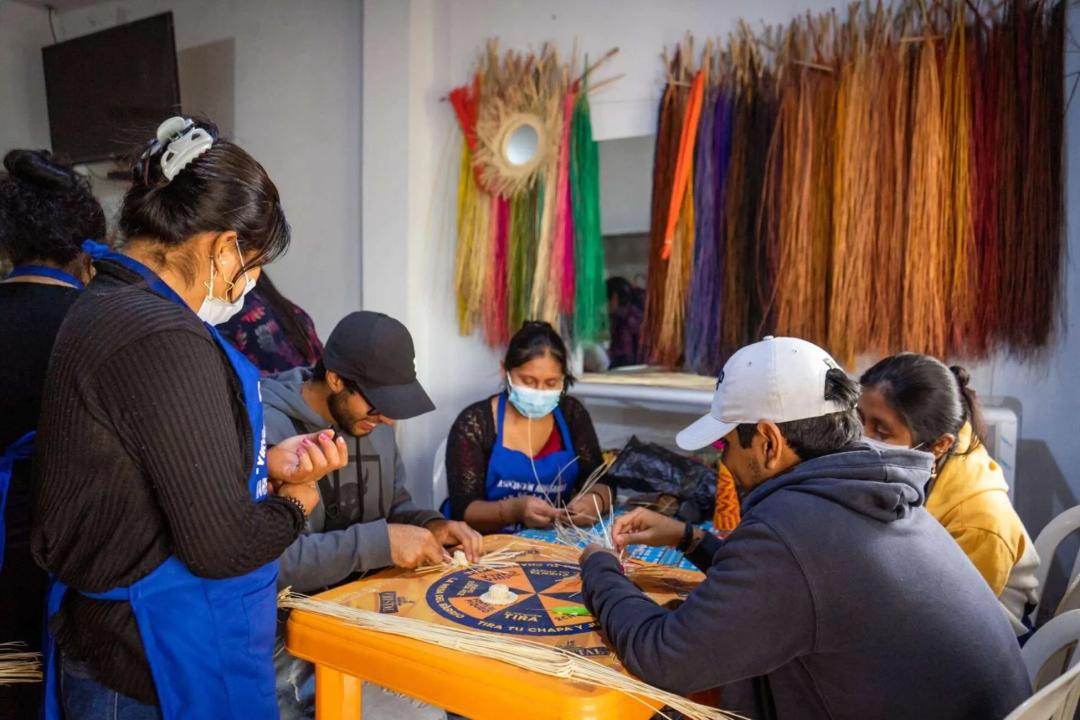
Tarragona Roman Amphitheatre
Ancient arena by the sea
Overlooking the Mediterranean, Tarragona’s Roman Amphitheatre is one of the most striking ancient monuments in Spain. Built in the 2nd century, it once hosted gladiator fights and public spectacles.
Highlights
✔️ Dramatic setting next to the sea
✔️ Explore the remains of the arena and stands
✔️ Learn about Tarragona’s Roman heritage
✔️ Part of the UNESCO-listed Archaeological Ensemble of Tarraco
✔️ One of the city’s most iconic landmarks
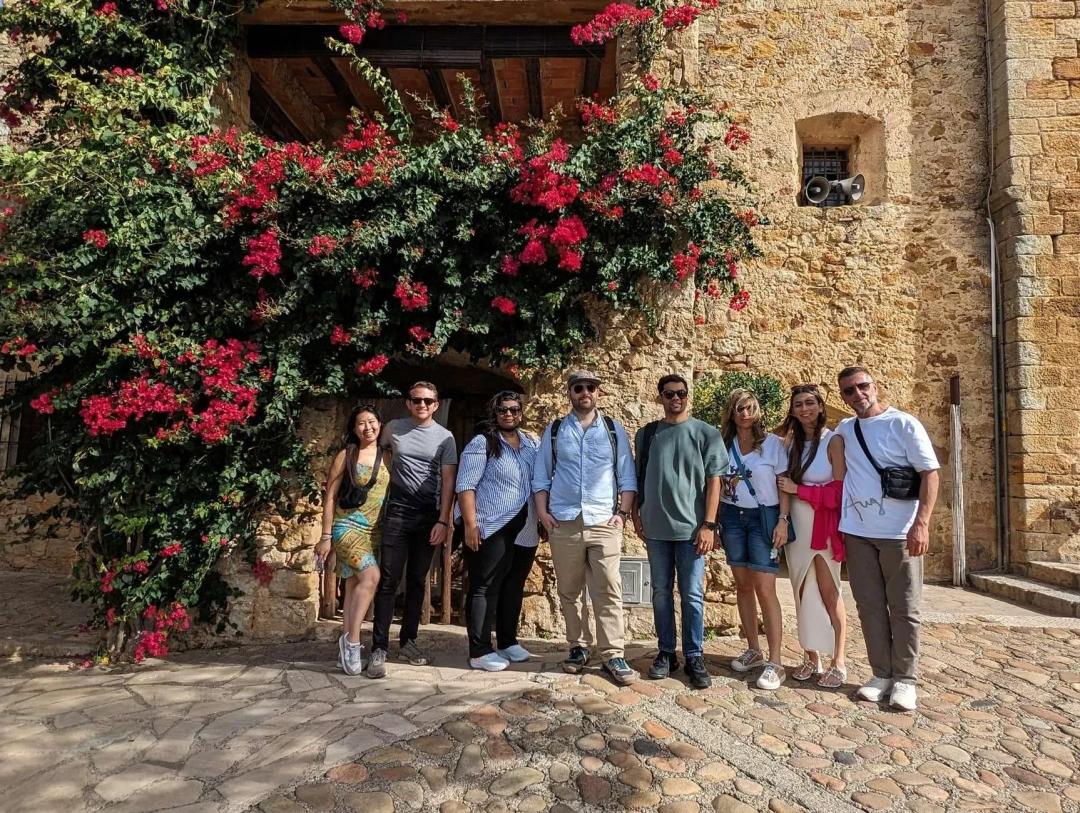
Tarragona Cathedral
A Gothic jewel in the old town
The Cathedral of Santa Tecla crowns Tarragona’s historic quarter. Built on a former Roman temple site, it blends Romanesque and Gothic architecture with richly decorated chapels.
Highlights
✔️ Admire the stunning Gothic rose window
✔️ Explore the peaceful cloisters and museum
✔️ Blend of Romanesque and Gothic styles
✔️ Central landmark in the old quarter
✔️ Atmospheric setting surrounded by narrow streets
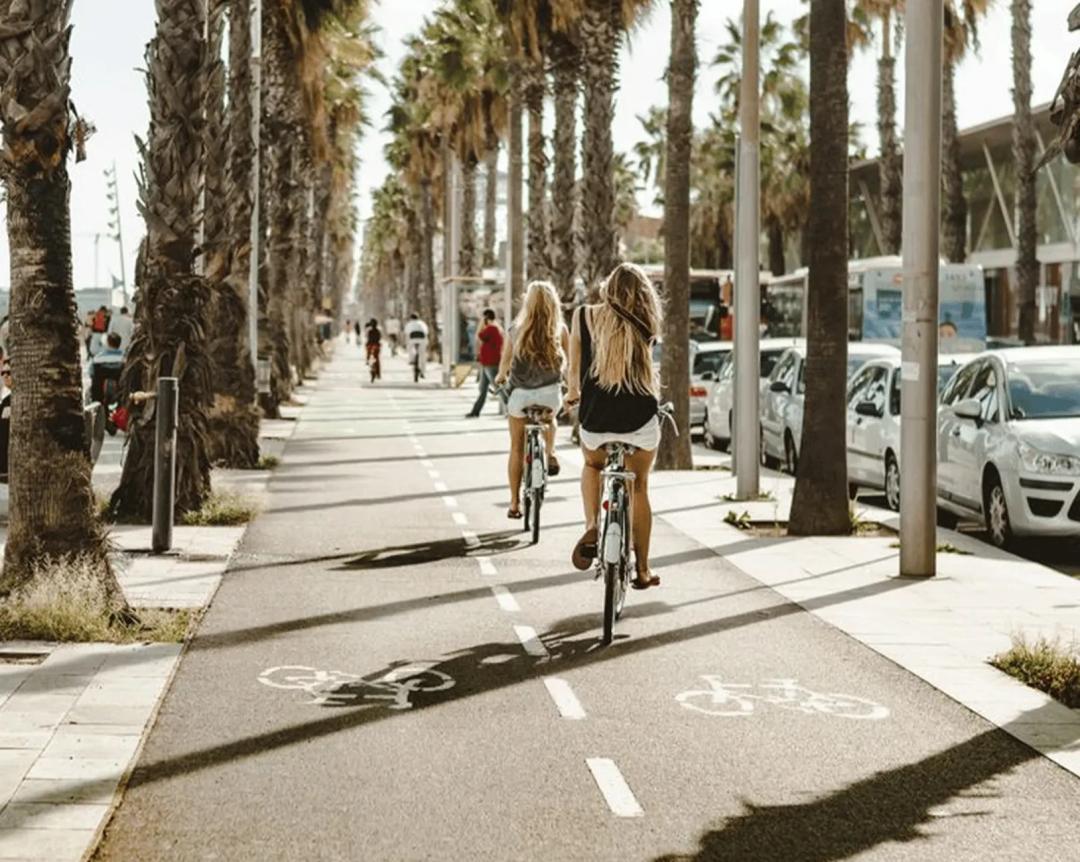
Rambla Nova
Tarragona’s main boulevard
Rambla Nova is the city’s main avenue, lined with shops, restaurants, and cafés. It leads directly to the Balcón del Mediterráneo, making it the heart of modern Tarragona.
Highlights
✔️ Walk the 1-km boulevard from end to end
✔️ Enjoy terraces, tapas, and shopping
✔️ Central hub of city life
✔️ Historic monuments along the avenue
✔️ Connects old town to the seafront
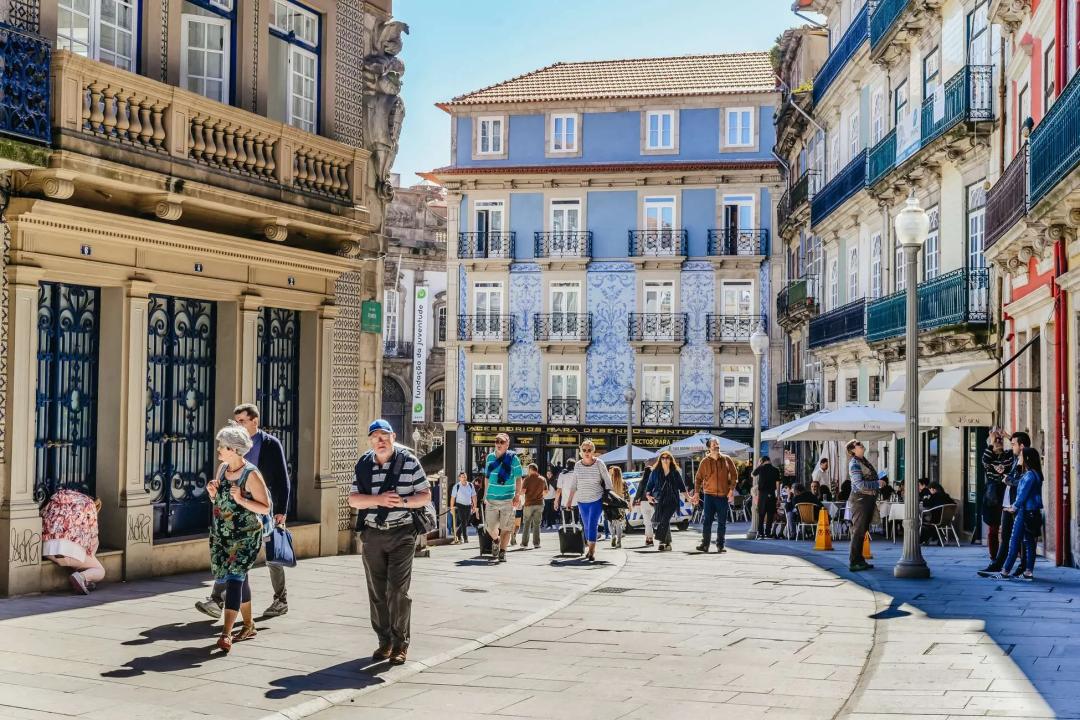
Tarragona Roman Circus
One of the best-preserved in Europe
The Roman Circus once hosted chariot races for 30,000 spectators. Its underground passageways and preserved sections make it one of Europe’s best examples.
Highlights
✔️ Explore preserved underground galleries
✔️ Learn about Roman chariot racing
✔️ Part of Tarragona’s UNESCO World Heritage sites
✔️ Located in the city center near the old town
✔️ Fascinating insight into Roman entertainment
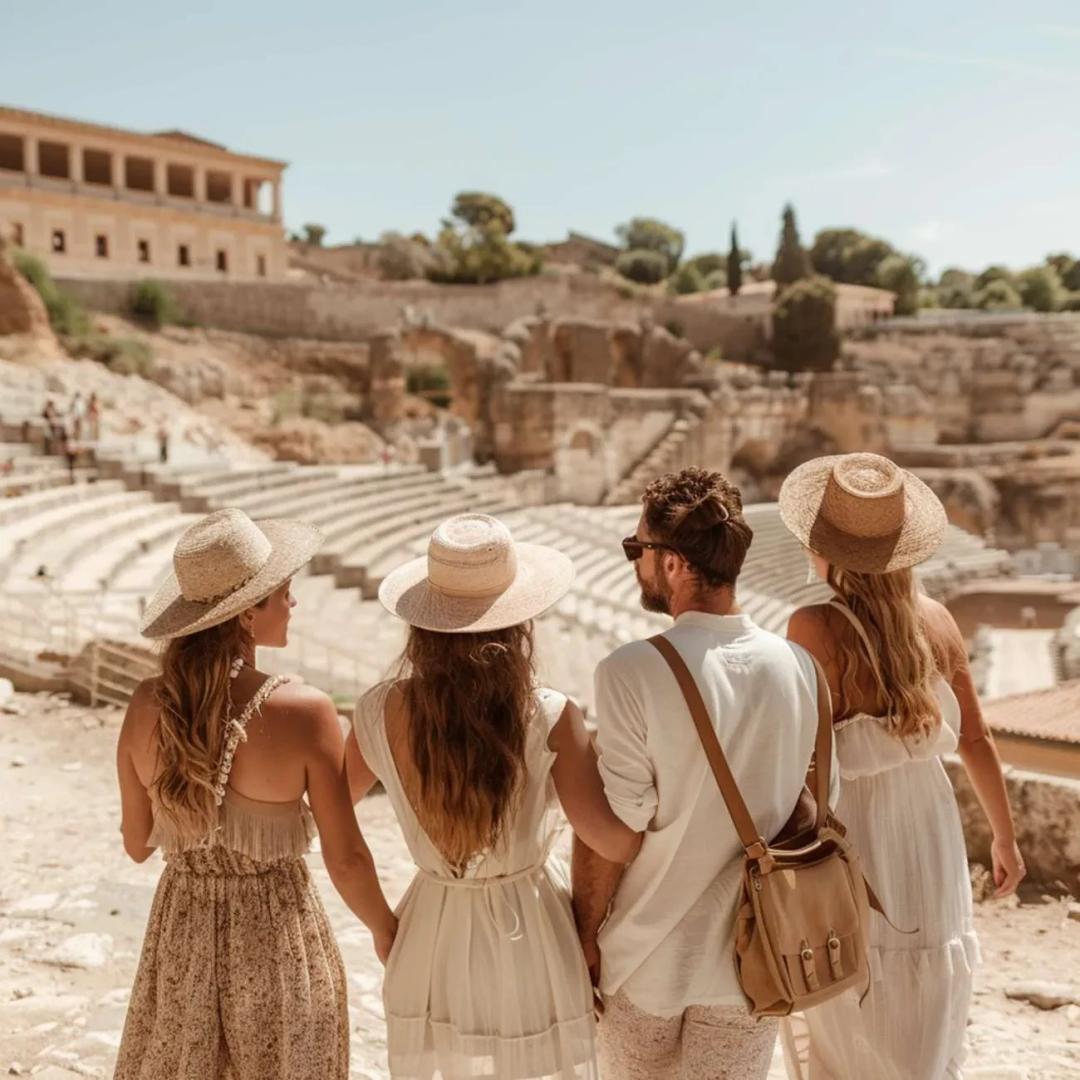
Tarragona Archaeological Museum
Roman treasures of Tarraco
This museum houses mosaics, sculptures, and artifacts from ancient Tarraco, one of Rome’s most important Iberian cities. It’s a must for history lovers.
Highlights
✔️ Stunning Roman mosaics and statues
✔️ Artifacts from daily Roman life
✔️ Educational exhibits about Tarraco
✔️ Great complement to outdoor ruins
✔️ Central location near the amphitheatre
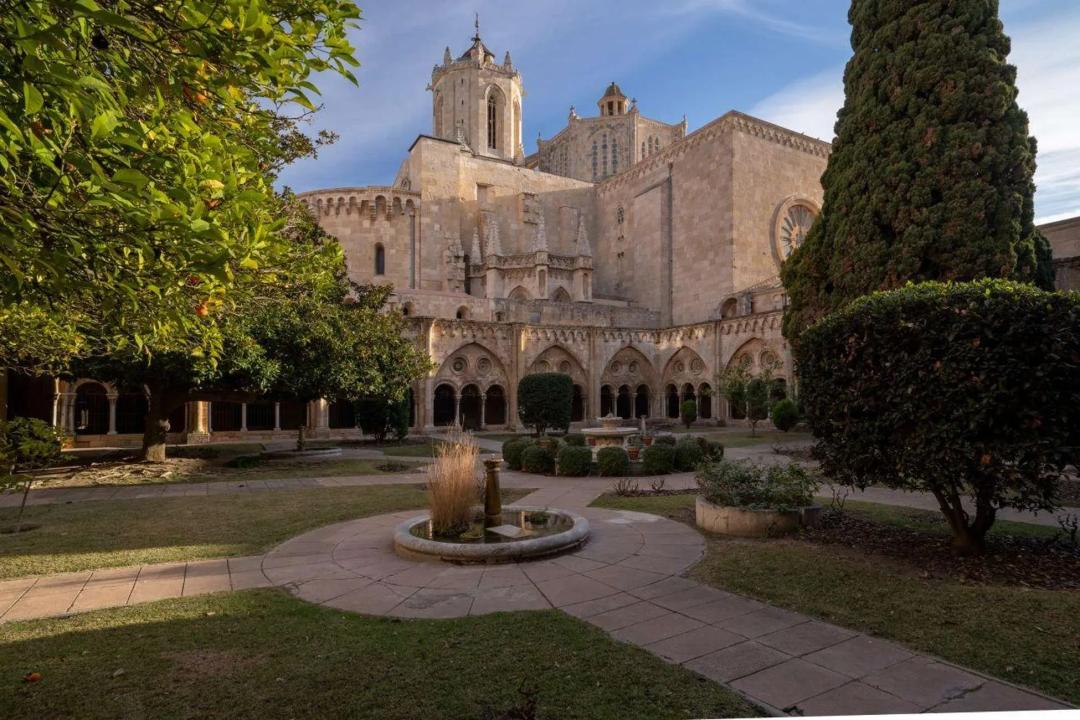
El Serrallo
Tarragona’s authentic fishing quarter
El Serrallo is Tarragona’s traditional fishing district, full of seafood restaurants and maritime charm. It’s the perfect spot to taste the region’s Mediterranean cuisine.
Highlights
✔️ Fresh seafood restaurants by the port
✔️ Authentic fishing heritage and traditions
✔️ Colorful houses and lively atmosphere
✔️ Great place for paella and fideuà
✔️ Easy walk from the city center
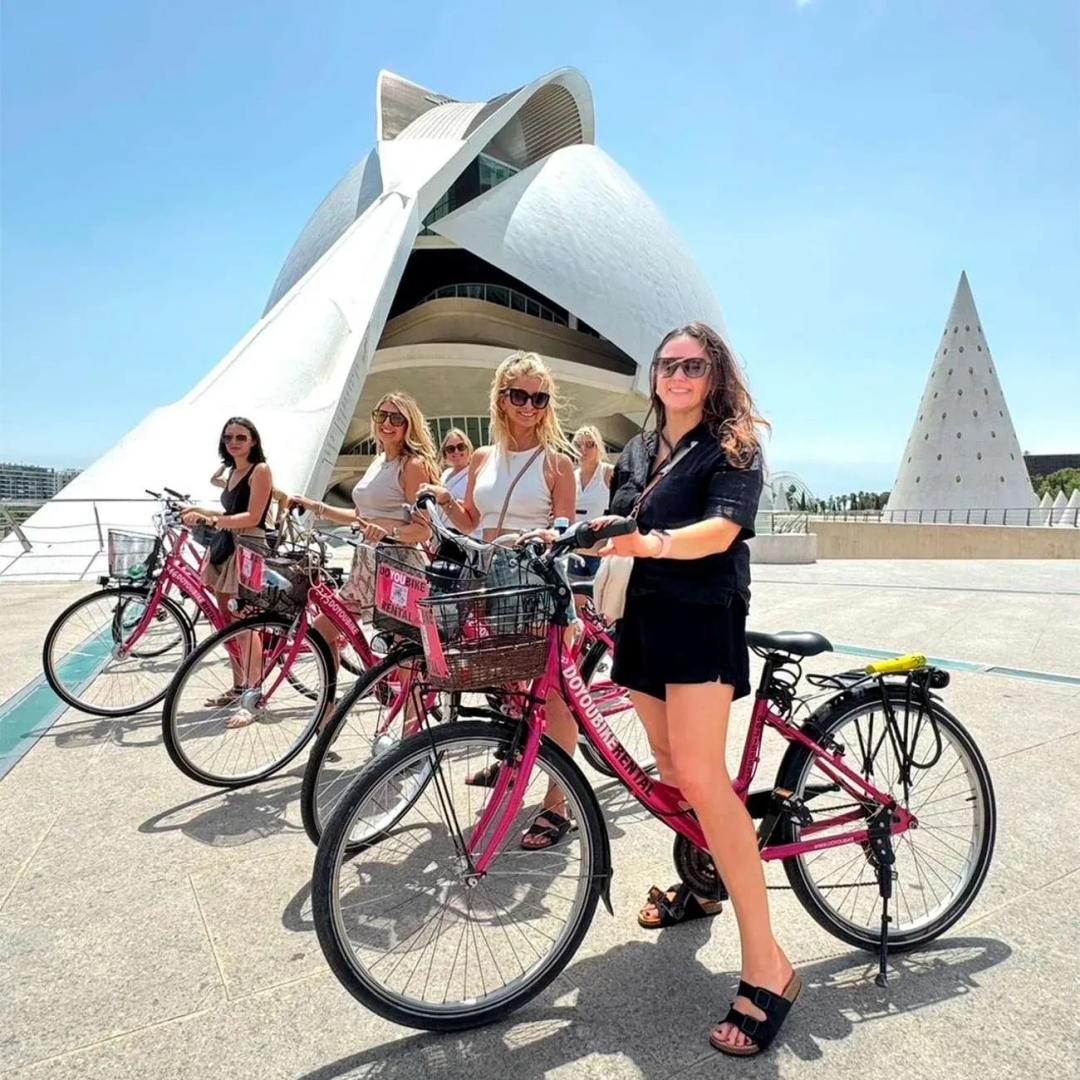
Playa del Miracle
Tarragona’s urban beach
Playa del Miracle is Tarragona’s main city beach, stretching along the seafront below the Balcón del Mediterráneo. Its golden sands are perfect for a relaxing break.
Highlights
✔️ Wide sandy beach near the city center
✔️ Views of the Roman Amphitheatre and port
✔️ Popular with locals and visitors alike
✔️ Palm-lined promenade
✔️ Easy access from Rambla Nova
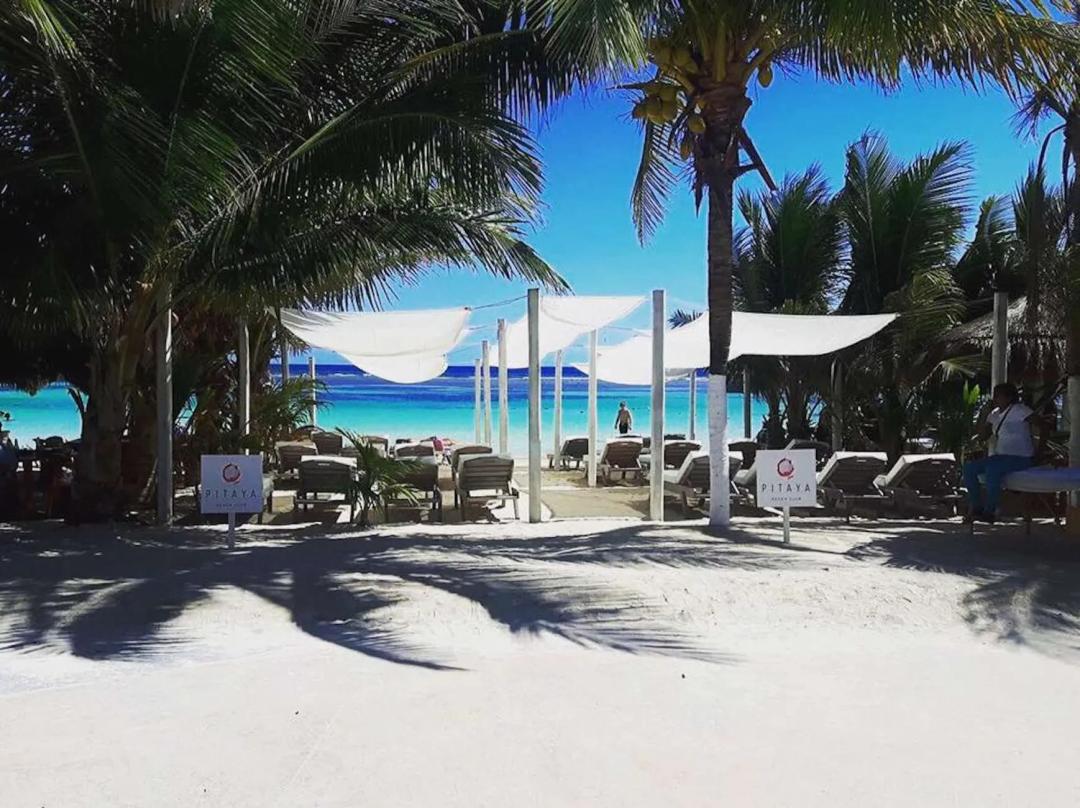
Priorat Wine Region
Scenic ride into Catalonia’s wine country
Just inland from Tarragona, the Priorat region is famous for its powerful red wines and winding vineyard roads. For bikers, it’s a dream combination of curves and culture.
Highlights
✔️ Ride twisty vineyard roads with epic views
✔️ Visit renowned wineries and taste Priorat reds
✔️ Explore villages like Siurana and Gratallops
✔️ UNESCO-protected cultural landscape candidate
✔️ One of Spain’s top wine regions
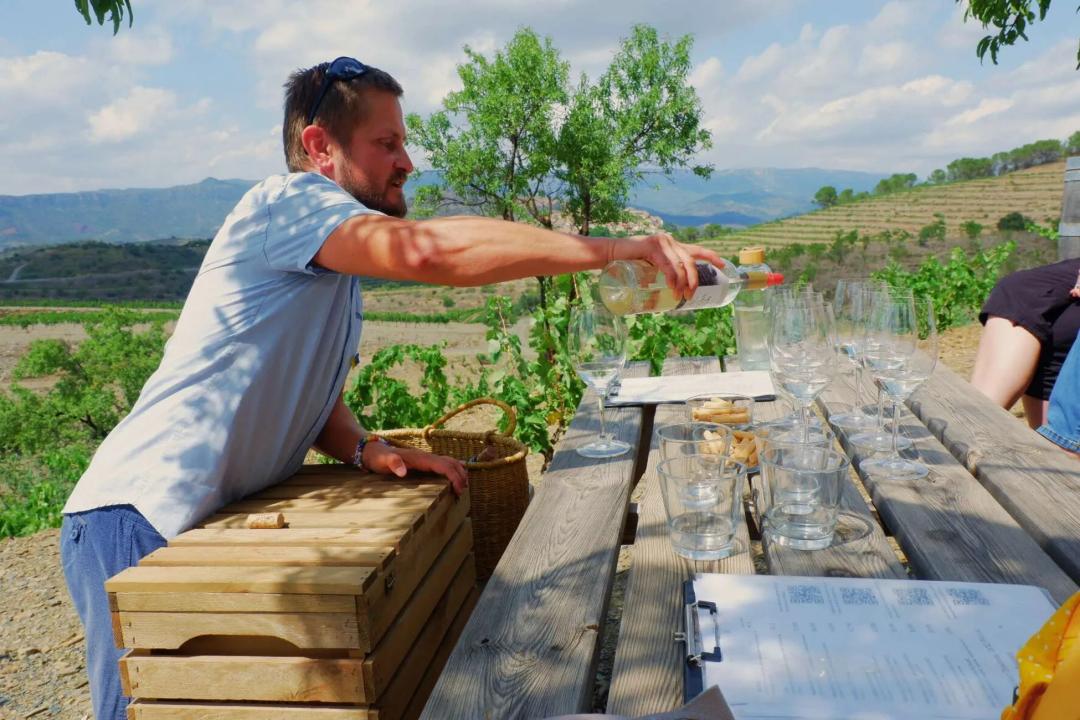
Costa Dorada Ride
Golden beaches and coastal roads
The Costa Dorada, or “Golden Coast,” stretches south from Tarragona with sandy beaches, seaside towns, and coastal roads ideal for a relaxing motorcycle ride.
Highlights
✔️ Ride along coastal routes with sea views
✔️ Visit towns like Cambrils and Salou
✔️ Stop at quiet coves and long sandy beaches
✔️ Taste fresh seafood along the way
✔️ Perfect half-day or full-day ride from Tarragona
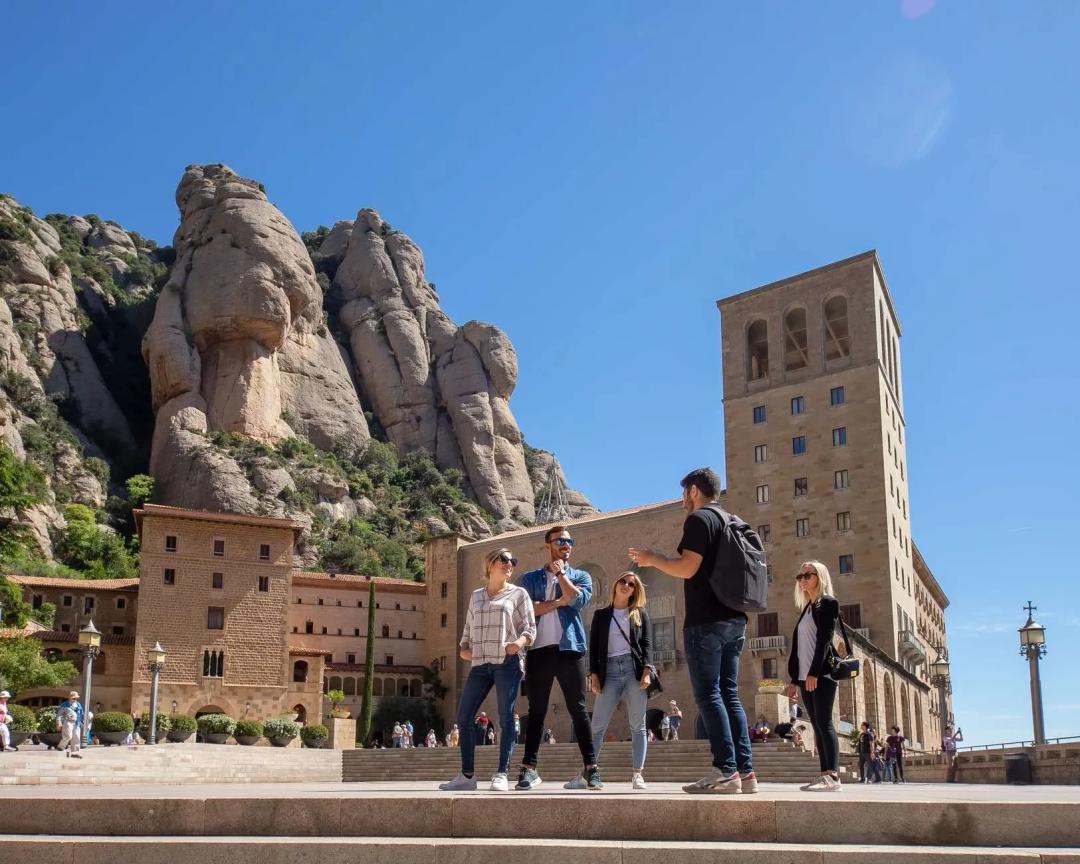
Balcón del Mediterráneo
Tarragona’s panoramic viewpoint
The Balcón del Mediterráneo is a promenade and viewpoint overlooking the sea, the Roman Amphitheatre, and Tarragona’s port. Locals say touching its iron railing brings good luck.
Highlights
✔️ Stunning views over the Mediterranean
✔️ Overlooks Roman Amphitheatre and coastline
✔️ Popular evening stroll for locals and visitors
✔️ Central meeting point in Tarragona
✔️ Scenic photo spot
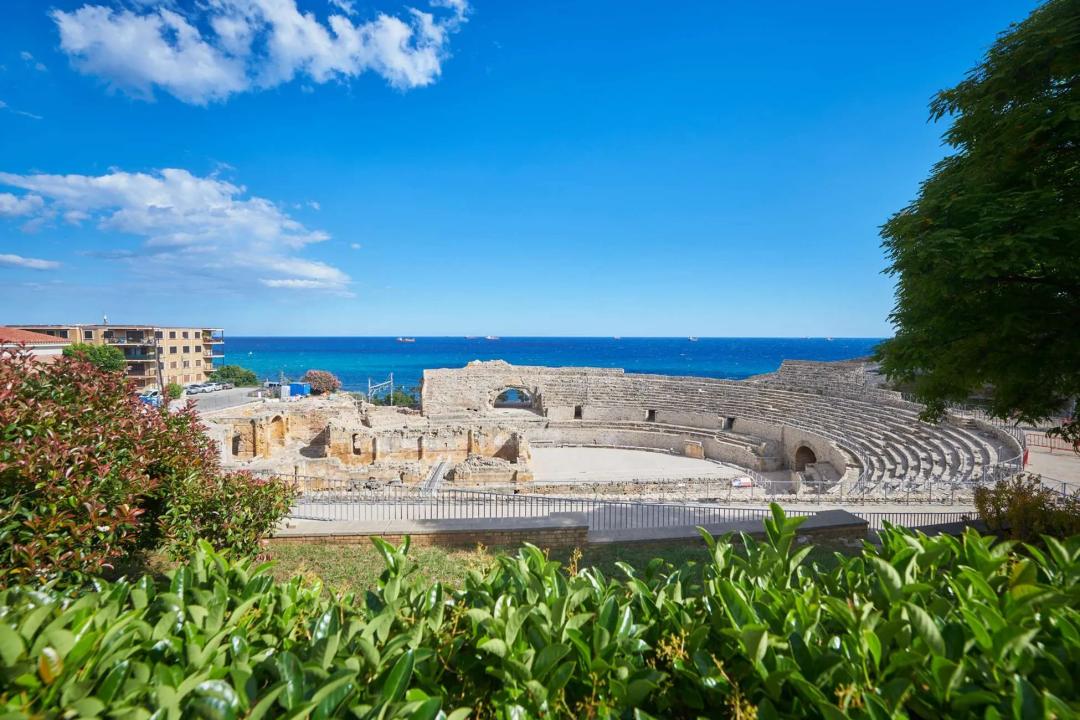
Jewish Quarter of Girona
One of Europe’s best-preserved medieval quarters
The labyrinth of narrow streets in Girona’s El Call is one of the best-preserved Jewish quarters in Europe. Its atmosphere takes visitors back to medieval times.
Highlights
✔️ Wander narrow cobblestone alleys
✔️ Visit the Jewish History Museum
✔️ Discover medieval patios and staircases
✔️ UNESCO-recognized historic site
✔️ Atmospheric, photogenic old town
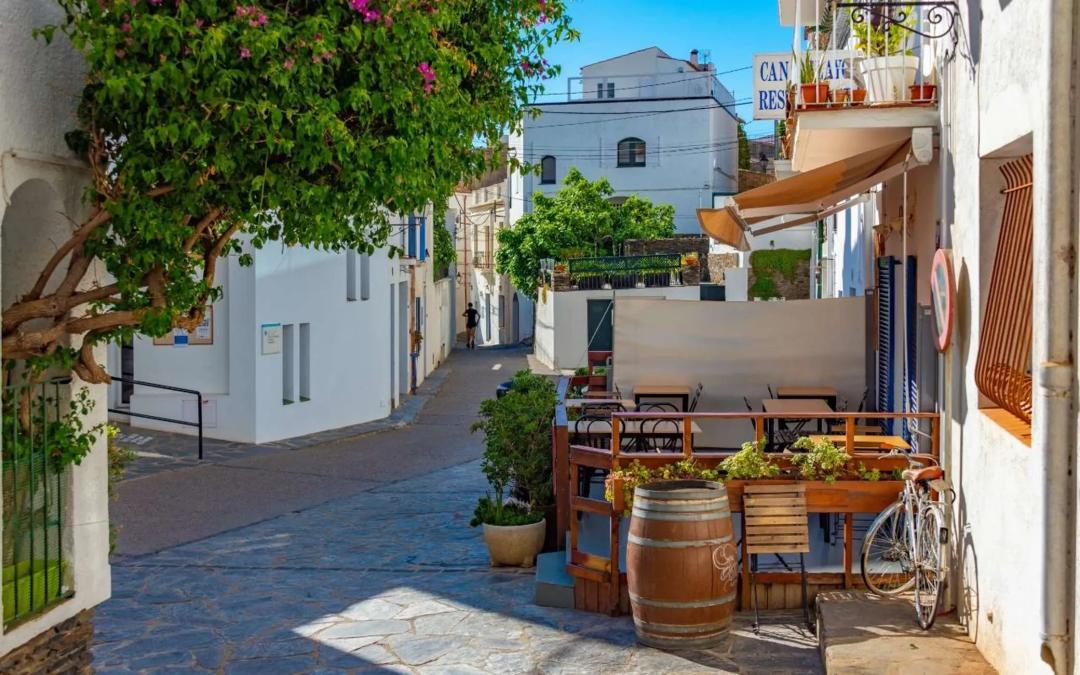
Girona City Walls
Walk medieval ramparts with city views
Girona’s medieval walls, many dating back to Roman times, offer panoramic walks around the city. Restored sections provide fantastic views over the cathedral and surrounding hills.
Highlights
✔️ Walk along restored ramparts and towers
✔️ Panoramic views of Girona and the Pyrenees
✔️ Learn about Roman and medieval defenses
✔️ Peaceful escape from the busy old town
✔️ Free entry, open to visitors year-round
Eiffel Bridge
Girona’s red iron bridge by Gustave Eiffel
This bright red iron bridge was designed by Gustave Eiffel before the Eiffel Tower. Crossing the Onyar River, it frames Girona’s colorful riverside houses.
Highlights
✔️ Iconic red iron structure over the Onyar River
✔️ Designed by Gustave Eiffel in 1877
✔️ Perfect photo spot of Girona’s colorful façades
✔️ Links the old town with the modern city
✔️ Central pedestrian landmark
Plaça de la Independència
Girona’s lively main square
Plaça de la Independència is Girona’s central square, lined with neoclassical buildings and busy with cafés and restaurants. It’s a favorite spot for both locals and visitors.
Highlights
✔️ Central meeting point in Girona
✔️ Lively terraces and restaurants
✔️ Surrounded by elegant 19th-century façades
✔️ Popular for events and festivals
✔️ Great place to relax after sightseeing
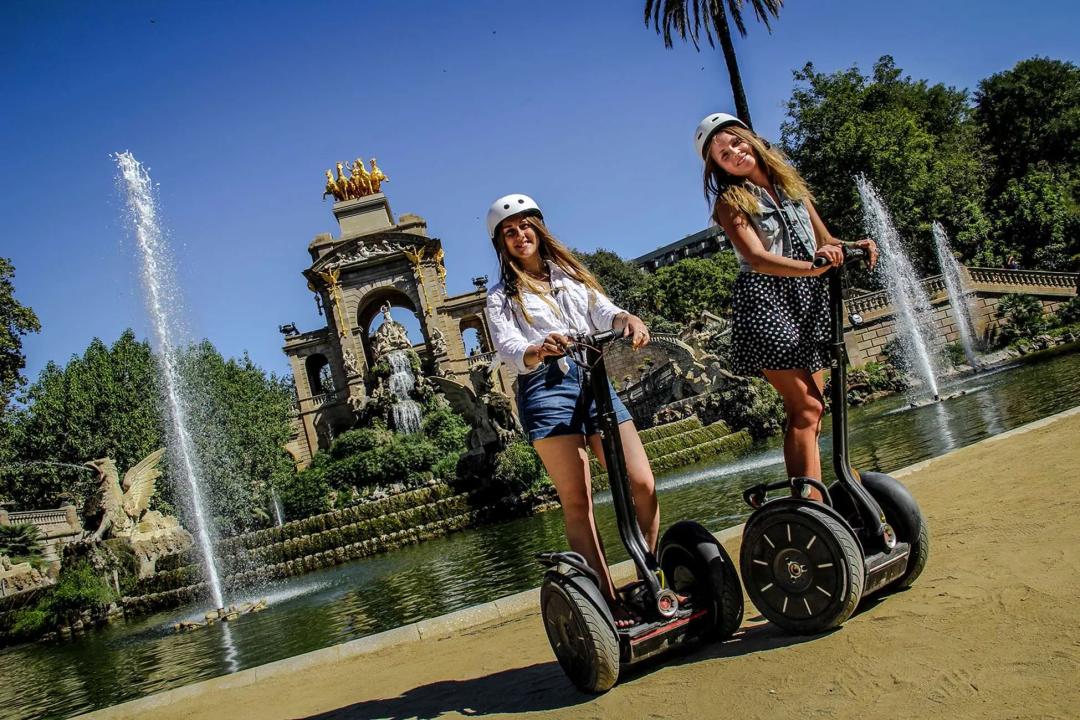
Girona Art Museum
Art spanning centuries in a historic palace
Housed in the former Episcopal Palace, the Girona Art Museum displays collections from Romanesque art to contemporary works, offering a journey through Catalonia’s cultural history.
Highlights
✔️ Romanesque and Gothic masterpieces
✔️ Works from the Renaissance to modern times
✔️ Housed in a historic palace by the cathedral
✔️ Educational and cultural exhibitions
✔️ Key museum in northern Catalonia
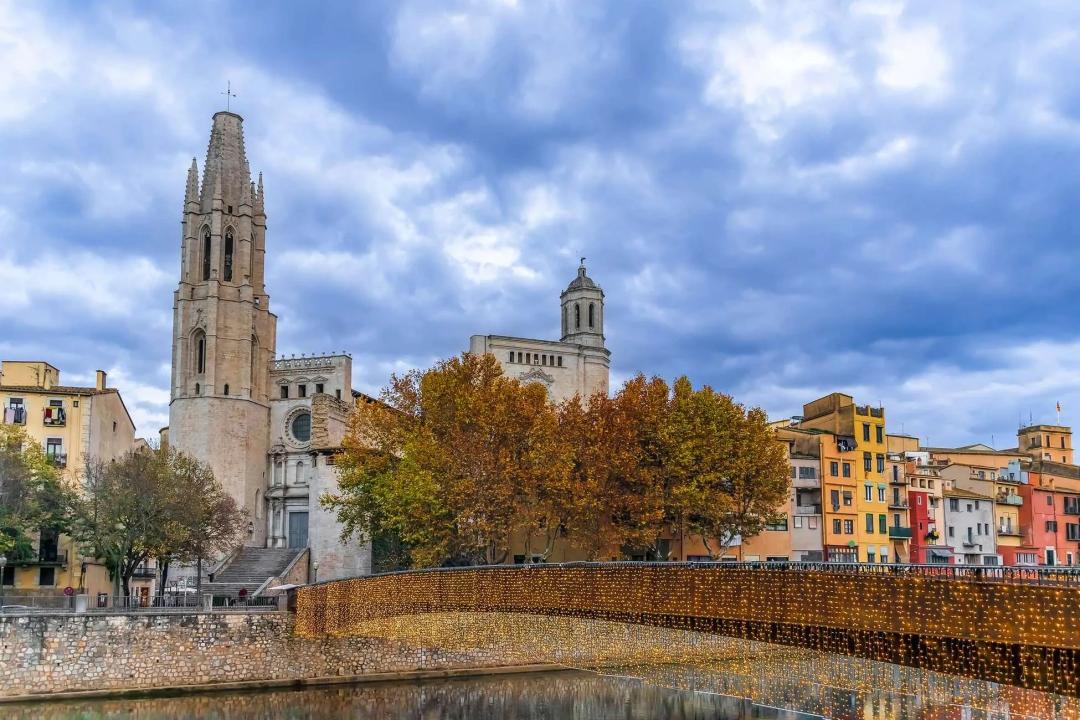
Costa Brava Ride
Legendary coastal roads from Girona
Just outside Girona, the Costa Brava offers some of Europe’s most famous coastal motorcycle roads. Winding curves, cliffside views, and fishing villages make it an unforgettable ride.
Highlights
✔️ Ride the epic Tossa de Mar – Sant Feliu coastal road
✔️ Stop at beaches like Platja d’Aro and Calella de Palafrugell
✔️ Visit medieval Begur and its castle
✔️ Scenic cliffs and turquoise coves
✔️ One of Spain’s most famous biker routes
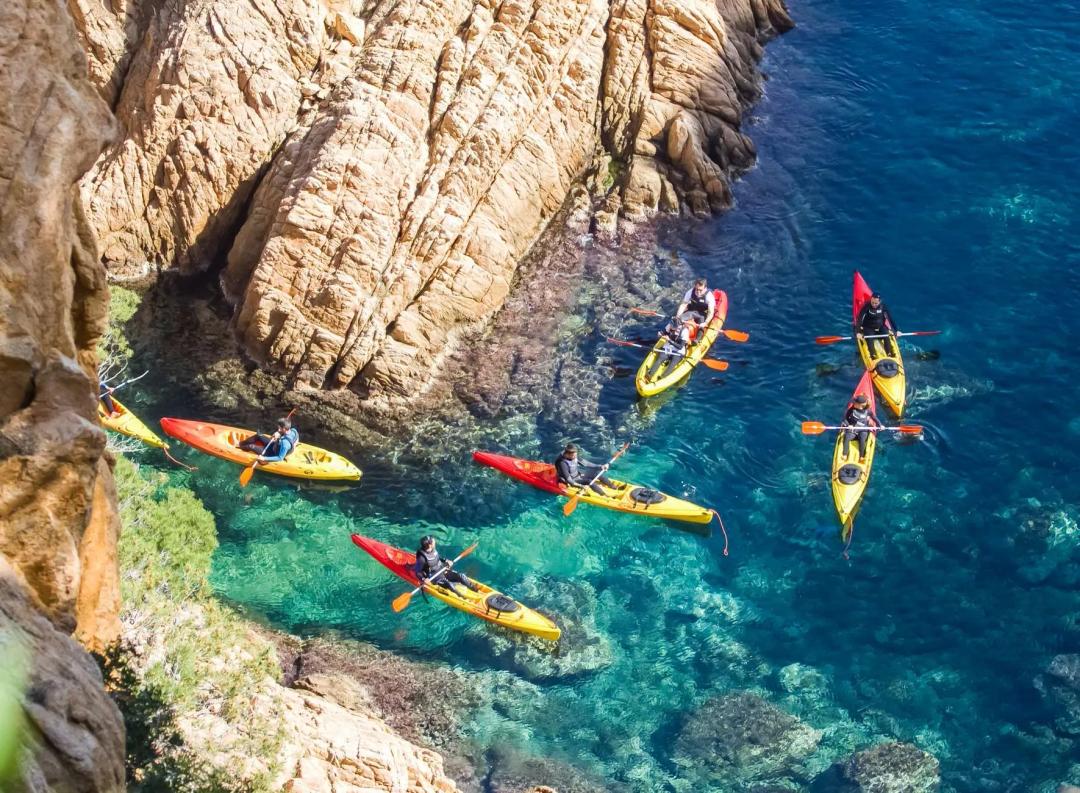
Game of Thrones in Girona
Walk through King’s Landing and Braavos
Girona was used extensively as a filming location for Game of Thrones. Fans can explore streets and monuments that appeared as parts of King’s Landing and Braavos.
Highlights
✔️ Visit cathedral steps seen in season 6
✔️ Explore medieval alleys used for Braavos
✔️ Guided tours available for fans
✔️ Mix of real history and TV fantasy
✔️ Popular cultural attraction in Girona
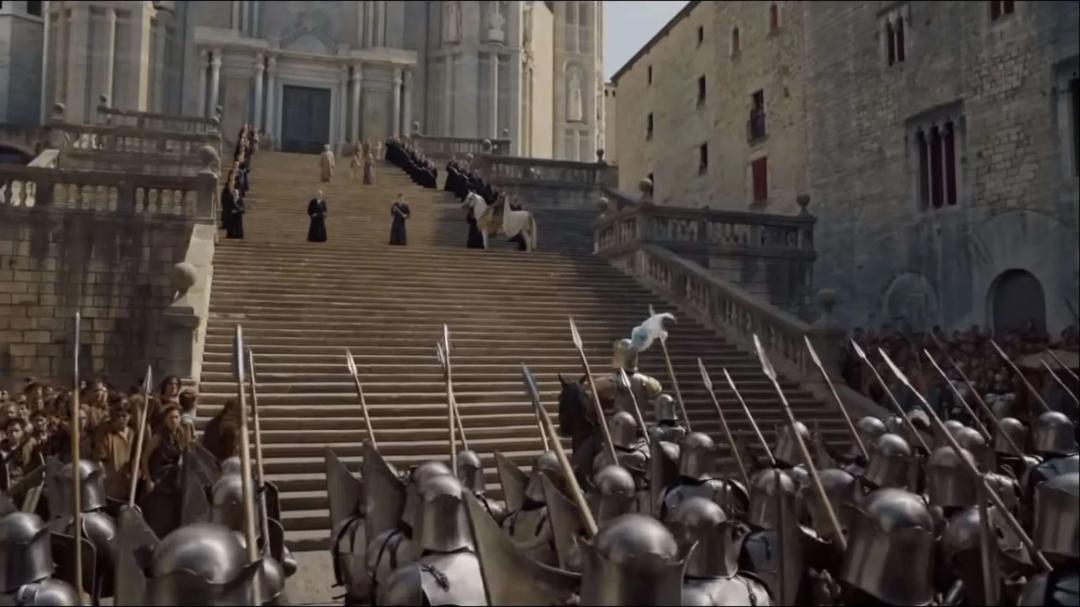
Girona Cathedral
A Gothic giant with the widest nave in the world
The Cathedral of Santa Maria dominates Girona’s skyline with its monumental staircase and vast Gothic nave, the widest of its kind worldwide. It’s also a famous Game of Thrones filming location.
Highlights
✔️ Climb the 90-step staircase to the cathedral entrance
✔️ See the Gothic nave and Romanesque cloister
✔️ Admire the Tapestry of Creation inside
✔️ Recognizable Game of Thrones filming spot
✔️ Icon of Girona’s old town
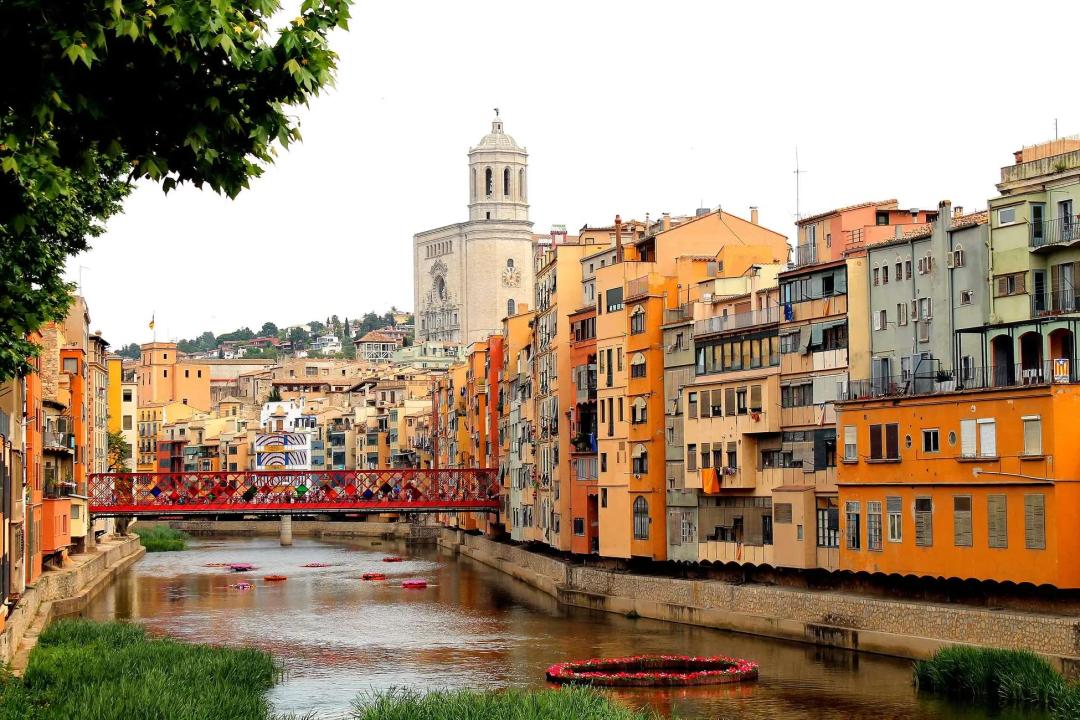
Arab Baths of Girona
Medieval baths inspired by Roman and Moorish styles
The 12th-century Arab Baths are a small but beautifully preserved bathhouse, inspired by Roman and Islamic architecture. They showcase Girona’s multicultural history.
Highlights
✔️ Explore Romanesque architecture with Moorish influence
✔️ Visit the domed central hall with columns
✔️ Learn about medieval bathing rituals
✔️ Great photo spot in the old town
✔️ Quick but fascinating stop
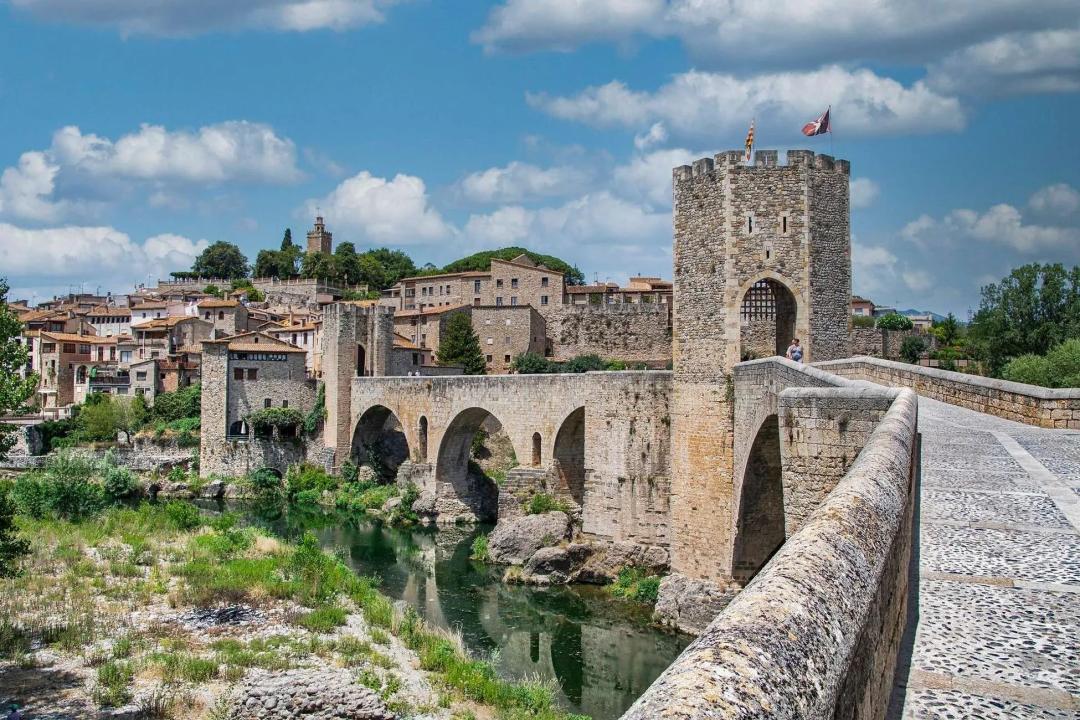
Pyrenees Ride from Girona
Mountain passes and twisty roads nearby
Girona is also a gateway to the Pyrenees, with countless mountain passes and scenic valleys just a short ride away. It’s a paradise for bikers seeking curves and elevation.
Highlights
✔️ Ride mountain passes like Coll d’Ares or Vallter 2000
✔️ Stop in villages like Camprodon and Setcases
✔️ Panoramic views of the Pyrenees
✔️ Perfect combination of sea and mountain rides
✔️ Endless twisties for motorcycling enthusiasts
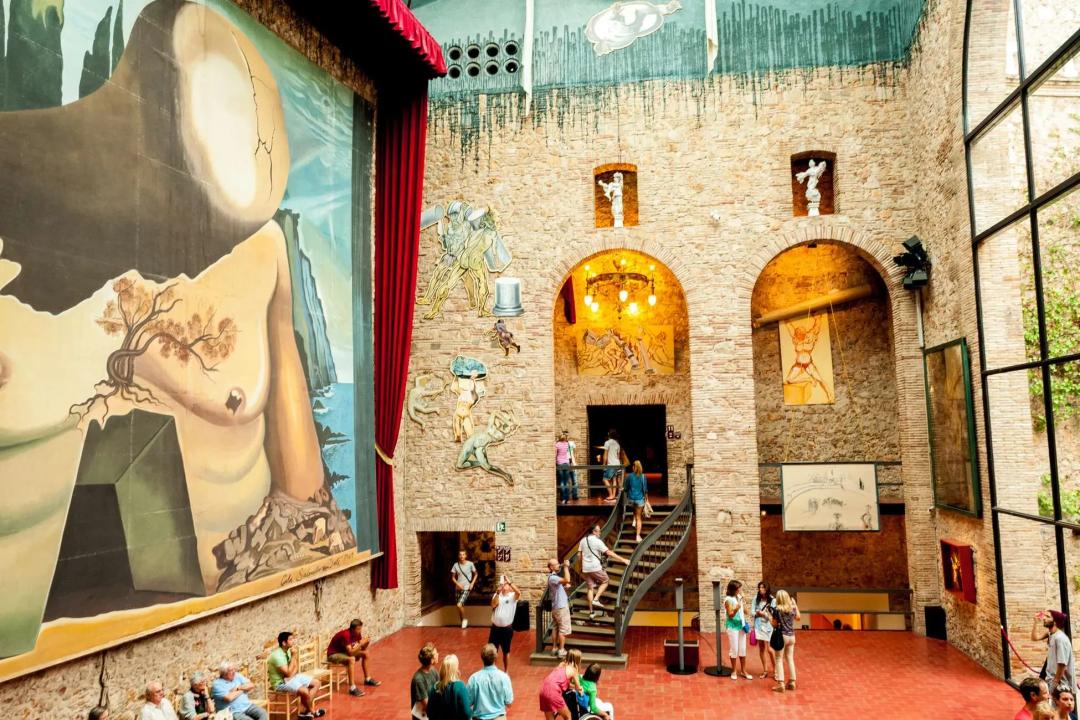
León Cathedral
Spain’s “House of Light”
The Gothic Cathedral of León is famous for its stunning stained-glass windows, which bathe the interior in colorful light. Built in the 13th century, it’s one of Spain’s finest Gothic landmarks.
Highlights
✔️ Admire over 1,800 m² of stained glass
✔️ Explore ornate chapels and altars
✔️ Visit the cathedral museum with medieval treasures
✔️ Icon of the Camino de Santiago route
✔️ Nicknamed the “House of Light”
Basílica de San Isidoro
Romanesque treasure and royal pantheon
The Basílica de San Isidoro is one of Spain’s greatest Romanesque monuments, known for its frescoed Royal Pantheon, often called the “Sistine Chapel of Romanesque art.”
Highlights
✔️ See the beautifully preserved frescoes in the Royal Pantheon
✔️ Visit the collegiate church and museum
✔️ Burial site of León’s medieval kings
✔️ Key stop on the Camino de Santiago
✔️ Romanesque masterpiece in northern Spain
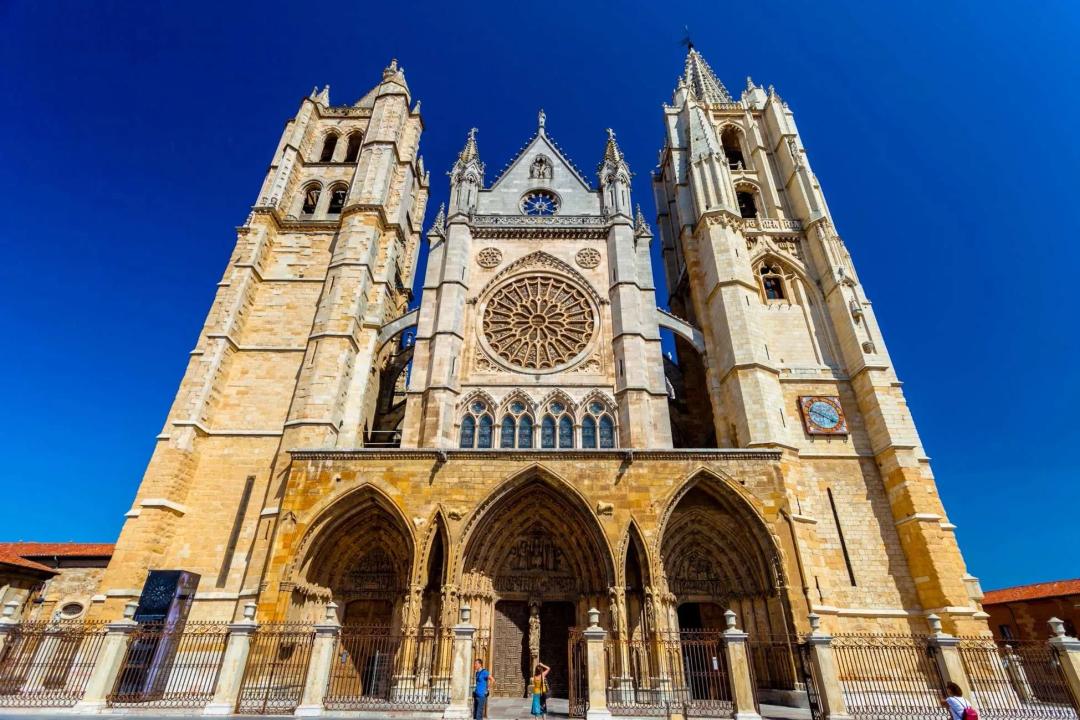
Convento de San Marcos
Plateresque monastery turned Parador hotel
Once a monastery and pilgrim hospital, San Marcos is now a luxury Parador hotel. Its grand Plateresque façade and cloisters are among León’s most impressive landmarks.
Highlights
✔️ Admire one of Spain’s finest Renaissance façades
✔️ Explore cloisters and chapels inside
✔️ Stay overnight in the Parador hotel
✔️ Historic role as a pilgrim hostel on the Camino
✔️ Stunning mix of history and hospitality
Barrio Húmedo
León’s tapas and nightlife district
The Barrio Húmedo is León’s old-town tapas quarter, buzzing with bars and restaurants. It’s one of Spain’s best places for a tapas crawl.
Highlights
✔️ Enjoy free tapas with drinks
✔️ Lively atmosphere day and night
✔️ Narrow streets filled with bars and taverns
✔️ Authentic León gastronomy (morcilla, cecina)
✔️ Perfect for socializing after a day’s ride
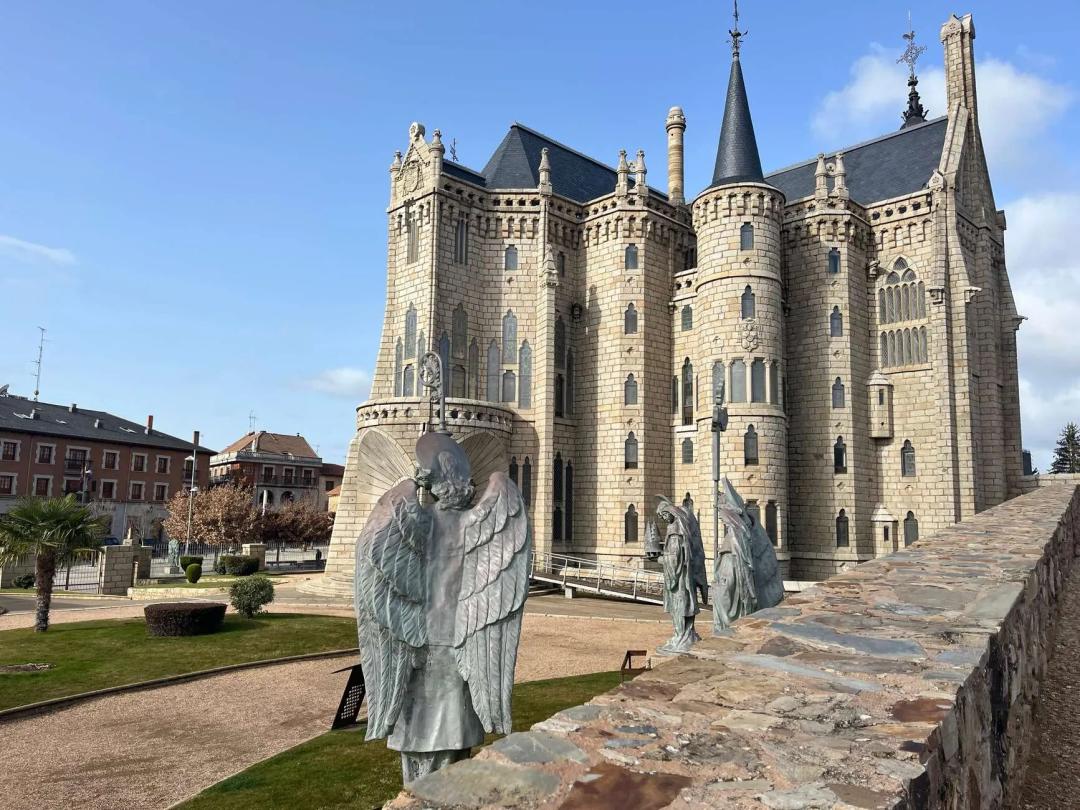
MUSAC León
Striking contemporary art museum
The MUSAC is León’s modern landmark, known for its colorful glass façade inspired by the cathedral’s stained glass. It houses cutting-edge contemporary art exhibitions.
Highlights
✔️ Bold architecture with multicolored panels
✔️ Contemporary exhibitions from Spanish and international artists
✔️ Cultural hub of modern León
✔️ Contrast to the city’s medieval heritage
✔️ One of Spain’s leading art museums
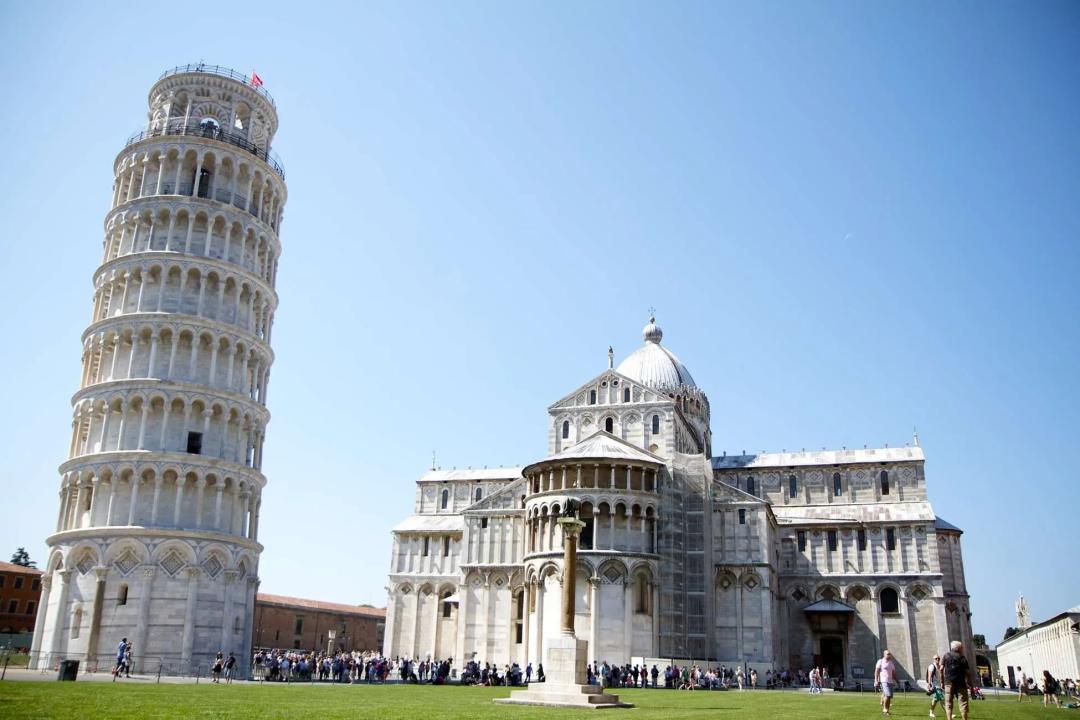
Plaza Mayor de León
Baroque square in the old town
León’s Plaza Mayor is a picturesque Baroque square lined with arcades, shops, and cafés. It’s a lively meeting place, especially during market days.
Highlights
✔️ Admire Baroque architecture and arcades
✔️ Weekly markets with local products
✔️ Outdoor terraces and cafés
✔️ Central hub of old-town life
✔️ Great photo stop in León
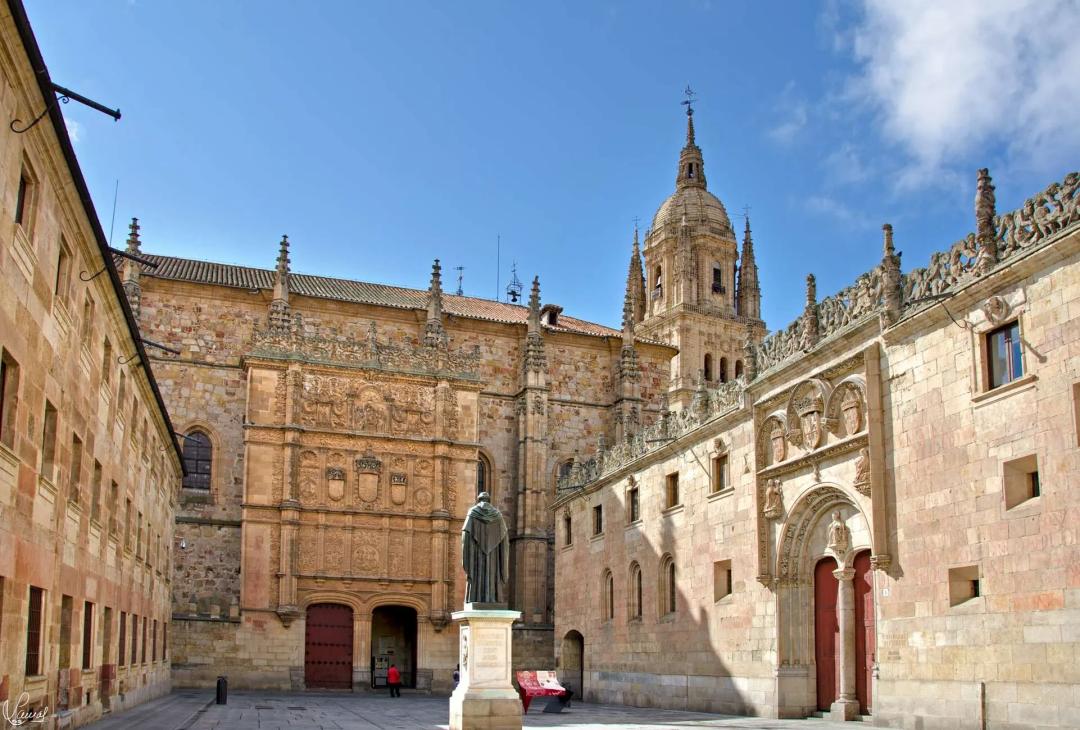
Picos de Europa Ride from León
Mountain adventure on the city’s doorstep
From León, riders can reach the Picos de Europa via scenic roads and mountain passes. The route to Riaño and beyond is one of northern Spain’s most epic day rides.
Highlights
✔️ Ride twisty mountain roads through dramatic scenery
✔️ Stop at Riaño with its lake and viewpoints
✔️ Explore mountain villages like Posada de Valdeón
✔️ Gateway to the Picos de Europa National Park
✔️ One of Spain’s top motorcycle routes
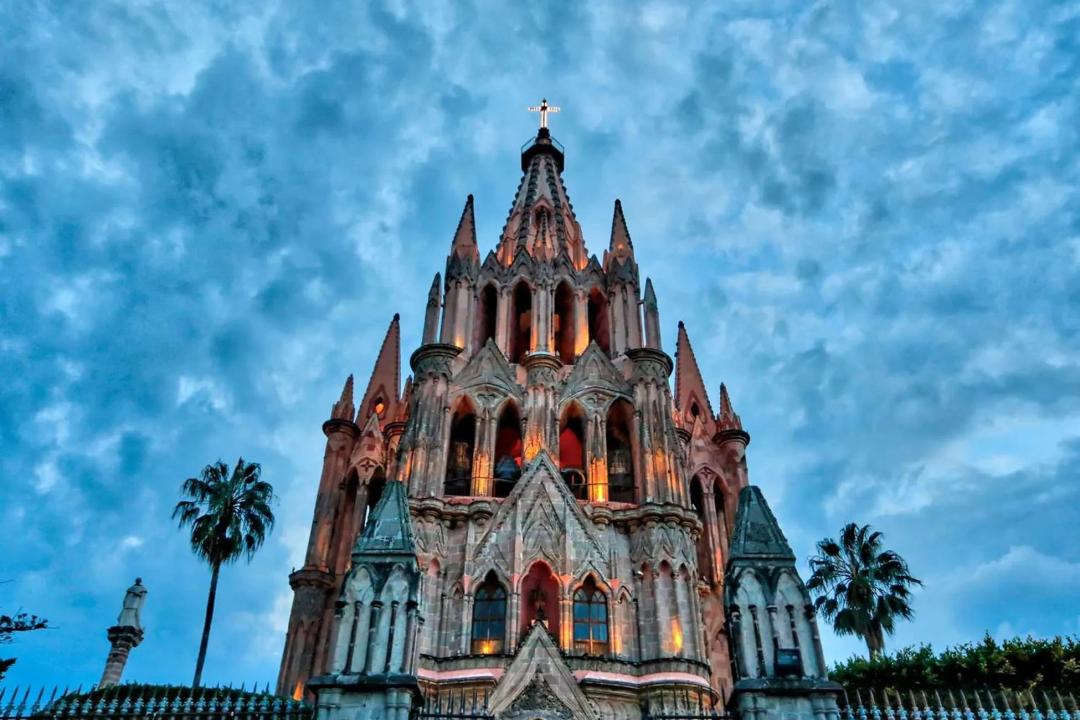
Casa Botines
Gaudí’s neo-Gothic palace in León
Casa Botines is one of the few buildings Antoni Gaudí designed outside Catalonia. Built in 1892, this neo-Gothic palace is now a museum dedicated to his work.
Highlights
✔️ Admire Gaudí’s striking neo-Gothic design
✔️ Visit exhibitions about Gaudí and modernism
✔️ Central location in Plaza de San Marcelo
✔️ One of León’s architectural icons
✔️ Unique blend of medieval and modern style
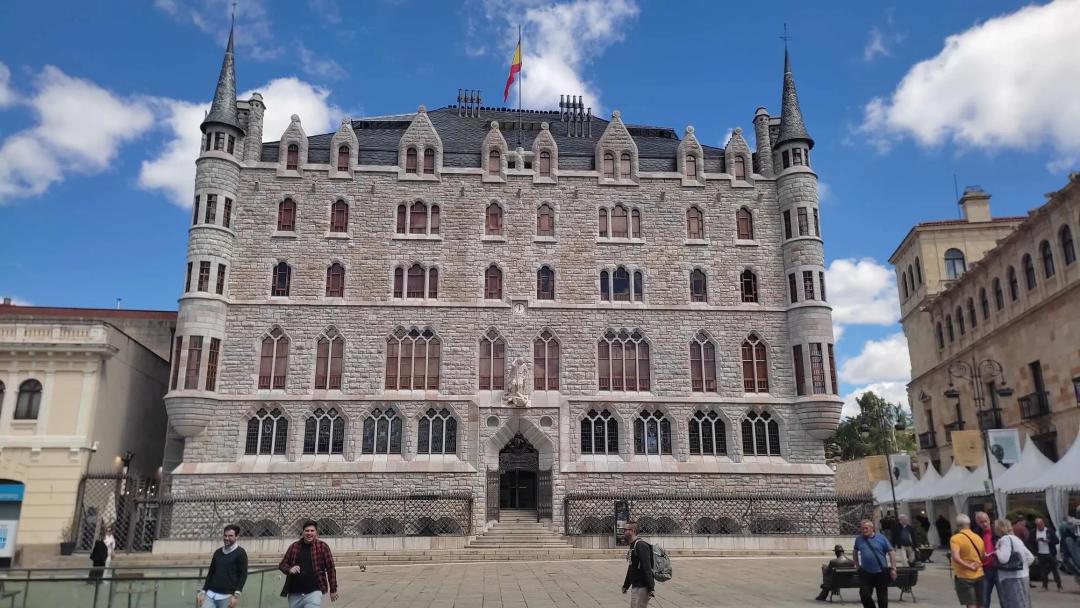
Palacio de los Guzmanes
Renaissance palace in central León
This Renaissance palace was built for the powerful Guzmán family in the 16th century. Today it houses the provincial government, but guided visits allow access to its elegant courtyard.
Highlights
✔️ Visit the Renaissance-style courtyard
✔️ Admire the grand façade on Plaza de San Marcelo
✔️ Learn about León’s noble families
✔️ Guided tours available
✔️ Located beside Casa Botines
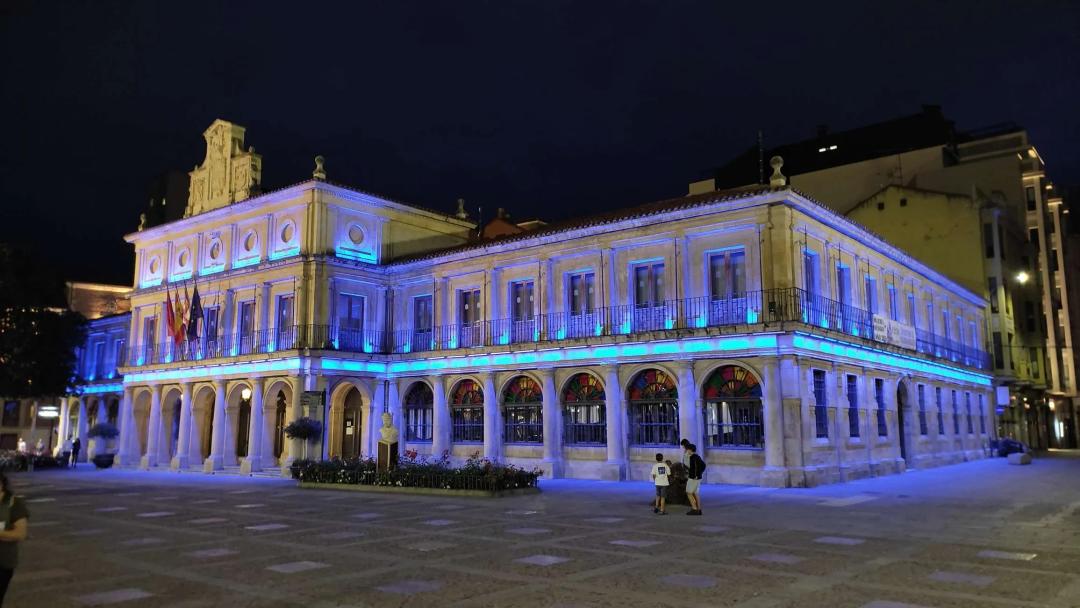
Roman Walls of León
Remains of the ancient city of Legio
León began as a Roman military camp called Legio. Sections of its defensive Roman walls still surround the city, blending with medieval towers and later constructions.
Highlights
✔️ Walk along preserved Roman walls and towers
✔️ Learn about León’s Roman military past
✔️ Great viewpoints around the old town
✔️ Mix of Roman, medieval, and modern cityscape
✔️ Free to explore while walking the city
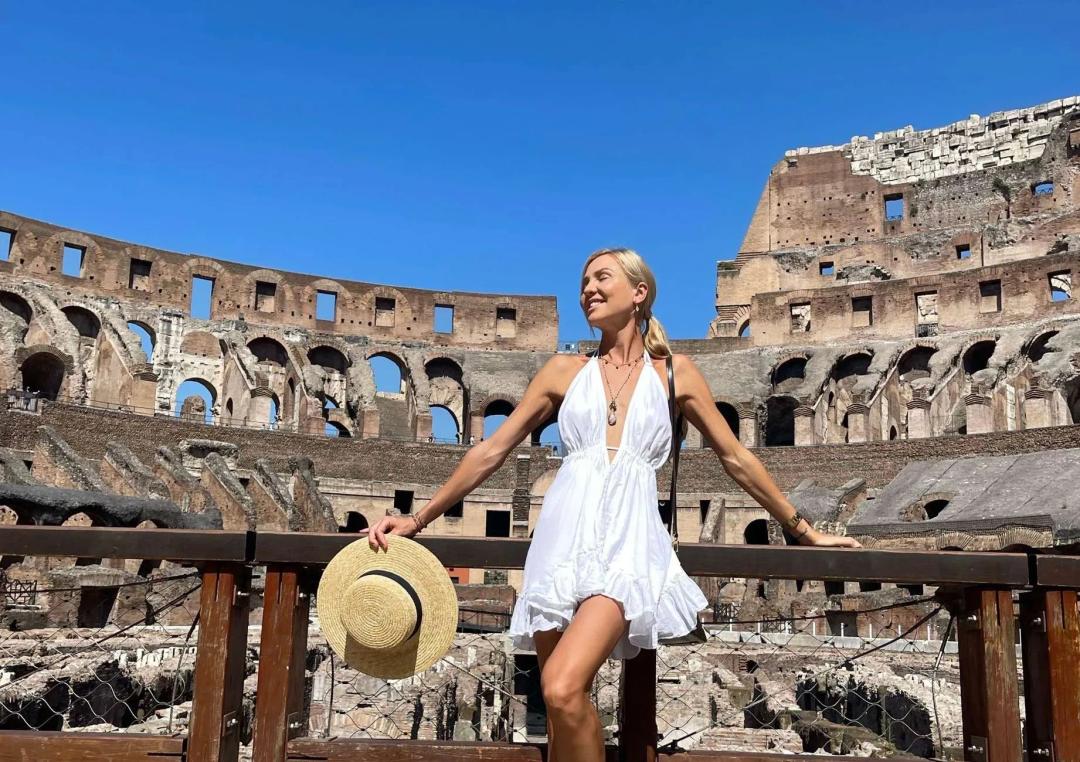
Casas Colgadas
Cuenca’s iconic cliffside houses
The Casas Colgadas (Hanging Houses) are Cuenca’s most famous landmark, perched dramatically over the Huécar Gorge. These medieval houses with wooden balconies seem to defy gravity and symbolize the city.
Highlights
✔️ Marvel at medieval houses hanging over a gorge
✔️ Visit the Museum of Abstract Art inside one house
✔️ Iconic photo spot of Cuenca
✔️ UNESCO World Heritage Site
✔️ Best viewed from the San Pablo Bridge
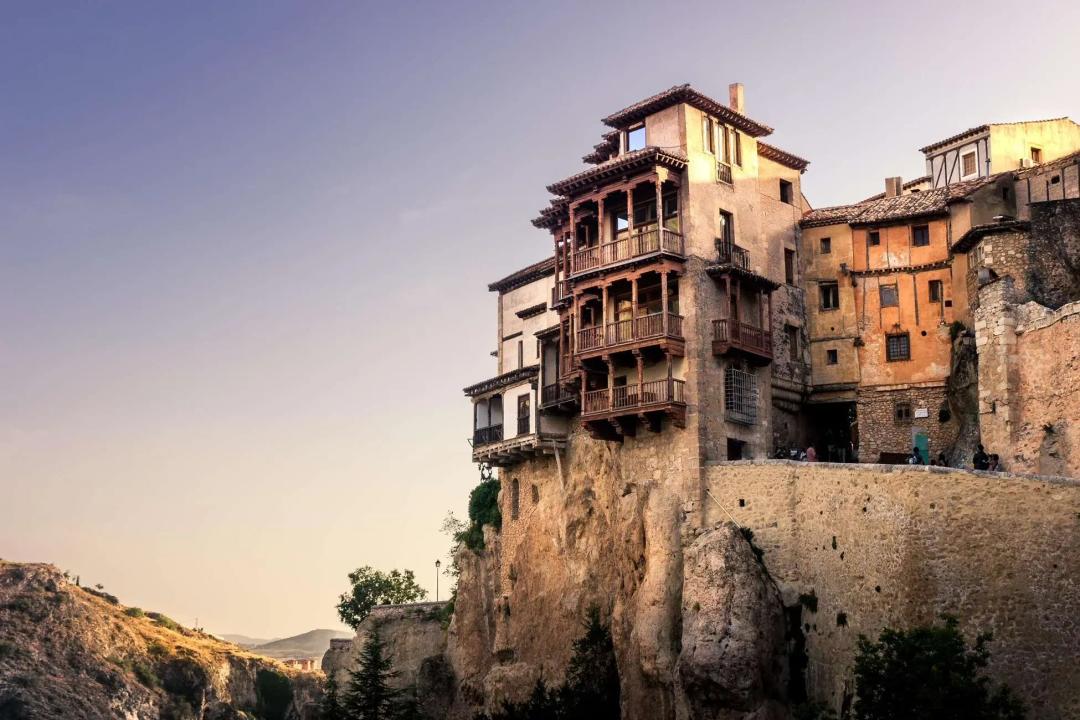
Puente de San Pablo
Iron bridge with dramatic views
The San Pablo Bridge crosses the Huécar Gorge, offering spectacular views of the Hanging Houses and old town. The current iron bridge was built in 1902, replacing an earlier stone one.
Highlights
✔️ Best viewpoint of the Hanging Houses
✔️ Iron structure 60 meters above the gorge
✔️ Links the Parador de Cuenca with the old town
✔️ Great photo and sunset spot
✔️ Thrilling experience walking across
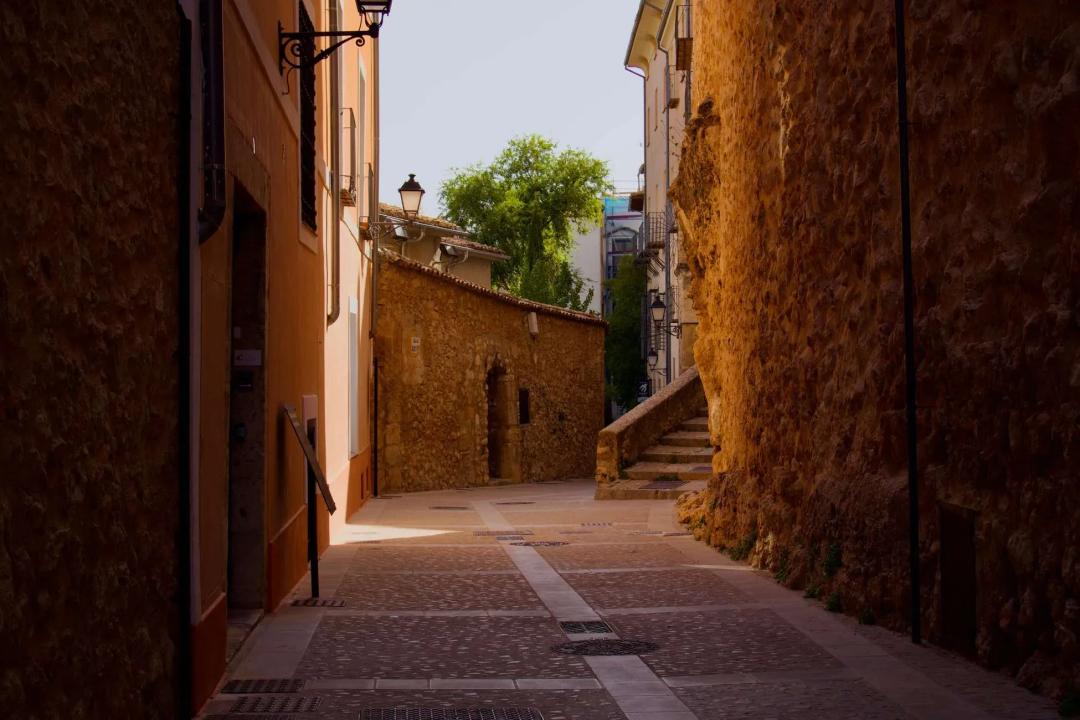
Cathedral of Our Lady of Grace
First Gothic cathedral in Spain
Cuenca’s cathedral, built in the 12th century, was the first Gothic cathedral in Spain. Its mix of Norman and Spanish Gothic styles makes it architecturally unique.
Highlights
✔️ Admire Norman Gothic architecture
✔️ Visit the cathedral museum and cloisters
✔️ Explore chapels with Baroque additions
✔️ Central landmark on Plaza Mayor
✔️ One of Spain’s earliest Gothic works
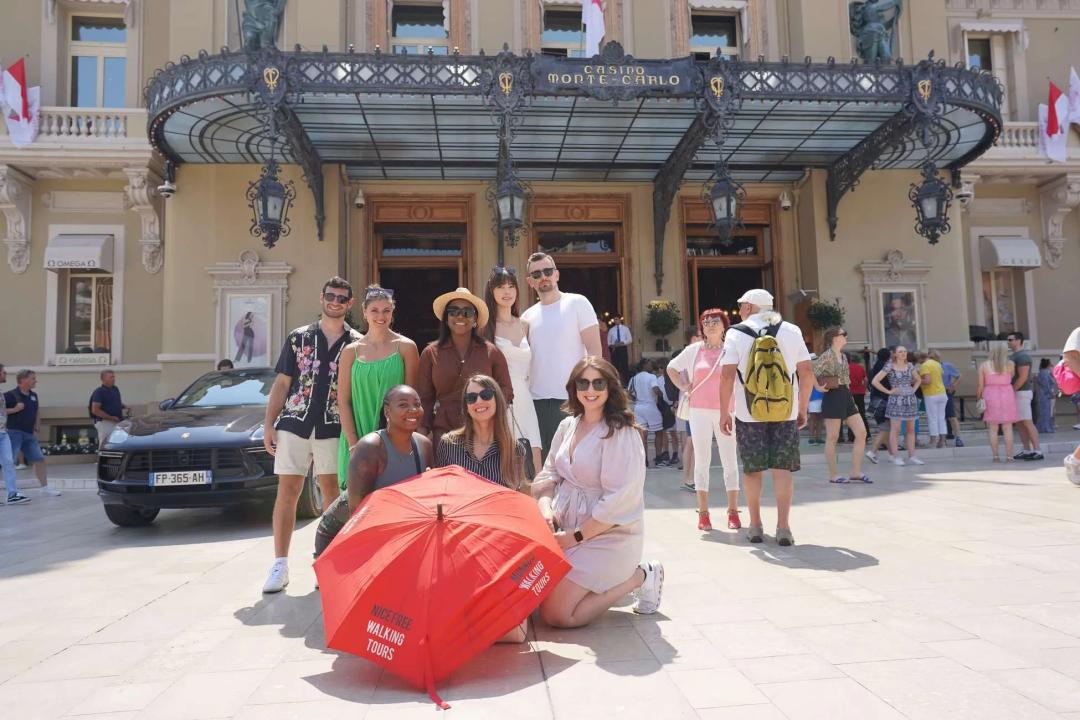
Plaza Mayor de Cuenca
Colorful heart of the old town
Cuenca’s Plaza Mayor is the lively main square of the old town, surrounded by colorful houses, the cathedral, and the town hall. It’s the social hub of the city.
Highlights
✔️ Relax in cafés and restaurants
✔️ Central meeting point of Cuenca
✔️ Colorful façades and Baroque town hall
✔️ Great place to start exploring the old town
✔️ Host to festivals and events
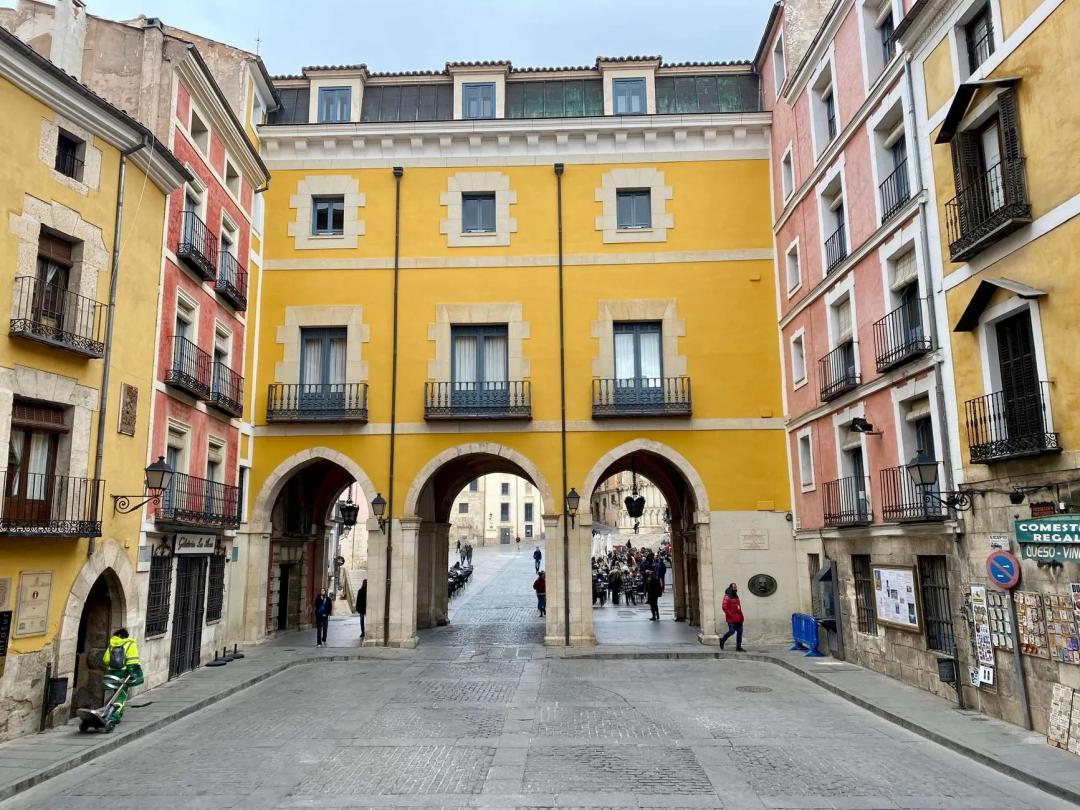
Museum of Spanish Abstract Art
Modern art inside a medieval house
Housed in one of the Hanging Houses, the Museum of Abstract Art displays works from Spain’s leading abstract artists. The contrast of modern art with medieval architecture is striking.
Highlights
✔️ Collection of works by artists like Antoni Tàpies and Eduardo Chillida
✔️ Located inside a Hanging House
✔️ Stunning views of the Huécar Gorge
✔️ Fusion of contemporary art and history
✔️ Unique cultural landmark in Cuenca
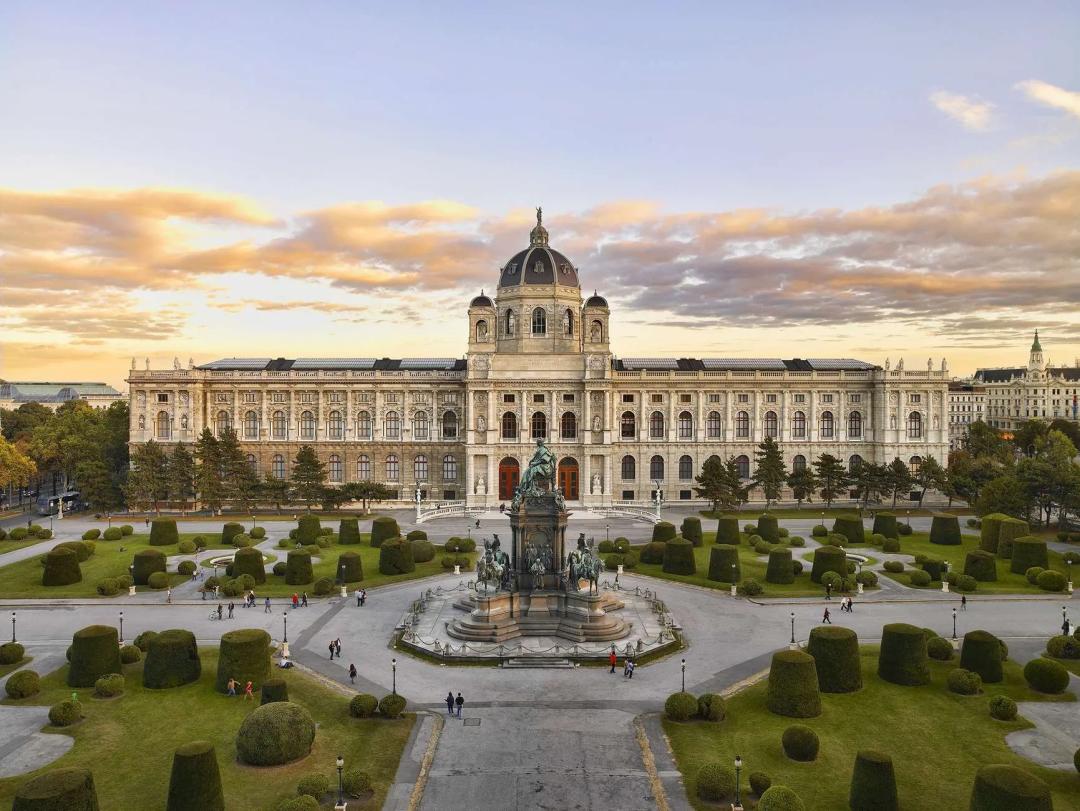
Torre de Mangana
Historic clock tower with city views
The Mangana Tower is one of Cuenca’s symbols, standing tall since the 16th century. Recently restored, it offers panoramic views over the Júcar Valley.
Highlights
✔️ Climb for views of the Júcar River valley
✔️ Historic role as a city watchtower
✔️ Recently restored with modern lighting
✔️ Iconic Cuenca landmark
✔️ Great photo spot in the old town
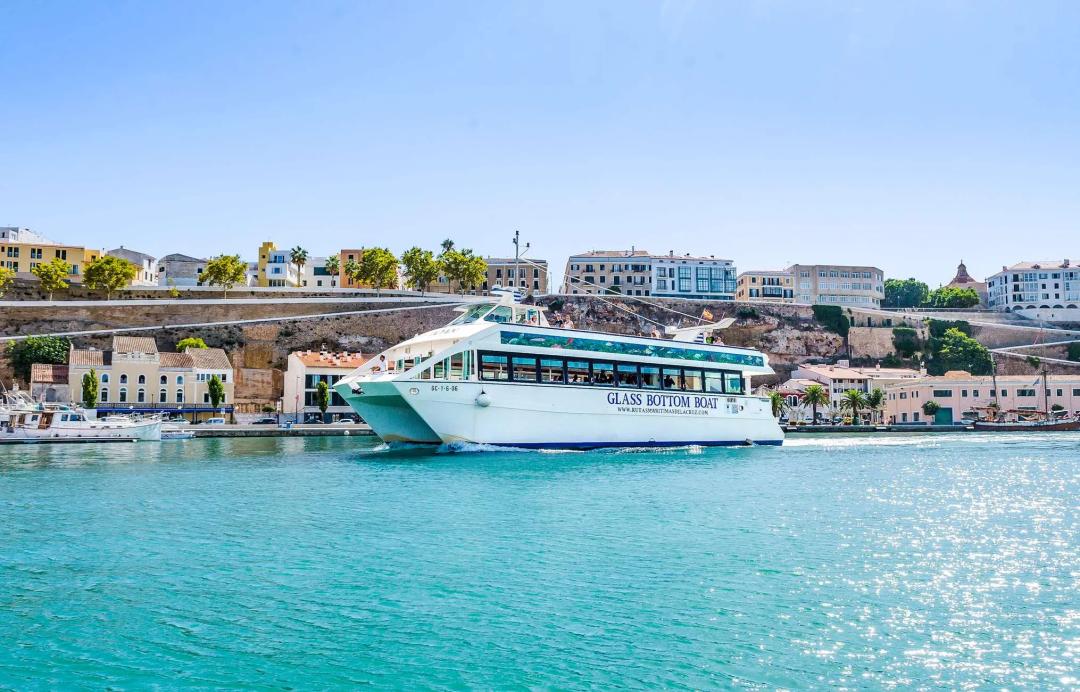
Mirador de los Ríos
Where the Júcar and Huécar meet
At this viewpoint, visitors can admire the meeting of the Júcar and Huécar Rivers, with the old town dramatically perched above the gorges.
Highlights
✔️ Stunning view of Cuenca’s clifftop setting
✔️ Overlooks the valleys of two rivers
✔️ Peaceful spot just outside the old town
✔️ Great for sunrise or sunset photos
✔️ Easy to reach on foot or bike
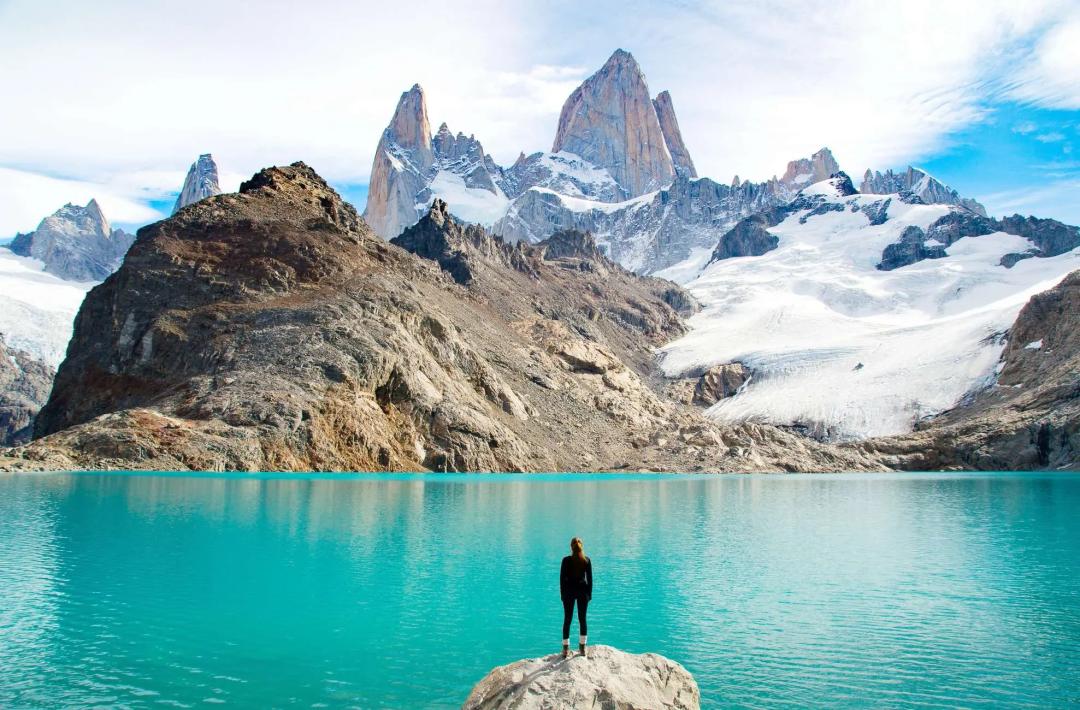
Paleontology Museum of Cuenca
Dinosaurs and fossils of the region
Cuenca’s Paleontology Museum showcases fossils and dinosaur remains discovered in Castilla-La Mancha, including unique species from the Cretaceous period.
Highlights
✔️ See fossils and reconstructed dinosaur skeletons
✔️ Interactive exhibits for all ages
✔️ Learn about the region’s prehistoric past
✔️ Located in a scenic hillside setting
✔️ Family-friendly attraction
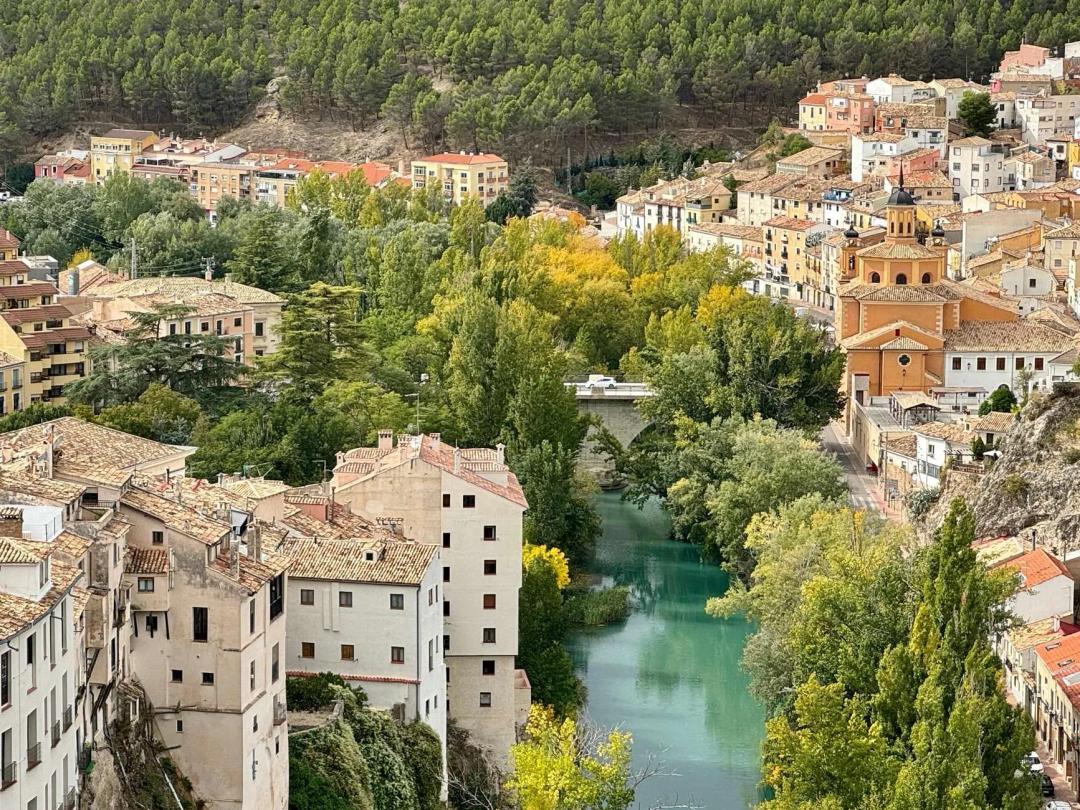
Ciudad Encantada (Enchanted City)
Surreal rock formations in the mountains
The Enchanted City is a natural site with limestone rocks eroded into fantastic shapes resembling animals and objects. It’s one of the most famous day trips from Cuenca.
Highlights
✔️ Walk among surreal rock formations
✔️ Popular ride through the Serranía mountains to get there
✔️ Learn about geology and legends of the site
✔️ Great photo and picnic spot
✔️ Protected natural monument
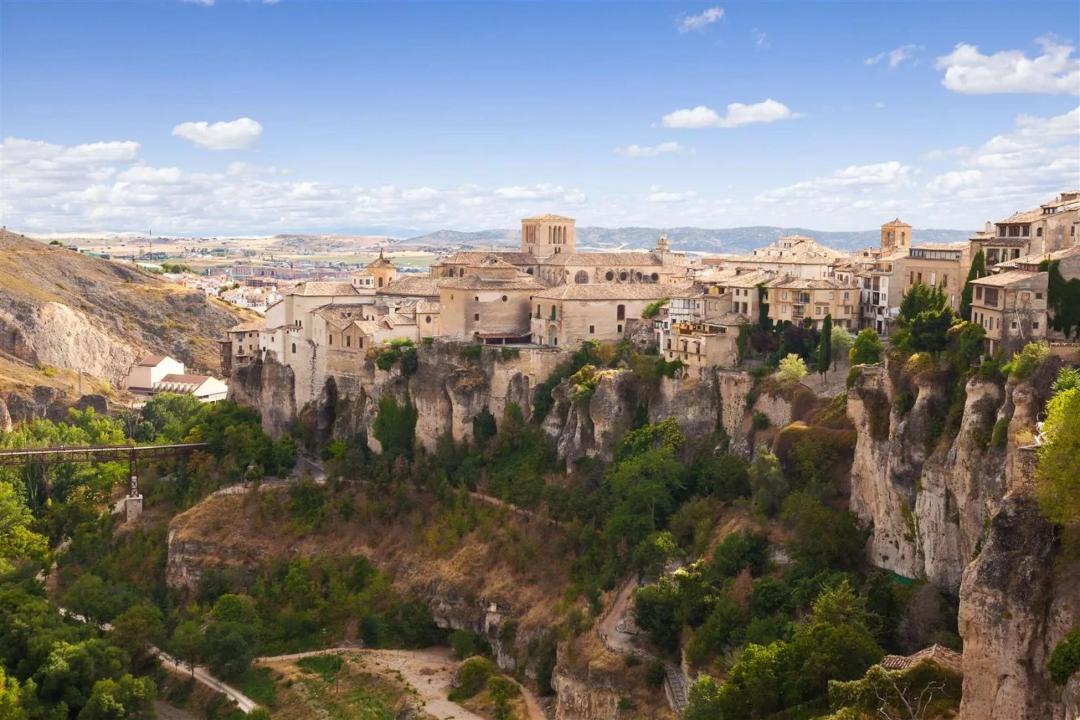
Serranía de Cuenca
Twisty mountain roads and natural wonders
The Serranía de Cuenca is a natural park of forests, cliffs, and rivers — perfect for motorcycle rides. Highlights include the Enchanted City, a landscape of bizarre rock formations.
Highlights
✔️ Ride winding mountain roads through canyons
✔️ Visit the Enchanted City rock formations
✔️ See the Ventano del Diablo viewpoint over the Júcar River
✔️ Hiking, rivers, and waterfalls
✔️ UNESCO Biosphere Reserve
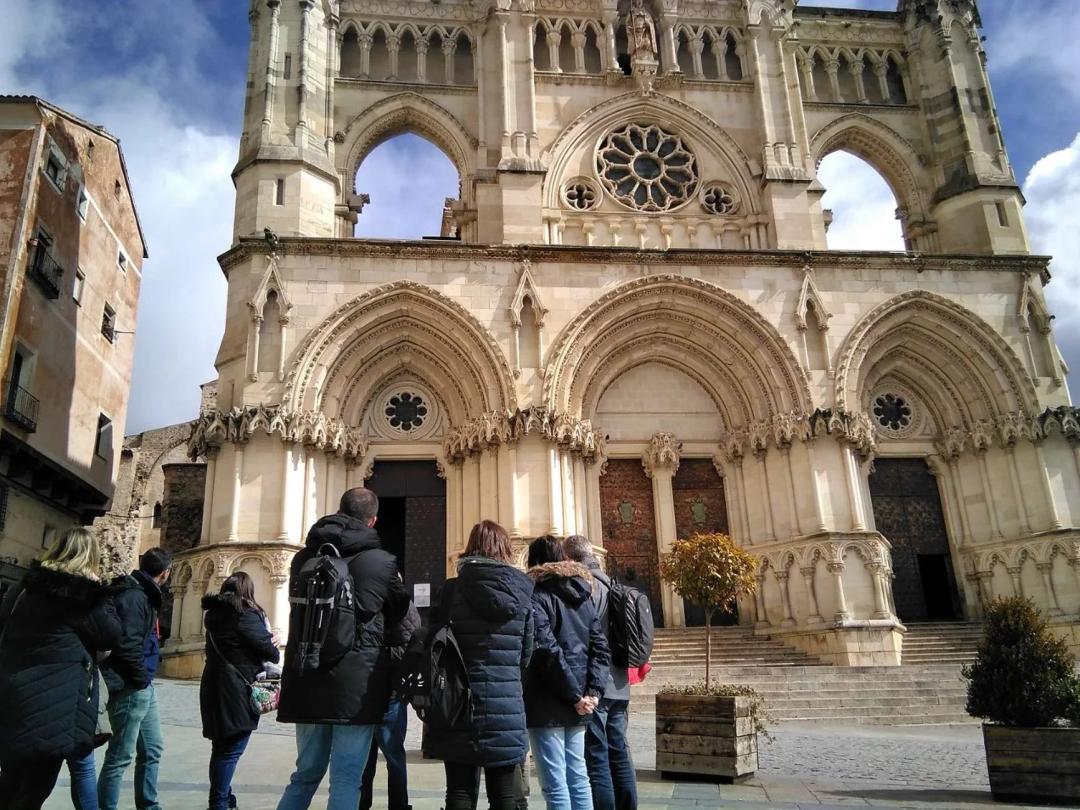
Oviedo Cathedral
Gothic cathedral on the Camino de Santiago
The Cathedral of San Salvador is Oviedo’s most important monument, a Gothic masterpiece with Romanesque origins. It’s a major stop on the Camino de Santiago and home to the Holy Chamber (Cámara Santa), a UNESCO World Heritage Site.
Highlights
✔️ Admire the Gothic single-tower façade
✔️ Visit the Holy Chamber with relics like the Shroud of Oviedo
✔️ Blend of Gothic, Romanesque, and Baroque elements
✔️ Pilgrimage site on the Camino Primitivo
✔️ Central landmark of Oviedo’s old town
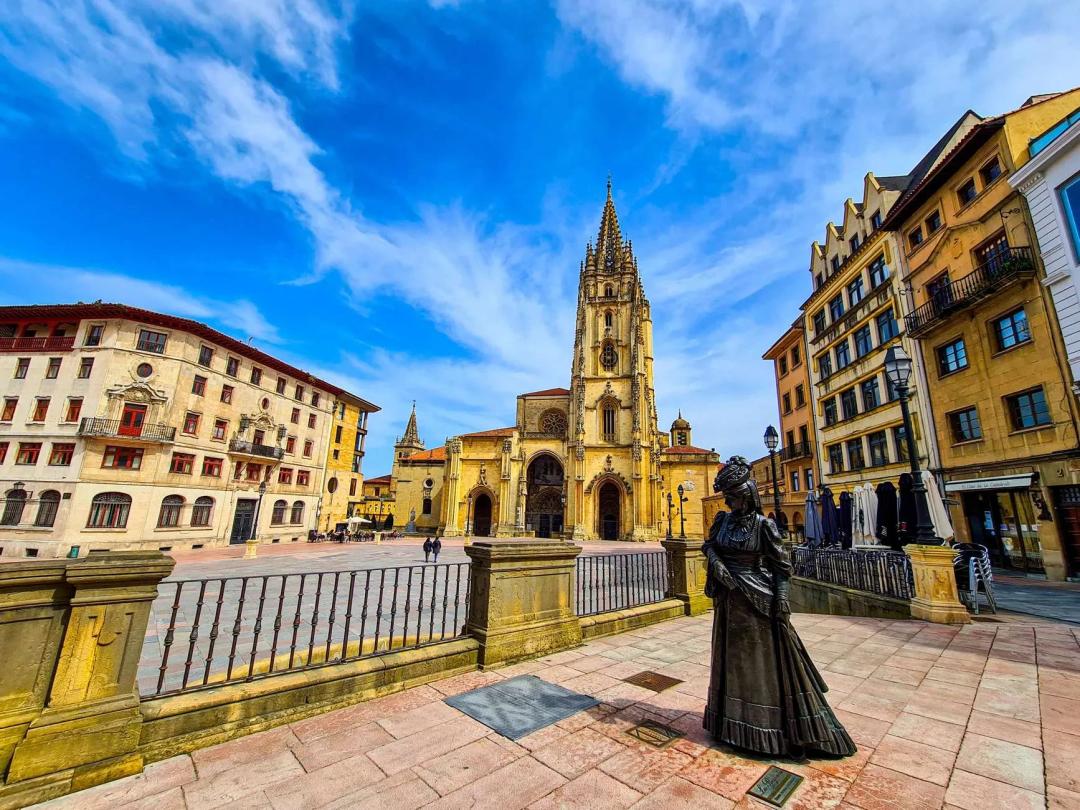
Oviedo Old Town
Medieval streets and lively squares
Oviedo’s old town is full of cobbled streets, colorful squares, and historic charm. It’s a vibrant mix of history, gastronomy, and culture.
Highlights
✔️ Explore Plaza del Fontán with traditional market
✔️ See medieval streets around the cathedral
✔️ Lively terraces and sidrerías (cider bars)
✔️ Sculptures scattered throughout the old town
✔️ Perfect area to experience Oviedo’s atmosphere
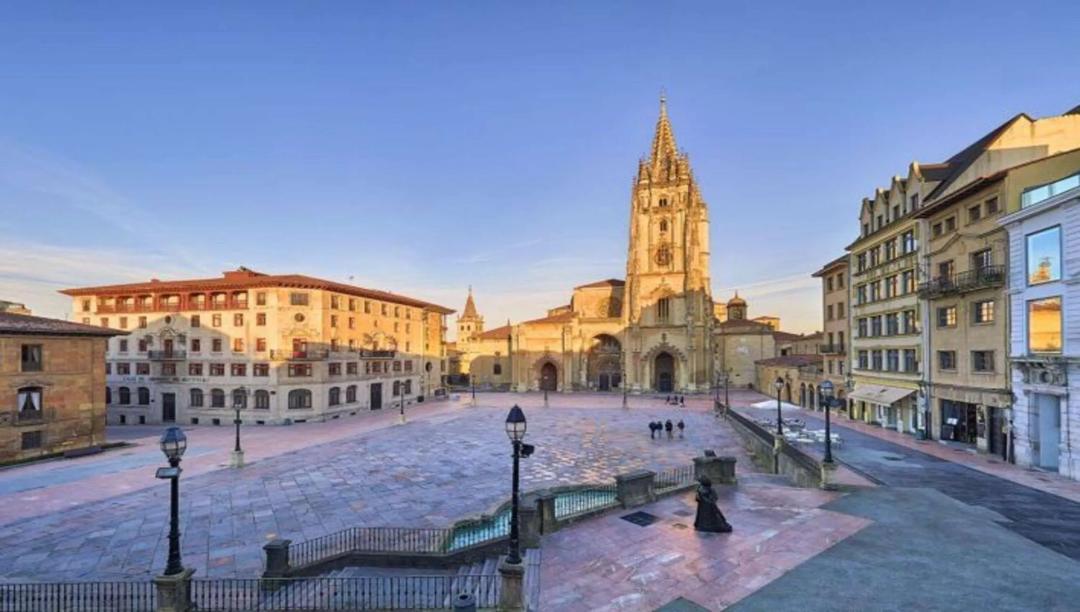
Santa María del Naranco & San Miguel de Lillo
UNESCO-listed pre-Romanesque churches
On Monte Naranco hill above Oviedo sit two of Spain’s most unique churches: Santa María del Naranco and San Miguel de Lillo. Built in the 9th century, they’re masterpieces of Asturian pre-Romanesque art.
Highlights
✔️ Visit Santa María del Naranco, once a royal palace
✔️ Explore San Miguel de Lillo with original frescoes
✔️ UNESCO World Heritage Sites
✔️ Scenic hilltop setting with city views
✔️ Essential part of Asturias’ cultural identity
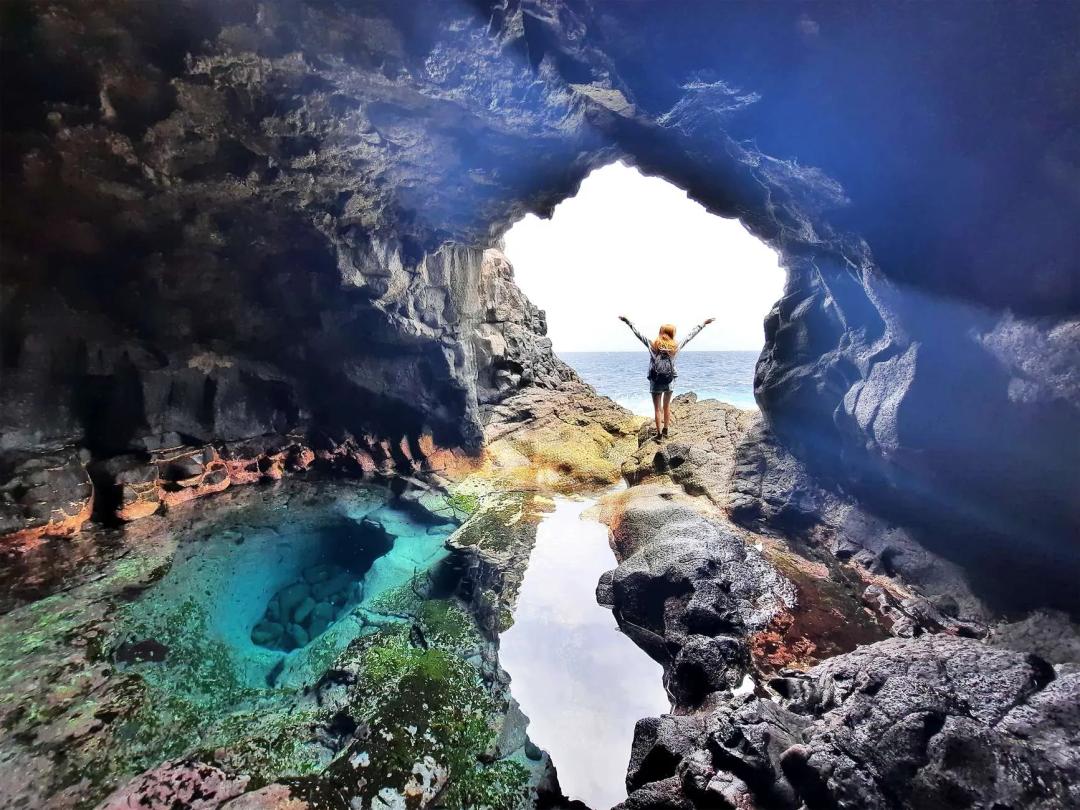
Museo Arqueológico de Asturias
History of Asturias from prehistory to today
Housed in a former Benedictine monastery, this museum displays Asturias’ archaeological treasures, from Paleolithic cave art to medieval artifacts.
Highlights
✔️ Prehistoric tools and cave art replicas
✔️ Roman and Visigothic artifacts
✔️ Medieval collections linked to Oviedo’s churches
✔️ Located in the old town near the cathedral
✔️ Educational and cultural stop
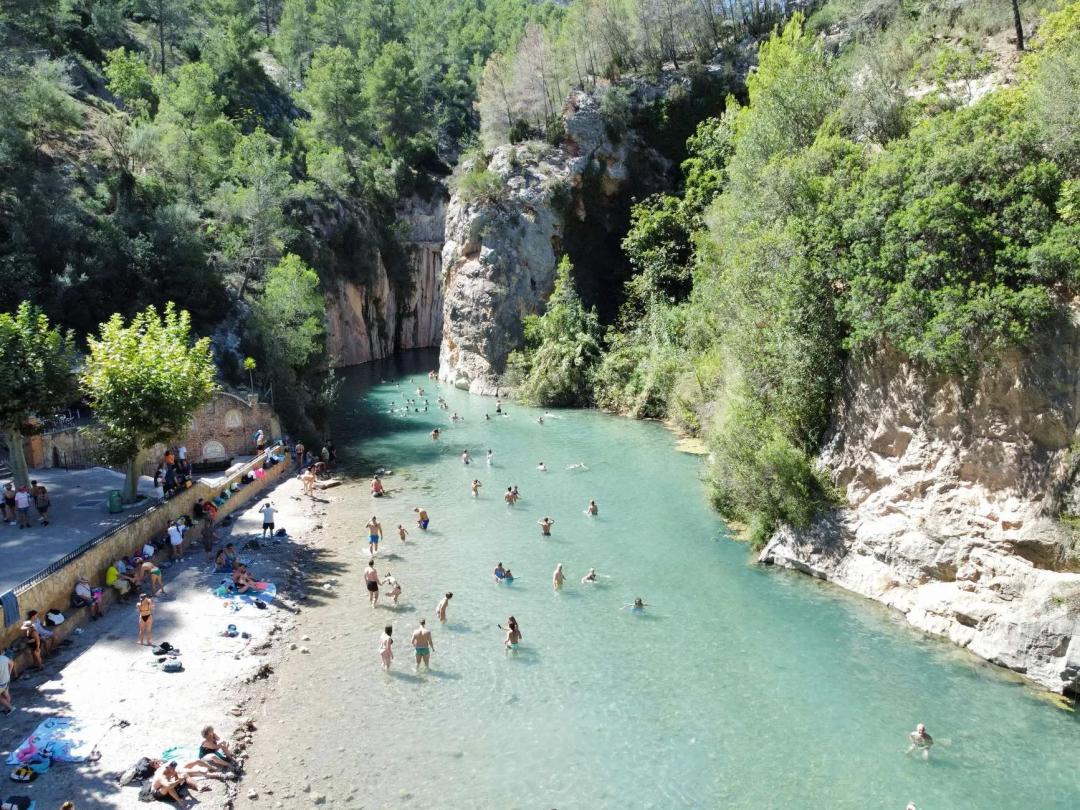
Museo de Bellas Artes de Asturias
Asturian and Spanish art collection
This museum showcases works from the Middle Ages to contemporary times, including pieces by El Greco, Goya, Dalí, and Picasso, alongside Asturian artists.
Highlights
✔️ Works by Spain’s greatest painters
✔️ Strong collection of Asturian art
✔️ Free entry museum in central Oviedo
✔️ Housed in several connected historic buildings
✔️ Cultural gem of the city
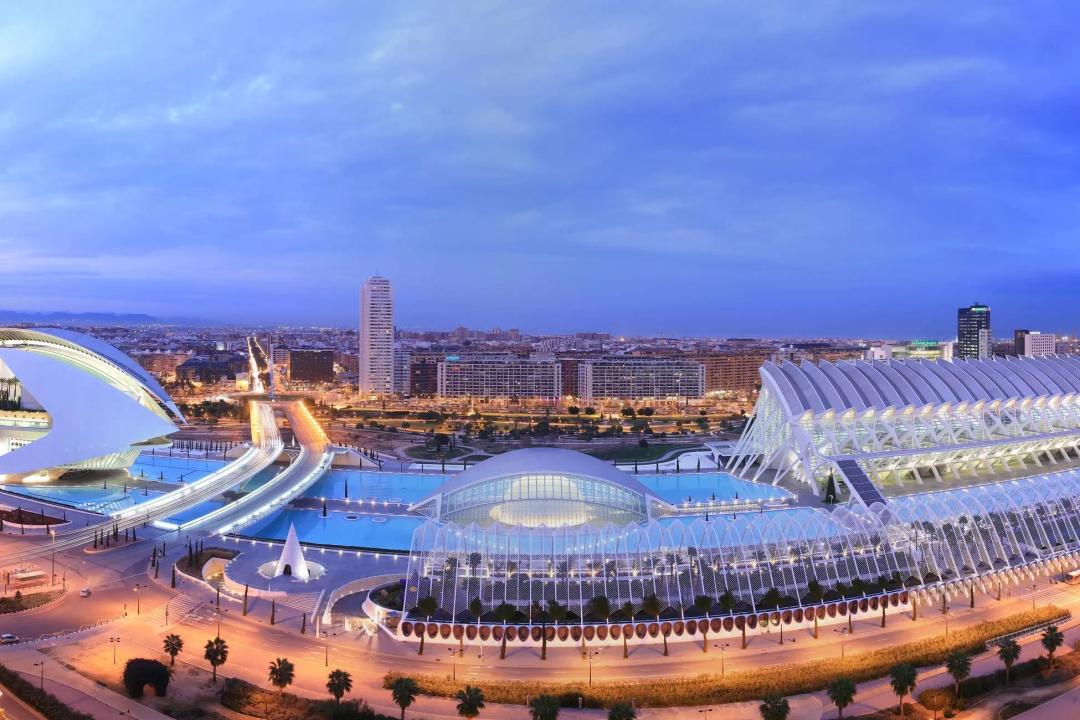
Mercado El Fontán
Traditional market in Oviedo
El Fontán Market is Oviedo’s traditional food market, filled with Asturian products like cider, cheeses, and cured meats. It’s a feast for the senses.
Highlights
✔️ Taste Asturian cheeses like Cabrales
✔️ Buy cider and local delicacies
✔️ Covered 19th-century market building
✔️ Bustling atmosphere with locals shopping
✔️ Great foodie stop in Oviedo
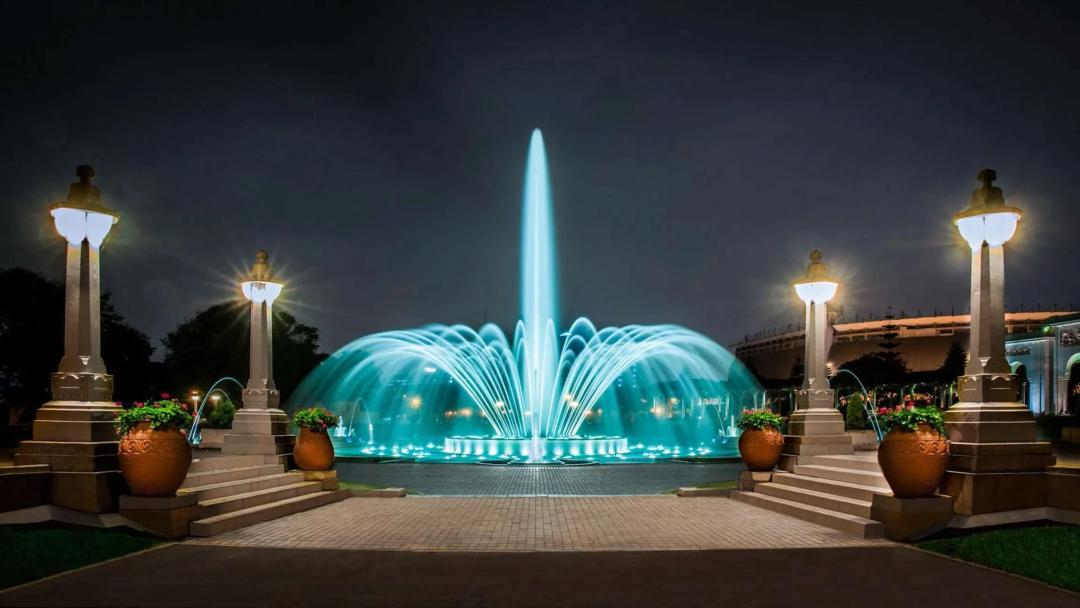
Oviedo’s Sidrerías
Experience Asturian cider tradition
Oviedo is full of traditional sidrerías, where cider is poured dramatically from above the head in the classic Asturian style. Visiting one is a must for any traveler.
Highlights
✔️ Watch cider poured in the “escanciado” style
✔️ Pair cider with tapas like chorizo a la sidra
✔️ Streets like Gascona are lined with sidrerías
✔️ Unique Asturian cultural tradition
✔️ Lively atmosphere in the evenings
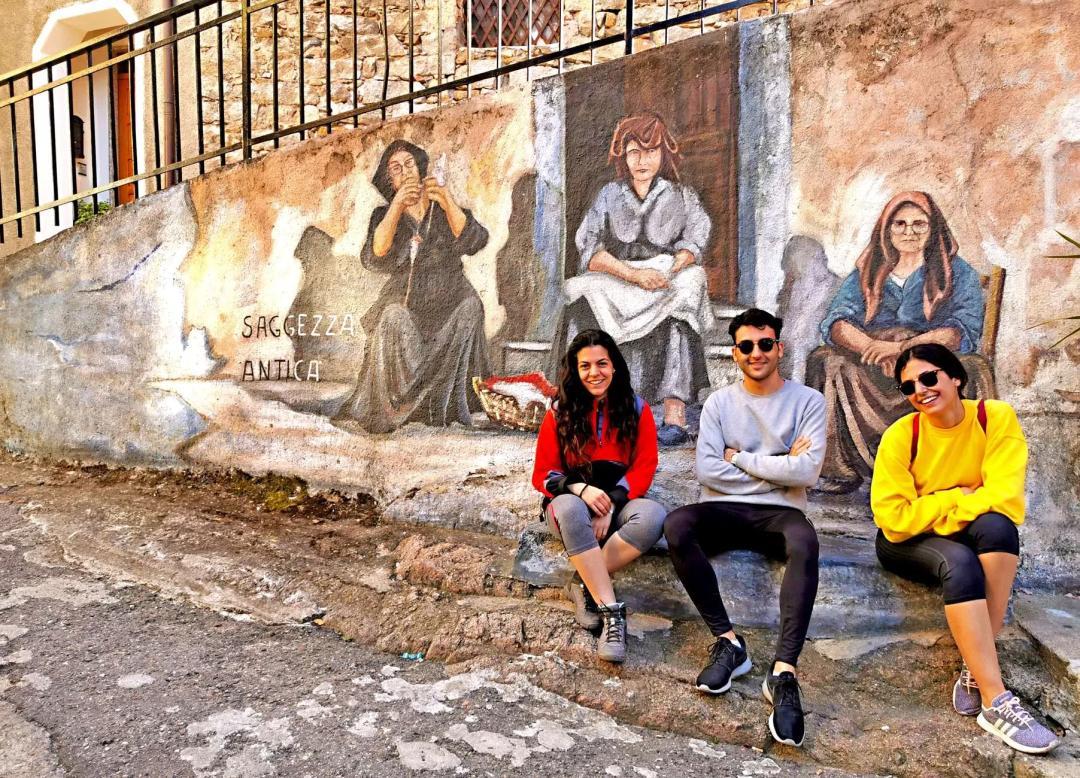
Somiedo Natural Park
Mountain ride into a Biosphere Reserve
Just outside Oviedo, the Somiedo Natural Park offers winding roads, glacial lakes, and pristine mountain landscapes. It’s a UNESCO Biosphere Reserve and a top riding destination.
Highlights
✔️ Ride twisty mountain roads into Somiedo
✔️ Visit Lake Somiedo and alpine valleys
✔️ Spot wildlife like brown bears and eagles
✔️ Traditional Asturian villages and hay barns (teitos)
✔️ Epic nature escape near Oviedo
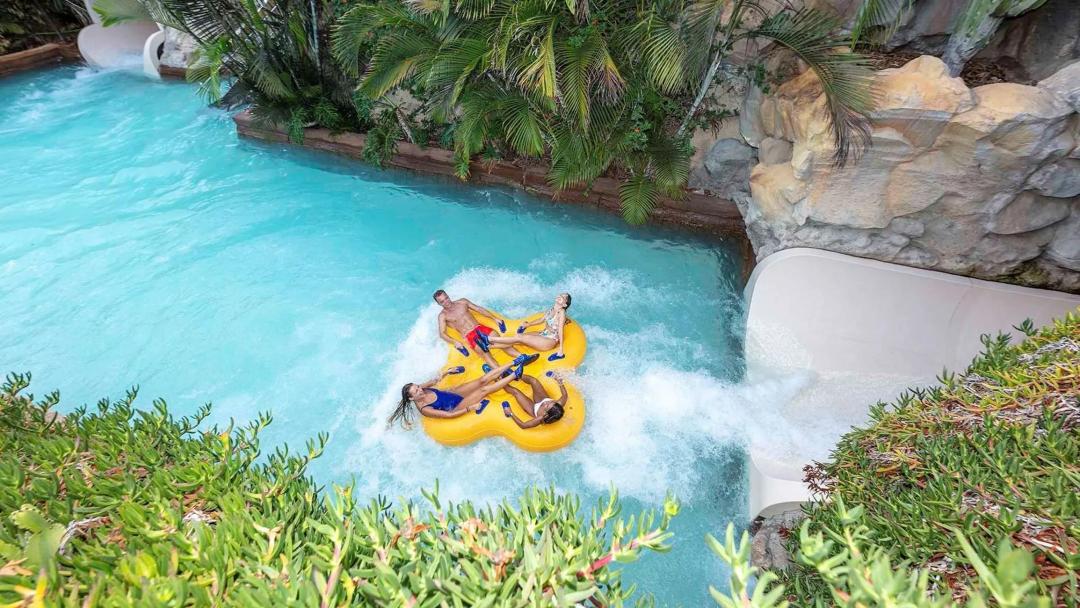
Campo de San Francisco
Green oasis in the city center
Oviedo’s main park, Campo de San Francisco, is a lush green space in the heart of the city. With statues, fountains, and walking paths, it’s a local favorite for relaxation.
Highlights
✔️ Peaceful park in central Oviedo
✔️ Statues of Mafalda and other cultural icons
✔️ Shaded walking paths and gardens
✔️ Popular meeting point for locals
✔️ Great escape from city bustle
Teatro Campoamor
Opera house and cultural icon
Teatro Campoamor is Oviedo’s grand 19th-century opera house, best known as the venue for the annual Princess of Asturias Awards.
Highlights
✔️ Elegant neoclassical theater
✔️ Home of opera, ballet, and concerts
✔️ Venue for Spain’s prestigious awards ceremony
✔️ Located in central Oviedo
✔️ Cultural landmark of Asturias
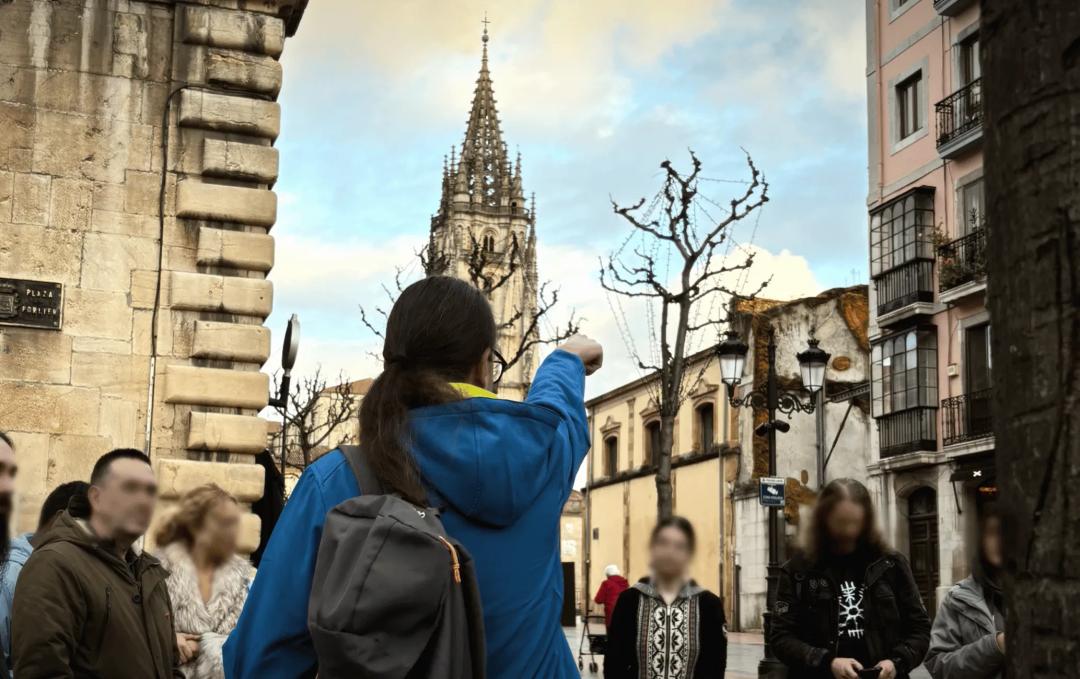
Coll d’Ordino
Epic mountain pass with panoramic views
The Coll d’Ordino is one of Andorra’s most famous motorcycle routes, winding through forests and alpine scenery. Its viewpoints offer some of the best panoramas in the country.
Highlights
✔️ Ride a twisty mountain pass popular with bikers
✔️ Stop at scenic viewpoints along the route
✔️ Connects Canillo and Ordino valleys
✔️ Stunning in autumn with golden forests
✔️ Great warm-up ride in Andorra
Andorra la Vella
Europe’s highest capital city
Andorra la Vella is the capital of Andorra and Europe’s highest capital city. Known for its tax-free shopping and lively old quarter, it’s a must-stop for riders crossing the country.
Highlights
✔️ Duty-free shops for gear, electronics, and luxury items
✔️ Explore the historic Barri Antic (old quarter)
✔️ Casa de la Vall, a 16th-century parliament building
✔️ Lively bars and restaurants for après-ride
✔️ Central hub for riders exploring Andorra
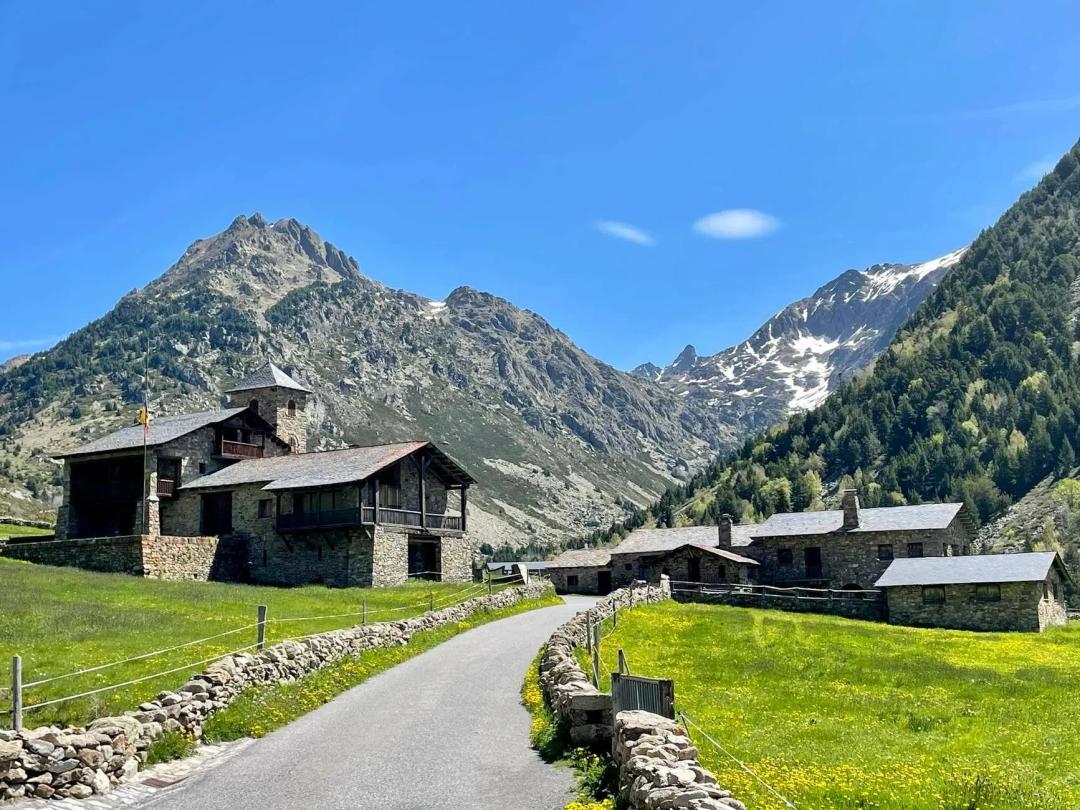
Sant Joan de Caselles
Romanesque church in Canillo
This 11th-century Romanesque church is one of Andorra’s most iconic monuments. Surrounded by mountain scenery, it’s a perfect cultural stop on a riding route.
Highlights
✔️ Romanesque stone architecture
✔️ 12th-century frescoes and altarpiece inside
✔️ Scenic roadside setting in Canillo valley
✔️ Photogenic cultural landmark
✔️ Symbol of Andorra’s medieval past
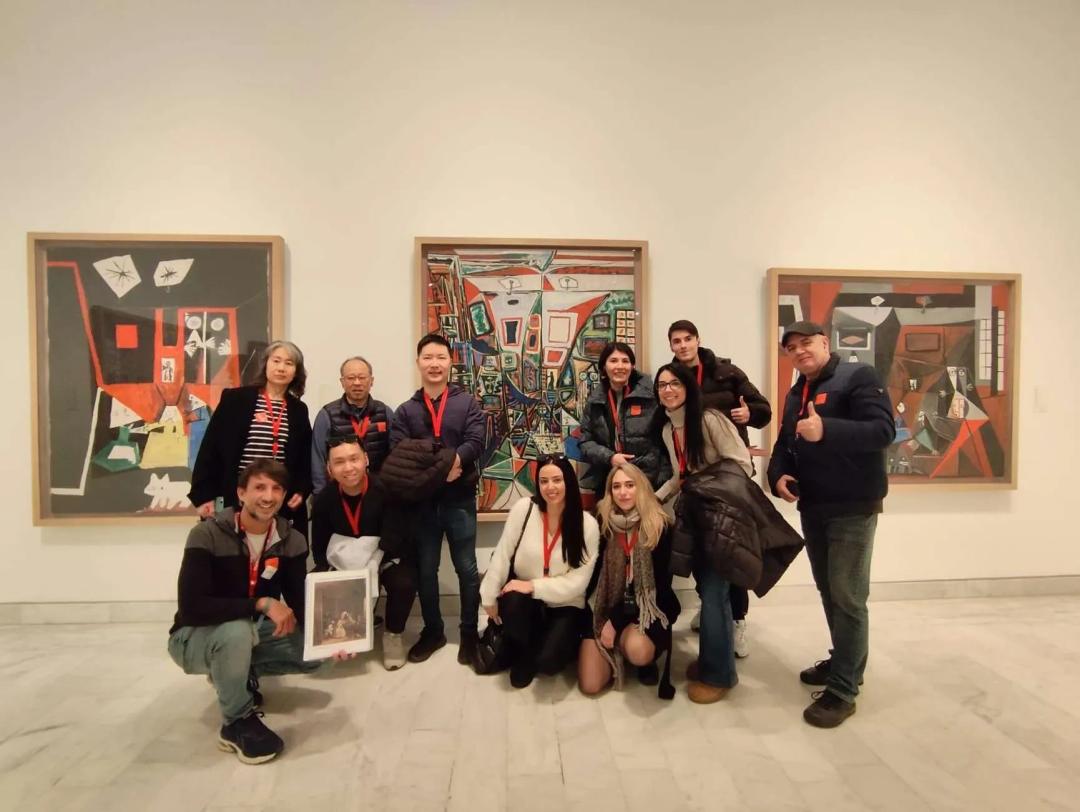
Ordino Village
Traditional Andorran mountain town
Ordino is one of Andorra’s prettiest villages, with stone houses, cobbled streets, and mountain views. It’s a cultural hub with museums and a peaceful atmosphere.
Highlights
✔️ Stroll cobblestone streets and squares
✔️ Visit Casa d’Areny-Plandolit museum
✔️ Charming stone houses with flower balconies
✔️ Scenic views of the Ordino valley
✔️ Great cultural and gastronomic stop
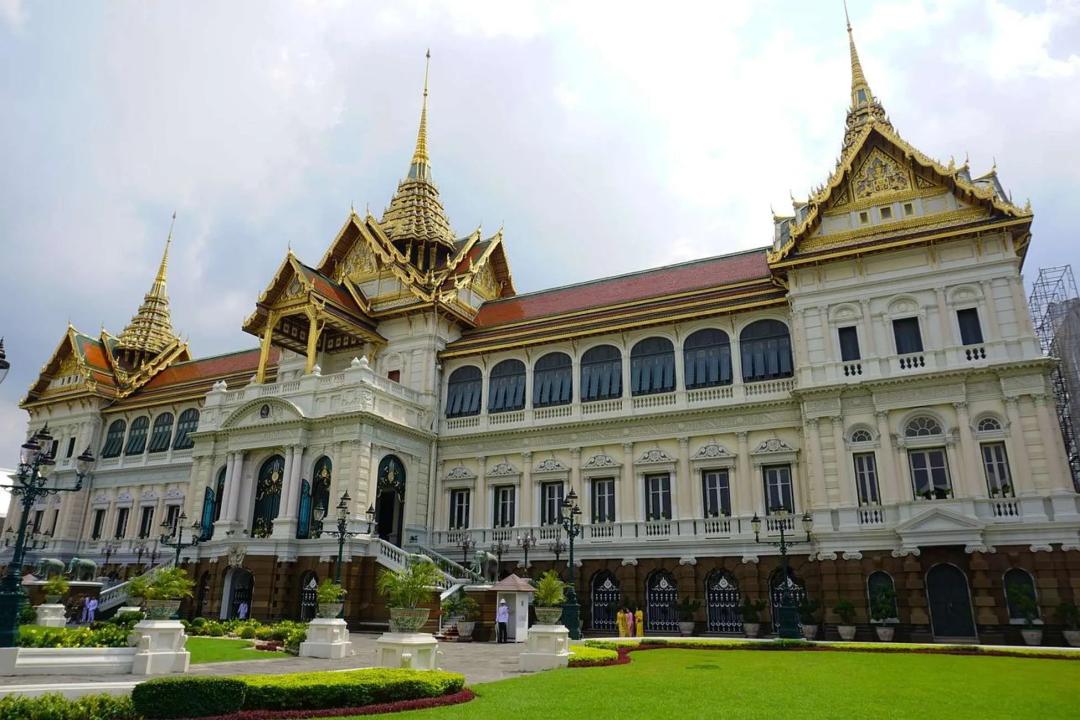
Naturland
Outdoor adventure park in the Pyrenees
Naturland is an outdoor adventure park set in forested mountains. Its star attraction is Tobotronc, the world’s longest alpine coaster, winding down for over 5 km.
Highlights
✔️ Ride the Tobotronc alpine coaster
✔️ Outdoor activities: hiking, archery, cycling
✔️ Family-friendly mountain experience
✔️ Scenic location in Sant Julià de Lòria
✔️ Perfect for adventure lovers
Engolasters Lake
Mountain lake above Andorra la Vella
Engolasters Lake is a peaceful mountain reservoir surrounded by pine forests. Accessible by a scenic road, it’s a popular stop for riders and hikers.
Highlights
✔️ Ride up a curvy road to the lake
✔️ Scenic setting for walks and picnics
✔️ Great photography spot with reflections
✔️ Popular summer escape from the city
✔️ Calm and accessible mountain stop
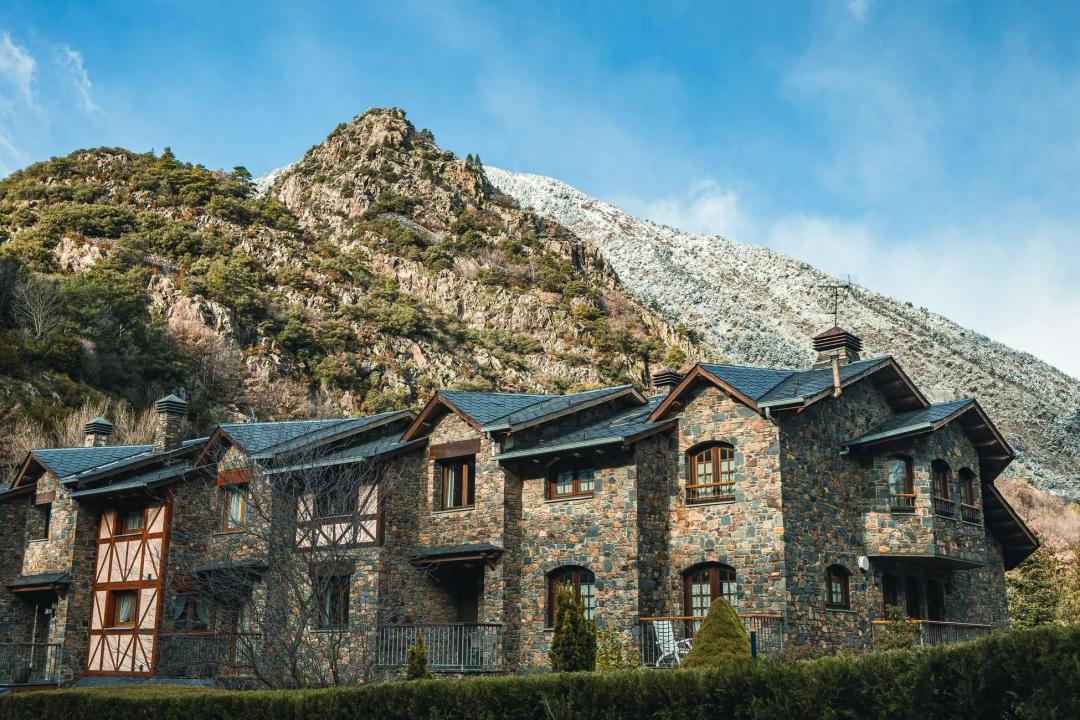
Port d’Envalira
Highest paved pass in the Pyrenees
At 2,408 meters, Port d’Envalira is the highest paved mountain pass in the Pyrenees. It’s a legendary road for bikers, connecting Andorra with France and offering breathtaking views.
Highlights
✔️ Ride the highest paved road in the Pyrenees
✔️ Endless curves and alpine landscapes
✔️ Connects Pas de la Casa with Andorra la Vella
✔️ Panoramic viewpoints at the summit
✔️ Bucket-list route for motorcycle travelers
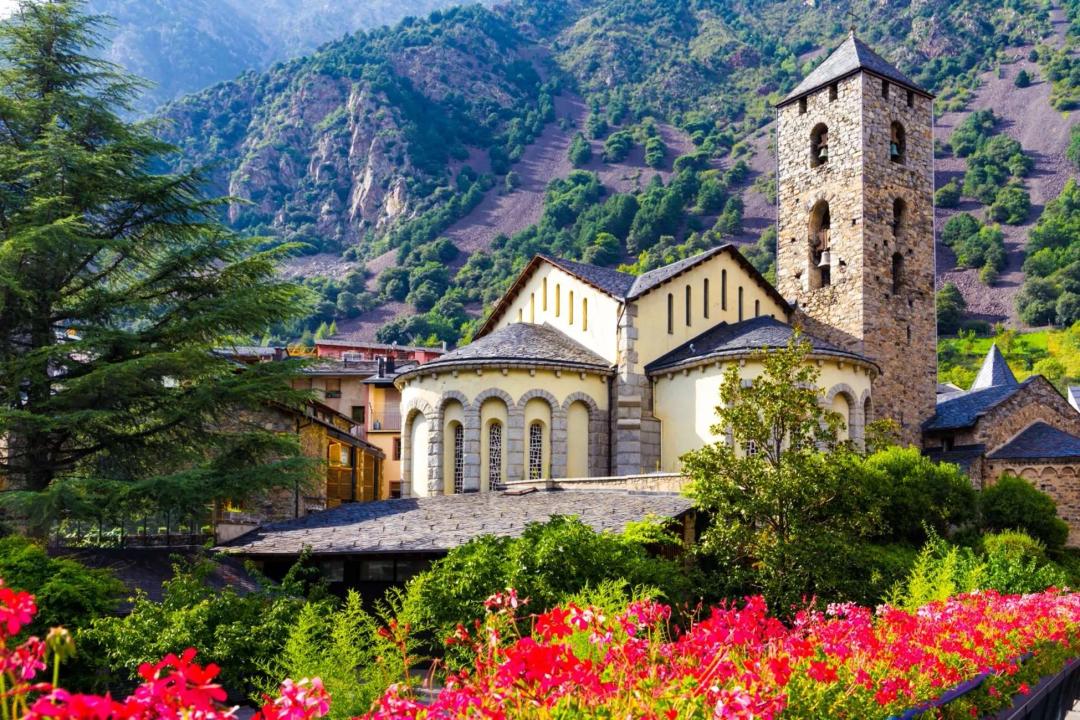
Caldea Spa
Europe’s largest mountain spa
After a long ride, Caldea offers the perfect recovery. This massive spa complex combines thermal waters, saunas, and futuristic architecture in the heart of the Pyrenees.
Highlights
✔️ Soak in thermal pools with mountain views
✔️ Relax with saunas, hammams, and massages
✔️ Futuristic glass architecture resembling a crystal tower
✔️ Great après-ride wellness stop
✔️ One of Andorra’s most popular attractions
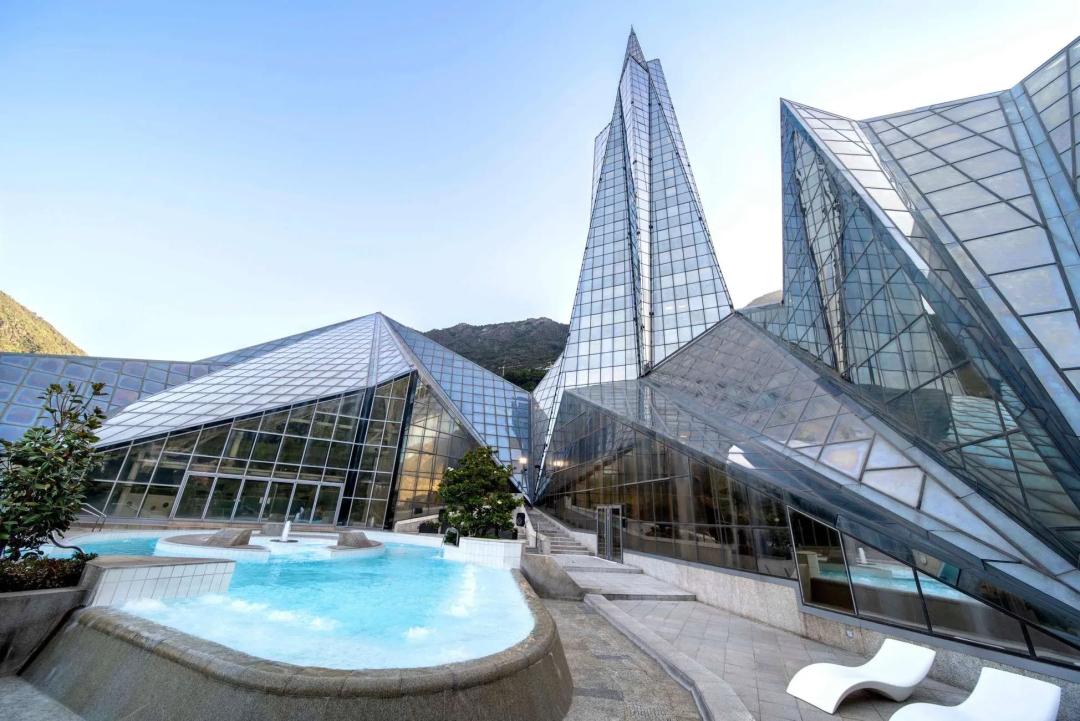
Vallnord – Pal Arinsal
Scenic ski resort in summer and winter
Vallnord is one of Andorra’s top ski resorts, but in summer it becomes a haven for hiking, mountain biking, and scenic rides. Its lifts and viewpoints make it worth a stop year-round.
Highlights
✔️ Panoramic roads through alpine scenery
✔️ Summer activities like MTB trails and hiking
✔️ Stunning ski slopes in winter
✔️ Accessible from La Massana valley
✔️ Scenic route into Andorra’s wild landscapes
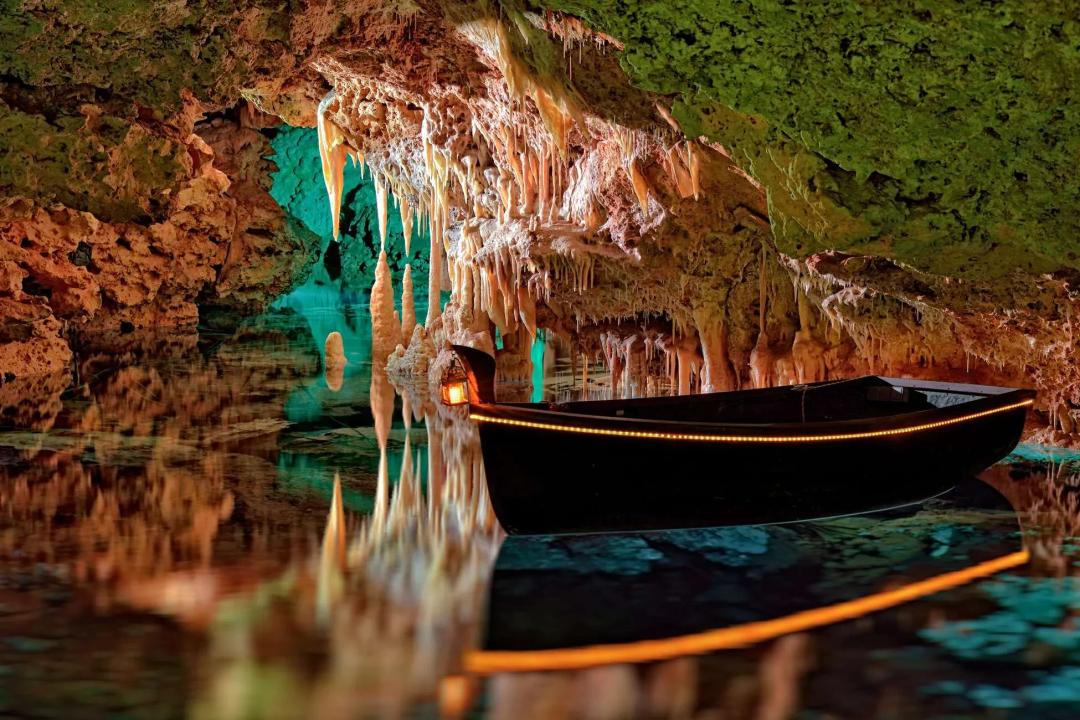
Roc del Quer Viewpoint
Skywalk over the Pyrenees
This dramatic viewpoint extends over the mountains with a glass-floored platform and a suspended sculpture. It’s one of Andorra’s most thrilling viewpoints.
Highlights
✔️ Walk out on a glass skywalk over the valley
✔️ Panoramic views of Canillo and surrounding peaks
✔️ Famous seated bronze sculpture “The Ponderer”
✔️ Popular photography spot
✔️ Unique modern landmark in Andorra